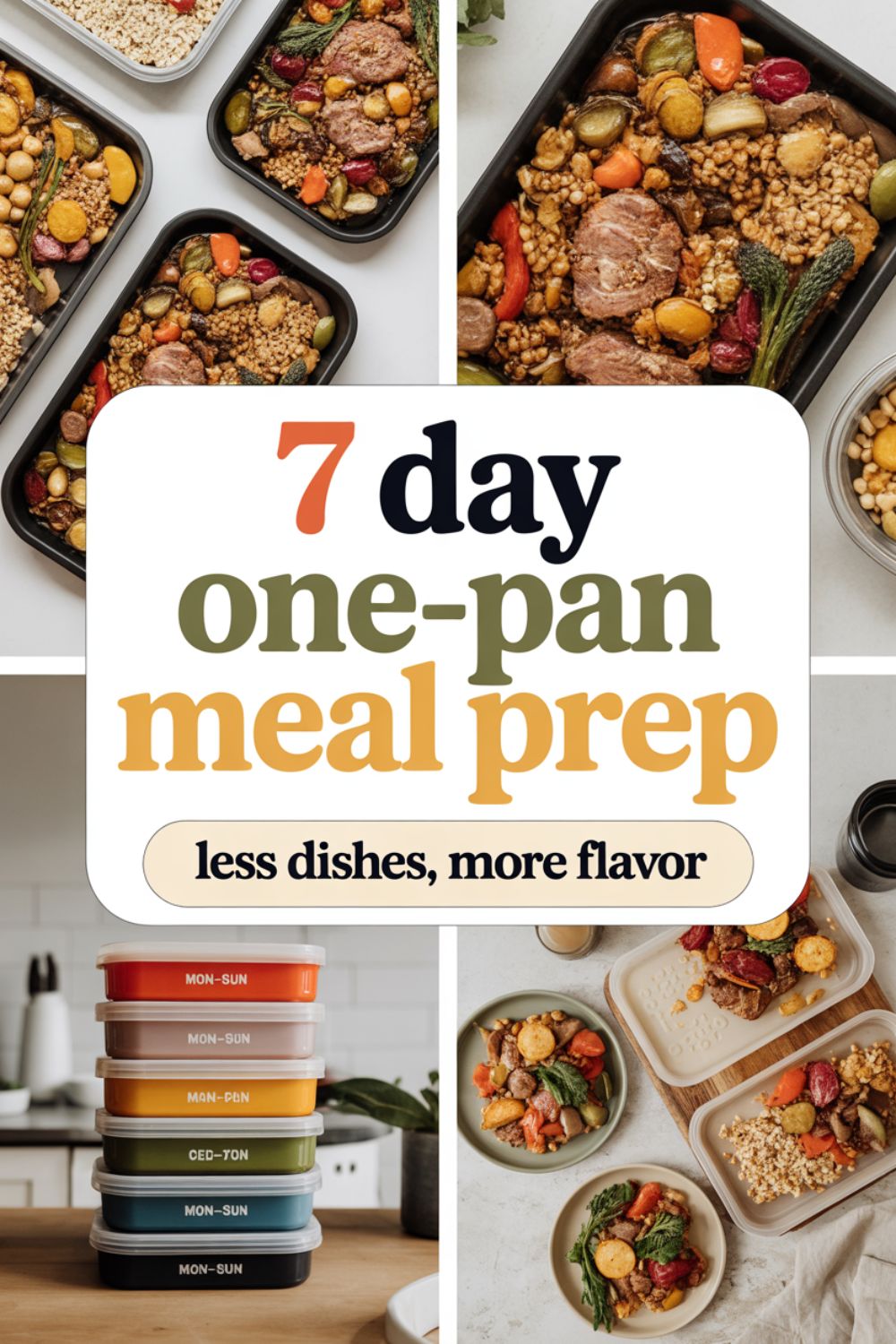
7-Day One-Pan Meal Prep to Save Time
Let’s be honest—meal prepping sounds great until you’re staring at a kitchen full of dirty pots, pans, cutting boards, and that one mysterious dish you can’t remember using. You wanted to simplify your week, not create a dish-washing marathon. That’s where one-pan meal prep swoops in like your favorite Netflix show after a long day: easy, satisfying, and zero drama.
I’ve been doing this whole one-pan thing for years now, and it’s completely changed how I approach food for the week. No more juggling multiple burners while something burns in the oven. Just one pan, real ingredients, and a week’s worth of meals that actually taste good reheated. This guide walks you through a full seven days of breakfasts, lunches, and dinners—all prepped with minimal cleanup and maximum flavor.
Why One-Pan Meal Prep Actually Works
Most meal prep advice assumes you have unlimited time, energy, and cabinet space for seventeen different containers. One-pan meal prep flips that script. You’re cooking everything on a single sheet pan, skillet, or baking dish, which means fewer dishes, faster cleanup, and honestly? Better flavor because everything cooks together.
The secret is smart ingredient pairing. Proteins that cook at similar temperatures as vegetables. Seasonings that work across multiple meals. Strategic layering so nothing gets soggy or overcooked. I use this rimmed sheet pan for pretty much everything—it’s the right size, conducts heat evenly, and doesn’t warp in high temperatures.
According to Harvard Health, meal prepping can significantly improve diet quality and reduce the likelihood of choosing less healthy convenience foods during busy weekdays. The one-pan method makes this sustainable because you’re not dreading the process.
What You’ll Need for the Week
Before we dive into the actual meals, let’s talk gear. You don’t need a fancy kitchen, but a few solid tools make everything smoother. I’m not suggesting you buy out the entire cooking aisle—just the essentials that’ll see you through this week and many more.
The Absolute Essentials
- Two large sheet pans: One for proteins, one for veggies. I rotate between these commercial-grade sheet pans that handle high heat without warping.
- A quality cast iron skillet: For stovetop one-pan meals. This 12-inch cast iron works for everything from breakfast scrambles to dinner stir-fries.
- Parchment paper or silicone mats: Zero-stick guarantee. I swear by these reusable silicone mats—less waste, easier cleanup.
- Good storage containers: Glass is best. These glass containers with snap lids keep food fresh and reheat like a dream.
- Sharp knife and cutting board: Non-negotiable. A dull knife makes prep miserable.
Everything else is bonus. A digital kitchen timer helps if you’re juggling multiple pans, but your phone works too.
If you’re looking to expand beyond one-pan meals, check out these healthy dinner meal prep ideas that the whole family actually enjoys, or explore high-protein dinner options if you’re prioritizing fitness goals.
The Seven-Day Breakdown
Here’s how the week shapes up. We’re alternating proteins, rotating vegetables so you don’t get bored, and keeping seasonings varied enough that Wednesday doesn’t feel like a repeat of Monday. Each day includes breakfast, lunch, and dinner—all cooked on single pans and prepped ahead.
Day 1: Getting Started Strong
Breakfast: Sheet pan eggs with roasted cherry tomatoes, spinach, and feta. Crack a dozen eggs into a greased sheet pan, scatter veggies and cheese, bake at 375°F for 15 minutes. Cut into squares, store in containers. Reheats perfectly in the microwave.
Lunch: Lemon herb chicken with roasted Brussels sprouts and sweet potato. Everything goes on one pan—chicken thighs (skin-side up for crispiness), halved Brussels sprouts, cubed sweet potato. Drizzle with olive oil, lemon juice, garlic, rosemary. Roast at 425°F for 30-35 minutes. Get Full Recipe.
Dinner: One-pan salmon with asparagus and baby potatoes. Same concept, different protein. Wild-caught salmon fillets, trimmed asparagus, halved baby potatoes. Season with dill, lemon, salt, pepper. Bake at 400°F for 18-20 minutes. The potatoes might need a head start—add them 10 minutes before the salmon and asparagus.
Day one sets the tone. You’re knocking out three meals in about an hour of active cooking time, and your kitchen isn’t destroyed. That’s the magic.
Day 2: Building Momentum
Breakfast: Sheet pan hash with turkey sausage, diced potatoes, bell peppers, and onions. Cook sausage first if it’s raw, then add everything else. Season with smoked paprika and garlic powder. Roast at 400°F for 25-30 minutes, stirring halfway.
Lunch: Mediterranean chickpea bowl with roasted red peppers, zucchini, red onion, and chickpeas. Toss everything with olive oil, oregano, garlic, and a squeeze of lemon. Roast at 425°F for 25 minutes. Top with crumbled feta after cooking. Serve over quinoa or eat as-is.
Dinner: Sheet pan fajitas with chicken or steak. Slice protein thin, cut bell peppers and onions into strips, toss with fajita seasoning (or DIY with cumin, chili powder, paprika, garlic powder). Spread on a sheet pan, roast at 425°F for 20 minutes. Serve in tortillas or over rice. Get Full Recipe.
The beauty of day two is variety. You’re hitting different flavor profiles—smoky breakfast, Mediterranean lunch, Tex-Mex dinner—but still using the same minimal-cleanup method.
Day 3: Hitting Your Stride
Breakfast: Baked oatmeal cups on a sheet pan. Mix oats, milk, mashed banana, cinnamon, and a touch of maple syrup. Pour into a muffin tin (sitting on your sheet pan for easy handling), add mix-ins like berries or nuts. Bake at 350°F for 25 minutes. These freeze beautifully and reheat in seconds.
Lunch: One-pan pork tenderloin with roasted carrots, parsnips, and apple slices. The apple adds unexpected sweetness that pairs perfectly with pork. Season with sage, thyme, salt, pepper. Roast at 400°F for 25-30 minutes until pork reaches 145°F internal temp.
Dinner: Sheet pan teriyaki meatballs with broccoli and snap peas. Make meatballs (or buy pre-made, zero judgment), arrange on sheet pan with vegetables, brush with this teriyaki sauce I keep stocked. Bake at 400°F for 20 minutes. Serve over rice or noodles.
By day three, you’re probably noticing how much mental energy you’re saving. No nightly “what’s for dinner” panic. No scrambling for breakfast ideas. Just grab and go.
Looking for more breakfast variety? Try this 7-day breakfast meal prep plan that covers everything from sweet to savory, or explore high-protein breakfast options for sustained morning energy.
Day 4: Keeping It Interesting
Breakfast: Sheet pan frittata with mushrooms, tomatoes, and goat cheese. Similar to day one’s eggs but with different flavors. Whisk eggs with a splash of milk, pour onto greased sheet pan, add toppings, bake at 375°F for 15-18 minutes until set.
Lunch: One-pan Italian sausage with peppers, onions, and cherry tomatoes. Slice sausage (I use this Italian chicken sausage to keep it lighter), arrange with vegetables, drizzle with balsamic vinegar and Italian herbs. Roast at 400°F for 25 minutes. Get Full Recipe.
Dinner: Sheet pan shrimp “boil” with corn, sausage, and baby potatoes. Toss everything with Old Bay seasoning, butter, lemon, garlic. Roast at 425°F for 15-18 minutes until shrimp are pink. This tastes like summer even in January.
According to research on meal prep nutrition, planning meals in advance helps people consume more vegetables and maintain better portion control throughout the week. The one-pan method makes this effortless because vegetables are built into every meal.
Day 5: Coasting to the Weekend
Breakfast: Sweet potato breakfast bake with eggs, spinach, and turkey bacon. Dice roasted sweet potato (or use leftovers), spread on sheet pan with cooked turkey bacon and spinach, crack eggs on top, bake at 375°F for 12-15 minutes.
Lunch: One-pan Greek chicken with roasted eggplant, zucchini, and tomatoes. Season chicken with oregano, lemon, garlic. Cut vegetables into similar-sized pieces. Everything roasts together at 425°F for 25-30 minutes. Top with tzatziki after reheating.
Dinner: Sheet pan beef and broccoli. Slice flank steak thin, toss with soy sauce, ginger, garlic. Add broccoli florets. Roast at 450°F for 10-12 minutes. Faster than takeout and tastes better. Serve over rice or cauliflower rice. Get Full Recipe.
Meal Prep Essentials Used in This Plan
Heavy-duty aluminum construction that won’t warp. These handle high heat, clean easily, and last years. I’ve been using the same set since 2019.
Microwave-safe, dishwasher-safe, and they don’t stain. The snap lids actually stay sealed, which means no more leaks in your work bag.
Replace parchment paper forever. Nothing sticks, cleanup is instant, and you’re not constantly buying more parchment rolls.
Printable grocery lists, prep schedules, and portion guides for every meal in this plan. Makes shopping and prep completely foolproof.
50+ one-pan recipes organized by protein type, season, and cooking method. Includes nutritional info and storage tips for each recipe.
Fillable planner with built-in grocery list, prep timeline, and space for notes. Perfect for customizing this plan to your preferences.
Day 6: Weekend Transition
Breakfast: Sheet pan French toast bake with berries. Cube bread (day-old works great), soak in egg mixture with vanilla and cinnamon, add fresh berries, bake at 350°F for 30 minutes. Meal prep French toast that’s actually good? Yes, really.
Lunch: One-pan lemon herb turkey meatballs with roasted butternut squash and Brussels sprouts. Make or buy turkey meatballs, arrange with vegetables, drizzle with lemon juice and olive oil. Roast at 400°F for 25 minutes. Light but filling.
Dinner: Sheet pan BBQ chicken with roasted corn and green beans. Brush chicken with BBQ sauce (I like this organic BBQ sauce with no weird ingredients), add vegetables, roast at 425°F for 25-30 minutes. Comfort food without the guilt. Get Full Recipe.
By Saturday, you’ve got options. Want to eat fresh? Cook day six’s meals the night before. Want maximum free time? Prep everything Sunday and coast through the weekend too.
Day 7: Finishing Strong
Breakfast: Protein-packed sheet pan breakfast with turkey sausage, sweet potato, kale, and eggs. Similar to earlier days but with enough protein to fuel whatever your Sunday looks like. Bake at 400°F for 25 minutes.
Lunch: One-pan balsamic chicken with roasted bell peppers, red onion, and cherry tomatoes. Marinate chicken in balsamic vinegar, olive oil, garlic, and Italian herbs. Roast everything at 425°F for 25 minutes. The balsamic creates this incredible caramelization.
Dinner: Sheet pan coconut curry shrimp with cauliflower and snap peas. This one’s a little different—toss vegetables with curry paste and coconut milk, roast at 400°F for 15 minutes, add shrimp for the last 8-10 minutes. Serve over rice. It’s exotic enough to feel special but still one pan.
Wrapping up the week strong? You might also love these stress-free dinner meal prep ideas for your next round, or try low-carb dinner options if you’re watching carbs without sacrificing comfort.
Making It Work for Your Life
Real talk: not everyone wants to eat the exact same meal plan. Maybe you hate Brussels sprouts. Maybe you’re vegetarian. Maybe your kid will only eat chicken nuggets shaped like dinosaurs. This plan is a template, not a rulebook.
Swapping Proteins
Most proteins work interchangeably if they have similar cooking times. Chicken thighs and pork chops? Basically twins. Salmon and white fish like cod or halibut? Same timing. Ground meats—beef, turkey, chicken—all cook at similar rates. Shrimp cooks fastest, so adjust accordingly or add it later in the process.
Vegetarian Adaptations
Swap animal proteins for plant-based ones. Chickpeas, black beans, tofu, tempeh, or lentils work in nearly every meal here. Adjust cooking times—beans and lentils (if pre-cooked) just need to heat through. Tofu benefits from pressing and marinating first. For complete meal planning, check out this 21-day vegetarian meal prep guide that covers all bases.
Adjusting for Dietary Needs
Going low-carb? Swap potatoes and rice for cauliflower rice or extra vegetables. Need more calories? Add nuts, seeds, avocado, or extra healthy fats. Cutting calories? Focus on lean proteins and load up on non-starchy vegetables. The framework stays the same—you’re just tweaking ingredients.
For those following specific macro goals, this low-carb meal prep plan simplifies the process without complicated recipes.
The Actual Prep Timeline
Most people spend two to three hours on Sunday doing all their meal prep. With the one-pan method, you’re looking at closer to 90 minutes because cleanup is faster and you’re not juggling multiple pots.
Here’s how I break it down:
- 15 minutes: Chop all vegetables. I line them up in bowls by meal.
- 10 minutes: Prep proteins—trim, season, marinate what needs marinating.
- 60 minutes: Cook everything. Most sheet pan meals take 20-30 minutes, so you’re running two pans at once, rotating them out.
- 5 minutes: Portion into containers while things cool slightly.
That’s it. Ninety minutes, and your week is handled.
Storage and Reheating Tips
Even the best-prepped meal is sad if it turns to mush by Wednesday. Storage matters. I learned this the hard way after a week of soggy vegetables and rubbery chicken.
The Right Containers
Glass containers with airtight lids win every time. They don’t absorb odors, they reheat evenly, and they don’t stain. I use these compartmented glass containers for meals with multiple components so flavors don’t blend.
Smart Storage Strategy
Store proteins and vegetables in the same container but keep sauces separate until you’re ready to eat. This prevents sogginess. If you’re meal prepping grains, store them separately and add them when reheating. For breakfasts, most egg dishes keep well for four to five days. Beyond that, freeze individual portions.
Reheating Without Ruining Everything
Microwave is fine for most things. Use medium power, cover loosely, and stir halfway through. For crispier results, use a toaster oven or regular oven at 350°F for 10-15 minutes. Shrimp and fish reheat best at lower temperatures to avoid rubberiness.
FYI, the best reheating methods vary by food type, but generally, lower and slower beats high and fast for maintaining texture and flavor.
Tools & Resources That Make Cooking Easier
Takes the guesswork out of cooking proteins perfectly. Chicken at 165°F, pork at 145°F—no more cutting things open to check.
Three compartments keep foods separate until you’re ready to eat. Perfect for proteins, carbs, and vegetables that shouldn’t touch.
Underrated tool. Cuts parchment, trims fat from meat, chops herbs. I use mine almost as much as my knife.
Track protein, carbs, and fats for each meal. Includes pre-calculated macros for all recipes in this guide. Makes hitting nutrition goals effortless.
60-minute video course covering knife skills, timing strategies, and batch cooking techniques that work for one-pan meals. Lifetime access.
Free WhatsApp group with 2,000+ members sharing recipes, swaps, success stories, and meal prep hacks. Drop your questions anytime.
Common Mistakes and How to Avoid Them
Everyone messes up meal prep at some point. I’ve had my share of disasters—overcooked salmon, mushy vegetables, chicken that somehow came out both dry AND undercooked. Here’s what not to do.
Overcrowding the Pan
This is the number one rookie mistake. When you pile too much food on one pan, things steam instead of roast. You end up with soggy vegetables and proteins that won’t brown properly. Leave space between items. Use two pans if needed. The crispy edges are worth it.
Ignoring Cook Times
Not everything cooks at the same rate. Baby potatoes need more time than asparagus. Chicken thighs take longer than thin-sliced steak. Start dense vegetables first, add faster-cooking items later, or cut everything to similar sizes so timing works out.
Forgetting to Season Properly
Bland meal prep is why people quit. Salt, pepper, and garlic powder are your baseline. Add herbs, spices, acids (lemon juice, vinegar), and healthy fats (olive oil, avocado oil). Taste as you go. Seasoning isn’t optional—it’s what makes reheated food taste fresh.
Not Testing First
Don’t commit to a full week of something you’ve never made. Test one or two meals first. Make sure you actually like them, they reheat well, and they fit your preferences. Nothing worse than being stuck with seven identical meals you hate.
Budget-Friendly Adaptations
Meal prep can be expensive if you’re buying all organic, grass-fed, free-range everything. It can also be incredibly cheap if you’re strategic. I’ve done this plan on both extremes, and it works either way.
Buy whatever protein is on sale. Chicken thighs and ground meat are usually cheapest. Eggs are protein for pennies. Canned beans and lentils cost almost nothing. Frozen vegetables are just as nutritious as fresh and often cheaper. Buy seasonal produce—it’s better quality and lower price.
Skip fancy marinades and pre-made sauces. Make your own with basic pantry staples: olive oil, vinegar, soy sauce, garlic, herbs, spices. Most marinades are just variations on these ingredients anyway. For a complete budget approach, check out this 21-day budget meal prep plan designed for tight schedules and tighter wallets.
IMO, splurging on a few key items makes sense—good olive oil, quality salt, a decent spice collection—but most everything else can be bought on sale or substituted with cheaper versions.
When Life Gets in the Way
Some weeks just don’t cooperate. You’re traveling, you’re sick, or Wednesday explodes and suddenly Sunday’s prep feels like a lifetime ago. That’s okay. This isn’t about perfection.
Keep backup options on hand. Frozen pre-cooked proteins like rotisserie chicken or pre-grilled salmon. Bagged salad greens. Pre-cut vegetables. Canned beans. Rice packets that microwave in 90 seconds. Sometimes “meal prep” means having smart shortcuts available so you don’t default to drive-through.
Most one-pan meals freeze well too. Double your batch, freeze half, and you’ve got emergency meals ready when prep day doesn’t happen. Life’s messy. Your meal prep strategy should account for that.
Scaling for Families
Feeding four people instead of just yourself? Same concept, bigger pans. Use full-size sheet pans instead of half-size. Cook two pans at once. Invest in these extra-large storage containers for family portions.
Get kids involved if they’re old enough. Even young kids can toss vegetables in olive oil or arrange items on a sheet pan. They’re more likely to eat meals they helped prepare. Plus, you’re teaching them life skills that’ll matter later.
For family-friendly complete meal planning, this 21-day family meal prep guide covers breakfast through dinner with options everyone will actually eat.
Frequently Asked Questions
How long do one-pan meals stay fresh in the fridge?
Most cooked proteins and vegetables stay good for four to five days in airtight containers. Seafood is best within three days. If you’re prepping for a full week, freeze meals for days six and seven, or cook those fresh mid-week. Always smell and visually check before eating—if something looks or smells off, trust your gut and toss it.
Can I freeze one-pan meals?
Absolutely. Most proteins, vegetables, and starches freeze well for up to three months. Let everything cool completely before freezing. Use freezer-safe containers or bags, remove as much air as possible, and label with the date. Thaw in the fridge overnight before reheating. Some vegetables (like cucumbers or lettuce) don’t freeze well, but everything in this plan handles freezing perfectly.
What if I don’t have two hours on Sunday?
Break it up. Prep breakfast meals on Sunday, lunch meals on Monday evening, dinner meals on Wednesday. Or just prep dinners and keep breakfast and lunch simple with things like overnight oats and sandwiches. The beauty of this system is flexibility—do what fits your schedule.
Are sheet pan meals as healthy as cooking everything separately?
Yes, often healthier actually. You’re using less oil overall, vegetables retain more nutrients because they’re not boiled or overcooked, and the streamlined process makes it easier to stick with cooking at home instead of ordering takeout. The method doesn’t compromise nutrition—it enhances sustainability.
How do I keep vegetables from getting mushy?
Don’t overcrowd the pan, use high enough heat (usually 400°F or above), and cut vegetables to similar sizes so they cook evenly. Harder vegetables like potatoes and carrots need more time or smaller pieces. Delicate vegetables like spinach or tomatoes can be added halfway through. Also, slightly undercook vegetables if you’re reheating later—they’ll finish cooking when you reheat.
Why This Actually Works Long-Term
Most meal prep advice is unsustainable. It’s too complicated, too time-consuming, or requires you to eat the same bland meals on repeat until you’d rather eat cardboard. The one-pan method works because it removes friction.
You’re not meal prepping because some wellness influencer told you to. You’re doing it because it makes your life easier. Tuesday night, you’re not standing in front of an open fridge wondering what to make. You’re heating up food that’s already prepped, already delicious, and ready in minutes. Thursday morning, you’re not skipping breakfast because you’re running late. You’re grabbing a container and eating actual food.
The sustainability comes from simplicity. One pan, straightforward ingredients, minimal cleanup. You’re not trying to recreate restaurant-quality meals—you’re making real food that tastes good, fits your life, and doesn’t require a culinary degree.
This isn’t about perfect macros or Instagram-worthy lunches. It’s about feeding yourself well without the drama. That’s the whole point, really. Good food, less stress, more time for things that actually matter. And if you can do all that with one pan? Even better.
Similar Posts
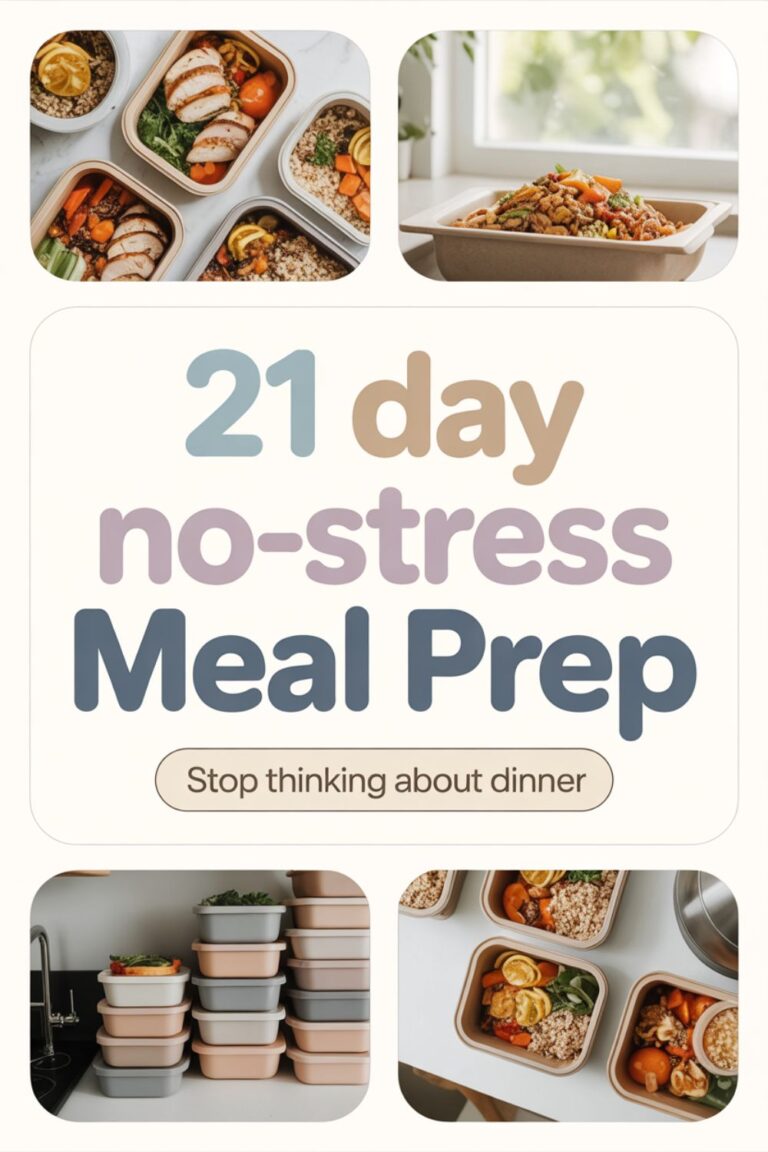
21-Day No-Stress Meal Prep Plan
21-Day No-Stress Meal Prep Plan: Your Complete Guide to Easy Weekly Meals 21-Day No-Stress Meal Prep Plan Look, I get it. The thought of spending your entire Sunday meal prepping for the week sounds about as appealing as doing your taxes while stuck in traffic. But here’s the thing—what if I told you that three…
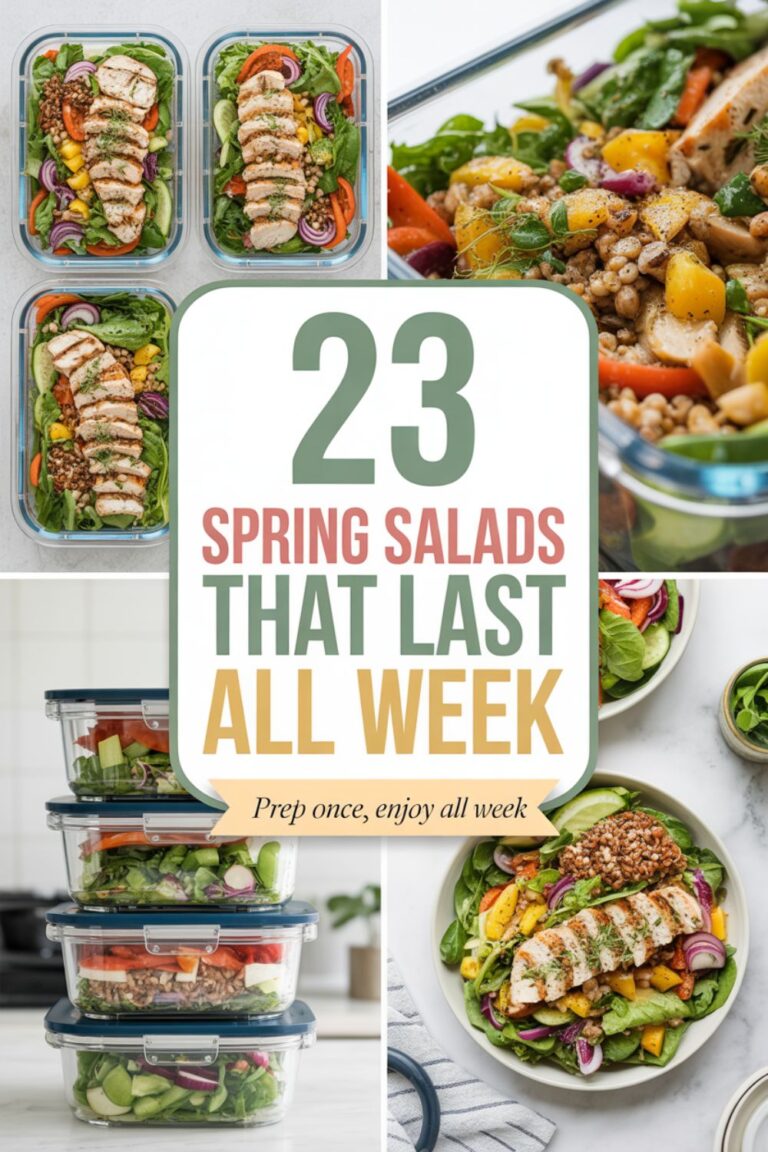
23 Spring Salads That Last All Week
23 Spring Salads That Last All Week 23 Spring Salads That Last All Week You know that Sunday evening dread when you realize you have zero lunch options lined up for the week? Yeah, I’ve been there too many times. But here’s the thing about spring salads—they’re not just rabbit food in a bowl. When…
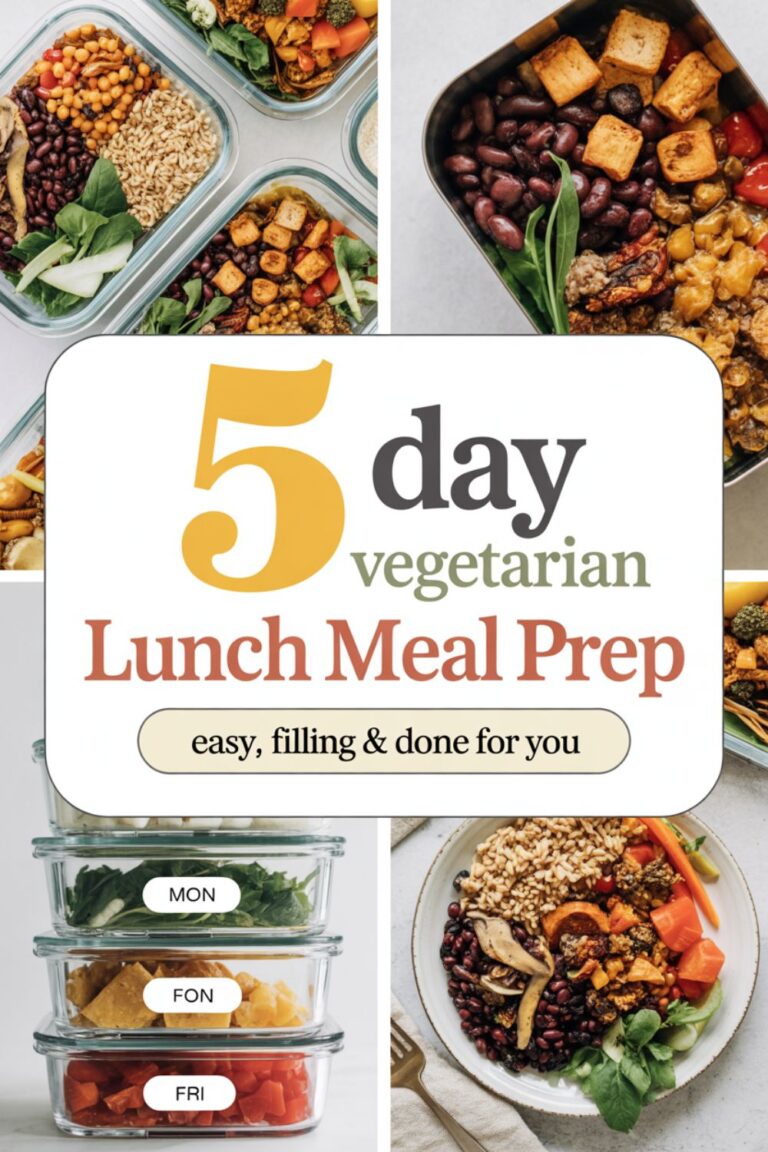
5-Day Vegetarian Lunch Meal Prep That Fills You Up
5-Day Vegetarian Lunch Meal Prep That Fills You Up | Complete Guide 5-Day Vegetarian Lunch Meal Prep That Fills You Up Your no-stress guide to weekday lunches that actually satisfy Look, I get it. You’ve tried meal prepping before. Sunday afternoon rolled around, you felt motivated, chopped a million vegetables, and by Wednesday you were…
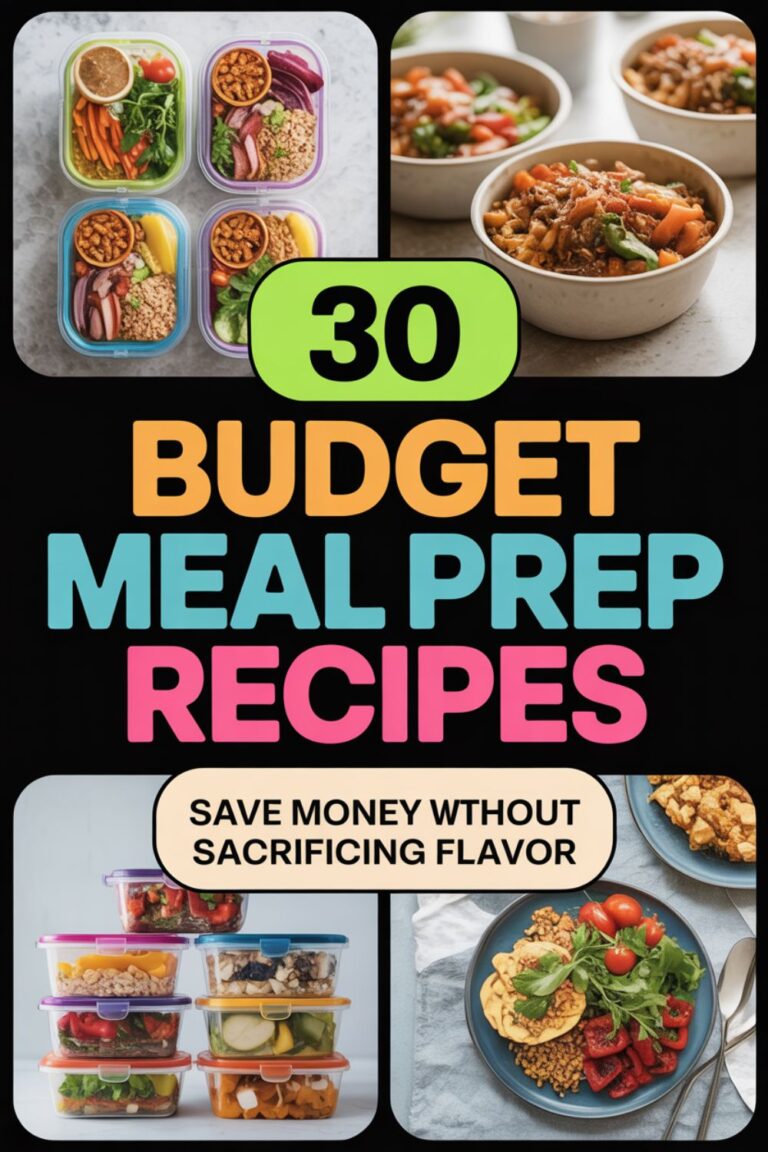
30 Budget Meal Prep Recipes to Save Money
30 Budget Meal Prep Recipes to Save Money | TheMealEdit 30 Budget Meal Prep Recipes to Save Money Published by TheMealEdit | Last Updated: January 2026 Look, I’m not going to lie to you—meal prepping on a budget changed everything for me. Not in some dramatic overnight transformation way, but in the quiet, unglamorous way…
25 Healthy Easter Leftover Meal Prep Ideas
25 Healthy Easter Leftover Meal Prep Ideas 25 Healthy Easter Leftover Meal Prep Ideas So Easter happened, and now you’re staring at a fridge packed with ham, deviled eggs, asparagus, and enough chocolate to fuel a small village. Before you start feeling guilty about the excess or worse, let that gorgeous glazed ham turn into…