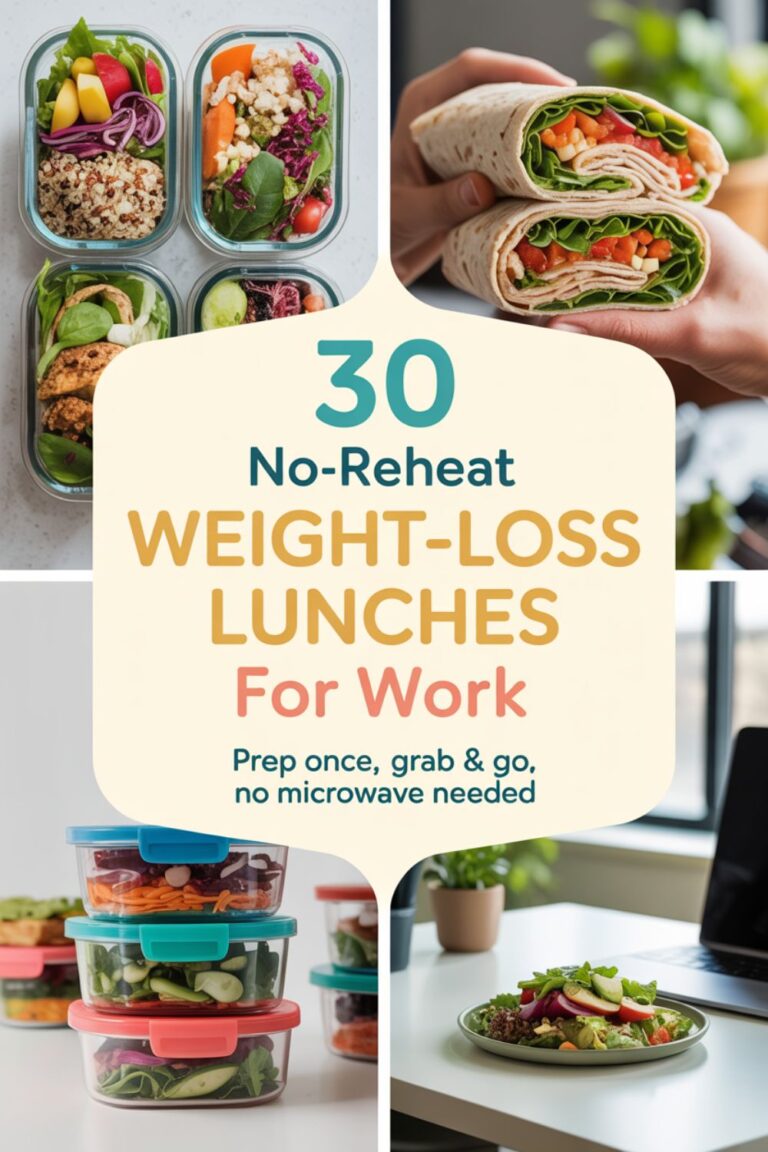
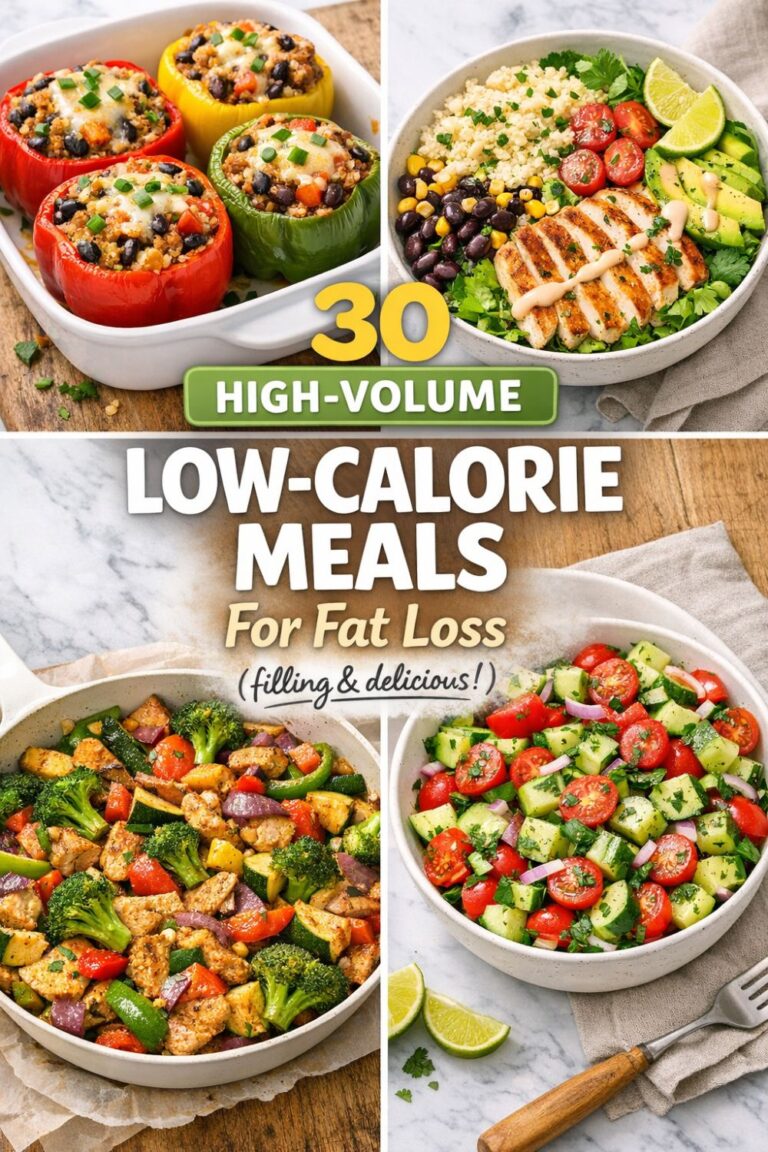
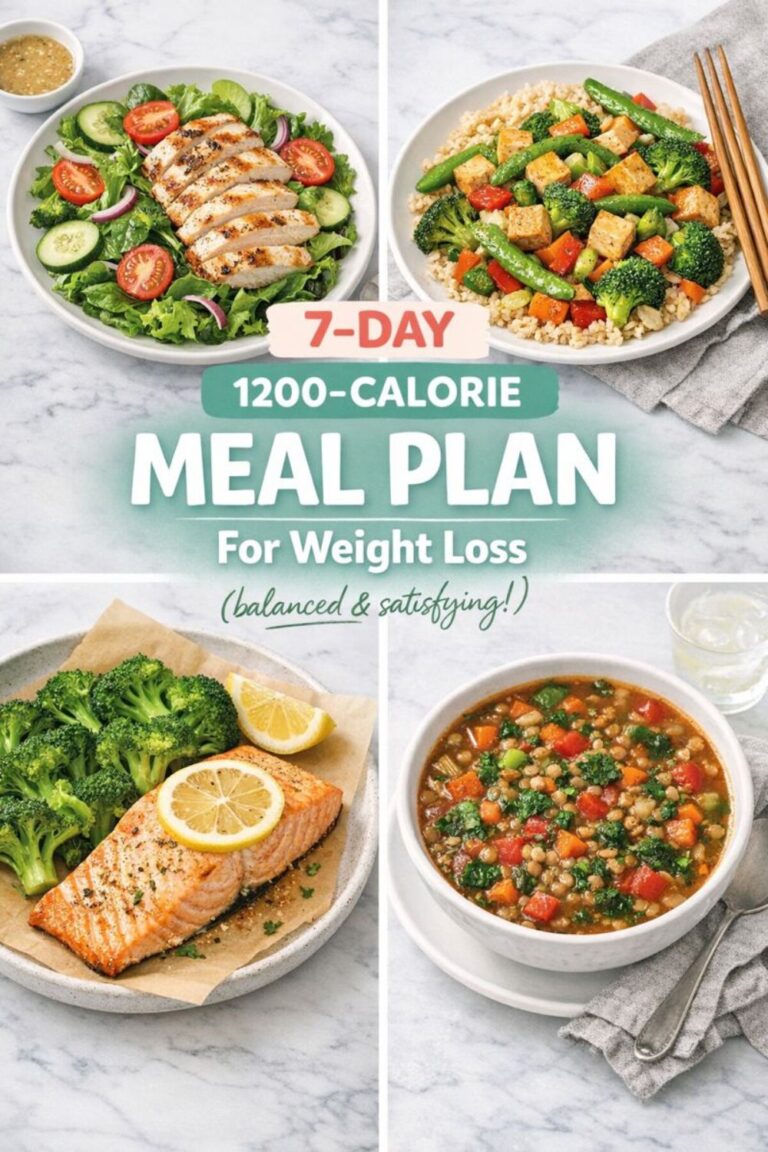
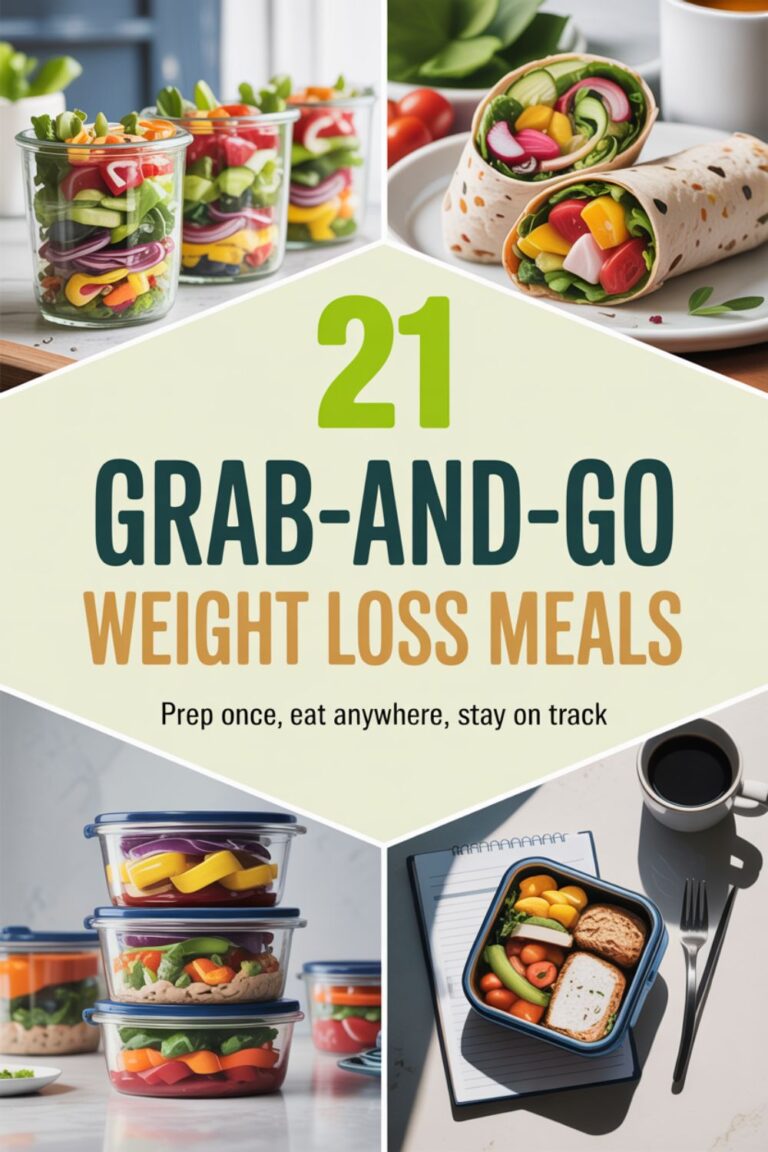
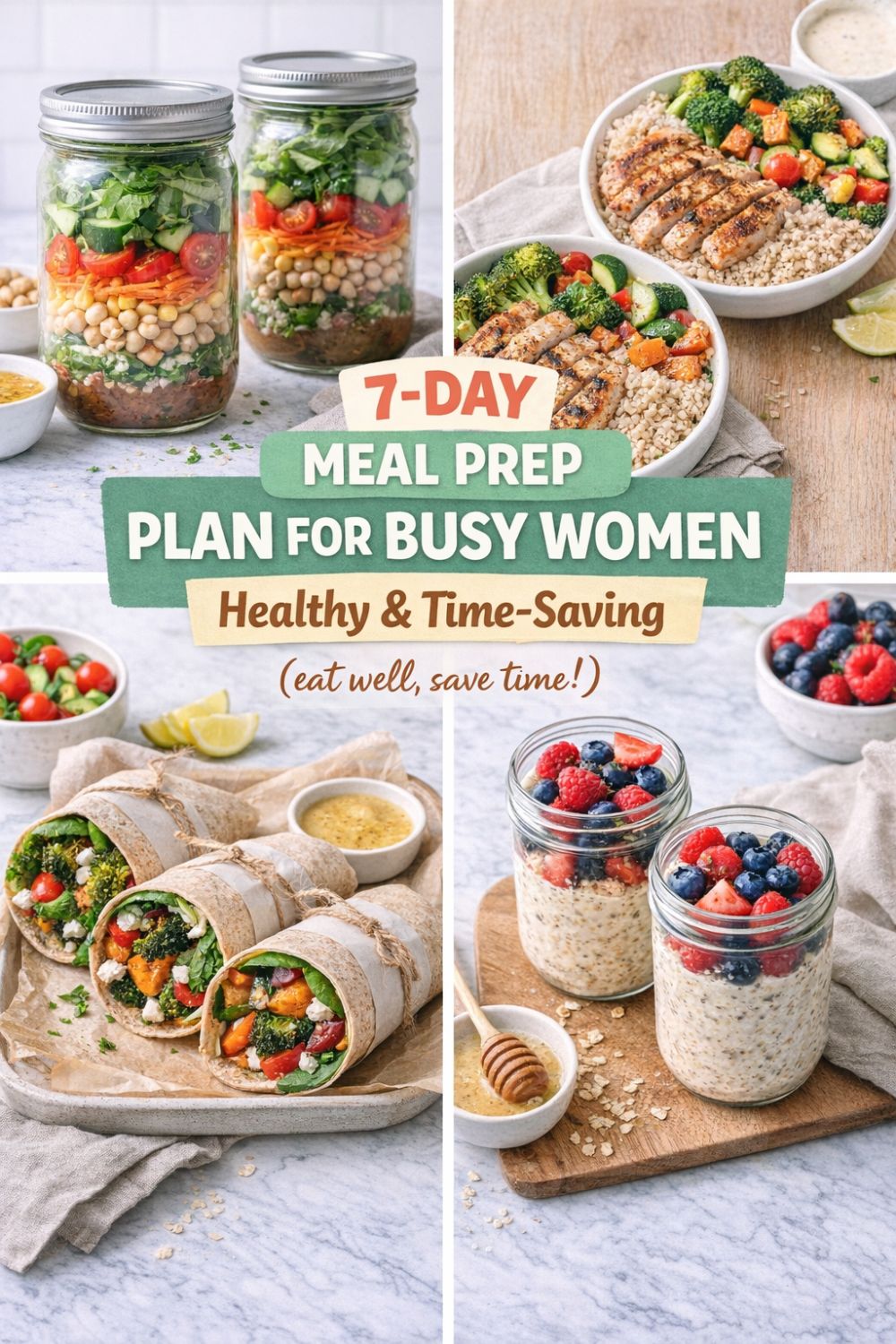
7-Day Meal Prep Plan for Busy Women
Let me guess—you’re standing in front of your fridge at 7 PM on a Tuesday, staring at a wilted salad and wondering how dinner became this complicated. I’ve been there. That moment when ordering takeout feels like the only option because your brain is fried and cooking sounds like climbing Everest in flip-flops.
Here’s the thing about meal prep: it’s not about becoming some Instagram-perfect food blogger with matching containers and color-coordinated vegetables. It’s about reclaiming your evenings and actually eating food that makes you feel good. Research shows that people who plan their meals tend to eat more fruits and vegetables, have better diet quality, and even maintain healthier body weights.
This week-long plan isn’t going to ask you to spiralize zucchini or make your own almond milk. Instead, I’m giving you a realistic, doable system that actually fits into a life where you’re juggling work, maybe kids, social plans, and the occasional desire to watch Netflix without guilt.
Why Meal Prep Actually Works (When You Do It Right)
I used to think meal prep was this mystical practice reserved for people who had their life together. Spoiler alert: those people don’t exist. What does exist are busy women who figured out that spending two hours on Sunday beats spending seven stressed-out hours during the week figuring out dinner.
The science backs this up too. Harvard’s Nutrition Source explains that planning your meals ahead helps you make better food choices because you’re not operating from a place of hunger and desperation. When you meal prep, you’re making decisions with your rational brain, not your hangry brain that wants pizza and ice cream.
But here’s what nobody tells you: meal prep doesn’t mean eating the same boring chicken and broccoli for seven days straight. It means having building blocks ready so you can actually enjoy variety without the daily cooking marathon.
Think of meal prep as your future self’s love language. You’re basically being really nice to Future You, who will be tired and hungry and incredibly grateful that Past You had their back. For more inspiration on keeping breakfast simple and protein-packed, check out some high-protein breakfast ideas.
The Game Plan: Setting Yourself Up for Success
Before we talk about what you’re actually going to cook, let’s talk strategy. The biggest meal prep mistake I see people make is treating it like you’re preparing for a zombie apocalypse. You don’t need to cook everything in existence. You need a solid foundation.
Start with these three categories: proteins, grains, and vegetables. That’s it. When you have these ready to go, you can mix and match throughout the week without eating identical meals. One day it’s chicken with quinoa and roasted veggies. The next day, that same chicken becomes a wrap with different toppings.
The Equipment You Actually Need
Let’s talk containers because this matters more than you’d think. I use glass meal prep containers for everything because they don’t get gross and stained like plastic ones do. You can microwave them, they’re dishwasher safe, and they don’t make your food taste like last week’s marinara sauce.
You’ll also want a decent sheet pan for roasting. I’m talking about the kind that doesn’t warp in the oven and turn your vegetables into a sad, uneven mess. And honestly, a good chef’s knife will change your life. Chopping vegetables with a dull knife is why people hate cooking.
Premium Glass Meal Prep Container Set (10-Pack)
These are the containers I actually use every single week. They’re leak-proof, microwave and dishwasher safe, and the glass doesn’t stain or hold odors. The snap-lock lids actually stay on (yes, that’s rare), and they stack perfectly in the fridge.
For storing your prepped ingredients, these airtight food storage containers keep everything fresh without taking up your entire fridge. And if you’re batch cooking grains like I recommend, a rice cooker is one of those set-it-and-forget-it tools that just works.
Your Day-by-Day Meal Prep Blueprint
Sunday: The Foundation Day
This is where the magic happens. Set aside about two hours on Sunday afternoon. Put on a podcast, pour yourself some wine if that’s your thing, and get cooking. You’re not making seven different meals—you’re making components.
Protein Prep: Roast 2-3 pounds of chicken breasts seasoned with olive oil, garlic powder, salt, and pepper. Bake at 400°F for about 25 minutes. While that’s cooking, pan-sear some salmon fillets if you eat fish. Season simply—you’ll add different flavors throughout the week.
Grain Station: Cook a big batch of quinoa and brown rice. I use my instant pot for this because it’s literally foolproof. Quinoa takes 1 minute at high pressure, rice takes 22 minutes. Both come out perfect every time.
6-Quart Programmable Instant Pot
This thing has saved me countless hours. Set it and walk away—no babysitting pots on the stove. Perfect rice, tender chicken, and even hard-boiled eggs that actually peel easily. If you only buy one kitchen gadget this year, make it this one.
Veggie Prep: This is where that sheet pan earns its keep. Chop up bell peppers, zucchini, Brussels sprouts, and sweet potatoes. Toss with olive oil and roast at 425°F for 20-25 minutes. The caramelization makes everything taste better.
🎯 Join Our Meal Prep Community
Want weekly meal prep tips, grocery lists, and recipe swaps delivered straight to your phone? Join our WhatsApp community where hundreds of busy women share their wins, struggles, and favorite shortcuts. It’s free, supportive, and actually helpful—no spam, just real meal prep talk.
Looking for more ways to use those prepped proteins? This Mediterranean grilled chicken works perfectly with your Sunday batch, and these quinoa power bowls are endlessly customizable with whatever vegetables you’ve roasted.
🎯 Complete Meal Prep Planner & Grocery List Bundle
Stop winging it every week. This printable planner includes 4 weeks of mix-and-match meal plans, portion guides, and automated grocery lists. Plus, you get our famous “Sunday Prep Checklist” that keeps you on track.
Monday: The Fresh Start
You’ve got your components ready, so Monday is easy mode. Grab your chicken, quinoa, and roasted vegetables. Add some fresh spinach if you’re feeling fancy. Dress it with olive oil and lemon juice. Done. This is your baseline meal that you can modify throughout the week.
For breakfast, overnight oats are your best friend. Mix oats with almond milk (or regular milk, or whatever milk alternative you prefer), add some chia seeds, and let it sit in the fridge overnight. In the morning, top with fresh berries and a drizzle of honey. Get Full Recipe.
Tuesday: Mix It Up
Take that same chicken you prepped on Sunday and turn it into something completely different. Shred it and make chicken tacos with those bell peppers you roasted. Add some salsa, a squeeze of lime, and boom—new meal, zero extra cooking.
This is also a good day to utilize your food processor if you have one. Make a quick hummus by blending chickpeas, tahini, lemon juice, and garlic. Use it as a dip for raw veggies or spread it on whole grain bread for a quick snack.
12-Cup Food Processor with Multiple Blades
Worth every penny. This beast chops vegetables in seconds, makes nut butters, blends hummus smoother than store-bought, and even kneads dough. The wide feed tube means you’re not pre-cutting everything into tiny pieces first.
Wednesday: The Midweek Reset
By Wednesday, you might need to refresh a few things. Studies on meal preparation suggest that having fresh elements mid-week helps maintain interest in home-cooked meals and prevents that “ugh, not this again” feeling.
This is where I usually make a big salad for lunch using that salmon you prepped. Add some of your cooked quinoa, whatever roasted vegetables are left, some cherry tomatoes, and a simple vinaigrette. If you haven’t tried making your own salad dressing, it’s literally just oil, vinegar, and whatever seasonings you want. Save yourself the money and skip the bottled stuff.
For dinner, use those sweet potatoes you roasted to make loaded sweet potato boats. Reheat them, top with black beans, a bit of cheese, and some salsa. Throw it under the broiler for a few minutes until everything’s hot and slightly crispy on top.
If you’re craving something lighter mid-week, try this Greek yogurt parfait for breakfast or this Mediterranean chickpea salad that comes together in minutes.
Thursday: Keep It Simple
You’re almost there. Thursday is not the day to get ambitious. Use what you have. Make a grain bowl with brown rice, any remaining proteins, and those vegetables. Add an egg on top if you want—a fried egg makes everything feel like a real meal even when you’re basically eating leftovers.
The beauty of meal prep is that by Thursday, you’re just assembling, not cooking. Heat things up in your microwave-safe containers and you’re eating within five minutes. That’s faster than delivery and probably cost you about three dollars.
Friday: Fresh Food Friday
Here’s where I give you permission to eat out or order in. You’ve cooked four days worth of meals. You’ve earned this. Or, if you’re on a roll, make something quick and fresh with ingredients that don’t require prep—like a rotisserie chicken from the store with a bagged salad. No judgment here.
Sometimes the best meal prep is knowing when to give yourself a break. The goal isn’t perfection; it’s sustainability. If Friday means pizza night with friends, that’s still a win because you ate well Monday through Thursday.
Weekend Flexibility
Weekends are for experimenting or eating out. Use Saturday to try a new recipe without pressure. Sunday evening, you start the cycle again. But here’s the secret: each week gets easier because you’re building habits and learning what works for you.
Consider making a batch of these meal prep breakfast burritos for grab-and-go mornings, or prep some high-protein snack boxes to keep your energy steady throughout the week.
The Protein Puzzle: Options Beyond Chicken
Let’s be real—chicken is cheap and easy, but eating it seven days a week will make you want to become a vegetarian. Variety matters, both for your sanity and your nutrition. Research indicates that greater food variety in meal planning correlates with better nutrient intake and improved diet quality.
Salmon or other fish: Cooks fast, tastes different from chicken, and the omega-3s are actually good for you. Season it simply and it’ll work in bowls, salads, or tacos.
Ground turkey: Make meatballs, burger patties, or just season it for taco meat. It’s lean, it’s versatile, and it’s usually on sale somewhere.
Eggs: Hard boil a dozen on Sunday. They’re perfect for snacks, breakfast, or chopped into salads. Plus, they’re one of the most affordable proteins you can buy.
Plant-based options: Chickpeas, black beans, lentils—these are criminally underrated. They’re cheap, they keep forever, and they’re packed with fiber. Roast chickpeas with some spices and they become an addictive snack that’s way better than chips.
When comparing protein sources, consider this: a cup of cooked lentils has about 18 grams of protein and 16 grams of fiber, while the same amount of chicken breast has 43 grams of protein but zero fiber. Both have their place. Variety wins.
📋 50 High-Protein Meal Prep Recipes eBook
Never run out of protein ideas again. Each recipe includes macros, prep time, and storage instructions. From breakfast to dinner, these recipes are tested by real busy women who actually meal prep.
Carbs Aren’t the Enemy: Smart Grain Choices
Can we stop demonizing carbohydrates? Your brain literally runs on glucose. The issue isn’t carbs; it’s the quality of carbs you choose. Quinoa and brown rice aren’t just trendy—they’re nutrient-dense, filling, and they actually keep you satisfied.
Quinoa: This is technically a seed, which is why it has more protein than most grains. It’s also a complete protein, meaning it contains all nine essential amino acids. Compared to white rice, quinoa has double the protein and five times the fiber.
Brown rice: Takes longer to cook than white rice but keeps you full longer. The fiber slows down digestion, which means you won’t crash an hour after eating.
Sweet potatoes: Nature’s comfort food. They’re packed with vitamin A, they taste amazing, and they’re versatile enough for breakfast, lunch, or dinner.
Whole grain pasta: If you’re not ready to give up pasta (and who could blame you), switch to whole grain. It has more fiber and protein than regular pasta, and honestly, once you add sauce, you won’t notice the difference.
The best part about prepping grains in bulk is that they reheat beautifully. Use them in these Mediterranean grain bowls, or try this spicy brown rice and black bean bowl that uses your Sunday rice stash.
Vegetables: How to Not Hate Them
If you think you hate vegetables, you probably just haven’t had them cooked properly. Steamed broccoli is sad. Roasted broccoli with olive oil, garlic, and a squeeze of lemon? That’s something you’d actually want to eat.
The secret is in the cooking method. Roasting vegetables at high heat caramelizes their natural sugars, making them sweet and slightly crispy. This is why restaurant vegetables taste better than yours—they’re not being gentle with them.
Brussels sprouts: Halve them, toss with olive oil and salt, roast until they’re crispy on the edges. People who “hate” Brussels sprouts usually love them this way.
Cauliflower: Roast it with curry powder and it tastes nothing like that bland white vegetable you remember from childhood. You can also rice it in your food processor as a lower-carb rice substitute.
Bell peppers: These are sweet when roasted and add color to literally everything. Plus they’re full of vitamin C—more than oranges, actually.
Leafy greens: Keep a container of pre-washed spinach or arugula in your fridge. It’s your insurance policy for adding nutrients to any meal. Wilt it into pasta, throw it into scrambled eggs, or use it as a base for grain bowls.
Snacks That Won’t Derail Your Progress
The 3 PM snack attack is real. This is when most meal prep plans fall apart because nobody thinks about snacks until they’re already hangry and staring into a vending machine.
Prep some protein-heavy snacks on Sunday and your future self will thank you. Greek yogurt with berries, hummus with carrot sticks, apple slices with almond butter—these aren’t exciting, but they work.
I keep small snack containers filled with mixed nuts, dried fruit, and dark chocolate chips. It’s basically homemade trail mix that costs a fraction of the store-bought version and has less sugar.
Energy balls are another option if you don’t mind a little prep work. Blend dates, nuts, and cocoa powder in your food processor, roll into balls, and store in the fridge. They satisfy sweet cravings without the sugar crash.
🍱 The Ultimate Meal Prep Container Guide + Label Templates
Tired of mystery leftovers? This digital guide shows you exactly which containers to use for each food type, plus you get 100+ printable labels and date stickers. Never waste food again because you forgot what’s in that container.
Speaking of smart snacking, these protein energy bites are perfect for afternoon hunger, and this roasted chickpea snack mix stays crunchy for days in an airtight container.
The Meal Prep Mistakes I Wish Someone Had Warned Me About
I’ve made every meal prep mistake in the book, so let me save you some grief. First mistake: making everything on Sunday and expecting it to taste good by Friday. Some things don’t age well. Lettuce gets soggy, avocados turn brown, and cooked fish starts to smell questionable by day four.
Solution? Keep some ingredients fresh. Buy a rotisserie chicken on Wednesday if your Sunday chicken is gone. Pick up fresh salad greens mid-week. Meal prep doesn’t mean you never go to the grocery store again—it means you go less often and with a plan.
Second mistake: not seasoning properly. Salt makes food taste like food. Herbs and spices make food taste interesting. Don’t be afraid of flavor just because you’re eating healthy. My spice drawer has become my best friend in this process.
Third mistake: trying to make Pinterest-perfect meals. Those beautifully arranged mason jar salads? They’re Instagram bait. Real meal prep is about function, not aesthetics. Use whatever containers you have. Eat food that tastes good, not food that looks good in photos.
Making It Work with a Family
Meal prepping when you’re cooking for yourself is one thing. Adding kids or a partner into the mix is another level of complexity. Here’s what actually works: prep components, not complete meals.
When you have cooked chicken, rice, and vegetables ready, each person can build what they want. Your kid wants chicken nuggets with ketchup? Fine, use that chicken you prepped. Your partner wants a burrito bowl? Also fine—same ingredients, different presentation.
The trick is creating a foundation that’s flexible enough to accommodate different preferences without making you into a short-order cook. One base protein, a couple grain options, and roasted vegetables can become a dozen different meals depending on how you combine them.
Budget-Friendly Meal Prep Reality Check
Let’s talk money because that’s probably why you’re really here. Meal prep absolutely saves money, but only if you’re smart about it. Buying organic, grass-fed everything will blow your budget fast.
Here’s where to save: buy conventional produce when it makes sense (avocados, bananas, onions), buy meat in bulk when it’s on sale and freeze it, and stop buying pre-cut vegetables. Yes, they’re convenient, but you’re paying double for someone else to chop your carrots.
Shop sales and plan your meals around what’s cheap that week. If chicken thighs are on sale instead of breasts, buy those. If sweet potatoes are three dollars a pound, skip them and get regular potatoes for a dollar.
Frozen vegetables are your secret weapon. They’re flash-frozen at peak ripeness, they’re usually cheaper than fresh, and they won’t rot in your fridge if you don’t use them right away. No shame in keeping a few bags of frozen broccoli or mixed vegetables as backup.
💬 Need More Budget-Friendly Ideas?
Our WhatsApp channel drops exclusive money-saving meal prep hacks every week—think $3 dinners, bulk buying strategies, and the best sales to watch for. Plus, you’ll get instant access to our free meal prep shopping list template. Join the conversation and stop overspending on groceries!
Frequently Asked Questions
How long does meal prepped food actually last in the fridge?
Most cooked proteins and vegetables stay fresh for 3-4 days when stored properly in airtight containers. If you’re prepping for the full week, consider freezing half of your portions or doing a mid-week mini prep session on Wednesday. Fish is the exception—eat it within 2 days max.
Can I meal prep if I don’t have a lot of fridge space?
Absolutely. Focus on prepping ingredients that can be frozen or stored dry, like cooked grains in the freezer and chopped vegetables that you roast as needed. You can also prep just 3-4 days at a time instead of a full week. The goal is to make your life easier, not to stress about storage.
What if I get bored eating the same meals?
This is why I recommend prepping components, not complete meals. When you have cooked chicken, rice, and roasted vegetables, you can make them into a burrito bowl, a stir-fry, a salad, or a wrap depending on what sauces and toppings you add. Same ingredients, totally different flavors.
Do I really need to spend two hours on Sunday?
Not necessarily. Start with one hour and prep just your proteins and one grain. That alone will save you tons of time during the week. As you get more comfortable, you can expand to include more components. Some people prefer to do 30 minutes twice a week instead of one long session—find what works for your schedule.
Is meal prep good for weight loss?
Meal prep can definitely support weight loss goals because you’re controlling portions and ingredients. When you plan meals in advance, you make more thoughtful choices instead of grabbing whatever’s convenient. But it’s not magic—you still need to pay attention to overall calorie intake and choose nutritious foods. The main benefit is that it removes the decision fatigue that often leads to poor food choices.
The Bottom Line: Progress Over Perfection
Look, if you take nothing else from this article, remember this: meal prep isn’t about being perfect. It’s about being prepared enough that your worst day doesn’t derail everything.
Some weeks you’ll nail it—containers lined up, everything portioned, feeling like a meal prep goddess. Other weeks you’ll manage to cook chicken and rice and call it a win. Both are valid. Both are better than winging it every single day and ending up at the drive-through because you’re too tired to think.
The goal is to create a sustainable system that works for your actual life, not some idealized version of it. Maybe you only prep breakfast because mornings are chaos. Maybe you only prep lunches because dinners are family time. Maybe you prep everything because you genuinely enjoy it. All of these approaches are correct if they work for you.
Start small. Pick one meal to prep this week. Just one. Make it something simple that you know you’ll actually eat. Maybe it’s overnight oats for breakfast or a big batch of soup for lunches. Get comfortable with that before adding more.
The compound effect of small, consistent actions is way more powerful than occasional bursts of perfection. Prepping meals three days a week is infinitely better than prepping nothing because seven days feels too overwhelming.
And remember—the first time you come home exhausted on a Wednesday and realize you don’t have to figure out dinner because Past You already handled it? That’s the moment you’ll understand why people become meal prep converts. It’s not about the food, really. It’s about the mental space it gives you back.
You deserve to eat well without it consuming all your free time. You deserve to feel nourished and energized instead of stressed and hangry. And you absolutely deserve to reclaim those evening hours for things you actually want to do—whether that’s working out, reading, seeing friends, or just zoning out in front of Netflix without guilt.
So grab those meal prep containers, pick a Sunday (or whatever day works for you), and start simple. Your future self is already grateful. Trust the process, adjust as you go, and give yourself permission to figure it out as you learn what works.
Meal prep isn’t a diet. It’s not a restriction. It’s a tool that gives you freedom—freedom from decision fatigue, from last-minute stress, from eating things that don’t serve you just because they’re convenient. And honestly? That freedom is worth every minute you spend in the kitchen on Sunday.