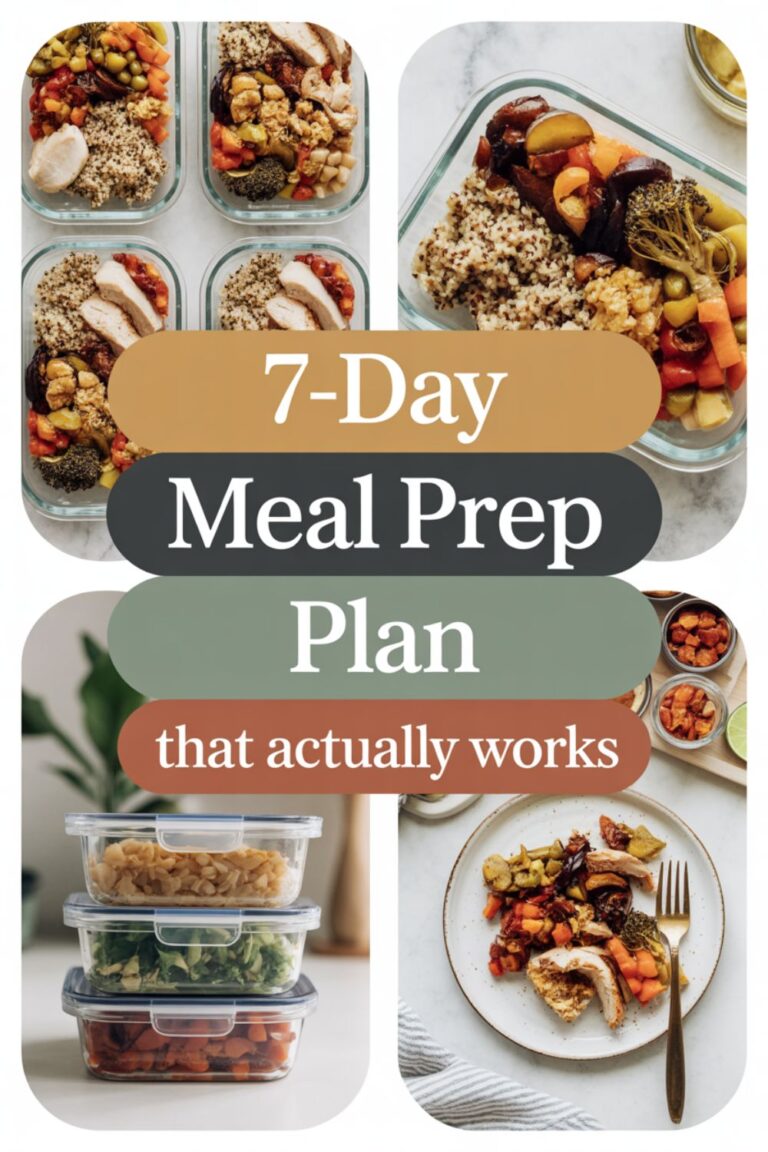
Build Your Perfect 7-Day Meal Prep
Customize your weekly meal plan based on your goals and lifestyle
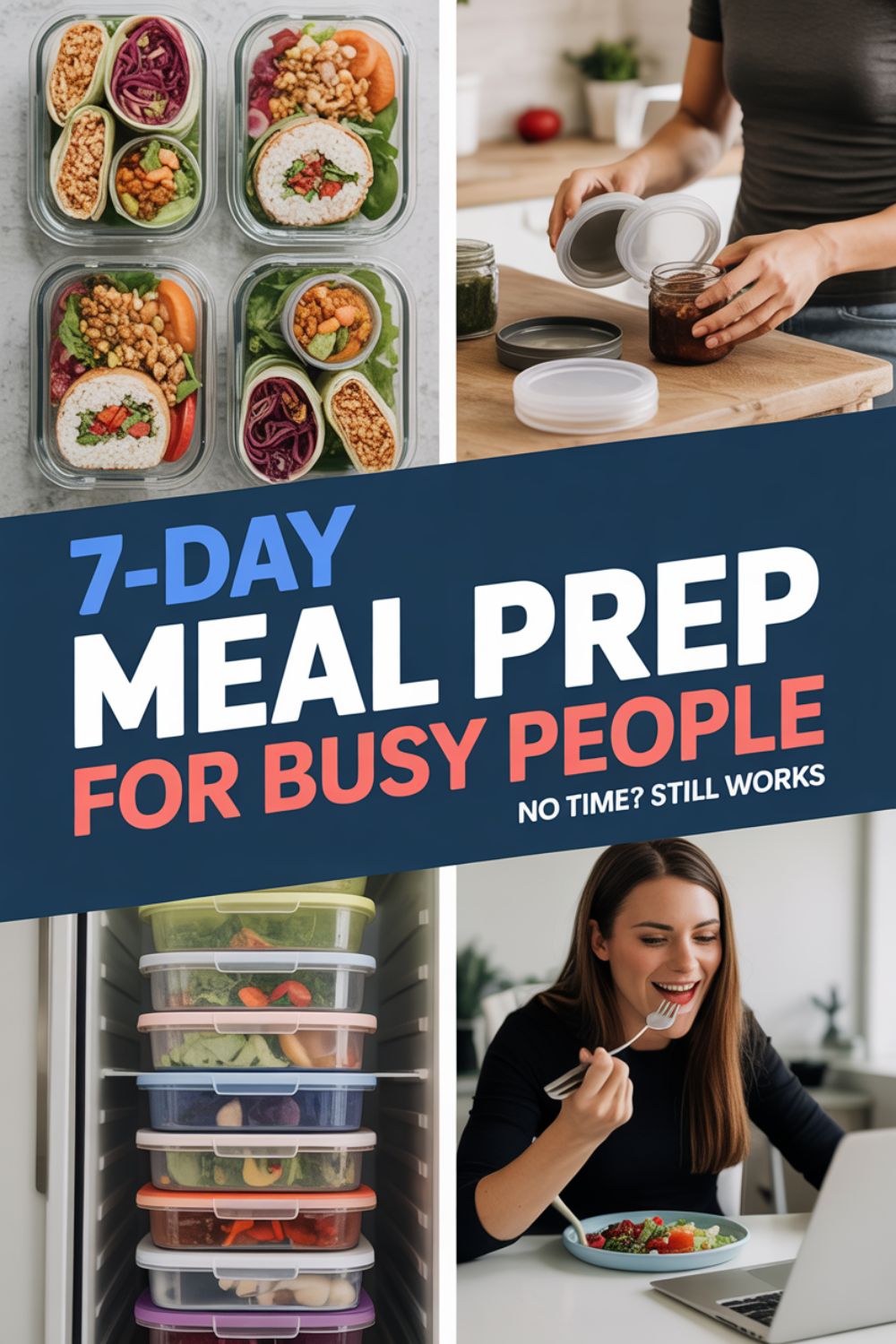
7-Day Meal Prep for Busy People
Look, I get it. You’re staring at your fridge on Sunday night wondering how you’re supposed to eat healthy this week when you barely have time to breathe. Between work deadlines, family responsibilities, and trying to squeeze in some semblance of a personal life, meal prep feels like just another task on an already overwhelming to-do list.
But here’s what I’ve learned after years of helping busy people get their food situation under control: meal prep doesn’t have to be this elaborate, Instagram-worthy production. You don’t need matching glass containers, a perfectly organized fridge, or three hours to spare every Sunday.
What you need is a simple, realistic 7-day plan that actually fits your life. One that won’t fall apart on Wednesday when things get crazy. One that keeps you full, energized, and moving toward your goals without making you feel like you need a culinary degree to pull it off.
That’s exactly what this guide gives you. A complete week of balanced, delicious meals that you can prep in chunks throughout the week. No overwhelm, no waste, no wondering what’s for dinner at 7 PM when you’re already starving.
How This 7-Day Meal Prep Plan Works
This isn’t your typical meal prep approach where you cook everything on Sunday and eat the same reheated chicken for five days straight. I’ve designed this plan around how real people actually live and eat during a busy week.
The strategy is simple: we’re breaking your prep into two sessions. You’ll do about an hour of prep on Sunday to knock out the foundation, then a quick 20-minute refresh mid-week on Wednesday. This keeps your food fresh, your taste buds happy, and your schedule manageable.
The Sunday Session
On Sunday, you’ll prep the building blocks that make the first half of your week effortless. We’re talking batch-cooked proteins, chopped vegetables, cooked grains, and a few grab-and-go breakfast options. Nothing fancy, just solid foundations that you can mix and match throughout the week.
According to the latest Dietary Guidelines for Americans, prioritizing high-quality proteins and nutrient-dense whole foods is key to sustainable health. That’s exactly what we’re building into this plan.
The Wednesday Refresh
Wednesday evening, you’ll spend about 20 minutes prepping fresh components for Thursday through Sunday. This keeps everything tasting restaurant-quality rather than like it’s been sitting in your fridge for a week. Plus, it breaks up the work so you’re not exhausted from a marathon Sunday cooking session.
The beauty of this approach is flexibility. Got a dinner invite on Friday? No problem. Skip that day’s prep and pick back up on Saturday. Your food won’t go bad, and you won’t feel like you wasted effort or money.
Pro Tip: Before you start cooking, spend five minutes clearing counter space and getting all your storage containers out. Having a clean workspace and your containers ready to go makes the entire process flow faster and feels way less chaotic.
Your Complete 7-Day Meal Plan
Here’s your full week of balanced, satisfying meals. Each day is designed to keep you energized, prevent that mid-afternoon crash, and actually taste good enough that you’ll look forward to eating it. Protein amounts are included so you can track your intake if that’s important to your goals.
Day 1 – Monday
Day 2 – Tuesday
Day 3 – Wednesday
Quick Swap Options
Not a fan of fish? Swap the salmon or cod for grilled chicken breast or turkey tenderloin. Both work perfectly with the same vegetable sides.
Vegetarian alternative: Replace any animal protein with tempeh, extra-firm tofu, or a combination of lentils and quinoa to hit similar protein targets.
Short on time? Use a rotisserie chicken for the first three days. Shred it Sunday night and you’ve got protein ready to go for multiple meals.
Day 4 – Thursday
Day 5 – Friday
Day 6 – Saturday
Day 7 – Sunday
Week 1 Prep Checklist
Sunday Prep (60 minutes):
- Cook 4-6 chicken breasts and 1 lb ground turkey
- Bake 2 lbs salmon fillets
- Hard boil 8-10 eggs
- Cook 3 cups quinoa and 2 cups brown rice
- Chop vegetables: bell peppers, cucumbers, carrots, broccoli
- Prepare overnight oats for two mornings
- Make egg white muffins
Wednesday Refresh (20 minutes):
- Cook remaining proteins for Thursday-Sunday
- Prep fresh salad components
- Make protein energy balls
Speaking of balanced meals, if you’re looking for even more variety throughout the month, check out our 30-day weight loss meal plan that actually works. It takes this same realistic approach and scales it up for a full month of no-stress eating.
What You’ll Eat: The Building Blocks
Let me break down the core components of this plan so you understand what makes it work. This isn’t random meals thrown together. Every element serves a purpose in keeping you satisfied, energized, and moving toward your goals.
High-Quality Proteins at Every Meal
You’ll notice every single meal includes a solid protein source. This is intentional. Protein keeps you full, helps maintain muscle mass during weight loss, and requires more energy to digest than carbs or fats. The new USDA Dietary Guidelines emphasize protein at every meal, recommending 1.2-1.6 grams per kilogram of body weight daily.
We’re rotating through chicken, turkey, fish, eggs, and plant-based options like chickpeas and lentils. This variety ensures you’re getting different amino acid profiles and keeps your meals from getting boring.
Vegetables That Actually Taste Good
I’m not going to lie to you and say steamed broccoli is exciting. But roasted broccoli with a little olive oil, garlic, and sea salt? That’s a different story. Every vegetable in this plan is prepared in a way that maximizes flavor while keeping prep simple.
You’re getting a rainbow of vegetables throughout the week: dark leafy greens for iron and calcium, colorful bell peppers for vitamin C, cruciferous vegetables for fiber and antioxidants. The CDC recommends washing all produce thoroughly before eating, which we’ll cover in the food safety section.
Smart Carbohydrates for Sustained Energy
Carbs aren’t the enemy. The right carbs at the right portions are essential for energy, especially if you’re active. This plan focuses on whole grains like quinoa, brown rice, and whole wheat, plus starchy vegetables like sweet potatoes.
These complex carbohydrates digest slowly, preventing blood sugar spikes and crashes. You won’t hit that 3 PM wall where you’re ready to face-plant into your keyboard.
Pro Tip: Cook your grains in low-sodium chicken or vegetable broth instead of water. It adds incredible flavor without extra calories or prep time. This one simple swap makes a huge difference in how excited you are to eat your meals.
If you’re specifically focused on staying full while cutting calories, our 21 low-calorie meals that keep you full guide has tons of additional recipes that follow the same satisfying approach.
Healthy Fats That Support Your Goals
Avocado, nuts, olive oil, fatty fish—these aren’t just delicious, they’re essential. Healthy fats help absorb fat-soluble vitamins, support hormone production, and yes, keep you satisfied between meals.
Each day includes measured portions of healthy fats strategically placed where they make the most impact. Your morning parfait has almonds. Your lunch salad has avocado. Your dinner salmon provides omega-3s.
Meal Prep & Kitchen Setup That Makes Life Easy
Here’s where most meal prep guides lose me. They assume you have a professional kitchen and unlimited time. This section is about working with what you actually have and making the process as painless as possible.
The Essential Equipment You Actually Need
Forget the fancy gadgets. Here’s what genuinely makes meal prep easier:
Good storage containers are non-negotiable. I prefer glass meal prep containers with locking lids because they’re microwave-safe, don’t stain, and you can see what’s inside. Get at least 10-12 containers in various sizes. The rectangle ones with dividers are perfect for complete meals.
A quality chef’s knife cuts your prep time literally in half. You don’t need an expensive set—one good 8-inch chef’s knife that you keep sharp will do more for your efficiency than any other tool.
Two solid rimmed baking sheets let you roast multiple components simultaneously. I use one for proteins and one for vegetables, both going in the oven at the same time. Game changer.
The 90-Minute Sunday Blueprint
Here’s exactly how I structure Sunday prep to get everything done without losing your mind. Following proper food safety guidelines is critical during this process.
Minutes 0-15: Setup and protein start. First, wash your hands thoroughly with soap and warm water for at least 20 seconds. Clear your counters. Get out all containers. Start any proteins that need longest cooking time—usually your batch chicken breasts in the oven at 375°F.
Minutes 15-30: Grain preparation. While chicken cooks, start your grains on the stovetop. Quinoa and brown rice can simmer while you handle other tasks. Set a timer so you don’t forget about them.
Minutes 30-50: Vegetable prep. This is when you become a chopping machine. Put on a podcast or some music you love. Wash all produce under running water, then chop everything: bell peppers, cucumbers, carrots, broccoli. Store raw vegetables separate from cooked foods to prevent cross-contamination.
Minutes 50-70: Assembly and additional cooking. Your chicken should be done. Let it rest while you hard-boil eggs and prepare any other proteins. Use this time to roast vegetables if needed.
Minutes 70-90: Cool down and container filling. Let everything cool to room temperature before sealing containers. Hot food creates condensation, leading to soggy meals. Label containers with contents and date using a dry-erase marker on glass lids—wipes right off when you wash them.
The Wednesday 20-Minute Refresh Strategy
Wednesday evening feels different than Sunday morning. You’re tired, maybe a little burned out from the week. This refresh session is designed to be quick and low-effort while keeping your second half of the week fresh and exciting.
Focus on just three things: one fresh protein (usually fish or lean beef for variety), fresh salad components, and any grab-and-go snacks you’ve run through. That’s it. No pressure to recreate Sunday’s marathon session.
Meal Prep Essentials Used in This Plan
Glass Meal Prep Containers
These 5-compartment glass containers keep foods separated, preventing soggy meals. Dishwasher and microwave safe. The snap-lock lids actually stay sealed in your bag.
Digital Kitchen Scale
A simple food scale takes the guesswork out of portions. Weighing proteins ensures you’re hitting your targets consistently.
Insulated Lunch Bag
An insulated cooler bag with ice packs keeps your prepped meals fresh from breakfast through afternoon snacks.
Weekly Meal Planner Template
This printable meal planning template helps you organize grocery lists, track what you’ve prepped, and plan next week’s rotation.
Macro Tracking App
A nutrition tracking app makes logging meals effortless. Most have barcode scanners and restaurant databases built in.
Meal Prep Recipe Database
Access to a digital recipe collection with hundreds of mix-and-match meal prep ideas keeps your weekly rotation fresh and prevents boredom.
For those following a calorie deficit approach specifically, our 14-day calorie deficit meal plan for women provides a structured two-week approach with detailed macro breakdowns.
Common Mistakes That Kill Results
I’ve watched countless people start meal prep with enthusiasm only to quit after two weeks. Usually it’s not because the concept doesn’t work—it’s because they’ve fallen into one of these traps. Let me save you the frustration.
Mistake #1: Prepping Too Much Food at Once
The Instagram photos of fridges packed with 21 identical meals look impressive, but that’s not sustainable for most people. Food quality degrades. Flavors get boring. You feel trapped by your meal prep instead of freed by it.
This 7-day plan with a mid-week refresh solves that problem. Nothing sits in your fridge for more than four days. Your Thursday salmon tastes fresh because you cooked it Wednesday, not last Sunday.
Mistake #2: Ignoring Food Safety
This is serious. Properly stored cooked chicken lasts 3-4 days in the refrigerator. Fish is even less—2-3 days maximum. The USDA Food Safety guidelines are clear on this.
Always cool food to room temperature before refrigerating, but don’t leave it out for more than two hours. Store raw and cooked foods separately. When reheating, ensure food reaches 165°F internal temperature.
Invest in a instant-read meat thermometer. It’s cheap insurance against foodborne illness and helps you avoid overcooking proteins.
Mistake #3: Not Accounting for Real Life
You will have a last-minute dinner invitation. Your kid will get sick. Work will explode on a random Tuesday. A rigid meal prep plan that doesn’t allow for flexibility is doomed to fail.
Build in buffer meals. If you prep 7 days but only eat 5-6 of them, that’s success, not failure. Freeze extra portions for emergency backup meals. Life happens—your meal prep should accommodate that, not add stress.
Pro Tip: Always prep one extra day’s worth of food beyond what you think you need. Store it in the freezer immediately. When Wednesday hits and you’re too exhausted for the refresh session, you’ve got a backup plan ready to go. This single habit has saved my meal prep routine more times than I can count.
Mistake #4: Choosing Recipes That Don’t Reheat Well
Not all foods are created equal when it comes to meal prep. Crispy things get soggy. Delicate greens wilt into sad mush. Creamy sauces separate and look unappetizing.
The meals in this plan are specifically chosen because they hold up well. Grains stay fluffy. Proteins remain juicy. Roasted vegetables actually taste better on day two after the flavors have married.
Keep delicate items like fresh greens, crunchy toppings, and dressings separate until you’re ready to eat. Pack them in small containers alongside your main meal.
Customizing This Plan for Your Lifestyle
Here’s the truth: no single meal plan works perfectly for everyone right out of the box. Your schedule, preferences, dietary needs, and goals are unique. This section shows you how to adapt this 7-day framework to your specific situation.
Adjusting Calories for Your Goals
The base plan hovers around 1,600-1,800 calories per day, which works for many people in a slight deficit or maintenance. But your needs might be different.
To decrease calories: Reduce grain portions by half and add extra vegetables. Swap some fattier proteins like salmon for leaner options like cod or chicken breast. Keep protein amounts the same—you need that to maintain muscle.
To increase calories: Add another snack, increase grain portions, or add an extra tablespoon of healthy fats to meals. An easy win is adding a handful of nuts to your afternoon snack or an extra serving of avocado at lunch.
Our 7-day 1200-calorie meal plan for weight loss provides a lower-calorie framework if you need more aggressive calorie restriction for your goals.
Making It Work for Dietary Restrictions
Vegetarian adaptation: Replace all animal proteins with combinations of legumes, tofu, tempeh, eggs, and dairy. A half-cup of lentils plus quinoa provides complete protein. Greek yogurt and eggs cover breakfast. Chickpea and black bean bowls handle lunch and dinner.
Dairy-free needs: Swap Greek yogurt for coconut yogurt or dairy-free protein powder smoothies. Use nutritional yeast instead of cheese for that savory flavor. Most of the plan is already dairy-light.
Gluten-free requirements: This plan is naturally easy to modify. Use certified gluten-free oats and swap the few whole wheat items for brown rice, quinoa, or gluten-free bread alternatives.
Time-Saving Hacks for Extra-Busy Weeks
Some weeks you just don’t have time for even a streamlined prep session. Here’s how to make it work anyway:
Buy a rotisserie chicken and pre-washed, pre-chopped vegetables. Yes, they cost more. But compare that cost to ordering takeout three times because you had no food ready. The pre-prepped ingredients still save you money and keep you on track.
Use your slow cooker or Instant Pot for hands-off cooking. Dump in proteins and seasonings before work, come home to fully cooked meals. Our 30 no-reheat weight loss lunches for work includes tons of options that taste great at room temperature.
Prep just breakfast and lunch. Plan simple dinners that take 15-20 minutes. Having two meals handled each day is still a massive win compared to scrambling for all three.
Tools & Resources That Make Meal Prep Easier
Meal Prep Bags with Containers
Complete meal management systems include insulated bag, portion containers, ice packs, and pill organizer. Everything in one package.
Vegetable Chopper
A manual vegetable chopper reduces your knife work by 75%. Perfect cubes of peppers, onions, and carrots in seconds.
Sheet Pan Liners
These reusable silicone baking mats eliminate scrubbing stuck-on food. Nothing sticks, cleanup takes seconds, and they last years.
Grocery Delivery Service
A grocery delivery membership saves the time and mental energy of shopping. Build a saved cart of your weekly staples and reorder with one click.
Recipe Scaling Calculator
This online tool automatically adjusts ingredient quantities when you need to cook for more or fewer people, eliminating math headaches.
Nutrition Database Access
A comprehensive food nutrition database lets you quickly look up calories and macros for any ingredient or restaurant meal.
Looking for meals that travel well and don’t require heating? Check out our collection of 21 grab-and-go weight loss meals perfect for eating at your desk or on the road.
Batch Cooking vs. Fresh Daily: Finding Your Balance
Some people thrive on Sunday batch cooking everything. Others prefer cooking fresh daily but want the shortcuts of prepped ingredients. Most of us need something in between.
This plan’s hybrid approach—batch proteins and grains, fresh vegetables and assembly—hits that sweet spot. But you can slide the scale either direction based on your preferences.
More batch-focused: Cook and assemble complete meals on Sunday and Wednesday. Store them fully assembled. Grab and go all week. Trades some freshness for maximum convenience.
More fresh-focused: Only batch-cook proteins and grains. Chop vegetables fresh each morning. Assemble meals daily. Takes 10 extra minutes per day but everything tastes restaurant-fresh.
Frequently Asked Questions
How long does meal-prepped food stay fresh in the refrigerator?
Cooked chicken and turkey last 3-4 days, fish 2-3 days, and cooked grains up to 5 days when properly stored in airtight containers. This is why the plan includes a Wednesday refresh—to ensure everything you’re eating is fresh and safe. Always smell and visually inspect food before eating, and when in doubt, throw it out.
Can I freeze these meals instead of refrigerating them?
Absolutely! Most of these meals freeze beautifully for up to 3 months. Let food cool completely, portion into freezer-safe containers leaving a bit of room for expansion, and label with contents and date. Thaw overnight in the fridge before reheating. Skip freezing meals with fresh greens or cucumbers—they get mushy when thawed.
What if I don’t like one of the proteins or vegetables in the plan?
Swap it out for something similar! Don’t like salmon? Use chicken breast or tofu. Hate broccoli? Roast green beans or asparagus instead. The structure of the plan—balanced protein, vegetables, and grains at each meal—matters more than the specific ingredients. Make substitutions that keep the nutritional profile similar.
Do I have to prep on Sunday and Wednesday specifically?
Not at all. The two-session approach is what matters, not the specific days. If Monday and Thursday work better for your schedule, do that. Some people prefer Saturday and Tuesday. Choose whatever days give you an hour of relatively calm time to focus.
How do I prevent my meals from getting boring after eating them for several days?
Variety in sauces, seasonings, and toppings makes a huge difference. Cook your proteins plain, then add different flavor profiles when assembling meals. Monday’s chicken gets Greek seasoning, Wednesday’s gets BBQ sauce, Friday’s goes Asian-style with ginger and soy. The base is the same, but the taste completely changes. Also, switching up your vegetables and grains each week prevents monotony.
Your Week Starts Now
Here’s what I want you to remember: meal prep isn’t about perfection. It’s not about having a Pinterest-perfect fridge or never eating out again. It’s about giving yourself one less decision to make during a chaotic week.
This 7-day plan gives you a framework that actually works with real life. Two short prep sessions instead of one exhausting marathon. Fresh food that doesn’t get gross by Thursday. Flexibility when plans change. Meals that taste good enough that you’ll actually want to eat them.
Start with just this week. Pick your two prep days, get your containers ready, and follow the plan. See how it feels. Notice how much mental energy you save when you’re not scrambling to figure out lunch at 11:30 AM or deciding on dinner while standing in front of an empty fridge at 7 PM.
You don’t have to be perfect at this. You just have to start. And then start again next week. That consistency, that showing up for yourself week after week—that’s what creates real change.
Your future self is going to thank you for this. Now go build your grocery list and make it happen.