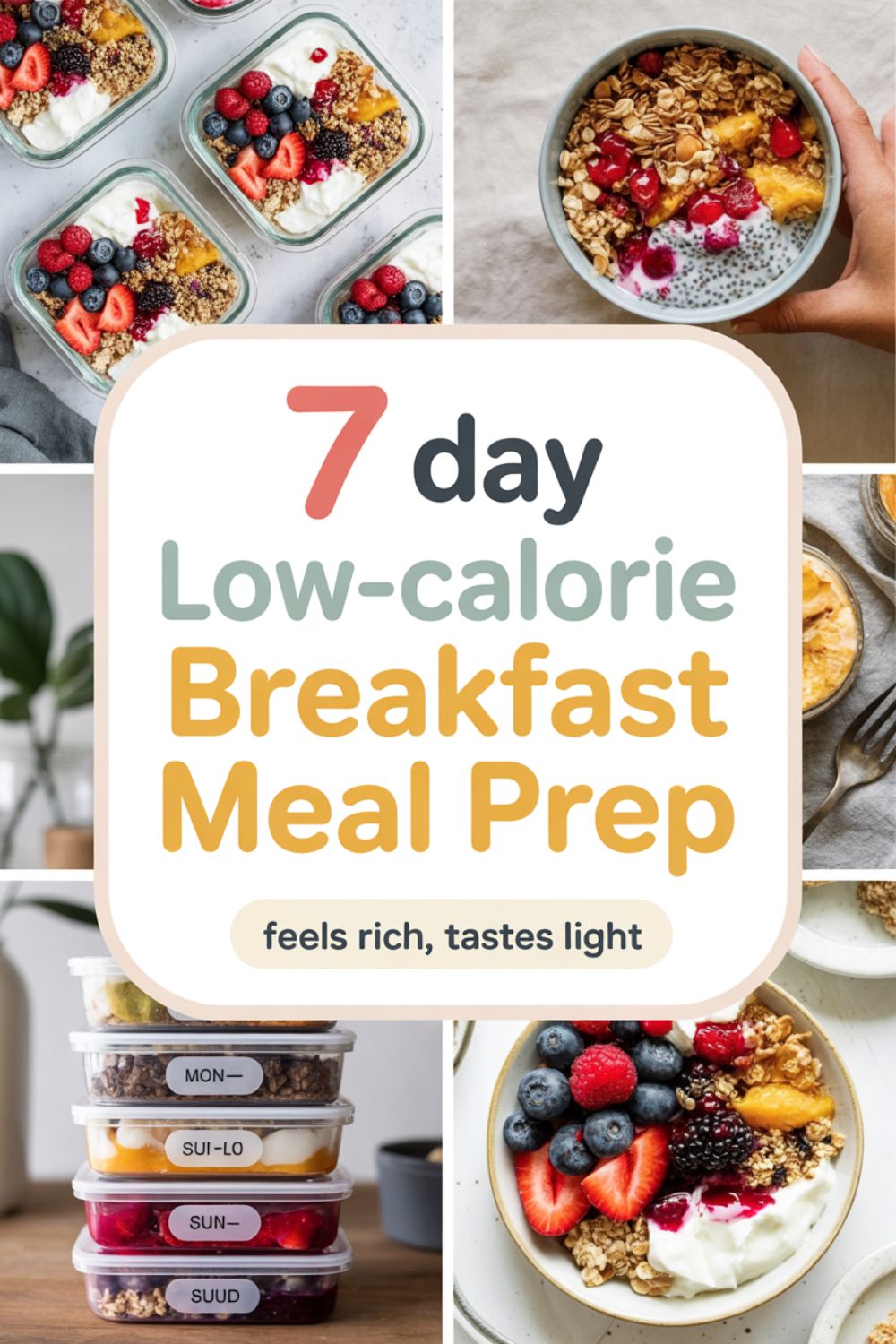
7-Day Low-Calorie Breakfast Meal Prep That Feels Indulgent
You know that feeling when you’re trying to eat better, but every low-calorie breakfast looks about as appealing as cardboard? Yeah, I’ve been there. Staring at plain oatmeal while everyone else is enjoying their fluffy pancakes feels like some kind of dietary punishment. But here’s the thing I learned after months of trial and error: low-calorie doesn’t have to mean low-flavor or low-satisfaction.
I’m talking about breakfasts that actually make you excited to wake up. The kind that have your coworkers asking what smells so good when you heat them up. Breakfasts that keep you full until lunch without that annoying 10 a.m. stomach growl. And the best part? You can prep an entire week in just a couple of hours on Sunday.
This isn’t about restricting yourself or eating boring food. It’s about being smart with ingredients and techniques that maximize flavor while keeping calories in check. Think rich Greek yogurt parfaits, savory egg muffins loaded with vegetables, and yes, even something that tastes suspiciously like dessert for breakfast.
Why Meal Prep Actually Works for Weight Loss
Let’s get real for a second. The reason most of us fail at eating healthy breakfasts isn’t willpower—it’s logistics. You’re half-asleep, running late, and suddenly that drive-through breakfast sandwich seems like the only reasonable option. Decision fatigue is real, especially at 7 a.m.
That’s where meal prep becomes your secret weapon. When you’ve already got five containers of delicious, ready-to-eat breakfast in your fridge, there’s zero friction between you and a healthy choice. No decisions to make, no cooking when you’re barely conscious, just grab and go.
But here’s what really makes it work: research shows that eating a nutritious breakfast helps replenish energy stores and provides vitamins and minerals that keep you full longer. When your breakfast includes the right balance of protein, complex carbs, and healthy fats, you’re not just eating fewer calories—you’re actually satisfied.
The Science Behind Low-Calorie That Doesn’t Feel Low-Calorie
Ever notice how you can eat a massive salad and feel stuffed, but a small bagel leaves you hungry an hour later? That’s called caloric density, and understanding it changes everything about how you approach low-calorie eating.
Foods with low caloric density—think vegetables, fruits, lean proteins, and whole grains—give you volume without packing in tons of calories. You literally get more food on your plate. More chewing, more visual satisfaction, more actual fullness. It’s not a trick; it’s just smart food choices.
Protein deserves its own shoutout here. Studies have demonstrated that eating a protein-rich breakfast reduces hunger hormones and increases satiety signals throughout the day. We’re talking about eating up to 135 fewer calories later without even trying. That’s not restriction—that’s your body naturally regulating itself because you fed it properly.
I started paying attention to this when I noticed my old breakfasts (usually a muffin or cereal) had me raiding the snack drawer by 10 a.m. Once I switched to breakfasts with at least 20 grams of protein and tons of vegetables, suddenly I wasn’t thinking about food every five minutes. Wild how that works.
Volume Eating Is Your Friend
Here’s something nobody tells you: you can triple the size of your breakfast by adding vegetables, and barely touch the calorie count. Spinach, mushrooms, tomatoes, zucchini—these add bulk, nutrients, and actual flavor without derailing your calorie goals.
Take egg muffins, for example. Two eggs alone give you about 140 calories. Add a cup of spinach, some mushrooms, bell peppers, and you’ve got this massive, satisfying breakfast muffin that’s maybe 180 calories. You’ve nearly doubled the volume for 40 extra calories. That’s the kind of math that makes low-calorie eating sustainable.
The 7-Day Low-Calorie Breakfast Blueprint
Alright, let’s get into the actual plan. This isn’t about eating the same boring breakfast seven days in a row. Variety keeps your taste buds happy and ensures you’re getting different nutrients throughout the week.
Day 1 & 2: Protein-Packed Egg Muffins
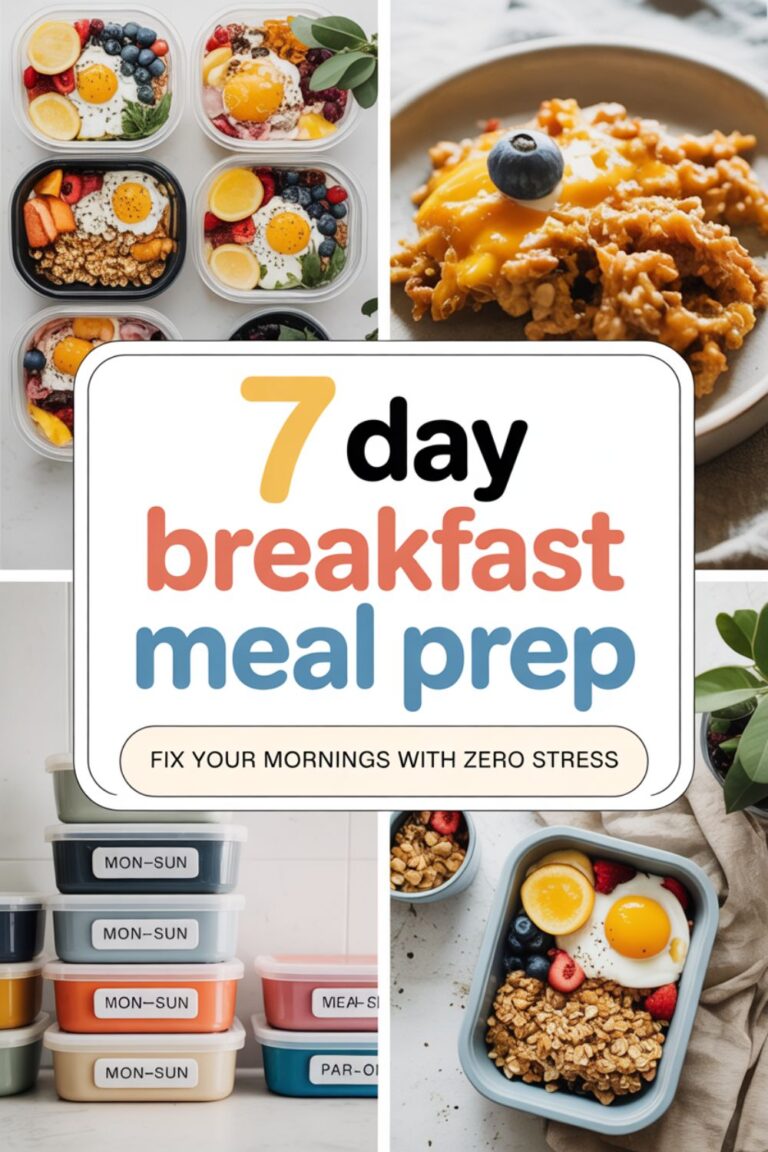
These are absolute game-changers. You make a dozen in a silicone muffin pan (seriously, get silicone—nothing sticks and cleanup is a breeze), and they keep perfectly in the fridge for up to five days.
Whisk together 8 eggs with a splash of milk, season with salt, pepper, and whatever herbs you’re feeling. I usually go heavy on the garlic powder because I’m that person. Then load them up with vegetables—I’m talking diced bell peppers, spinach, mushrooms, maybe some cherry tomatoes. Sprinkle a tiny bit of cheese on top if you want (a little goes a long way for flavor), and bake at 350°F for about 20 minutes.
Each muffin comes in around 70-90 calories depending on what you load them with, and two muffins with a piece of fruit makes a complete breakfast under 250 calories. They reheat in 45 seconds, which means you can literally eat breakfast in your car if needed. Not that I’m advocating that, but life happens.
Day 3 & 4: Berry Blast Overnight Oats
If you haven’t jumped on the overnight oats train yet, what are you waiting for? This is legitimately one of the easiest, most customizable breakfasts that somehow tastes like you spent way more effort than you did.
Basic formula: half a cup of rolled oats, half a cup of unsweetened almond milk, a tablespoon of chia seeds, and a small dollop of Greek yogurt. Mix it all in a mason jar, refrigerate overnight, and wake up to creamy, ready-to-eat oats. The chia seeds bulk it up and add protein without any weird texture.
Top with fresh berries in the morning—strawberries, blueberries, raspberries, whatever’s in season. Berries are low in calories but high in fiber and antioxidants, plus they make your breakfast look Instagram-worthy. A drizzle of honey or a sprinkle of cinnamon takes it from good to actually indulgent.
The whole thing clocks in around 280 calories and keeps you full for hours. For more morning inspiration, you might also love high-protein breakfast bowls or this Mediterranean smoothie bowl that follows a similar make-ahead principle.
Day 5: Savory Breakfast Quinoa Bowl
Stay with me here—quinoa for breakfast might sound weird, but it’s actually incredible. Think of it as a sophisticated alternative to oatmeal that happens to pack 8 grams of complete protein per cup.
Cook your quinoa in vegetable broth instead of water for extra flavor. Top with a poached egg (runny yolk situation, obviously), sautéed spinach, a handful of cherry tomatoes, and maybe some everything bagel seasoning if you’re fancy. The whole bowl is around 320 calories and feels like a proper meal.
I meal prep the quinoa in bulk and keep it in the fridge. In the morning, I just reheat it in a microwave-safe bowl, add my toppings, and I’m basically a gourmet chef with zero effort. Get Full Recipe for the exact measurements and my secret seasoning blend.
Day 6 & 7: Greek Yogurt Parfait Power
This is your dessert-for-breakfast option that somehow still counts as healthy. Plain Greek yogurt is a protein powerhouse—about 20 grams per cup—but I’ll admit, plain yogurt by itself is pretty boring.
Layer it with granola (watch your portions here—granola is sneaky calorie-dense), fresh berries, a drizzle of honey, and maybe some sliced almonds. I prep the yogurt and berries in containers, but keep the granola separate until the morning so it stays crunchy. Nobody wants soggy granola.
Pro move: add a tablespoon of ground flaxseed or chia seeds for extra fiber and omega-3s. You won’t even taste them, but your body will thank you. Total calories hover around 300, and it legitimately tastes like a treat.
Meal Prep Essentials Used in This Plan
Making It Actually Taste Good: Flavor Hacks
Let’s address the elephant in the room: a lot of “healthy” breakfast recipes taste like disappointment. You know the ones I’m talking about—the recipes that promise “tastes just like the real thing” and absolutely do not.
The secret isn’t complicated. It’s about layering flavors and using ingredients that pack a punch without packing in calories. Fresh herbs, spices, citrus zest, hot sauce, good quality vanilla extract—these are your best friends.
Spices Are Free Real Estate
Seriously, most spices have basically zero calories, but they can completely transform a dish. Cinnamon in your oatmeal, smoked paprika in your eggs, everything bagel seasoning on literally anything. I keep a spice rack organizer by my stove because I got tired of digging through the cabinet every morning.
Turmeric, cumin, garlic powder, onion powder, dried herbs—none of these will break your calorie bank, but they’ll make your food taste like you actually know what you’re doing in the kitchen.
The Umami Factor
This is my secret weapon for savory breakfasts. A little soy sauce, some nutritional yeast, a dash of Worcestershire—these add that satisfying, rich flavor that makes food feel indulgent. You’re essentially tricking your brain into thinking you’re eating something way more decadent than you actually are.
Miso paste is another winner. A tiny amount dissolved in your scrambled eggs or mixed into your quinoa adds this depth of flavor that’s hard to describe but impossible to resist. It’s maybe 10 calories for a teaspoon, but it makes the whole dish taste gourmet.
The Prep Session: Sunday Strategy
IMO, Sunday afternoon is prime meal prep time. You’re (hopefully) relaxed, you’ve got a couple of hours, and setting yourself up for the week feels productive without being stressful.
Here’s my actual routine: start by making your egg muffins because those take the longest. While they’re baking, prep your overnight oats—measure everything into jars, seal them up, stack them in the fridge. Then cook your quinoa in a big batch and portion it out. Finally, wash and prep all your fruit and vegetables.
The whole process takes me about two hours, podcasts and coffee included. Two hours on Sunday saves me at least 45 minutes every single morning, which is basically found time. That’s an extra 5+ hours per week I’m not stressed about breakfast.
Storage Tips That Actually Matter
Not all foods store the same way, and figuring this out will save you from sad, soggy breakfasts. Egg muffins can go straight in the fridge in a sealed container—they’ll keep for five days, easy. Overnight oats are fine for four to five days, but add your fresh fruit the morning you eat them.
Yogurt parfaits need component storage. Keep the yogurt, granola, and fruit separate until the morning. It’s an extra 30 seconds of assembly, but it means crunchy granola and fresh fruit instead of a mushy mess.
If you’re prepping for more than a week, some things freeze beautifully. Those egg muffins? Freeze half the batch. You can reheat them straight from frozen in about 90 seconds. Suddenly you’ve got breakfast for two weeks from one prep session.
Tools & Resources That Make Cooking Easier
Dealing with Breakfast Boredom
Look, even the best meal prep gets boring if you’re eating the exact same thing every single week. Variety is what keeps this sustainable long-term. The good news? You don’t need 365 different recipes. You just need a rotation of maybe 15-20 solid options.
Mix up your egg muffin fillings. One week do Mediterranean-style with feta, tomatoes, and spinach. Next week go Southwestern with black beans, peppers, and a tiny bit of cheese. Same basic recipe, completely different flavor profile.
Your overnight oats can be pumpkin spice one week, chocolate peanut butter the next (yes, you can make this low-calorie—cocoa powder is your friend). The base stays the same, but the variations are endless.
Speaking of variations, if you’re looking for more ways to keep breakfast interesting, check out these protein-packed smoothie recipes or these make-ahead breakfast burritos that freeze beautifully. Sometimes switching up the format entirely is all you need to stay excited about healthy eating.
When Real Life Happens
Let’s be honest—some weeks you’re not going to meal prep. You’ll get busy, you’ll forget, or you just won’t feel like it. That’s completely normal and not a personal failure. The goal isn’t perfection; it’s having a system that works most of the time.
For those weeks, having a backup plan saves you from the drive-through. Keep some protein powder and frozen berries on hand for emergency smoothies. Stock hard-boiled eggs (yes, you can buy them pre-cooked, no judgment). Have some low-sugar protein bars that actually taste good as an absolute last resort.
I keep a stash of individual oatmeal cups and single-serve Greek yogurts in my desk at work. Are they as good as my meal-prepped breakfasts? No. But they’re infinitely better than skipping breakfast or eating something that derails my entire day.
Restaurant and On-the-Go Options
Sometimes you’re traveling or just want someone else to make your food. Totally valid. The skills you build from meal prepping—understanding portion sizes, knowing what keeps you full, recognizing calorie density—transfer to making better choices when you’re eating out.
Look for egg-based dishes with vegetables, Greek yogurt parfaits, or oatmeal with fruit. Skip the pastries, the giant muffins, and anything described as “loaded” or “supreme” (that’s code for way more calories than you think). Most coffee shops now have pretty decent healthy options if you know what to look for.
Comparing Peanut Butter vs Almond Butter
Since nut butters come up a lot in breakfast recipes, let’s settle this debate. Peanut butter and almond butter have almost identical calorie counts—about 90-100 calories per tablespoon. So if you’re choosing based solely on weight loss, they’re basically the same.
The difference is nutritional profile. Almond butter has more vitamin E, magnesium, and fiber. Peanut butter has more protein and is usually cheaper. Honestly? Just pick whichever one you like better. Life’s too short to eat nut butter you don’t enjoy.
The real trick with any nut butter is measuring it. A tablespoon looks way smaller than you think. I thought I was eating one tablespoon for years before I actually measured—turns out I was eating closer to three. That’s an extra 200 calories I didn’t account for. This is where that kitchen scale I mentioned earlier earns its keep.
For a deeper dive into the best protein sources for breakfast, you’ll want to check out our complete guide to breakfast proteins. It breaks down everything from eggs to protein powder to plant-based options, with actual data on what keeps you fullest longest.
The Dairy-Free Game Plan
If you’re lactose intolerant or just prefer dairy-free options, literally everything in this plan can be adapted. Greek yogurt becomes coconut yogurt or almond milk yogurt. Regular milk becomes oat milk, almond milk, or soy milk—though FYI, soy milk has way more protein than the others.
The egg muffins with cheese? Skip the cheese or use nutritional yeast for that savory, almost cheesy flavor. Honestly, you probably won’t even miss it with all the other flavors going on.
Dairy-free doesn’t mean compromise anymore. The options are legitimately good now, not just “acceptable substitutes.” I actually prefer oat milk in my overnight oats—it makes them creamier than regular milk ever did.
Tracking Without Losing Your Mind
Full transparency: I track my calories, but I don’t obsess over them. There’s a difference. I log my breakfast once when I create the recipe, then I know what I’m eating all week. It takes maybe five minutes total to input everything into an app and divide by the number of servings.
Some people prefer not to track at all, and that’s fine too. If counting calories makes you stressed or triggers disordered eating patterns, don’t do it. You can absolutely lose weight by focusing on filling, nutrient-dense foods without ever writing down a number.
The meal prep itself is the real magic. When you’re eating whole foods that you prepared yourself, you naturally eat fewer calories without needing to count them. Your body is smart—it knows the difference between processed food and real food, and it responds accordingly.
Frequently Asked Questions
How long do meal-prepped breakfasts stay fresh in the fridge?
Most of these breakfasts last 4-5 days in the fridge, which is perfect for a Monday through Friday work week. Egg muffins can push to 5-6 days if stored properly in airtight containers. Overnight oats are best within 4 days, but technically safe up to 5. If you want to prep for longer, freeze half your batch and thaw as needed—most of these recipes freeze beautifully.
Can I actually lose weight eating 300-calorie breakfasts?
Absolutely, as long as your total daily calorie intake supports weight loss. A 300-calorie breakfast is perfectly reasonable for most people—it’s about 20-25% of a 1,200-1,500 calorie daily budget. The key is that these breakfasts are designed to keep you full, so you’re not compensating with extra snacks later. According to nutrition research from Mayo Clinic, combining protein with complex carbs helps control appetite throughout the day, which naturally helps with calorie management.
What if I don’t like meal prep or eating the same things?
Then don’t force it. The beauty of these recipes is they’re modular—you can prep components instead of full meals. Cook a batch of eggs, prepare some vegetables, portion out your oats, and mix and match throughout the week. Or just prep 2-3 days at a time instead of a full week. The goal is to make your life easier, not create another source of stress.
Are these breakfasts suitable for intermittent fasting?
They can be if you adjust your eating window. Many people doing 16:8 intermittent fasting break their fast around 10-11 a.m., and these breakfasts work perfectly for that first meal. They’re substantial enough to break a fast without being too heavy. Just make sure you’re still hitting your protein goals for the day, since you’re eating in a shorter window.
Can kids eat these breakfasts too?
Definitely, though you might want to increase portion sizes for growing kids and active teens. The recipes are all made with whole, real foods—nothing weird or restrictive about them. Kids often love the egg muffins because they’re handheld and easy to eat. The overnight oats can be made more kid-friendly by adding a touch more honey or mixing in some chocolate chips. Just remember that kids’ nutritional needs differ from adults, so “low-calorie” isn’t necessarily the goal for them.
Making It Work Long-Term
Here’s what I wish someone had told me when I started: sustainable weight loss isn’t about perfection. It’s about having systems that work most of the time and being okay with the weeks when they don’t.
This meal prep plan works because it removes friction from healthy eating. You’re not relying on willpower at 6:30 a.m. when your brain barely functions. You’re not making complicated decisions when you’re already stressed. You’re just opening the fridge and grabbing something delicious that you made when you had time and energy.
Will you prep every single Sunday forever? Probably not. Will you have weeks where you eat cereal for breakfast three days in a row? Yeah, probably. And that’s fine. The goal is progress, not perfection. These recipes and strategies are tools in your toolbox, ready when you need them.
Start with just one or two recipes that sound good to you. Master those, then add another. Build your rotation gradually. Before you know it, meal prep Sunday becomes second nature, and healthy breakfasts become your default instead of a special occasion.
The best part? Once you get the hang of this, it starts bleeding into other meals. You realize lunch and dinner can work the same way. Suddenly you’ve got a fridge full of options, you’re saving money by not eating out constantly, and you actually feel good about what you’re eating. That’s not restriction—that’s freedom.