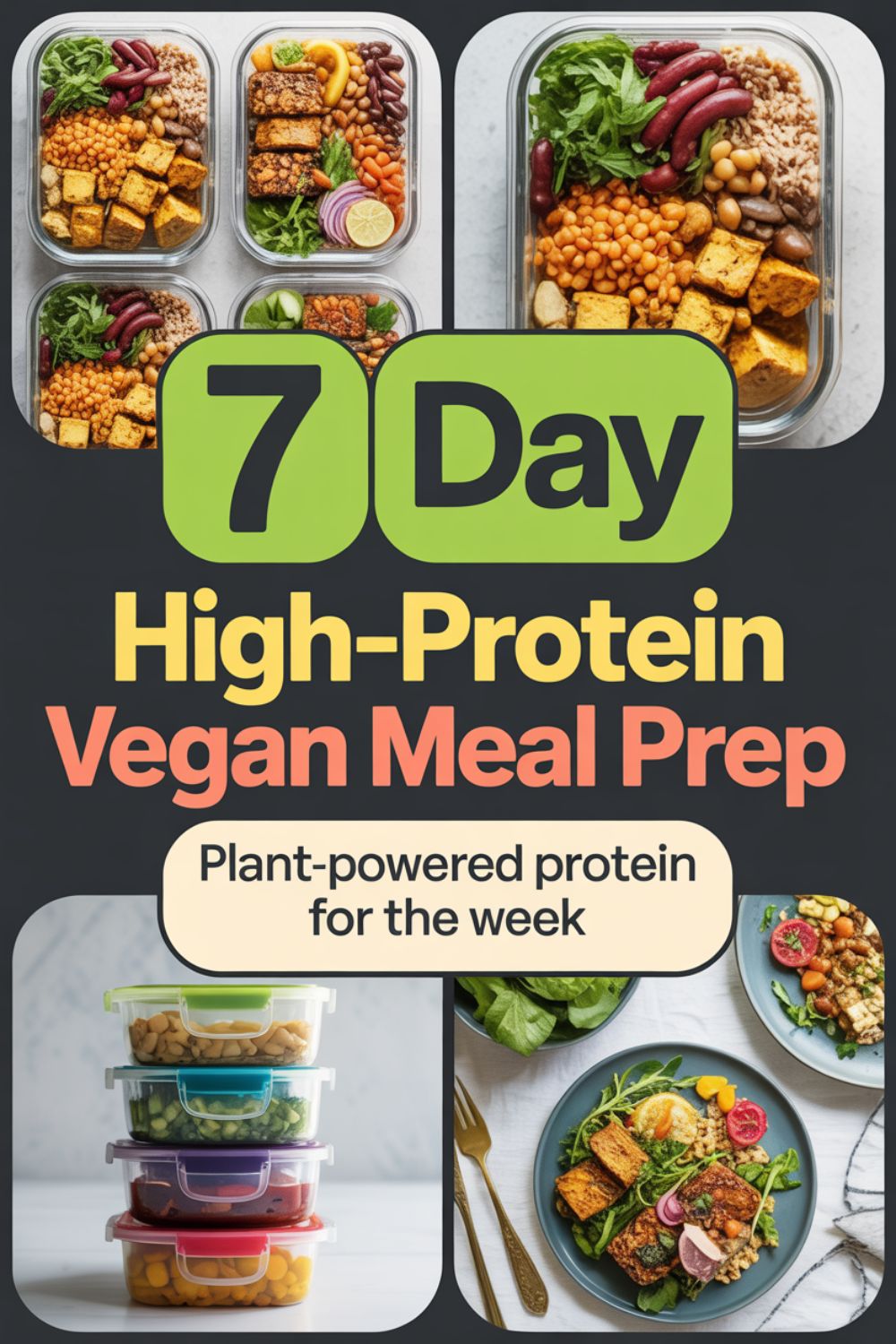
7-Day High-Protein Vegan Meal Prep
Look, I get it. You want to eat more plants, build muscle, and not spend every waking moment in the kitchen. Everyone thinks vegan meal prep means surviving on sad salads and mystery protein powder. Spoiler alert: it doesn’t.
I spent years figuring out how to pack serious protein into plant-based meals without feeling like I was choking down chalky shakes or eating the same three things on repeat. This 7-day plan is the result of that trial and error—minus the fails, plus all the wins.
You’re about to discover how to prep a week’s worth of high-protein vegan meals that actually taste good and keep you full. No fancy ingredients you can’t pronounce. No recipes that require a culinary degree. Just real food that works.
Why High-Protein Vegan Meal Prep Actually Works
Here’s the thing nobody tells you: protein on a vegan diet isn’t hard. It’s just different. You’re not grabbing a chicken breast and calling it a day. You’re combining foods strategically, and once you understand the game, it’s honestly easier than you’d think.
Plant-based protein sources like lentils, chickpeas, tofu, and quinoa don’t just bring protein to the table—they come loaded with fiber, vitamins, and minerals that animal proteins can’t match. Research shows that getting all nine essential amino acids from plant sources is completely doable when you eat a varied diet throughout the day.
The secret? Meal prepping removes the guesswork. When you batch-cook your protein sources on Sunday, you’re not scrambling at 7 PM on Tuesday wondering what to eat. You’re just reheating and enjoying.
The 7-Day Breakdown: What You’ll Actually Eat
Days 1-2: Tempeh Power Bowls
Tempeh is fermented soybeans pressed into a cake, and it’s honestly one of the most underrated protein sources out there. One cup packs about 31 grams of protein. I marinate mine in soy sauce, maple syrup, and garlic, then bake it until it’s crispy on the edges.
Pair it with quinoa (8 grams of protein per cup cooked), roasted sweet potatoes, and a tahini dressing. The tahini adds healthy fats and another protein boost. These bowls hold up beautifully in the fridge and actually taste better on day two when the flavors meld.
If you’re looking for more protein-packed meal ideas, you might also love these high-protein meal prep ideas that keep things interesting all month long.
Days 3-4: Lentil Curry with Brown Rice
Red lentils cook in like 15 minutes and bring 18 grams of protein per cooked cup. I make a huge batch of curry with coconut milk, tomatoes, spinach, and whatever spices I’m feeling that week. Usually garam masala, turmeric, and a pinch of cayenne.
Brown rice is your friend here—it’s got more protein than white rice and keeps you full longer. The combination of lentils and rice creates a complete protein profile, meaning you’re getting all those essential amino acids your body needs.
Store these in those glass meal prep containers I swear by. They’re microwave-safe, leak-proof, and you can see what’s inside without playing fridge roulette.
Days 5-6: Tofu Scramble Breakfast-for-Dinner
Who says breakfast food is only for mornings? Tofu scramble is ridiculously easy, cheap, and versatile. Press your tofu (or don’t, honestly I skip this half the time), crumble it into a pan, add turmeric for that eggy color, and throw in whatever vegetables need to be used up.
One block of firm tofu has about 20 grams of protein. Add some nutritional yeast for a cheesy flavor and extra B vitamins, plus some black beans if you’re feeling ambitious. Serve it with whole grain toast or wrap it in a tortilla.
This is one of those meals that reheats shockingly well. I portion mine into containers with a side of roasted potatoes and salsa. Takes five minutes to prep each morning, tastes like you actually tried.
Speaking of breakfast ideas that make mornings easier, check out this high-protein breakfast meal prep plan or these healthy breakfast options that don’t require daily cooking.
Day 7: Chickpea “Tuna” Salad
This is my lazy day meal, and I mean that as a compliment. Mash some chickpeas with a fork (leave them a bit chunky), add vegan mayo, diced celery, red onion, and whatever seasonings you want. I go with dill, lemon juice, and a little mustard.
Chickpeas deliver about 15 grams of protein per cup, and this “salad” works on crackers, bread, lettuce wraps, or straight out of the container with a spoon at 2 AM. No judgment here.
The best part? It gets better as it sits. Day seven is actually when it peaks. I make mine in one of those large mixing bowls and portion it out through the week.
Meal Prep Essentials Used in This Plan
Physical Products That Make Life Easier
- Glass Meal Prep Containers (10-pack) – Seriously, get the ones with the locking lids. Life-changing for preventing spills and keeping food fresh.
- High-Speed Blender – For tahini dressings, curry pastes, and those emergency protein smoothies when you’re running late.
- Large Sheet Pans (Set of 3) – Roast everything at once. Game-changer for batch cooking vegetables and tempeh.
Digital Resources Worth Checking Out
- Complete Vegan Protein Guide eBook – Takes the guesswork out of combining proteins. Includes amino acid breakdowns if you’re into that level of detail.
- Meal Prep Master Class – Video tutorials on efficient chopping, storage hacks, and flavor combinations. Saved me hours every week.
- Weekly Meal Planning Templates – Printable grocery lists and prep schedules. Keeps you organized without the mental load.
Join the community: Connect with other meal preppers in our WhatsApp group for recipe swaps, motivation, and real-time cooking troubleshooting. Link in bio!
The Protein Math You Actually Need to Know
Let’s talk numbers for a second without making your eyes glaze over. Most people need about 0.8 to 1 gram of protein per kilogram of body weight. If you’re active or trying to build muscle, aim for the higher end—around 1.2 to 2 grams per kilogram.
For a 150-pound person (68 kg), that’s roughly 54 to 136 grams of protein daily. Sounds like a lot? It’s not when you break it down across three meals and a snack.
Here’s what a typical day looks like with this meal prep plan:
- Breakfast: Tofu scramble with beans – 28g protein
- Lunch: Tempeh power bowl – 35g protein
- Snack: Hummus with veggies – 8g protein
- Dinner: Lentil curry with rice – 24g protein
That’s 95 grams right there, and we haven’t even added protein powder to a smoothie or snacked on some roasted edamame. The point is, you’re covered.
Need more variety throughout the month? These 30 high-protein recipes rotate beautifully and prevent meal prep burnout.
Shopping List: Keep It Simple
I’m not going to bore you with a massive grocery list. Buy what you’ll actually use. Here are the staples that show up in every meal prep:
Protein Sources
- Firm tofu (3-4 blocks)
- Tempeh (2-3 packages)
- Dried lentils (2 pounds – red and brown)
- Canned chickpeas (6 cans, or cook dried if you’re ambitious)
- Canned black beans (3 cans)
- Quinoa (2 pounds)
Supporting Cast
- Brown rice
- Sweet potatoes
- Spinach (fresh or frozen)
- Mixed vegetables for roasting
- Tahini
- Coconut milk
- Your favorite spices (this is where flavor happens)
One trip to the store, maybe $60-80 depending on where you live, and you’re set for the week. Compare that to daily takeout and it’s honestly a no-brainer.
If you’re watching your budget, this budget meal prep guide has some clever strategies for stretching groceries even further.
Prep Day Strategy: Two Hours Max
Sunday afternoon is meal prep time in my house. Here’s how I knock it out without losing my mind:
Hour One: The Foundation
- Start rice and quinoa on the stovetop – they cook while you do everything else
- Chop all vegetables at once using a sharp chef’s knife (dull knives make this take twice as long)
- Press tofu if you’re feeling fancy, or just drain it
- Get beans and lentils going – canned for speed, dried if you planned ahead
Hour Two: Assembly
- Marinate and bake tempeh
- Make curry base, add lentils
- Scramble tofu, portion it out
- Mix chickpea salad
- Divide everything into containers while it’s all still warm
Put on a podcast, pour yourself something good to drink, and just flow through it. The first time takes longer because you’re figuring out your rhythm. By week three, you’ll do this in your sleep.
Tools & Resources That Make Cooking Easier
Kitchen Equipment Worth the Investment
- Instant Pot or Pressure Cooker – Cook dried beans in 30 minutes instead of hours. Changed my whole meal prep game.
- Quality Vegetable Peeler – Seems minor until you’re peeling six sweet potatoes with a dollar-store peeler.
- Silicone Baking Mats – Zero sticking, zero scrubbing. Use them for roasting tempeh and vegetables.
Digital Downloads That Actually Help
- Vegan Protein Combining Chart – Visual guide showing which foods pair for complete proteins. Stick it on your fridge.
- Batch Cooking Masterclass – Step-by-step videos on maximizing efficiency. Cuts your prep time in half once you learn the techniques.
- Flavor Pairing Database – Searchable guide for spice combinations. Never eat bland food again.
Community Support: Join our meal prep WhatsApp group where Sarah lost 15 pounds in three months using these exact strategies, and others share their weekly wins and recipe modifications.
Common Mistakes and How to Avoid Them
Let me save you some headaches by sharing what doesn’t work, learned through painful trial and error:
Mistake #1: Making Everything on Sunday
Some foods don’t hold up for seven days. I prep ingredients on Sunday but actually cook the chickpea salad mid-week. Tofu scramble can go in the fridge pre-mixed but uncooked—takes five minutes to heat through in a pan when you’re ready.
Mistake #2: Ignoring Texture
Nobody wants mushy vegetables on Thursday. Slightly undercook things like broccoli and bell peppers. They’ll steam a bit more when you reheat, and the texture stays pleasant.
Mistake #3: Boring Seasoning
This is where people quit meal prep. If your food tastes like cardboard, you’re not going to stick with it. Invest in good spices. Use fresh herbs. Don’t be scared of salt and acid (lemon juice, vinegar). These make or break a meal.
I keep my spice collection in those magnetic tins on the side of my fridge. Easy to see what I have, easy to grab while cooking, and honestly makes me feel like I have my life together.
If you’re meal prepping for a family and need kid-friendly options, this family meal prep plan adapts these concepts perfectly.
Scaling Up or Down
This plan assumes you’re prepping for one person eating lunch and dinner from prep, plus some breakfasts. Adjust accordingly:
For two people: Double everything except spices. You don’t need twice the garlic powder, trust me.
For less time commitment: Prep just dinners. Buy or make simple breakfasts and lunches separately. Still saves massive time and money compared to winging it daily.
For more variety: Rotate between this plan and a vegetarian meal prep that includes eggs and dairy, or try a low-carb approach some weeks.
Real Talk: The First Week Is Weird
Your body might need a minute to adjust if you’re coming from a heavy animal-protein diet. That’s normal. You might feel hungrier at first because plant proteins digest differently. You might also, uh, experience some digestive adjustments as your gut bacteria adapt to more fiber.
According to research on plant-based protein adequacy, your body adapts within a couple of weeks. Drink plenty of water. Don’t go from zero to 100g of fiber overnight. Ease into it if you need to.
By week two, most people report feeling lighter, more energetic, and weirdly satisfied with meals that would’ve left them hungry before. Your mileage may vary, but that’s the general pattern.
Storage and Reheating Without Sadness
This matters more than you think. Bad storage ruins good food.
Containers: Glass over plastic when possible. Plastic absorbs smells and stains. Glass just needs a wash. Plus you can see what’s in there without opening every single container.
Refrigerator placement: Keep the current day’s meals at eye level. Push upcoming days to the back. This prevents the “oh crap, I forgot about that” moment on Friday.
Reheating: Microwave with a damp paper towel over the top to prevent drying. Or better yet, reheat in a pan with a splash of water or broth. Takes three extra minutes but elevates leftovers significantly.
For curries and soups, freeze half in those freezer-safe containers. Pull them out when you need a break from the current rotation. Having backup options prevents the “screw it, I’m ordering pizza” moments.
If freezer meals are your jam, check out this freezer meal prep guide and these make-ahead options that last for months.
The Bottom Line on Plant Protein
You don’t need meat to build muscle. You don’t need dairy to get strong. You just need to eat enough food with enough variety, which this meal prep plan handles automatically.
Tempeh, tofu, lentils, beans, quinoa—these aren’t sad substitutes. They’re legitimate protein sources that humans have thrived on for thousands of years. The difference is you’re being intentional about it instead of hoping it works out.
Will you miss cheese sometimes? Maybe. Does that mean this doesn’t work? Absolutely not. You can be 90% plant-based and still see all the benefits. Perfectionism is the enemy of progress here.
What Happens After Week One
You’ll probably want to mix things up. That’s fine. The framework stays the same:
- Pick 2-3 protein sources
- Choose complementary grains
- Add vegetables you actually like
- Prep it all in one session
- Store properly and reheat with care
Swap tempeh for seitan. Trade lentils for split peas. Use farro instead of quinoa. The principles don’t change, just the specific foods.
Some people run this exact plan for months because they like the routine. Others switch it up weekly. Both approaches work. Do what keeps you consistent.
Looking for more weekly rotation ideas? These easy meal prep recipes and healthy options give you endless variety without overwhelming complexity.
Frequently Asked Questions
Can I really get enough protein without eating meat?
Absolutely. This meal plan delivers 80-100g of protein daily using only plant sources. Combining legumes with grains gives you all essential amino acids. The key is eating a variety of protein-rich plants throughout the day, which this prep strategy handles automatically.
How long does meal prepped food actually stay fresh?
Most of these meals last 4-5 days in the fridge when stored properly in airtight containers. I prep Sunday and Thursday to always have fresh options. Curries and grain bowls freeze beautifully for up to 3 months if you want to batch cook even bigger.
What if I get bored eating the same things?
Switch up your spices and sauces—same base ingredients, completely different flavors. This week’s curry can be Indian-spiced, next week make it Thai with lemongrass and ginger. The framework stays consistent while variety comes from seasonings. Works like a charm.
Do I need protein powder on a vegan diet?
Not necessarily. This plan hits protein targets with whole foods alone. That said, protein powder is convenient for busy mornings or post-workout. If you use it, great. If not, you’re still covered. FYI, I keep some around for emergencies but rarely need it.
Is this meal prep plan suitable for weight loss?
It can be. High-protein, high-fiber plant foods keep you full on fewer calories than processed options. You control portions based on your goals. Many people naturally eat less when switching to this style because the food is so satisfying. Adjust serving sizes to match your needs.
Final Thoughts
High-protein vegan meal prep isn’t complicated once you dump the idea that you need animal products to fuel your body. You just need a plan, a couple hours on Sunday, and the willingness to eat the same few things for a week without losing your mind.
This 7-day framework works because it’s simple, repeatable, and based on foods that actually taste good cold or reheated. No one’s getting meal prep awards here. You’re just trying to eat well without thinking about it every single day.
Start with this plan. Adjust as you go. Find your rhythm. In a month, you’ll wonder how you ever functioned without meal prep. In three months, people will ask how you “have time” to eat so well, and you’ll just smile knowing it takes you less time than their daily takeout habit.
Now go batch cook some lentils and thank yourself all week.