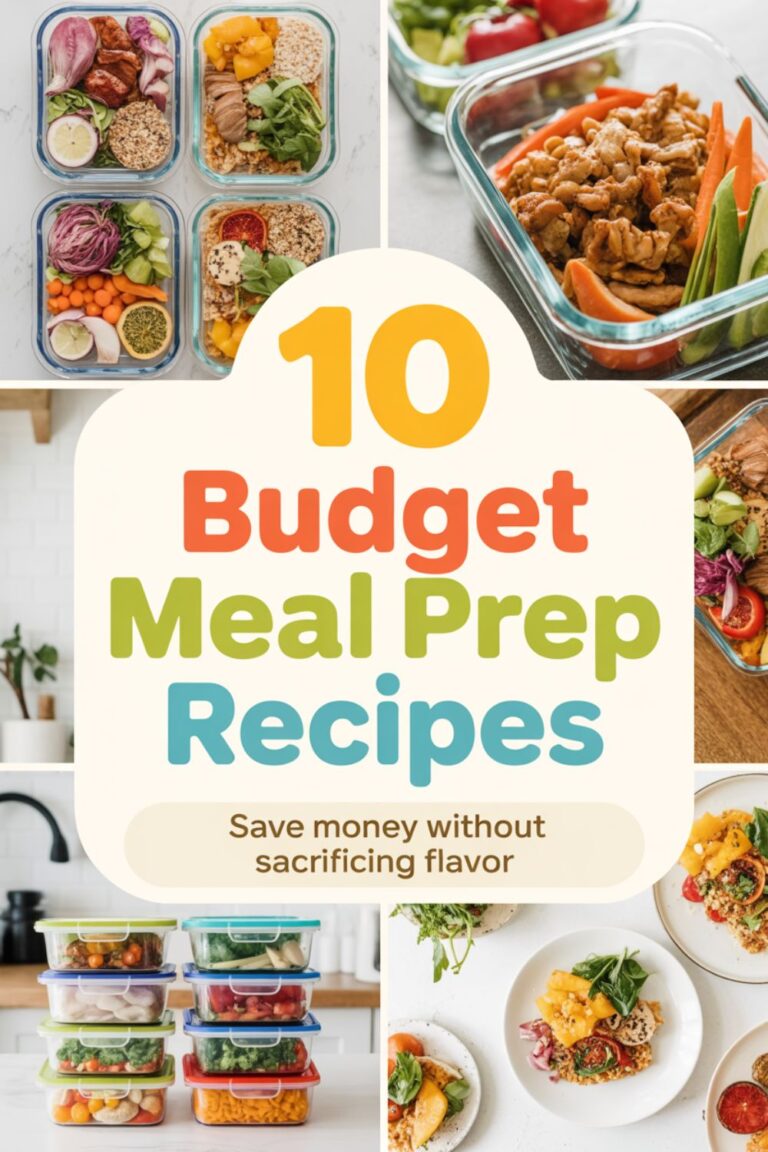
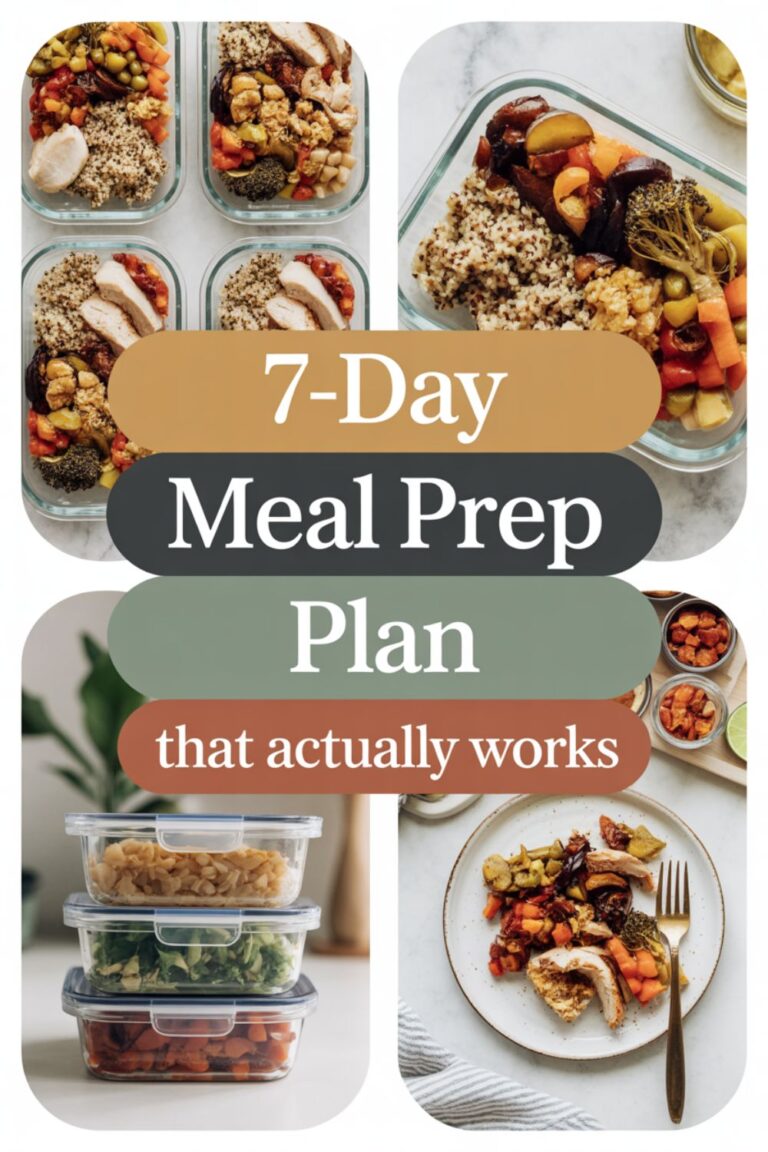
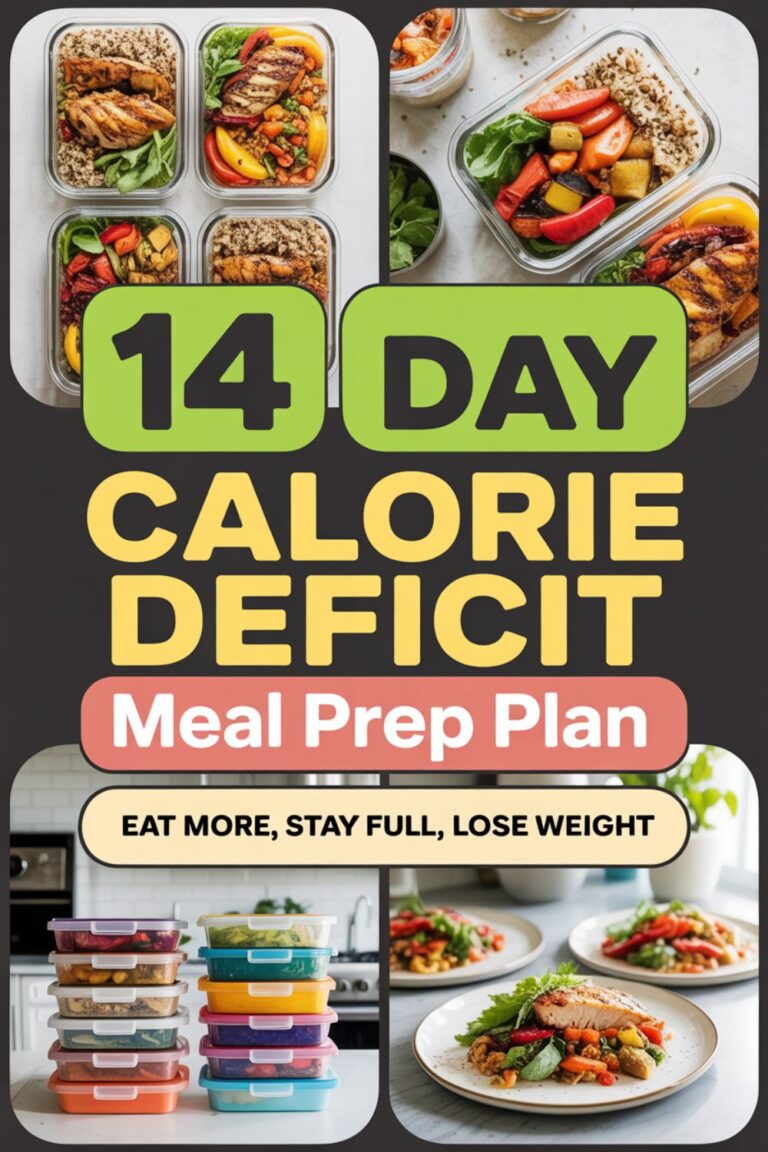
7-Day High-Protein Dinner Meal Prep for Fat Loss
Listen, I’m just going to be straight with you: meal prepping changed my entire approach to fat loss. Not because I’m some organizational genius—trust me, my sock drawer would beg to differ—but because I got tired of standing in front of the fridge at 8 PM, exhausted and starving, making questionable food choices.
Here’s what nobody tells you about fat loss: it’s not really about willpower. It’s about having the right food ready when you’re too tired to care. That’s where high-protein dinner meal prep swoops in like a superhero with a glass container cape.
This 7-day plan isn’t about eating bland chicken breasts for a week straight. We’re talking actual flavors, actual variety, and proteins that’ll keep you full enough to ignore the siren call of late-night snacking. Ready to make your life easier?
Why High-Protein Dinners Actually Work for Fat Loss
Let’s talk science for a second without putting you to sleep. Research published in the Journal of Obesity & Metabolic Syndrome shows that high-protein diets don’t just reduce body weight—they specifically target fat mass while preserving your hard-earned muscle. That’s the sweet spot we’re aiming for.
Protein does something pretty magical: it cranks up your body’s energy expenditure through something called diet-induced thermogenesis. Basically, your body burns more calories just digesting protein compared to carbs or fats. Plus, protein keeps you fuller longer by influencing hunger hormones like ghrelin and GLP-1.
According to WebMD’s analysis, high-protein diets can reduce harmful fat buildup, especially around your midsection, while minimizing muscle loss during weight reduction. That’s exactly what we want when we’re trying to lean out.
The best part? You’re not constantly thinking about food. When your dinners are protein-rich and already prepped, you’re not standing in front of the pantry at night wondering what won’t derail your progress.
Pro Tip:
Prep your proteins on Sunday evening, then add fresh vegetables throughout the week. You get the convenience without the soggy broccoli situation.
Setting Up Your Meal Prep Success
The Equipment That Actually Matters
You don’t need a fancy kitchen to pull this off. Honestly, most of my meal prep happens with just a few reliable pieces. I use these glass containers with snap lids because they don’t stain, don’t hold smells, and you can see what’s inside without playing food roulette.
A decent food scale is worth its weight in gold—pun intended. When you’re tracking protein, eyeballing portions is how you end up either undereating or accidentally consuming way more than you thought. I learned this the hard way with peanut butter. Turns out my “tablespoon” was more like three.
For cooking multiple proteins at once, I’m obsessed with this sheet pan set. You can roast chicken on one, salmon on another, and veggies on a third—all going at the same time. Game changer for efficiency.
Meal Prep Essentials Used in This Plan
- Physical Products: Glass meal prep containers (5-pack) – Leak-proof, microwave-safe, and they actually last
- Digital food scale – Takes the guesswork out of portions
- Insulated lunch bag with ice packs – Keeps your prepped meals safe if you’re on the go
- Digital Resources: High-Protein Meal Prep Guide PDF – Complete with shopping lists and macro breakdowns
- 7-Day Meal Planning Template – Printable weekly planner to stay organized
- Macro Calculator Spreadsheet – Customize portions based on your specific goals
The Shopping Strategy That Saves Money
Here’s a trick I wish someone had told me earlier: buy your proteins in bulk and freeze what you won’t use in the next three days. Chicken thighs, ground turkey, and salmon fillets all freeze beautifully. Just make sure you’re using these freezer-safe bags that actually prevent freezer burn.
Skip the pre-cut vegetables unless you’re seriously pressed for time. Yeah, they’re convenient, but you’re paying like three times more for someone else to chop an onion. Save that money for quality proteins instead.
When it comes to choosing protein sources, variety matters both for nutrition and sanity. Rotating between chicken, fish, lean beef, and plant-based options like lentils keeps your taste buds interested. Plus, different proteins offer different nutritional profiles—salmon brings omega-3s to the party, while beef delivers more iron and zinc.
Your 7-Day High-Protein Dinner Plan
Day 1: Lemon Herb Grilled Chicken with Roasted Vegetables
We’re kicking things off with a classic because sometimes classics earn their status. This chicken delivers about 40 grams of protein per serving, and the herb marinade means you’re not choking down plain, boring meat.
Season your chicken breasts with lemon juice, garlic, rosemary, and thyme. Let them hang out in that marinade for at least an hour—or prep them the night before for even better flavor penetration. Grill them on this countertop grill for perfect sear marks without heating up your whole kitchen.
For the veggies, I’m talking Brussels sprouts, bell peppers, and red onions tossed in olive oil with a sprinkle of salt. Roast everything at 425°F for about 25 minutes. The key is cutting everything roughly the same size so it cooks evenly. Get Full Recipe
Protein content: 42g | Calories: ~380
Day 2: Spicy Turkey and Black Bean Bowl
Ground turkey is criminally underrated. It’s lean, it’s affordable, and it absorbs flavors like nobody’s business. This bowl packs around 38 grams of protein and has enough spice to keep things interesting without setting your mouth on fire.
Brown your ground turkey with cumin, chili powder, and smoked paprika. Add black beans, diced tomatoes, and a handful of corn. Serve over cauliflower rice if you’re watching carbs, or regular brown rice if you need the extra fuel for workouts.
Pro move: top with a dollop of Greek yogurt instead of sour cream. Same creamy satisfaction, way more protein. Get Full Recipe
Protein content: 38g | Calories: ~395
“I tried this turkey bowl recipe last month and honestly wasn’t expecting much—turkey can be so dry. But the spices and beans made it super filling, and I actually looked forward to eating it. Lost 8 pounds in the first three weeks of consistent meal prepping.” – Maria from our community
Day 3: Baked Salmon with Asparagus and Quinoa
Salmon deserves its superfood status. Beyond the 35 grams of protein per serving, you’re getting those omega-3 fatty acids that support everything from brain health to reducing inflammation. According to nutritional research, fatty fish like salmon can enhance muscle building while helping you stay lean.
Season your salmon with dill, lemon zest, and a touch of Dijon mustard. Bake it at 400°F for about 12-15 minutes—it should flake easily with a fork but still be moist. Asparagus goes on the same sheet pan for easy cleanup.
Quinoa is one of those rare plant proteins that’s actually complete, meaning it contains all nine essential amino acids. Cook it in vegetable broth instead of water for extra flavor. Get Full Recipe
Protein content: 36g | Calories: ~420
If you’re curious about the difference between salmon and other fatty fish options for meal prep, both sardines and mackerel offer similar omega-3 benefits at a fraction of the cost. They’re strong-flavored though, so salmon tends to be more versatile for weekly rotation.
Quick Win:
Buy frozen salmon fillets individually wrapped. They thaw in 20 minutes under cold water, and you avoid waste from buying a big piece you can’t use up in time.
Day 4: Beef and Broccoli Stir-Fry
Sometimes you just need red meat, and I’m not going to pretend otherwise. This stir-fry delivers 40 grams of protein from lean flank steak, plus all the iron and B vitamins your body’s been craving.
Slice your beef super thin—against the grain—and marinate it in soy sauce, ginger, and a tiny bit of cornstarch for velvet texture. Stir-fry in a proper wok over high heat for that restaurant-quality sear. Add broccoli florets and snap peas at the end.
The secret to meal-prepping stir-fry without soggy vegetables? Slightly undercook your veggies. They’ll finish cooking when you reheat, and you’ll avoid that mushy, sad texture. Get Full Recipe
Protein content: 41g | Calories: ~405
Day 5: Greek-Style Turkey Meatballs with Tzatziki
These meatballs are what meal prep dreams are made of. They freeze perfectly, reheat like a champ, and taste even better on day two after the flavors have melded together. You’re looking at 35 grams of protein per serving.
Mix ground turkey with finely diced red onion, fresh mint, oregano, and a beaten egg to bind everything. Form them with this portion scoop so they’re all the same size—key for even cooking. Bake at 375°F for about 20 minutes.
Make your own tzatziki with Greek yogurt, grated cucumber (squeeze out the excess water!), garlic, and dill. The yogurt adds even more protein to your meal. Serve over zucchini noodles or regular pasta, depending on your carb needs. Get Full Recipe
Protein content: 37g | Calories: ~370
Day 6: Shrimp and Cauliflower Fried “Rice”
Shrimp is basically the fast food of healthy proteins—it cooks in minutes and packs about 30 grams of protein per serving. This cauliflower rice version keeps things low-carb while still giving you that satisfying fried rice experience.
The trick with shrimp is not overcooking them. They go from perfect to rubbery in about 30 seconds, so watch them carefully. Sauté your riced cauliflower first with garlic, peas, and carrots, then push everything to the side and scramble an egg in the center for extra protein.
Season with soy sauce, sesame oil, and a splash of rice vinegar. Top with green onions because they’re non-negotiable for authenticity. Get Full Recipe
Protein content: 32g | Calories: ~340
Day 7: Slow Cooker Chicken Carnitas Bowl
Sunday deserves something special, and this slow cooker chicken requires almost zero effort. Dump everything in before your morning coffee, and by dinner, you’ve got tender, flavorful meat that shreds like a dream. About 38 grams of protein per serving.
Season chicken thighs with cumin, oregano, lime juice, and chipotle peppers. Let your slow cooker work its magic for 6-7 hours on low. Shred the chicken and crisp it under the broiler for those essential caramelized edges.
Build your bowl with black beans, bell peppers, a bit of cheese, and salsa. This is one of those meals that actually tastes better as leftovers—the flavors just keep developing. Get Full Recipe
Protein content: 39g | Calories: ~415
Tools & Resources That Make Cooking Easier
- Kitchen Tools: Instant-read meat thermometer – Never overcook protein again
- Herb keeper container – Fresh herbs last 3x longer, saving you money
- Silicone baking mats (2-pack) – No more scrubbing sheet pans
- Digital Guides: Protein Portions Visual Guide – Learn what 4oz really looks like
- Meal Prep Timing Cheat Sheet – Batch cook like a pro
- Seasoning Blend Recipes PDF – Make your own spice mixes to save cash
Meal Prep Strategies That Actually Work
The Sunday Setup System
Here’s how I tackle prep day without losing my entire afternoon: proteins first, always. Get your chicken in the oven, your beef marinating, and your quinoa cooking—all at the same time. Multi-tasking is your friend here.
While proteins are cooking, chop your vegetables. I know it seems tedious, but put on a podcast or your favorite playlist and it goes faster than you think. Store prepped veggies in these produce saver containers with the little vents—they legitimately keep things fresh longer.
Don’t cook everything to 100% done. If you’re prepping salmon or shrimp that you won’t eat until Thursday, slightly undercook them. They’ll finish when you reheat, and you won’t end up with dry, sad protein.
Quick Win:
Label your containers with masking tape and a marker. Sounds basic, but when it’s Tuesday at 9 PM and you’re exhausted, you’ll thank yourself for knowing exactly which container is which.
Storage and Reheating Without Ruining Everything
This might sound obsessive, but how you store food matters almost as much as how you cook it. Proteins and vegetables should be stored separately when possible. That way, your chicken doesn’t make your broccoli soggy, and you can mix and match meals throughout the week.
For reheating, low and slow wins the race. Use 50% power in the microwave for twice as long rather than nuking everything at full blast. Your proteins will stay tender instead of turning into rubber.
Pro tip: add a damp paper towel over your food when reheating. The steam keeps everything moist and prevents that dried-out microwave texture nobody wants.
Consider prepping sauces and dressings separately in these small condiment containers. Drizzle them on right before eating to keep textures perfect and flavors bright.
Dealing With Meal Prep Burnout
Look, I’m going to be real with you: there will be weeks where you don’t want to meal prep. That’s normal. The key is having a backup plan that doesn’t derail everything.
Keep some emergency proteins on hand—canned tuna, rotisserie chicken from the grocery store, or frozen pre-cooked chicken strips. Not as good as homemade, but way better than ordering pizza when you’re exhausted.
Another strategy? Prep just your proteins and keep quick-cooking sides on hand. Minute rice, frozen vegetables, and pre-washed salad greens can turn plain chicken into a complete meal in under 10 minutes.
“The biggest game-changer for me was realizing I didn’t have to prep every single meal. I prep dinners Sunday and Wednesday, and honestly, that consistency helped me drop 15 pounds in three months without feeling restricted.” – Jake, community member
Making It Work With Your Life
Adjusting Portions for Your Goals
The portions in this plan are ballpark estimates for someone eating around 1,800-2,000 calories daily for fat loss. But you might need more or less depending on your size, activity level, and goals.
As a general rule, aim for about 0.8-1 gram of protein per pound of body weight if you’re trying to lose fat while maintaining muscle. So if you weigh 180 pounds, you’re shooting for roughly 144-180 grams of protein daily. These dinners provide 32-42 grams each, leaving room for protein at breakfast and lunch.
If you’re more active or doing heavy strength training, bump up the portions. Add an extra ounce of protein to each meal, or include a higher-carb side like sweet potato or regular rice instead of cauliflower rice alternatives.
Eating Out Without Derailing Progress
Here’s the thing about meal prep: it’s supposed to make your life easier, not turn you into a hermit who can’t eat with friends. If you’ve got dinner plans, roll with it. Enjoy your meal out, make reasonably smart choices, and return to your prep the next day.
When you know you’ve got social plans coming up, prep one fewer meal that week. Simple math means you’re not stuck with containers going bad in your fridge while you feel guilty about wasting food.
At restaurants, you can usually stay on track by choosing grilled proteins, asking for dressings and sauces on the side, and loading up on vegetables. Most places are happy to swap fries for a salad or extra veggies—you just have to ask.
Common Mistakes and How to Avoid Them
The Soggy Vegetable Situation
Nothing kills meal prep enthusiasm faster than opening a container to find vegetables that have turned into sad, watery mush. The fix? Store wet and dry ingredients separately until you’re ready to eat.
Leafy greens are the worst offenders. If you’re prepping salads, keep the dressing separate and add it right before eating. For roasted vegetables, slightly undercook them and store them with a paper towel in the container to absorb excess moisture.
Overseasoning or Underseasoning
Here’s a secret: season more than you think you need to. Flavors mellow out in the fridge, and what tastes perfectly seasoned on Sunday might taste bland by Wednesday. Don’t go crazy, but be generous with your herbs and spices.
Fresh herbs lose their punch quickly, so if you’re using them, add extra. Or better yet, keep some fresh herbs on hand to sprinkle on right before eating. It makes reheated food taste freshly made.
Prepping Too Much Too Soon
Ambition is great, but prepping 14 meals at once when you’re new to this is a recipe for burnout. Start with 4-5 dinners for the week. As you get more comfortable, you can scale up.
Also, FYI, most cooked proteins are only good for about 3-4 days in the fridge. If you’re prepping a full week, consider cooking twice—Sunday and Wednesday—rather than trying to make everything last seven days.
Frequently Asked Questions
How long does meal-prepped protein actually stay fresh?
Cooked proteins are safe for 3-4 days in the fridge when stored properly at 40°F or below. If you’re prepping for longer, freeze individual portions and thaw them the night before you plan to eat them. Fish is the exception—it’s best eaten within 2 days for optimal quality.
Can I meal prep if I don’t have much time on weekends?
Absolutely. Try micro-prepping: spend just 20-30 minutes twice a week instead of doing one massive Sunday session. You can also prep just proteins and pair them with quick-cooking sides during the week. Even having just your main protein ready makes weeknight dinners infinitely easier.
Will eating the same meals all week get boring?
It can, which is why variety matters. Mix up your proteins, change your seasonings, and rotate your side vegetables. You can also prep components instead of complete meals—cook several proteins and sides separately, then mix and match throughout the week to keep things interesting.
What if I’m vegetarian or don’t eat certain proteins?
No problem. Swap animal proteins for plant-based alternatives like tempeh, tofu, seitan, or legume-based options. Lentils, chickpeas, and black beans all pack serious protein and work beautifully in meal prep. Just adjust cooking times and methods accordingly.
How much should I actually eat to lose fat?
It depends on your body size, activity level, and current weight. A general starting point is eating 10-12 calories per pound of body weight for fat loss while keeping protein high. Use a TDEE calculator to get a more personalized estimate, then adjust based on your results over a few weeks.
The Bottom Line
Here’s what I want you to take away from all this: meal prepping high-protein dinners isn’t about being perfect. It’s about making your life easier and setting yourself up for success when you’re tired, stressed, or just don’t feel like making decisions.
You don’t have to prep every meal, follow the plan exactly, or never eat out again. The goal is consistency, not perfection. If you prep just four dinners this week, that’s four nights you’re not staring into the fridge wondering what to eat.
Start small, figure out what works for your schedule and taste preferences, and build from there. Some weeks you’ll nail it, some weeks you’ll phone it in with rotisserie chicken and frozen vegetables, and both are completely fine.
The science backs up high-protein diets for fat loss, but the real magic is in having healthy food ready to go. Because at the end of a long day, convenience wins. Make the convenient choice the healthy one, and you’re already miles ahead.
Now get in that kitchen and prep some dinners. Future you is going to be incredibly grateful.