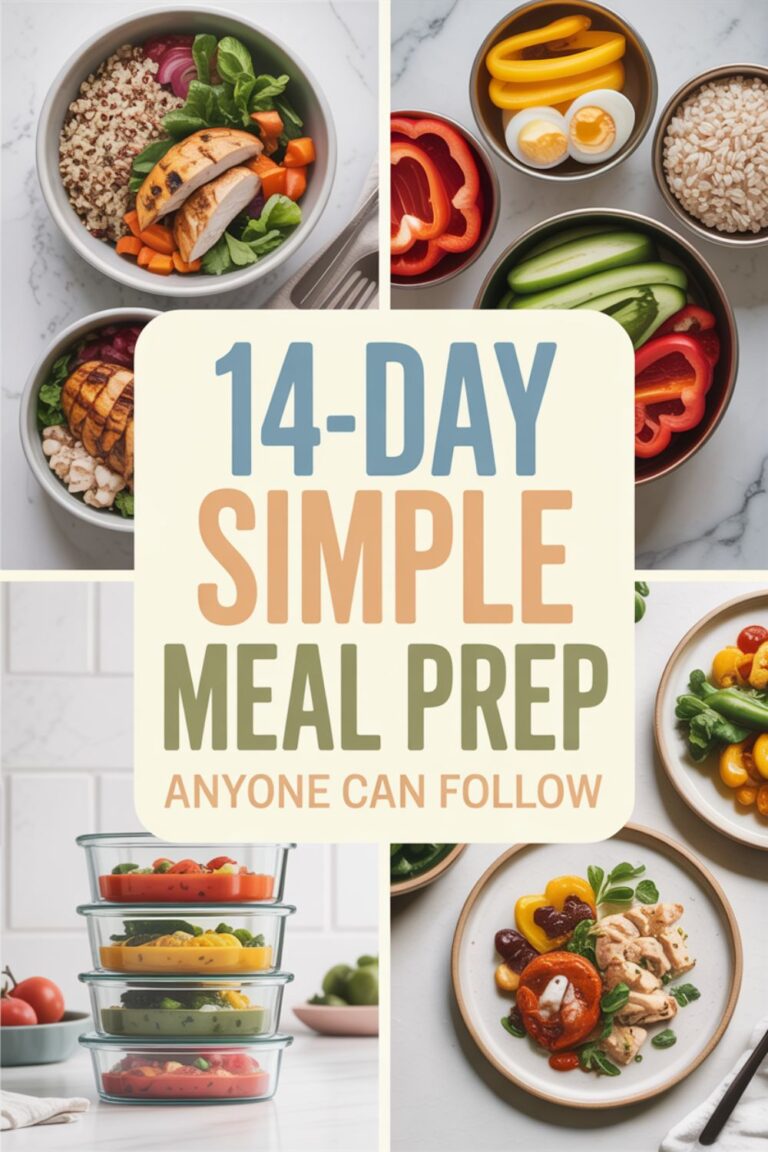
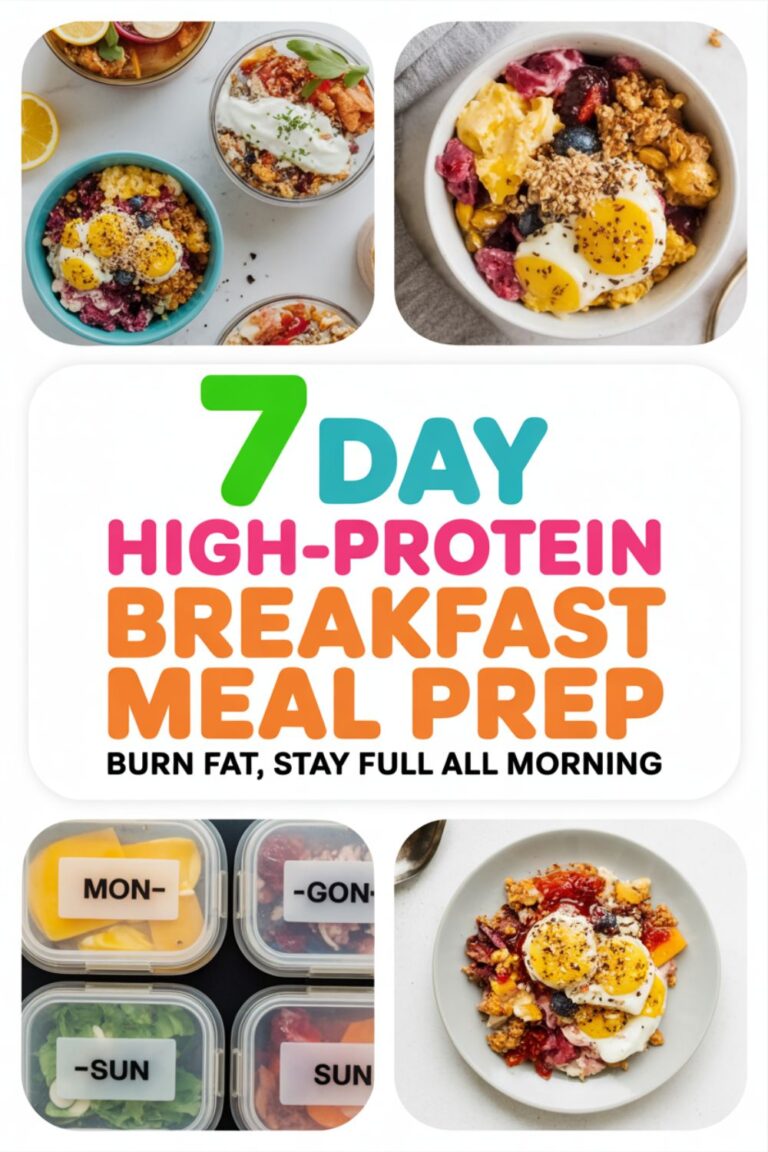
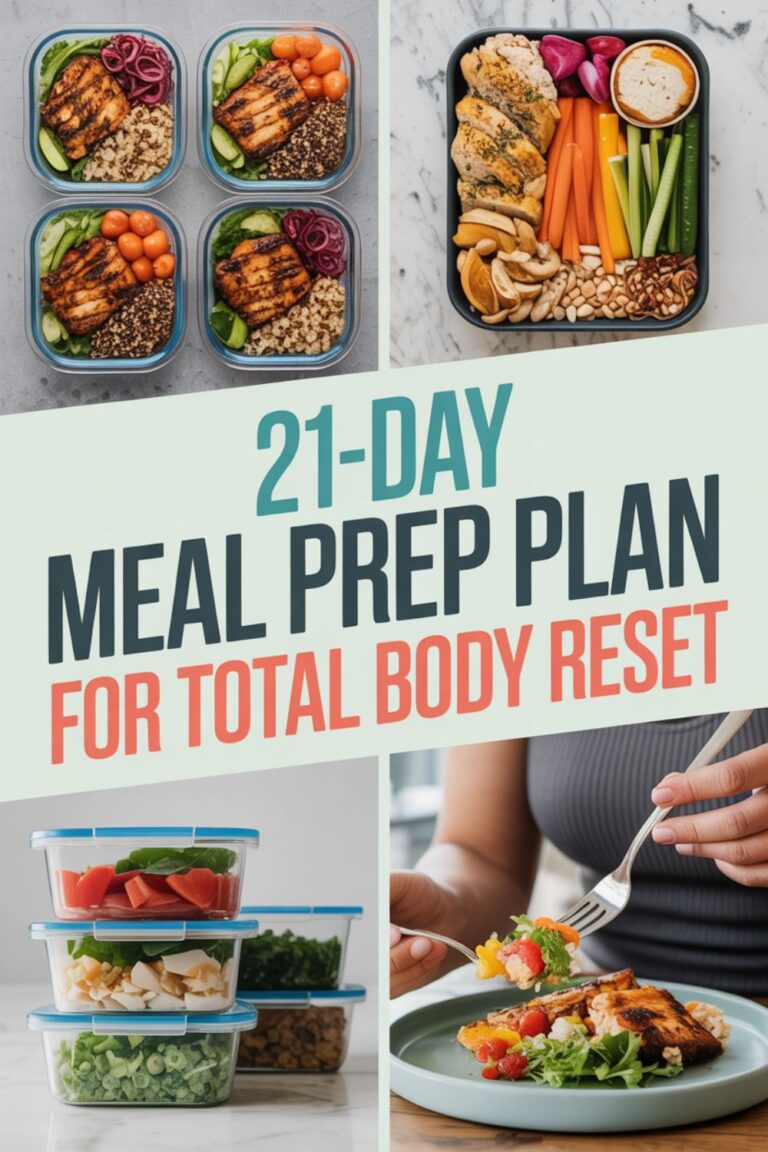
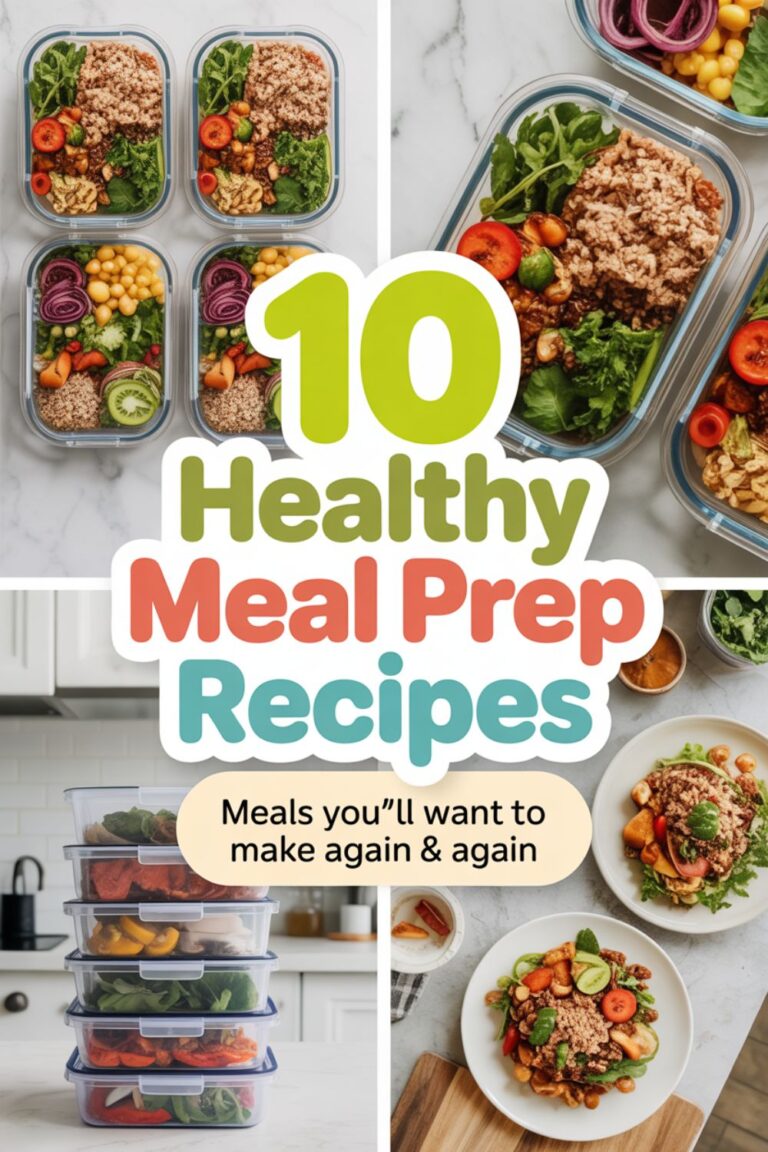
Build Your Perfect 7-Day Meal Prep Plan
7-Day Healthy Meal Prep You’ll Actually Stick To
Let me guess. You’ve tried meal prepping before, spent your entire Sunday cooking, stared at the same chicken and broccoli for days, and by Wednesday you were ordering takeout again. Sound familiar?
Here’s the thing about meal prep that nobody tells you: it doesn’t have to be boring, and it definitely shouldn’t feel like punishment. The meal prep plans that actually work are the ones that fit into your real life, not some Instagram-perfect version of it.
This 7-day meal prep plan is different. It’s built around variety, flavor, and meals you’ll genuinely look forward to eating. No sad desk lunches. No repetitive dinners. Just straightforward, delicious food that happens to be ready when you need it.
Whether you’re trying to lose weight, save time during busy weekdays, or just stop the dinner-time panic, this plan meets you where you are. Ready to actually stick with meal prep for once?
How This 7-Day Plan Works
This isn’t your typical meal prep where you eat the same thing seven days straight. Instead, you’ll prep ingredients and base components that mix and match throughout the week. Think of it as meal prep with a rotation system.
Each day brings different flavor profiles and textures, so you never get that “not this again” feeling. You’ll spend about two to three hours on prep day, then maybe 15 minutes assembling or reheating each meal during the week.
The plan focuses on whole foods, balanced macros, and meals that actually reheat well. Because let’s be honest, nobody wants to eat soggy lettuce or rubbery chicken that’s been sitting in the fridge since Sunday.
What Makes This Plan Different
Most meal prep plans fail because they ignore one crucial fact: variety matters. Your brain craves different flavors, different textures, and different experiences with food. When you eat the same meal five days in a row, you’re fighting against basic human psychology.
This plan rotates proteins, switches up cooking methods, and uses different spice profiles throughout the week. Monday’s Mediterranean-inspired lunch tastes nothing like Thursday’s Asian-style dinner. Your taste buds stay interested, and you stay consistent.
The other secret? Strategic ingredient overlap. You’ll use similar base ingredients in different ways, which keeps your grocery bill reasonable and reduces food waste. One batch of quinoa becomes the base for three different meals. Smart, right?
Your Complete 7-Day Meal Plan
Each day is designed with approximately 1500-1700 calories and 100-120g of protein. You can adjust portions based on your specific goals and activity level. All meals include prep times and storage instructions.
Day 1 – Monday
Day 2 – Tuesday
Day 3 – Wednesday
Quick Swap Options
Not a fish fan? Swap salmon or cod for extra chicken breast, pork tenderloin, or firm tofu marinated in the same seasonings.
Dairy-free? Replace Greek yogurt with coconut yogurt, and use nutritional yeast instead of parmesan cheese.
Vegetarian? Substitute all animal proteins with tempeh, extra-firm tofu, or combinations of beans and quinoa to hit protein targets.
Day 4 – Thursday
Day 5 – Friday
Day 6 – Saturday
Day 7 – Sunday
Week 1 Prep Checklist
Proteins to cook: 3 lbs chicken breast, 1 lb ground turkey, 1 lb salmon, 1 lb beef, 18 eggs
Grains to prepare: 4 cups quinoa, 3 cups brown rice, 2 cups wild rice
Vegetables to chop: Bell peppers, cucumbers, tomatoes, broccoli, green beans, Brussels sprouts, carrots
Make ahead: Hard-boiled eggs, overnight oats base, egg muffins, marinara sauce
Storage tip: Label all containers with contents and date. Most meals stay fresh for 4 days in the refrigerator.
What You’ll Eat (High-Level Overview)
This plan revolves around lean proteins, complex carbohydrates, and plenty of vegetables. You’re not cutting out entire food groups or surviving on lettuce and sadness. You’re eating real food in balanced portions.
Proteins rotate between chicken, turkey, beef, fish, and eggs to keep things interesting and provide different amino acid profiles. Each protein gets seasoned differently, so Monday’s chicken tastes nothing like Thursday’s.
Carbohydrates come from whole grains like quinoa and brown rice, plus vegetables and some fruit. These keep your energy steady throughout the day without the blood sugar roller coaster that comes from processed carbs.
The Protein Strategy
Getting enough protein is crucial for satiety, muscle maintenance, and keeping your metabolism humming. This plan targets around 30-40g per meal, which research from the Harvard School of Public Health suggests helps with appetite control and body composition.
You’ll notice we mix up protein sources throughout the week. That’s intentional. Different proteins provide different micronutrients, and variety helps prevent boredom. Your taste buds don’t want chicken seven days straight, even if your muscles do.
Speaking of protein-packed meals, you might also love:
- 21 Low Calorie Meals That Keep You Full – Perfect for adding variety to your rotation
- 30 High Volume Low Calorie Meals for Fat Loss – Eat more, weigh less
Smart Carb Choices
Carbs aren’t the enemy. They’re fuel. The key is choosing carbs that come with fiber, vitamins, and minerals instead of just empty calories. Quinoa, brown rice, sweet potatoes, and oats make regular appearances because they digest slowly and keep you satisfied.
The USDA’s MyPlate guidelines recommend making at least half your grains whole grains. This plan exceeds that, giving you sustained energy without the afternoon crash.
Vegetables and Healthy Fats
Every single meal includes vegetables. Not as an afterthought, but as a starring ingredient. They add volume, nutrients, and flavor without packing in calories. Plus, all that fiber keeps your digestive system happy.
Healthy fats come from avocado, nuts, olive oil, and fatty fish. These aren’t just for flavor—they help absorb fat-soluble vitamins and keep you feeling full longer. That’s why you’ll find almond butter in breakfast, avocado in lunch, and olive oil drizzled on roasted vegetables.
Meal Prep & Kitchen Setup That Makes Life Easy
Your success with this plan depends partly on having the right tools. You don’t need a professional kitchen, but a few key items make everything smoother. Here’s what actually matters.
Essential Equipment
Good glass meal prep containers are non-negotiable. Glass doesn’t absorb odors or stains, and you can reheat directly in them. Get a variety of sizes—some for full meals, some for snacks and sides.
A quality chef’s knife cuts your prep time literally in half. When you’re chopping vegetables for seven days of meals, a sharp knife makes the difference between 30 minutes and an hour of work.
Invest in sheet pans that can handle high heat. You’ll use these constantly for roasting proteins and vegetables. Get at least two so you can cook multiple components at once.
The Sunday Prep Flow
Start with proteins since they take the longest. Season and get your chicken, beef, or fish in the oven or on the stovetop first. While those cook, prep your grains. Rice cookers are worth their weight in gold here—set it and forget it.
While proteins cook and grains simmer, chop all your vegetables. Use this time for cucumbers, bell peppers, onions, and anything else that stores well pre-cut. Store in airtight containers with a damp paper towel to maintain freshness.
The last step is assembly. Once everything’s cooked and cooled slightly, portion into your containers. Don’t wait until everything’s completely cold or you’ll lose motivation. Assembly-line style works best—do all Monday meals, then Tuesday, and so on.
A reliable kitchen scale helps you nail portion sizes without guessing. When you’re trying to hit specific protein or calorie targets, eyeballing only gets you so far. Weigh once, and you’ll develop an eye for portions over time.
Meal Prep Essentials Used in This Plan
Glass Meal Prep Containers (Set of 10)
These leak-proof containers keep your meals fresh all week. Microwave and dishwasher safe, they’ll outlast any plastic alternative.
Digital Kitchen Scale
Accurately portion proteins and track macros without guessing. Makes hitting your nutrition goals actually achievable.
Professional Chef’s Knife
A sharp knife makes vegetable prep faster and safer. This one holds its edge through years of Sunday meal prep sessions.
Meal Prep Macro Calculator
Digital tool that calculates exact portions based on your goals. Takes the guesswork out of meal planning.
Weekly Meal Planner Template
Printable planning sheets that organize your grocery list and prep schedule. Plan once, use forever.
Portion Control Guide
Visual reference for protein, carbs, and fat portions. Perfect for beginners learning what balanced plates actually look like.
Common Mistakes That Kill Results
Most people who quit meal prep make the same predictable mistakes. Let’s address them now so you don’t become another statistic who gave up after two weeks.
Prepping Food You Don’t Actually Like
Just because chicken and broccoli is “healthy” doesn’t mean you have to suffer through it if you hate broccoli. This plan includes variety for a reason—food should taste good, or you won’t stick with it.
If you genuinely dislike something in this plan, swap it out. Hate fish? Use chicken or turkey instead. Can’t stand quinoa? Brown rice works just fine. The macro totals matter more than specific ingredients.
Going Too Hard Too Fast
Don’t try to prep 21 days of meals in your first week. Start with this 7-day plan. Master the basics. Build the habit. Once meal prep Sunday feels routine instead of overwhelming, then consider extending to 14 days.
Many people fail because they treat meal prep like a sprint when it’s actually a marathon. You’re building a sustainable system, not trying to win a cooking competition.
If you’re new to meal prep, these guides will help:
- 7-Day Meal Prep Plan for Busy Women – Streamlined approach for packed schedules
- 14 Meal Prep Bowls for Easy Weight Loss – Bowl-based meals simplify everything
Not Considering Reheating Quality
Some foods just don’t reheat well. Crispy foods get soggy. Delicate greens wilt. Pasta gets mushy. This plan avoids those pitfalls by focusing on foods that maintain texture and flavor throughout the week.
According to USDA food safety guidelines, most cooked foods stay safe in the refrigerator for 3-4 days. That’s why this plan includes some same-week prep for days 5-7 to maintain freshness and quality.
Ignoring Storage Guidelines
Don’t put hot food directly into sealed containers. Let it cool for 15-20 minutes first, or you’ll end up with condensation that makes everything soggy and reduces shelf life. Room temperature to fridge is the way.
Keep dressings and sauces separate until you’re ready to eat. A set of small sauce containers lets you add fresh flavors to meals without everything getting soggy by Wednesday.
Customizing This Plan for Your Lifestyle
This plan serves as a template, not a rigid prescription. Your life, goals, and preferences are different from everyone else’s. Here’s how to make adjustments that actually work.
Adjusting for Different Calorie Needs
If you need more calories, increase portion sizes across the board or add another snack. An extra serving of nuts, another piece of fruit with nut butter, or a protein shake can easily add 200-300 calories.
For lower calorie needs, reduce grain portions or eliminate one snack. The protein amounts should stay roughly the same to maintain satiety and muscle, but cutting carbs or fats gives you flexibility without hunger.
Looking for more structured calorie plans? Check out the 7-Day 1200 Calorie Meal Plan for Weight Loss or the 14-Day Calorie Deficit Meal Plan for Women for specific targets.
Making It Work for Families
Prep your portions separately from family meals. Use the same base ingredients—grilled chicken, roasted vegetables, cooked grains—but let others add their preferred sauces, cheeses, or sides. Everyone eats from the same ingredient pool, customized to individual tastes.
Kids might not love quinoa bowls, but they’ll eat the same grilled chicken in a wrap or over pasta. Cook once, serve multiple ways. That’s the real meal prep hack for families.
Budget-Friendly Modifications
Swap expensive proteins like salmon for more affordable options like canned tuna, eggs, or chicken thighs. Frozen vegetables cost less than fresh and are just as nutritious. Buy grains and beans in bulk.
Shop sales and plan around what’s discounted that week. The specific protein matters less than the total amount. If beef is on sale, use it for three meals instead of one. If chicken breast prices spike, grab thighs instead.
Vegetarian and Vegan Adaptations
Replace all animal proteins with combinations of tofu, tempeh, seitan, beans, lentils, and high-protein grains like quinoa. You’ll need to be more strategic about hitting protein targets, but it’s absolutely doable.
A block of extra-firm tofu pressed and marinated takes on whatever flavors you give it. Tempeh provides a meatier texture. Nutritional yeast adds a cheesy, savory element to vegetables and grains.
Tools & Resources That Make Meal Prep Easier
Instant Pot or Pressure Cooker
Cook rice, proteins, and even hard-boiled eggs faster than traditional methods. One-pot meals become genuinely convenient.
Vegetable Chopper
Dice onions, peppers, and vegetables in seconds instead of minutes. Your knife skills don’t need to be perfect when you have this.
Meal Prep Bags
Insulated bags keep your prepped meals at safe temperatures during commutes. Essential if you’re meal prepping for work lunches.
Grocery Shopping List App
Digital tool that organizes ingredients by store section. Never wander aimlessly through aisles again.
Recipe Scaling Calculator
Automatically adjusts ingredient amounts when cooking for different numbers of servings. Perfect for batch cooking.
Meal Prep Video Course
Step-by-step visual guide showing professional prep techniques. Learn the strategies that make meal prep sustainable long-term.
Making Meal Prep a Sustainable Habit
The difference between people who meal prep for two weeks and people who do it for years comes down to systems, not willpower. You need routines that don’t require constant decision-making or motivation.
Pick Your Prep Day and Protect It
Most people choose Sunday, but if that’s your rest day, Wednesday or Saturday work just as well. The key is consistency. Same day, same time, every week. Your brain stops resisting when it becomes routine.
Block off two to three hours on your calendar like it’s a meeting you can’t miss. Because it is. This is your meeting with future you, and future you is counting on present you to show up.
Keep a Running Grocery List
Throughout the week, note what you’re running low on. By Thursday or Friday, you’ll have a complete list ready for your shopping trip. No last-minute “what do I need” panic on Sunday morning.
A magnetic notepad on your fridge works perfectly for this. Every time you use the last egg or finish the quinoa, write it down immediately. Memory is overrated when you can just write it down.
Start With Four Days Instead of Seven
If seven days feels overwhelming, prep Monday through Thursday. Buy or prep fresh meals for Friday, Saturday, Sunday. As the four-day routine becomes automatic, extend to the full week.
There’s no rule saying you have to prep everything or nothing. Partial meal prep still saves time, money, and decision fatigue. Perfect is the enemy of done, and done is what gets results.
For more meal prep inspiration, explore:
- 21 Grab and Go Weight Loss Meals – Zero reheat required
- 30 No-Reheat Weight Loss Lunches for Work – Perfect for offices without microwaves
What Real People Say About This Approach
Sarah, a working mom of two, mentioned that rotating proteins throughout the week finally broke her cycle of ordering pizza every Wednesday. Her kids don’t even notice she’s eating different meals anymore because the kitchen always smells amazing.
Mike, who travels for work, adapted this plan by prepping Monday through Thursday, then eating out for client dinners. He lost 18 pounds in three months without feeling like he was on a diet because his weekday nutrition stayed consistent.
The feedback that comes up repeatedly? People appreciate having a plan that treats them like adults with taste buds, not robots who can eat the same thing indefinitely. Variety isn’t a luxury in meal prep—it’s a requirement for actually sticking with it.
Frequently Asked Questions
How long do these meals stay fresh in the fridge?
Most meals stay safe and tasty for 3-4 days when properly stored in airtight containers. For days 5-7, consider doing a mid-week mini-prep session, or freeze some portions to reheat later in the week. Always reheat to 165°F for safety.
Can I freeze these meals instead of refrigerating them?
Absolutely. Most of these meals freeze beautifully for up to three months. Avoid freezing meals with high water content like cucumber salads or fresh lettuce wraps. Thaw frozen meals overnight in the fridge, then reheat thoroughly.
What if I don’t have time for a full prep day?
Split the work into two shorter sessions. Prep proteins and grains one day, then assemble meals and chop vegetables another day. Even prepping just your lunches or just your proteins makes weekdays significantly easier.
How do I prevent my meals from getting boring?
This plan rotates flavors throughout the week specifically to combat boredom. You can also prep different sauces and dressings to transform the same base ingredients into completely different meals. Hot sauce, pesto, curry paste, or teriyaki can make the same chicken breast taste brand new.
Is meal prep actually cheaper than buying lunch out?
For most people, yes. A prepped lunch costs roughly $3-5 in ingredients versus $10-15 buying out. Over a month, that’s potentially $150-200 in savings. Plus you control portions and ingredients, which often means better nutrition for less money.
Your Next Steps
You’ve got the plan. You understand the strategy. You know the common pitfalls and how to avoid them. Now comes the part that actually matters: doing it.
Pick your prep day. Make your grocery list. Set aside those two to three hours. The first week might feel clunky as you figure out your rhythm, and that’s completely normal. By week two or three, you’ll move through prep day on autopilot.
Remember that meal prep isn’t about perfection. It’s about having good food ready when you need it, so you make better choices by default instead of relying on willpower at 6pm when you’re starving. That’s the real win here.
Start with this 7-day plan exactly as written, then adjust based on what you learn about your preferences and schedule. The best meal prep system is the one you’ll actually use consistently. Make it yours.