7-Day Crockpot Meal Prep With Minimal Effort
Look, I’m not here to sell you on the idea that meal prep has to be some Instagram-perfect ritual with matching glass containers and color-coded labels. Real talk? Most of us just need dinner on the table without having to think about it after a long day.
That’s where your crockpot becomes your secret weapon. Not because it’s trendy, but because it actually works. You dump stuff in before work, come home to something that smells incredible, and you’ve got meals sorted for the next few days. No drama, no mess, no standing over a hot stove when you’re already exhausted.
I’ve spent years tweaking my crockpot meal prep routine, and I’m sharing the exact system that keeps me sane during busy weeks. This isn’t about perfection—it’s about having real food ready when you need it most.
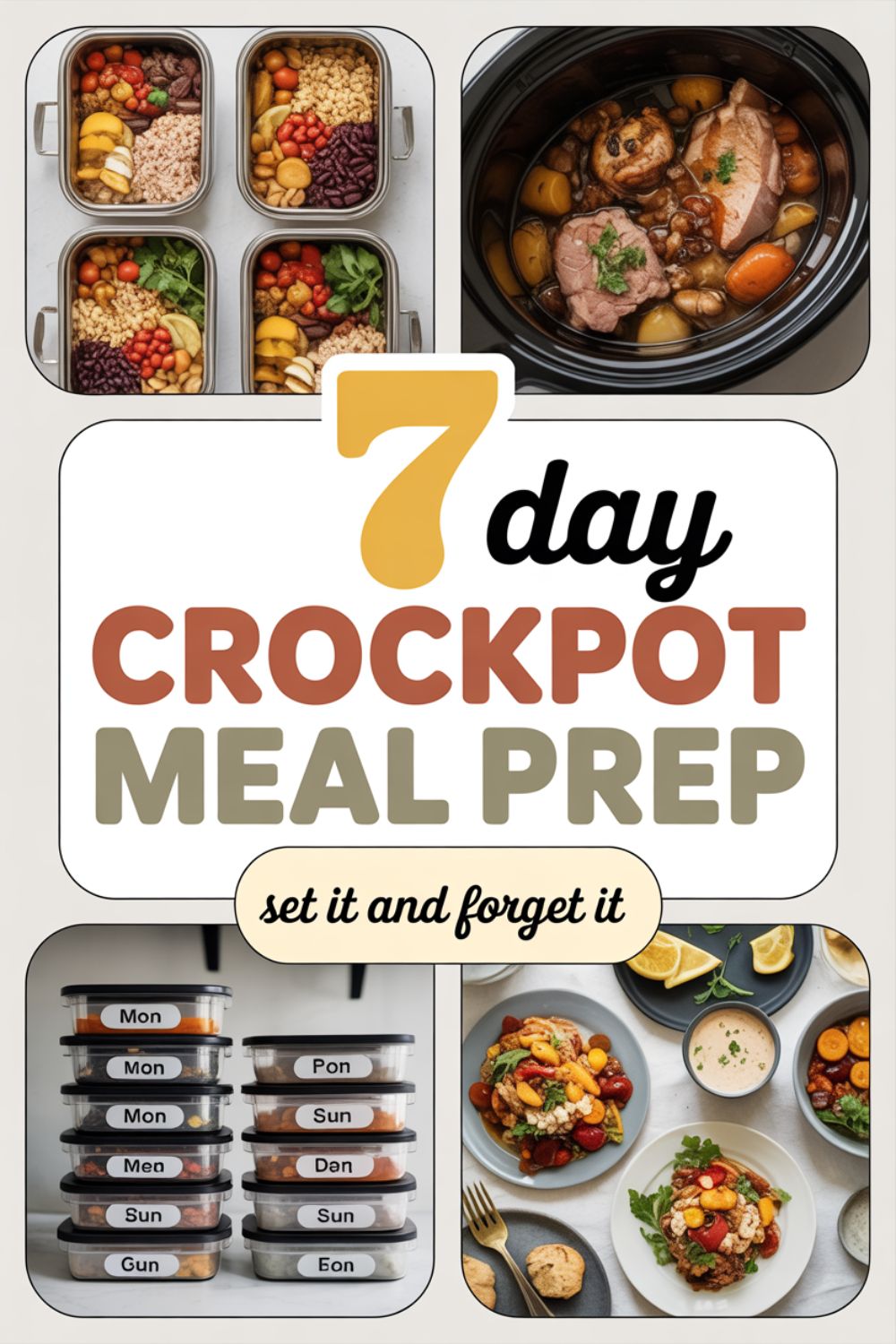
Why Crockpot Meal Prep Actually Makes Sense
Here’s what nobody tells you about meal prep: the fancy methods with seventeen different containers and precise portioning? They fail. You know why? Because life happens. Your crockpot doesn’t care if you had a terrible day or if you forgot to defrost something—it just quietly does its job.
The beauty of crockpot meal prep is the forgiveness factor. You can walk away for eight hours and your food won’t burn, dry out, or turn into a disaster. Research shows that distributing protein throughout the day helps control hunger and maintain energy, and slow cooker meals make this incredibly easy to achieve.
Plus, the slow cooking method actually makes cheaper cuts of meat incredibly tender. You’re not just saving time—you’re saving money too. I use this programmable 6-quart crockpot that switches to warm mode automatically, which means I never come home to overcooked mush.
The Game Plan: How 7 Days Actually Works
Forget the idea that you need to cook seven different meals. That’s exhausting and unnecessary. The smartest approach? Cook three strategic crockpot meals that yield enough for multiple days, then mix in a couple of quick-assembly meals using what you’ve already made.
The Strategic Three-Meal Foundation
Your week revolves around three main crockpot sessions: one protein-heavy dish (usually chicken or pork), one beef-based meal, and one vegetarian option. Each meal serves 4-6 portions, which means you’re actually cooking three times but eating well for seven days.
I typically start Sunday with shredded chicken that becomes tacos, salads, and bowl meals. Wednesday gets a beef chili that works for lunches and quick dinners. Friday’s usually a vegetarian bean situation that makes incredible burritos or serves over rice.
The method eliminates decision fatigue while keeping meals interesting. You’re not eating the same thing every day—you’re using the same base in different ways. This approach mirrors the strategies in our 21-day no-stress meal prep plan, just condensed into a crockpot-focused week.
Monday: Chicken Everything
Three pounds of chicken thighs, salsa verde, a can of black beans, some cumin and garlic. That’s it. Eight hours later, you shred it with two forks and suddenly you have the base for Monday’s burrito bowls, Tuesday’s chicken salad wraps, and Wednesday’s loaded nachos.
The shredded texture means it absorbs whatever flavors you add later. Monday night I serve it over cilantro-lime rice with fresh toppings. Get Full Recipe for the exact measurements and timing, but honestly, this one’s hard to mess up.
“I was skeptical about eating the same protein multiple ways, but Sarah’s method changed my mind. Lost 15 pounds in three months just by having healthy meals actually ready. No willpower required when dinner’s already done.” — Jamie, community member
If you’re specifically focused on protein intake for weight management, this high-protein dinner meal prep plan offers additional strategies that pair perfectly with crockpot cooking.
Wednesday: The Beef Situation
Ground beef (or turkey if you’re being virtuous) gets browned in a pan—yes, this is the one step that requires actual cooking—then into the crockpot with crushed tomatoes, kidney beans, peppers, onions, and chili spices.
This becomes Wednesday’s chili with cornbread, Thursday’s chili cheese fries (living your best life), and Friday’s stuffed bell peppers. The silicone spatula I use for browning meat is legitimately the best kitchen tool I own—nothing sticks, and cleanup takes thirty seconds.
The recommended 15-30 grams of protein per meal is easily achievable with these hearty portions, keeping you satisfied without feeling stuffed.
Friday: The Vegetarian Redemption
After a week of meat-heavy meals, your body (and wallet) appreciate a vegetarian day. Black beans, pinto beans, corn, tomatoes, cumin, garlic, and vegetable broth create this incredibly satisfying bean mixture.
Friday night it’s bean burritos with all the fixings. Saturday’s lunch is bean and cheese quesadillas. Sunday brunch? Breakfast burritos with scrambled eggs and these magical beans. For more plant-based inspiration, check out our 21-day vegetarian meal prep guide.
The Prep Work That Actually Matters
Most meal prep advice gets this backward. They tell you to spend three hours Sunday chopping vegetables like you’re auditioning for a cooking show. That’s ridiculous. The actual prep that makes a difference? It’s way simpler.
The Sunday Night Reality Check
Thirty minutes max. Open all your cans, portion out spices into small bowls, chop one onion and throw it in a container. That’s genuinely all the “prep” most recipes need. IMO, people overcomplicate this because they think meal prep should look impressive, but efficiency beats aesthetics every time.
I keep these reusable silicone bags stocked with pre-measured spice blends. Mexican blend, Italian herbs, curry mix. Grab a bag, dump it in the crockpot. Done.
The Protein Prep Shortcut
Here’s a secret that’ll save you hours: frozen chicken thighs work better than fresh in a crockpot. They stay moister during the long cooking time and you skip the whole defrosting hassle. Just add thirty minutes to your cook time.
For ground beef, I brown three pounds at once on Sunday, split it between recipes, and freeze what I’m not using immediately. Similar bulk prep strategies appear in our stress-free dinner meal prep guide, because this method genuinely works across different cooking styles.
The cast iron skillet I mentioned earlier holds heat like nothing else, which means faster browning and better flavor. Worth every penny, and mine’s lasted fifteen years.
Meal Prep Essentials Used in This Plan
These are the actual tools I reach for every single week. Not sponsored, just honest recommendations from someone who lives this routine:
- Programmable 6-Quart Slow Cooker – Switches to warm automatically so you’re never coming home to burnt food
- Glass Meal Prep Containers (5-pack) – Microwave and dishwasher safe, actually seal properly unlike cheaper versions
- Silicone Slow Cooker Liners – Makes cleanup literally take 30 seconds instead of 20 minutes of scrubbing
- 7-Day Meal Prep Planner Template – Digital download that walks you through the weekly planning process (available in our resource library)
- Crockpot Conversion Guide – Converts any recipe to slow cooker timing and temperatures
- Freezer Meal Labels PDF – Print-and-stick labels for organizing your freezer stash
- Join our WhatsApp Meal Prep Community for real-time tips, recipe swaps, and accountability from people actually doing this stuff weekly
Making It Work With Real Life
Theory’s great, but let’s talk about what happens when Wednesday rolls around and you’re completely over meal prep. Or when your crockpot chicken somehow turned into rubber because you forgot to add liquid (we’ve all been there).
The Backup Plan
Always—and I mean always—keep a backup meal in your freezer. I freeze portions of successful crockpot meals in individual containers. Bad day? Grab one, microwave it, move on with your life.
The vacuum sealer I use keeps freezer meals fresh for months without that gross freezer-burn taste. Sounds fancy, but it’s literally press-a-button simple.
When You’re Sick of Your Own Cooking
Happens to everyone. My solution? Condiment rotation. Same shredded chicken tastes completely different with buffalo sauce versus teriyaki versus green curry paste. Stock your pantry with interesting sauces and suddenly you have variety without cooking different meals.
This psychological trick works wonders. Your brain registers it as a new meal even though you’re using the same protein base. The same principle applies to work lunches—variety comes from thoughtful seasoning, not complicated recipes.
Speaking of variety, if you’re focusing on balanced nutrition, our clean eating meal prep guide offers complementary strategies that work alongside crockpot cooking.
The Money Talk Nobody Wants to Have
Meal prep saves money, but only if you’re strategic about it. Buying random ingredients for one-off recipes? That’s how you end up with seventeen half-used spice jars and a grocery bill that makes you cry.
Shopping Smart for Crockpot Success
Buy proteins on sale and freeze them immediately. Chicken thighs and pork shoulder regularly go on sale—I stock up and freeze in meal-sized portions. Ground beef freezes beautifully, and it thaws quickly if you forget to pull it out the night before.
FYI, those “manager’s special” stickers on meat near its sell-by date? That’s your friend. Cook it that day or freeze it immediately, and you’ve just saved 30-50% on protein.
For budget-conscious planning that doesn’t sacrifice quality or taste, this budget meal prep plan offers additional cost-cutting strategies that complement crockpot cooking perfectly.
The Pantry Staples Investment
Yes, building a well-stocked pantry costs money upfront. But once you have canned tomatoes, beans, broth, and basic spices, your weekly grocery bill drops significantly. You’re buying proteins and fresh produce, not rebuilding your pantry every week.
I keep a running list of pantry essentials and restock during sales. These airtight storage containers keep everything fresh and visible—no more discovering expired cans in the back of your cabinet.
Nutritional Reality Check
Let’s be honest: meal prep isn’t automatically healthy just because you cooked it at home. I’ve seen people meal prep their way through thousands of calories of pasta and cream sauce, then wonder why nothing changed.
Crockpot cooking offers a natural advantage here—it requires less added fat than stovetop or oven cooking. The long, slow cooking breaks down tough proteins without needing butter or oil. Your meals end up naturally lower in calories while staying incredibly flavorful.
The Protein Priority
Each of the three main crockpot meals I described hits about 25-35 grams of protein per serving. That’s not accidental. Protein keeps you full longer and helps maintain muscle mass, especially if you’re trying to lose weight.
Research indicates that most people benefit from distributing 15-30 grams of protein across each meal for optimal satiety and muscle maintenance. Crockpot meals make hitting these targets almost effortless.
When I need extra protein without extra cooking, I add this unflavored collagen powder to my morning coffee or afternoon smoothie. Twenty grams of protein that dissolves completely and tastes like nothing.
The Vegetable Situation
Crockpot vegetables can be tricky—some turn to mush, others stay weirdly crunchy. My rule: hardy vegetables (carrots, potatoes, onions) go in at the start. Delicate ones (zucchini, spinach, peas) get stirred in during the last thirty minutes.
But real talk? Sometimes I just serve crockpot proteins over fresh salad greens or steamed broccoli. The protein’s done, the vegetables are fresh and crisp, and together they make a complete meal without overthinking it.
For family-friendly approaches that everyone will actually eat, our family meal prep guide tackles the challenge of feeding different palates while keeping prep simple.
Tools & Resources That Make Cooking Easier
Beyond the basics, these items have genuinely improved my meal prep game. Not necessary, but definitely helpful:
- Digital Kitchen Scale – For accurate portions when you’re tracking macros or calories
- Immersion Blender – Makes crockpot soups and sauces silky smooth without transferring to a regular blender
- Meat Shredder Claws – Shred chicken or pork in seconds instead of wrestling with forks
- Macro-Friendly Recipe Database – Searchable collection of crockpot recipes with full nutritional breakdowns
- Crockpot Cooking Times Cheat Sheet – Printable reference for converting recipes and adjusting cook times
- Weekly Meal Tracker Printable – Track what you’ve cooked, what needs using up, and plan next week efficiently
Troubleshooting Common Crockpot Disasters
Even with foolproof crockpot cooking, things occasionally go sideways. Here’s how to fix the most common issues without starting over or ordering takeout.
It’s Too Watery
Happens when recipes have too much liquid or vegetables release more water than expected. Quick fix: remove the lid for the last 30-45 minutes on high. The liquid reduces naturally. Or mix a tablespoon of cornstarch with cold water, stir it into the crockpot, and let it thicken for twenty minutes.
Prevention: use 25% less liquid than stovetop recipes call for. Crockpots trap moisture, so you need less from the start.
Everything’s Mushy
Overcooked. This usually means your crockpot runs hot or you left it too long. Invest in a programmable model that switches to warm automatically. For vegetables, remember the “add later” rule—delicate produce gets stirred in during the final 30 minutes.
Meat’s Tough and Dry
Sounds counterintuitive for slow cooking, but it happens when there’s not enough liquid or fat. Chicken breasts are the worst offenders—they dry out no matter what. Switch to thighs, which have more fat and stay tender. For any meat, make sure there’s at least one cup of liquid in the pot.
Flavors Are Bland
Slow cooking can mellow flavors. Season aggressively at the start—more than you think necessary. Then taste before serving and adjust with fresh herbs, acid (lemon juice or vinegar), or a pinch of salt. That final seasoning adjustment makes everything taste intentional instead of bland.
For those new to meal prep or looking to level up their skills, this healthy lunch meal prep guide covers additional techniques that translate well to crockpot cooking.
Advanced Moves (Once You’ve Got the Basics Down)
After a few weeks of basic crockpot meal prep, you’ll start seeing opportunities to get more efficient. These advanced strategies aren’t necessary when you’re starting, but they level up your game once you’re comfortable.
The Freezer Dump Method
Prep ingredients into gallon freezer bags, freeze them flat, then dump the entire frozen block into your crockpot in the morning. Everything thaws and cooks together. It’s literally the laziest possible cooking method, and it works beautifully.
I do this with chicken fajitas—sliced peppers, onions, chicken, and seasonings all go in one bag. Morning of, frozen bag goes into crockpot. Evening: fajitas. Zero morning brain required.
The Double Batch Strategy
If you’re cooking anyway, double the recipe and freeze half. Your effort stays the same but you’ve just prepped meals for two weeks instead of one. This works especially well for chili, pulled pork, and shredded chicken.
The silicone freezer trays I use create perfect single-serving portions. Pop out what you need, microwave, done.
Breakfast Prep Gets Real
Overnight crockpot oatmeal sounds weird until you try it. Steel-cut oats, milk, cinnamon, and maple syrup cook on low for 7-8 hours. Wake up to ready-made breakfast that stays warm until you’re ready to eat.
I’ve done this every Sunday night for two years. Monday through Wednesday breakfasts, solved. For more morning meal solutions, our breakfast meal prep guide offers additional strategies beyond the crockpot.
Frequently Asked Questions
Can I meal prep if I work 12-hour shifts?
Absolutely, and the crockpot’s actually perfect for this. Most recipes work on low for 8-10 hours, but many can go 12 hours if you reduce the liquid slightly and use fattier cuts of meat that won’t dry out. The programmable models that switch to warm mode after cooking are essential for longer shifts—your food stays safe and warm without overcooking.
How long does crockpot meal prep actually last in the fridge?
Most cooked proteins and complete meals last 3-4 days refrigerated. That’s why I cook Sunday (good through Wednesday) and again Wednesday (good through Saturday). If you’re meal prepping Sunday for the entire week, freeze anything you’ll eat after Thursday. Reheat from frozen or move to the fridge the night before—both work fine.
What if I don’t like leftovers?
The trick is using the same base protein in completely different meals. Shredded chicken in a burrito bowl Monday looks nothing like chicken quesadillas Tuesday or chicken salad Wednesday. Different sauces, different vegetables, different carbs—your brain registers them as separate meals. This psychological shift makes “leftovers” feel like variety instead of repetition.
Can I use a slow cooker for vegetarian meal prep?
Yes, though beans and lentils need different timing than meat. Dried beans need 6-8 hours on low with plenty of liquid. Lentils are faster—4-5 hours. Don’t add acidic ingredients (tomatoes, vinegar) until the last hour or beans won’t soften properly. Vegetarian crockpot meals actually reheat better than meat-based ones—they get better with time as flavors meld.
Is it safe to put frozen meat directly in the crockpot?
Yes, but with caveats. Frozen chicken thighs and other small cuts are fine—they thaw and cook safely. Large roasts shouldn’t go in frozen because the center stays in the “danger zone” temperature too long. For safety and best results, use frozen chicken pieces or thawed larger cuts. Always ensure internal temperature reaches 165°F for poultry, 145°F for pork and beef.
Making It Stick
Here’s what actually matters: consistency beats perfection every single time. You’ll have weeks where your meal prep game is strong, and weeks where you barely manage to throw ingredients in the crockpot five minutes before running out the door. Both count as wins.
The goal isn’t to become a meal prep influencer with picture-perfect containers. It’s to have real food ready when you’re tired, stressed, or just completely over making decisions. Your crockpot does the heavy lifting—you just need to start it.
This system works because it forgives imperfection. Forgot to add something? It’ll still taste good. Ran late and couldn’t prep Sunday? Wednesday’s backup cooking session has you covered. Sick of your meal rotation? Change one protein, keep the method.
Start with one crockpot meal this week. Just one. See how it feels to come home to dinner already done. Then add a second meal next week. The momentum builds naturally from there.
Your future self—the one who’s exhausted on a random Thursday—will be incredibly grateful you started today.
Similar Posts
27 Clean Eating Spring Meal Prep Recipes
27 Clean Eating Spring Meal Prep Recipes – Fresh & Easy 27 Clean Eating Spring Meal Prep Recipes Spring hits different when your fridge is stocked with meals that actually make you feel good. Not the kind of “good” that comes with guilt-tripping yourself into eating plain chicken and steamed broccoli for the fifth day…
21-Day Weight Loss Meal Prep for Real Results
21-Day Weight Loss Meal Prep for Real Results 21-Day Weight Loss Meal Prep for Real Results You know what nobody talks about when they’re showing off their color-coded containers and perfect meal grids? The fact that most meal prep plans fall apart by day four when you’re staring at the same bland chicken breast for…
7-Day Easy Keto Meal Prep Without Stress
7-Day Easy Keto Meal Prep Without Stress – The Meal Edit 7-Day Easy Keto Meal Prep Without Stress You know that Sunday night panic when you realize you haven’t planned a single meal for the week? Yeah, we’ve all been there. But here’s the thing about keto meal prep—it’s not about spending your entire weekend…
7-Day Meal Prep Plan That Actually Works
7-Day Meal Prep Plan That Actually Works – The Meal Edit Build Your Perfect 7-Day Meal Prep Plan Goal Weight LossMuscle GainBalanced NutritionMaintenance Calories Low (1200-1500)Medium (1500-2000)High (2000-2500) Diet Style BalancedHigh ProteinLow CarbVegetarian Prep Style Quick MealsBatch CookingFresh Daily Generate Your Plan 7-Day Meal Prep Plan That Actually Works You know that Sunday feeling when…