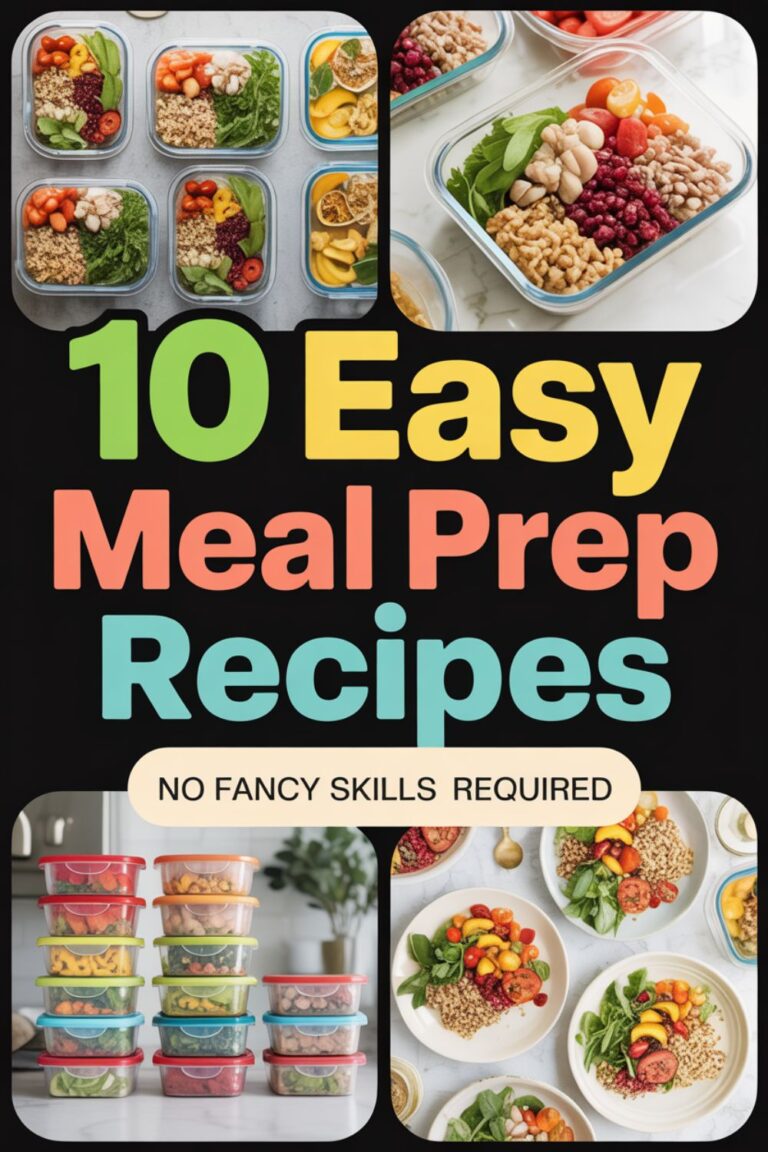
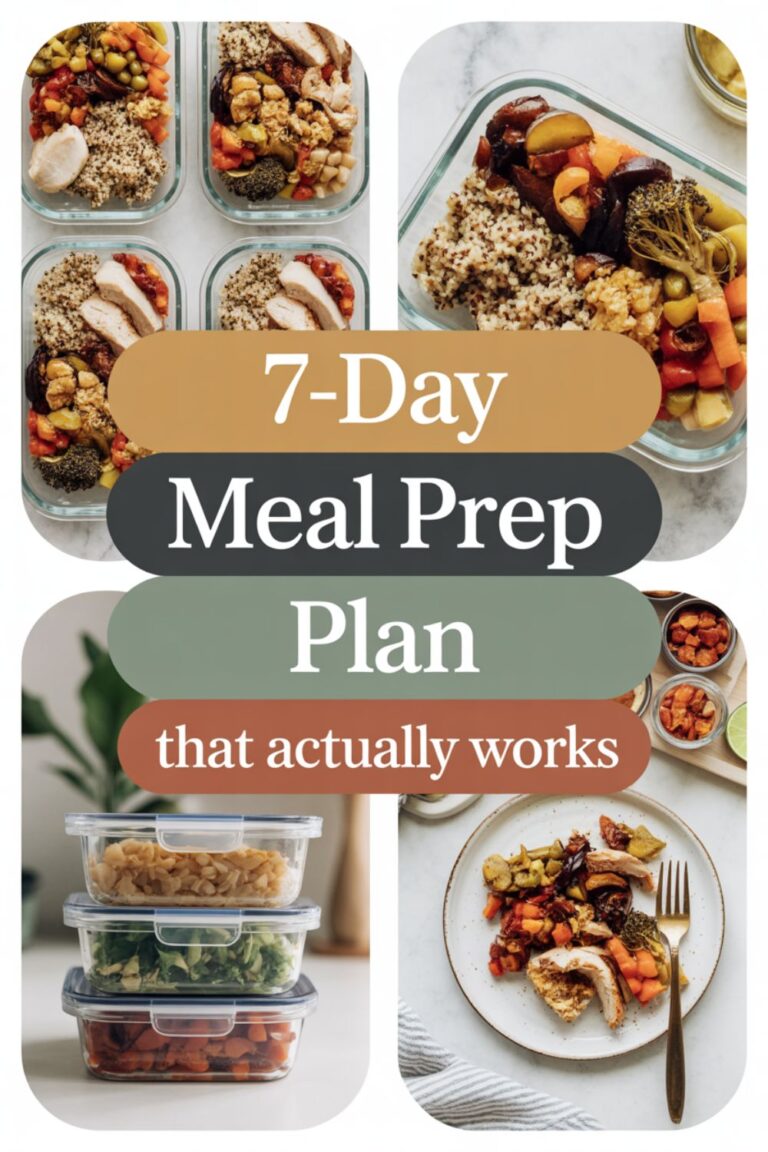
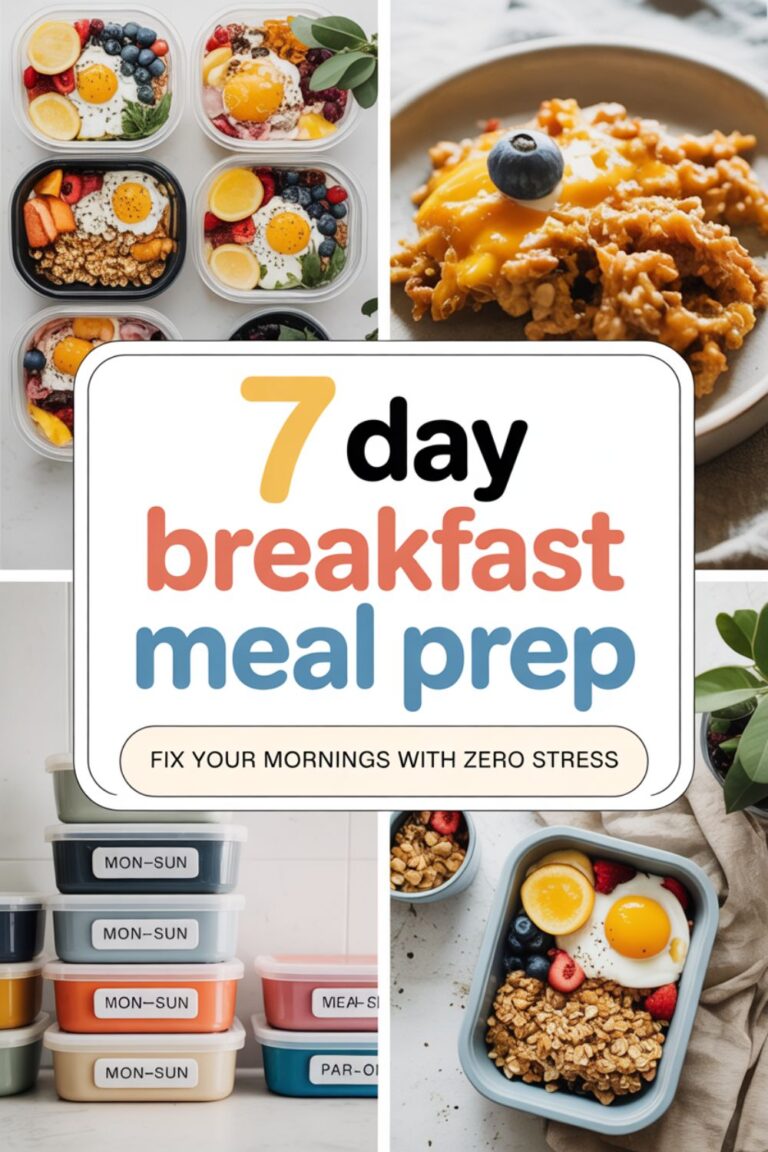
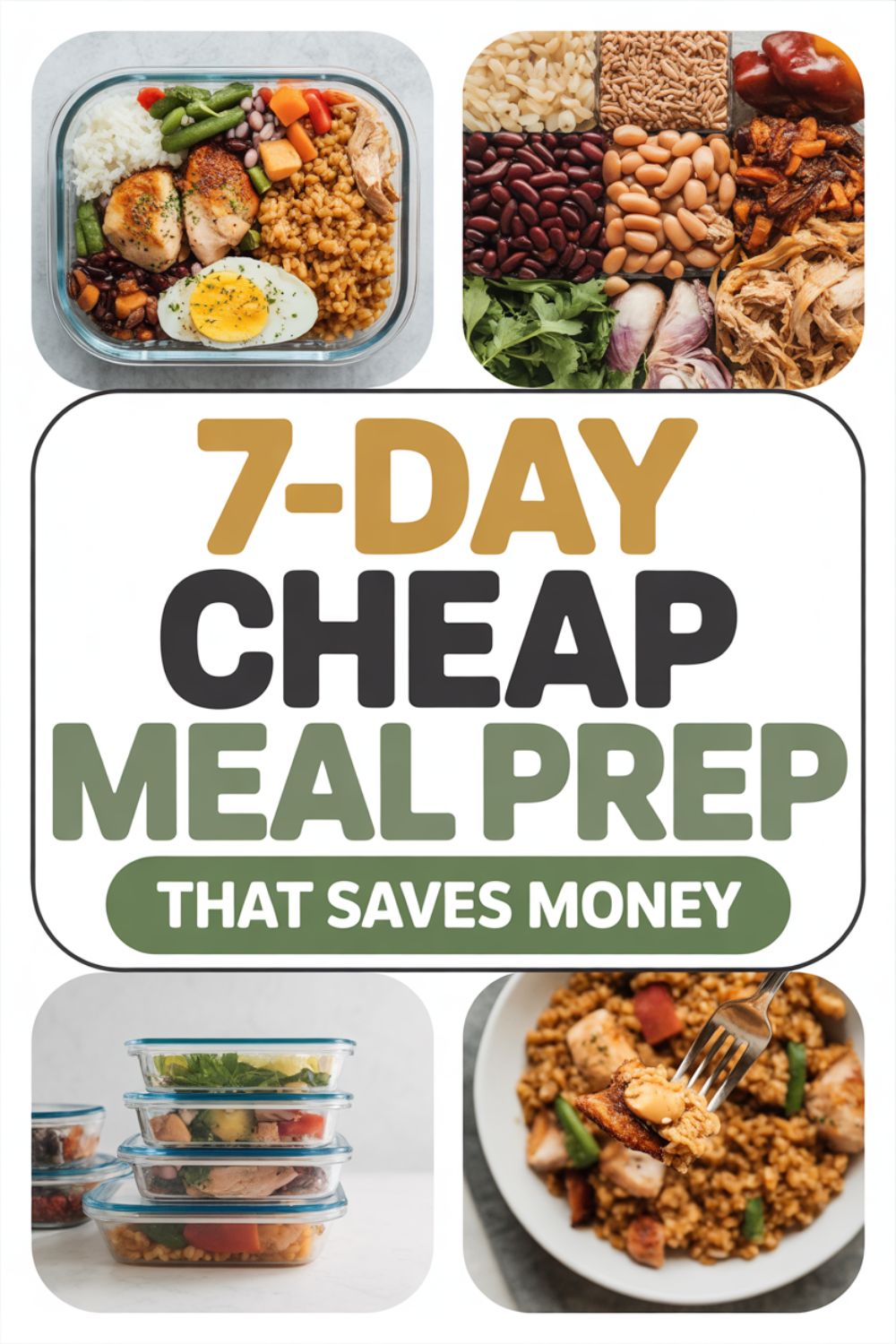
7-Day Cheap Meal Prep That Saves Money
Build Your Perfect Meal Prep Plan
7-Day Cheap Meal Prep That Saves Money
Let’s be real—grocery bills are no joke right now. You want to eat healthy, maybe lose some weight, but every time you check out at the store, you’re mentally calculating if you can still afford that oat milk.
I get it. I’ve been there, staring at my bank account wondering how I spent $200 on groceries that somehow only lasted four days.
Here’s what changed everything for me: meal prep. But not the fancy, Instagram-perfect kind with twelve different containers and exotic ingredients. I’m talking about real, budget-friendly meal prep that actually saves you money without making you eat sad chicken and rice all week.
This 7-day plan is built around affordable staples, strategic shopping, and meals that taste good enough that you’ll actually stick with them. No $8 specialty flours. No ingredients you’ll use once and then let rot in your pantry.
How This Budget Meal Prep Plan Works
This isn’t about deprivation or eating boring food. It’s about being smart with your dollars while still enjoying what you eat.
The whole plan is built on three principles that actually work:
We’re Using Staple Ingredients That Go Far
Rice, beans, eggs, chicken thighs, frozen vegetables—these are the workhorses of budget cooking. They’re cheap, versatile, and when you know how to season them properly, they never get boring. One package of chicken thighs can give you protein for three different meals. A bag of rice becomes the base for lunches all week.
I’m not asking you to buy fifteen different spices or hunt down specialty ingredients at three different stores. Everything in this plan comes from a regular grocery store, and most of it’s stuff you probably already have or will use again.
We’re Cooking in Batches to Save Time and Money
When you batch cook, you’re using your oven or stovetop more efficiently. Instead of heating up your oven seven different times to cook chicken seven different ways, you’re roasting everything you need for the week in one go. Your energy bill thanks you, and so does your schedule.
Plus, when you prep ahead, you’re way less likely to order takeout on Wednesday night when you’re exhausted. That’s where the real savings happen—not just in groceries, but in avoiding those $40 DoorDash orders.
We’re Repurposing Components Smartly
The roasted vegetables you make on Sunday show up in your lunch bowls, get scrambled with eggs for breakfast, and become a side dish for dinner. Same vegetables, different meals, zero waste. This is how you stretch a $30 grocery haul into a full week of eating.
Pro Tip: Shop your pantry first. Before you even make a shopping list, check what you already have. That half-bag of rice, those canned beans you forgot about, the frozen vegetables in the back of your freezer—they’re all money you’ve already spent. Use them up first.
Your Complete 7-Day Meal Plan
Here’s exactly what you’ll eat this week. Every meal is designed to be filling, nutritious, and ridiculously affordable. I’ve included protein amounts because that’s usually what keeps you satisfied and prevents the 3pm snack attack that derails your budget.
Day 1
Three eggs scrambled with bell peppers, onions, and spinach. Toast is cheap, filling, and when you add some salsa, it doesn’t feel basic at all.
This is your meal prep hero. Chicken thighs are way cheaper than breasts and actually taste better. Brown rice, whatever vegetables were on sale, and a drizzle of teriyaki.
Beans are absurdly cheap and packed with fiber. Sweet potatoes add bulk and natural sweetness. Corn tortillas, some shredded cabbage with lime, and you’ve got tacos that cost maybe $1.50 per serving.
Day 2
Made the night before with regular oats, milk, mashed banana, and cinnamon. Costs pennies, tastes like comfort.
Same components as Day 1, but swap the teriyaki for some buffalo sauce mixed with a tiny bit of ranch. Completely different meal, same ingredients.
Ground turkey is cheaper than beef and leaner. A jar of pasta sauce, some whole wheat spaghetti, and you’ve got comfort food that doesn’t wreck your budget or your goals.
Day 3
Whole wheat toast, peanut butter, sliced banana, with a side of plain Greek yogurt. The yogurt adds protein without adding much cost if you buy the big tubs.
Using leftover turkey from dinner, black beans, rice, and whatever toppings you have. It’s basically Chipotle at home for a fraction of the price.
Everything goes on one pan. Season the chicken, cut up some potatoes, trim the green beans, drizzle with olive oil, and roast. Cleanup is one pan.
Quick Swap Options
Not a fan of chicken thighs? Use chicken breasts when they’re on sale, or swap for canned tuna mixed with Greek yogurt instead of mayo. Vegetarian? Replace chicken with chickpeas or lentils—they’re even cheaper and pack similar protein when combined with grains.
Hate sweet potatoes? Use regular potatoes, butternut squash, or even extra beans in those tacos. The point is to use what you like and what’s affordable where you shop.
Day 4
Sometimes simple is perfect. Two eggs, a sprinkle of cheese, toast on the side. Done in five minutes.
Take that chicken and potatoes from last night, add some mixed greens or spinach, and you’ve got lunch. No additional cooking required.
This is the ultimate budget meal. Rice, canned black beans, frozen mixed vegetables, and whatever spices you have. Add some cumin and chili powder, and it’s basically a deconstructed burrito.
Day 5
Blend banana, milk, peanut butter, oats, and ice. Tastes like a milkshake, costs about 80 cents to make. If you have protein powder, throw in a scoop, but it’s not necessary.
Hard-boiled eggs mashed with a tiny bit of mayo or Greek yogurt, salt, pepper, maybe some mustard. Between two slices of bread with lettuce. So satisfying.
Use the last of your prepped chicken. Frozen stir-fry vegetables are cheap and already cut. Some soy sauce, garlic, ginger if you have it. Serve over rice.
Day 6
Plain Greek yogurt (way cheaper than the flavored stuff), whatever fruit is affordable—frozen berries work great—and some granola for crunch.
Canned tuna is criminally underrated. Mix it with a little Greek yogurt, wrap it in a tortilla with some veggies, and you’ve got a protein-packed lunch for under $2.
Bake a few potatoes, set out toppings like black beans, shredded cheese, steamed broccoli, salsa, Greek yogurt instead of sour cream. Everyone builds their own, and potatoes are dirt cheap.
Air-popped or microwave, popcorn is a whole grain that costs almost nothing and gives you something crunchy to munch on.
Day 7
Scrambled eggs, black beans, cheese, wrapped in a tortilla. Make a few and freeze them for emergency breakfasts next week.
This is clean-out-the-fridge day. Take whatever proteins and vegetables you have left, throw them over rice or greens, add your favorite sauce. It’s different every time.
Pasta, jarred marinara, canned white beans stirred in for protein and fiber. Parmesan on top if you have it. Comfort food that feels fancy but costs next to nothing.
Week 1 Prep Checklist
Sunday Prep (2-3 hours):
- Cook a big batch of rice (brown or white, whatever you prefer)
- Roast chicken thighs with your favorite seasoning
- Prep vegetables: wash, chop, and roast a large batch
- Hard-boil a dozen eggs
- Make overnight oats for the week
- Portion out snacks into containers or bags
Storage tip: Rice and chicken keep for 4 days in the fridge, so you might want to prep half mid-week if you’re nervous about food safety. Roasted vegetables actually get better after a day or two.
Speaking of budget-friendly meals…
If you’re loving this approach, you’ll definitely want to check out 21 Low-Calorie Meals That Keep You Full. It’s got even more ideas for meals that don’t break the bank or leave you starving an hour later.
What You’ll Eat (The Big Picture)
Let me break down what this week really looks like from a nutrition and budget standpoint, because I know you’re probably wondering if this is actually balanced or just cheap for the sake of being cheap.
Protein Sources That Won’t Drain Your Wallet
We’re rotating between chicken thighs (fattier than breasts but way more affordable and flavorful), eggs, canned tuna, ground turkey, beans, and Greek yogurt. Each of these costs significantly less per gram of protein than fancy cuts of meat or overpriced protein bars.
The magic is in the variety. You’re not eating the same protein every single meal, so you don’t get that mental fatigue that makes you order pizza on day three.
Carbs That Actually Keep You Full
Rice, oats, potatoes, whole wheat bread, and beans are your carb sources. Notice what’s not on that list? Anything trendy or expensive. These are foods humans have been eating for centuries because they work. They’re filling, they’re cheap, and they give you energy without the crash.
People overcomplicate carbs. Unless you have a specific medical reason to avoid them, there’s no need to spend extra on cauliflower rice or almond flour bread when regular rice and whole wheat bread cost a fraction and do the job perfectly.
Vegetables Without the Markup
Here’s a secret: frozen vegetables are just as nutritious as fresh, sometimes more so because they’re frozen right after harvest. They’re also way cheaper and don’t go bad in your crisper drawer.
We’re using a mix of frozen and fresh—whatever’s on sale. Cabbage, carrots, onions, bell peppers when they’re affordable, frozen broccoli and green beans, canned tomatoes. Nothing exotic, nothing that’ll sit in your fridge and rot.
For meal prep tools that make batch cooking actually enjoyable, I always recommend having good glass meal prep containers that you can see through. It sounds silly, but when you can see your food, you’re way more likely to actually eat it instead of letting it become a science experiment in the back of your fridge.
Meal Prep & Kitchen Setup That Makes Life Easy
You don’t need a fancy kitchen or expensive equipment to make this work. In fact, most of my early meal prep was done in a tiny apartment kitchen with a temperamental oven and about three feet of counter space.
The Only Tools You Actually Need
A couple of sheet pans for roasting everything. One large pot for cooking rice or pasta. A decent chef’s knife that’s actually sharp—dull knives make chopping a nightmare and are more dangerous. And containers. Lots of containers.
That’s it. You don’t need an Instant Pot, air fryer, or sous vide machine. Those are nice to have, but they’re not necessary, especially when you’re trying to save money.
The Sunday System That Actually Works
Sunday afternoon, set aside two to three hours. Put on a podcast or your favorite playlist. Start with the longest-cooking items first—if you’re roasting chicken and vegetables, get those in the oven immediately.
While things are roasting, cook your rice. While the rice is cooking, hard-boil eggs. While eggs are boiling, chop any raw vegetables you’ll need for the week. See how this works? You’re stacking tasks so you’re never just standing around waiting.
By the end, you should have cooked protein, cooked grains, prepped vegetables, hard-boiled eggs, and maybe some overnight oats ready to go. Everything gets portioned into containers, and you’re set.
Pro Tip: Label your containers with masking tape and a marker. Write what’s in it and what day you plan to eat it. This sounds excessive, but it eliminates decision fatigue during the week. You grab Monday’s lunch, heat it up, done. No thinking required.
How to Store Everything Without Wasting Space
Stack containers of the same size. Keep all breakfasts together, all lunches together. It sounds obvious, but when you’re tired on Monday morning, you don’t want to dig through six containers to find your breakfast.
Rice and cooked grains stay good in the fridge for about four days, five if you’re pushing it. If you’re worried, prep half on Sunday and half on Wednesday. It’s an extra thirty minutes mid-week, but it keeps things fresh.
Cooked chicken is good for four days. Hard-boiled eggs last a week. Roasted vegetables actually improve after a day in the fridge—something about the flavors melding together.
Meal Prep Essentials Used in This Plan
Glass Meal Prep Containers
Get the ones with locking lids that are both microwave and dishwasher safe. Being able to see your food matters more than you’d think. Shop containers
Quality Sheet Pans
Heavy-duty pans that won’t warp. The rimmed edges catch drippings and make everything easier to slide off. Shop sheet pans
Sharp Chef’s Knife
A good knife makes prep work faster and safer. You don’t need a whole set, just one quality 8-inch chef’s knife will handle 90% of your cutting tasks.
Rice Cooker (Optional)
Makes perfect rice every time without watching the stove. Also keeps it warm. Basic rice cooker pays for itself in convenience.
Budget Meal Planning Template
Digital download with weekly templates, shopping lists, and budget trackers. Takes the guesswork out of planning. Get template
30-Day Meal Prep Challenge Guide
Step-by-step guide to build the meal prep habit with daily tips and tricks. Download guide
Common Mistakes That Kill Results
I’ve seen people try meal prep, give up after a week, and swear it doesn’t work for them. Usually, it’s not that meal prep doesn’t work—it’s that they made one of these totally avoidable mistakes.
Making Everything on Sunday and Expecting It to Stay Fresh
If you cook everything Sunday and try to eat it Thursday or Friday, yeah, it’s going to taste like cardboard. According to USDA food safety guidelines, most cooked proteins stay safe for three to four days in the fridge.
The solution isn’t to give up on meal prep—it’s to split your prep. Do a big batch Sunday for Monday through Wednesday. Then do a quick thirty-minute prep Wednesday evening for Thursday and Friday. Or prep some things to freeze and pull out mid-week.
Buying Ingredients Without a Plan
Walking into a grocery store without a list and a plan is how you end up with random ingredients that don’t go together, stuff that rots in your fridge, and still nothing to eat for dinner. This is the opposite of saving money.
Before you shop, sit down for fifteen minutes and write out your meals for the week. Make a list of exactly what you need. The USDA MyPlate program has free meal planning templates if you need somewhere to start.
Trying to Make Everything Pinterest-Perfect
Those meal prep photos with twelve perfectly arranged containers and color-coded vegetables? They’re beautiful, but they’re not realistic for most people. Spending three hours arranging food into tiny compartments isn’t sustainable.
Your food doesn’t need to look like art. It just needs to taste good and be ready when you’re hungry. Simple works. Boring works. Consistent works.
Not Seasoning Your Food Properly
This is the number one reason people quit meal prep. They make bland chicken and unseasoned rice, eat it for two days, get completely sick of it, and order pizza.
Salt, pepper, garlic powder, onion powder, paprika, cumin, chili powder—these are cheap seasonings that make everything taste better. Use them. Generously. Your prepped chicken should taste good, not like punishment for trying to save money.
Pro Tip: Make a big batch of seasoned rice instead of plain. Cook your rice with a little butter or oil, salt, garlic powder, and maybe some chicken bouillon. It costs the same as plain rice but tastes a hundred times better and keeps you from getting bored.
Forgetting About Food Safety
Cool your food properly before storing it. Hot food should be refrigerated within two hours of cooking, according to FoodSafety.gov guidelines. Divide large batches into shallow containers so they cool faster—don’t just stick a whole pot in the fridge.
Keep your fridge at forty degrees or below. Date your containers so you know what needs to be eaten first. When in doubt, throw it out. Food poisoning is way more expensive than wasting a container of questionable chicken.
Need more variety in your routine?
Check out 7-Day Meal Prep Plan for Busy Women for additional meal ideas that are just as budget-friendly but offer different flavor profiles and cooking methods.
Customizing This Plan for Your Lifestyle
This plan is a framework, not a prison sentence. You should absolutely adapt it to work for your life, your preferences, and your budget.
If You’re Vegetarian or Vegan
Swap the chicken for chickpeas, lentils, or tofu. Beans are even cheaper than chicken and pack similar protein when you pair them with grains. Replace eggs with tofu scrambles or oatmeal with added seeds and nuts. Greek yogurt becomes plant-based yogurt.
The structure stays the same—you’re still batch cooking proteins, grains, and vegetables. You’re just using different proteins.
If You’re Feeding a Family
Scale everything up. Instead of one sheet pan of chicken, make two. Instead of one pot of rice, make two. The beauty of meal prep is that doubling a recipe usually doesn’t double your time—it just means you need bigger pots and more containers.
Get your family involved. Kids can help wash vegetables, portion snacks, or assemble their own lunch containers. It teaches them valuable skills and makes them more likely to actually eat the food.
If You Have Specific Dietary Goals
Trying to lose weight? The meals in this plan already portion-controlled and balanced. You can adjust serving sizes based on your needs. Check out 7-Day 1200 Calorie Meal Plan for Weight Loss if you need specific calorie targets.
Need more protein? Add an extra egg to breakfast, an extra portion of chicken to lunch, or a protein shake as your snack. Need fewer carbs? Reduce your rice portions and increase your vegetables.
The plan is flexible. Use it as a starting point and adjust as you learn what works for your body and goals.
If You’re Working With an Even Tighter Budget
Focus on the cheapest proteins: eggs, canned tuna, beans, and whatever meat is on sale that week. Buy frozen vegetables instead of fresh—they’re often cheaper and just as nutritious. The USDA’s Thrifty Food Plan provides guidelines for eating nutritiously on minimal budgets.
Skip the Greek yogurt and use regular milk or make your own yogurt. Make your own granola instead of buying it. Bake your own bread if you have time—flour and yeast are incredibly cheap.
Every little substitution adds up. Don’t let perfection stop you from starting.
Tools & Resources That Make Cooking Easier
Meal Prep Labels & Marker
Waterproof labels and markers keep you organized. Know what’s what and when it expires without playing the guessing game. Get label set
Kitchen Scale
Helps with portion control and following recipes accurately. Also great for tracking food if you’re counting calories or macros. Shop scales
Slow Cooker
Set it in the morning, come home to dinner. Perfect for making big batches of soups, stews, and shredded meats with almost no effort. Browse slow cookers
Weekly Grocery Budget Planner
Digital spreadsheet that tracks spending, compares prices, and helps you stick to your food budget every week. Download planner
100 Budget Recipes eBook
Collection of tested recipes all under $5 per serving. Includes breakfast, lunch, dinner, and snacks. Get cookbook
Freezer Meal Prep Guide
Learn how to prep and freeze meals that actually taste good when reheated. Game-changer for busy weeks. Download guide
Real Talk: What This Actually Costs
Let’s talk numbers because that’s probably why you’re here.
This entire week of meal prep—breakfast, lunch, dinner, and snacks for seven days—should cost you between thirty and fifty dollars depending on where you live and what’s on sale. That’s roughly four to seven dollars per day for all your meals.
Compare that to eating out even once a day. A fast-food lunch is eight to twelve dollars. A dinner out is fifteen to thirty dollars. Even just buying lunch every workday is forty to sixty dollars a week, and that’s being conservative.
The first week might cost a little more because you’re stocking up on staples—rice, oats, spices, oils. But those ingredients last for weeks or months, so your second week will be cheaper. By week three or four, you’re really seeing the savings because you’re only replacing what you used.
Pro Tip: Keep a running list of how much money you’re not spending on takeout. Every time you eat a prepped meal instead of ordering delivery, add what you would have spent to a savings jar or separate account. Watch it add up. It’s motivating.
Where the Savings Actually Come From
Buying whole ingredients instead of prepared foods. A rotisserie chicken is nine dollars. Raw chicken thighs are four dollars per pound, and a pound feeds you for multiple meals.
Cooking at home instead of paying restaurant markup. That burrito bowl you love at Chipotle? It’s twelve dollars there. Made at home with the same ingredients? About two dollars.
Not wasting food because everything has a purpose. When you buy ingredients with a plan, they get used. No more throwing away half a head of wilted lettuce or mystery leftovers growing fur in the back of the fridge.
Avoiding impulse purchases. When you have food ready at home, you’re way less likely to grab a coffee and muffin at the drive-through or order pizza because you don’t feel like cooking.
Looking for even more ways to save?
The strategies in 30-Day Weight Loss Meal Plan That Actually Works focus on affordable ingredients and efficient batch cooking that can save you even more money over time.
Making It Work Long-Term
The key to actually sticking with meal prep isn’t perfection—it’s building a system that’s sustainable for you.
Start Small If You Need To
Don’t feel like you need to prep every single meal right away. Start with just prepping lunches for work. Or just dinners. Or even just breakfast. Pick one meal, master that, then add another.
The person who preps one meal a week consistently for a month is way better off than the person who preps every meal for one week, burns out, and quits.
Keep a Rotation of Favorite Meals
You don’t need endless variety. Find five to seven meals you actually like and rotate them. Once you have those down, you’re not constantly figuring out new recipes or buying new ingredients. You can shop and prep on autopilot.
Then, when you get bored, swap out one meal for something new. Keep what works, adjust what doesn’t.
Build in Flexibility
Life happens. Sometimes you’re going to order pizza. Sometimes you’re going to go out for dinner. That’s fine. The goal isn’t to never eat out again—it’s to make eating out a choice instead of a default because you have no food.
If you prep for five days instead of seven, you’ve built in wiggle room for weekend social plans or that Friday when you just don’t feel like eating your prepped food.
For grab-and-go convenience…
Combine this plan with ideas from 21 Grab and Go Weight Loss Meals to create a mix of prepped meals and portable options that fit any schedule.
Track Your Progress (But Not Obsessively)
Notice what you’re actually eating versus what you’re throwing away. If you keep making overnight oats but never eat them, stop making them. If you demolish all your chicken and rice bowls by Wednesday, make more next week.
Pay attention to your grocery spending. Are you actually saving money, or are you buying too many ingredients and wasting them? Adjust as you go.
The plan should evolve with you. What works in your first month might need tweaking by month three, and that’s completely normal.
Your Shopping List for Week 1
Here’s exactly what to buy to make this week’s meal plan happen. This list assumes you have basic pantry staples like salt, pepper, and cooking oil.
Proteins
- Chicken thighs (2 pounds)
- Ground turkey (1 pound)
- Eggs (18 count)
- Canned tuna (2 cans)
- Greek yogurt (32 oz tub)
Grains & Bread
- Brown or white rice (2 pounds)
- Rolled oats (large container)
- Whole wheat bread (1 loaf)
- Whole wheat pasta (1 pound)
- Corn tortillas (1 package)
Produce
- Bananas (1 bunch)
- Apples (5-6)
- Carrots (1 bag)
- Cabbage (1 small head)
- Sweet potatoes (3-4)
- Potatoes (3 pounds)
- Onions (2-3)
- Bell peppers (2-3)
- Spinach or mixed greens (1 container)
Frozen
- Mixed vegetables (2 bags)
- Green beans (1 bag)
Canned/Jarred
- Black beans (3 cans)
- White beans (1 can)
- Pasta sauce (1 jar)
- Salsa (1 jar)
Dairy
- Milk (half gallon)
- Shredded cheese (1 bag)
- String cheese (1 package)
Pantry
- Peanut butter (if you don’t have it)
- Hummus (1 container)
- Teriyaki sauce or soy sauce
This entire list should come in under forty dollars at most regular grocery stores, especially if you shop sales and use coupons. Some items like oats, rice, and peanut butter will last beyond this week, making your next shopping trip even cheaper.
Want meals that don’t need reheating?
If you’re tired of microwaving everything, check out 30 No-Reheat Weight Loss Lunches for Work for cold meal ideas that are perfect for meal prep.
Frequently Asked Questions
How long does meal prepped food actually stay good in the fridge?
Most cooked proteins and complete meals stay safe for three to four days when properly stored at forty degrees or below. If you’re worried about food lasting the full week, split your prep—cook half on Sunday and half on Wednesday. You can also freeze portions for later in the week.
Can I really feed myself for this cheap, or is this unrealistic?
This is absolutely realistic, especially if you’re strategic about sales and seasonal produce. The first week might cost slightly more while you stock up on pantry staples, but after that, you’re only replacing what you used. Thirty to fifty dollars per week for all your meals is very achievable in most areas.
What if I don’t have time for a big Sunday prep session?
Then don’t do a big Sunday prep session. Break it into smaller chunks—thirty minutes Sunday, thirty minutes Wednesday. Or prep just one component each night after dinner. The all-or-nothing approach is what makes people quit. Do what actually fits your schedule.
Do I need special containers or will any containers work?
Any airtight containers will work. You don’t need to buy expensive meal prep containers. Clean takeout containers, mason jars, even reused food containers from products you bought—as long as they seal well and are microwave-safe, they’re fine.
What if I get sick of eating the same thing all week?
Use different sauces and seasonings on the same base ingredients. Your chicken and rice bowl can taste like teriyaki Monday, buffalo Tuesday, and curry Wednesday—same ingredients, completely different flavors. Also, build variety into your plan from the start instead of eating literally the same meal seven times.
Final Thoughts
Meal prep doesn’t have to be complicated, expensive, or time-consuming to work. This 7-day plan proves that you can eat well, save money, and reclaim your weeknights without turning into a professional chef or meal prep influencer.
The secret isn’t in fancy ingredients or perfect Instagram containers. It’s in having a simple, repeatable system that uses affordable staples and actually fits into your real life. Start with this plan, adjust it to match your preferences and schedule, and watch both your stress levels and your grocery bills drop.
Your future self—and your bank account—will thank you for taking the time to get this system in place. Now go make that grocery list and get started.