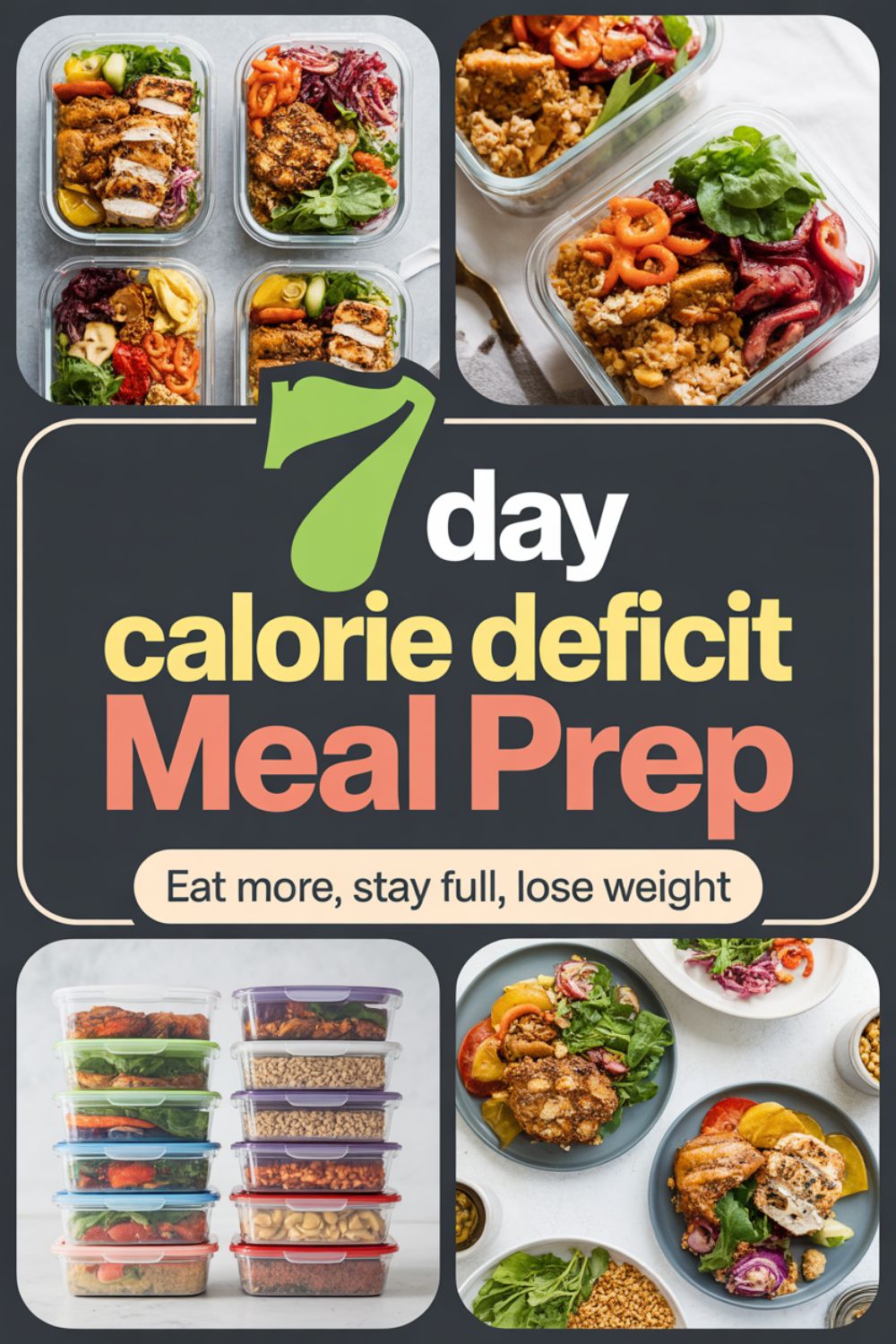
7-Day Calorie Deficit Meal Prep Without Hunger
Let me guess—you’ve tried the whole “eat less, move more” thing, and all it got you was hangry afternoons and late-night fridge raids. You’re not failing at weight loss. The approach is failing you. A calorie deficit doesn’t have to feel like punishment. When you nail the prep, pick the right foods, and time things correctly, you can drop weight without constantly thinking about your next meal.
I’ve spent years tinkering with meal prep strategies, and here’s what I’ve learned: hunger is optional. The real secret isn’t willpower—it’s strategic planning that sets you up to win before Monday even starts. This 7-day plan keeps you satisfied, your energy steady, and your progress real.
We’re talking high-protein breakfasts that actually fill you up, lunches you’ll genuinely look forward to, and dinners that don’t leave you scrounging for snacks an hour later. No sad desk salads. No mystery casseroles. Just real food that works.
Why Most Calorie Deficit Plans Leave You Starving
Here’s the deal: your body doesn’t care about your weight loss goals. When you slash calories without thinking about nutrient density, your brain sends out hunger signals like it’s launching flares from a sinking ship. You’re not weak for caving to those signals—you’re human.
The problem with most calorie deficit approaches is they focus exclusively on the numbers. Cut 500 calories. Track everything. White-knuckle your way through cravings. According to research on sustainable calorie deficits, that’s exactly why so many people bounce back harder than they started.
What actually works? Volume eating with protein-forward meals. When you fill your plate with foods that take up physical space in your stomach, trigger satiety hormones, and provide steady energy, the deficit stops feeling like deprivation. You’re full. You’re satisfied. And the scale still moves.
Think fibrous vegetables, lean proteins, and smart carbs that don’t spike your blood sugar and send you crashing two hours later. When you build meals around these foundations, you can eat surprising amounts of food while staying in deficit. That’s not a hack—that’s just understanding how your body actually processes food.
The 7-Day Framework That Actually Works
Forget complicated meal plans that require seventeen ingredients you’ll use once. This framework keeps it simple: three core proteins, a rotation of vegetables, and strategic carbs around your activity. That’s it.
Day 1-2: High Protein Kickoff
Start your week with protein-heavy meals that set the tone. We’re building on a foundation that keeps you full longer and supports muscle retention while in deficit. Breakfast might be a simple egg scramble with spinach and turkey sausage. Lunch leans into grilled chicken with roasted Brussels sprouts and quinoa. Dinner keeps it straightforward with baked salmon, asparagus, and sweet potato.
The magic here isn’t the specific foods—it’s the protein-to-volume ratio. Each meal delivers 30-40 grams of protein with enough fiber and water content to fill you up. For more ideas on structuring high-protein meals, check out these high-protein meal prep recipes that keep variety in rotation.
Day 3-4: Strategic Carb Cycling
Midweek is where most people crash. Energy dips. Cravings spike. This is exactly when you need to reintroduce slightly more carbs to keep your metabolism responsive. Think brown rice with your chicken stir-fry, or whole grain pasta with lean turkey meatballs.
According to studies on optimal diet strategies for weight loss, strategic carbohydrate timing can help maintain energy expenditure during calorie restriction. You’re not derailing progress—you’re staying in the game long enough to actually see results.
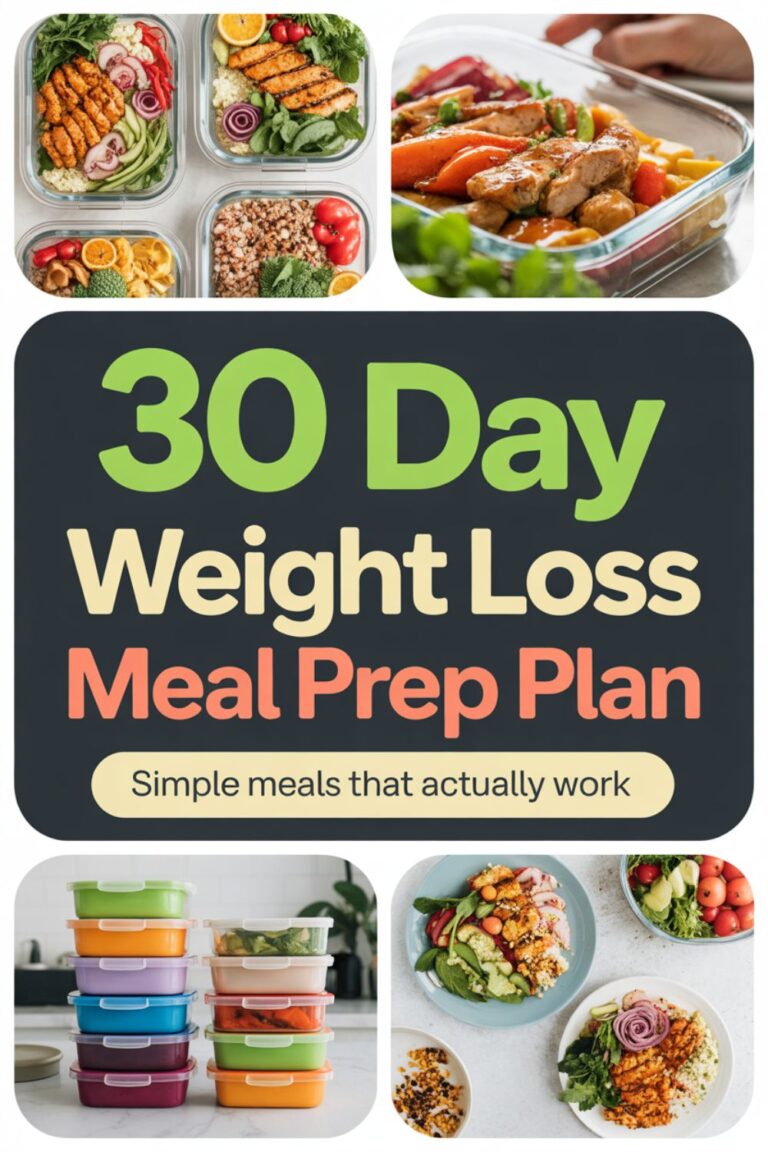
If you’re looking for complete meal structures that incorporate this cycling approach, these 21-day weight loss meal prep plans lay out exactly how to time your macros throughout the week.
“I started with this framework three months ago and I’m down 18 pounds without feeling like I’m on a diet. The protein focus changed everything—I’m not snacking constantly anymore.” — Sarah M., community member
Day 5-7: Maintenance and Flexibility
Weekend meal prep doesn’t have to mean eating chicken and broccoli at your nephew’s birthday party. Build in flexibility with one-pan sheet meals you can assemble in minutes. Toss chicken thighs, bell peppers, and red onions with olive oil and seasoning. Roast everything at 425°F for 35 minutes. Done.
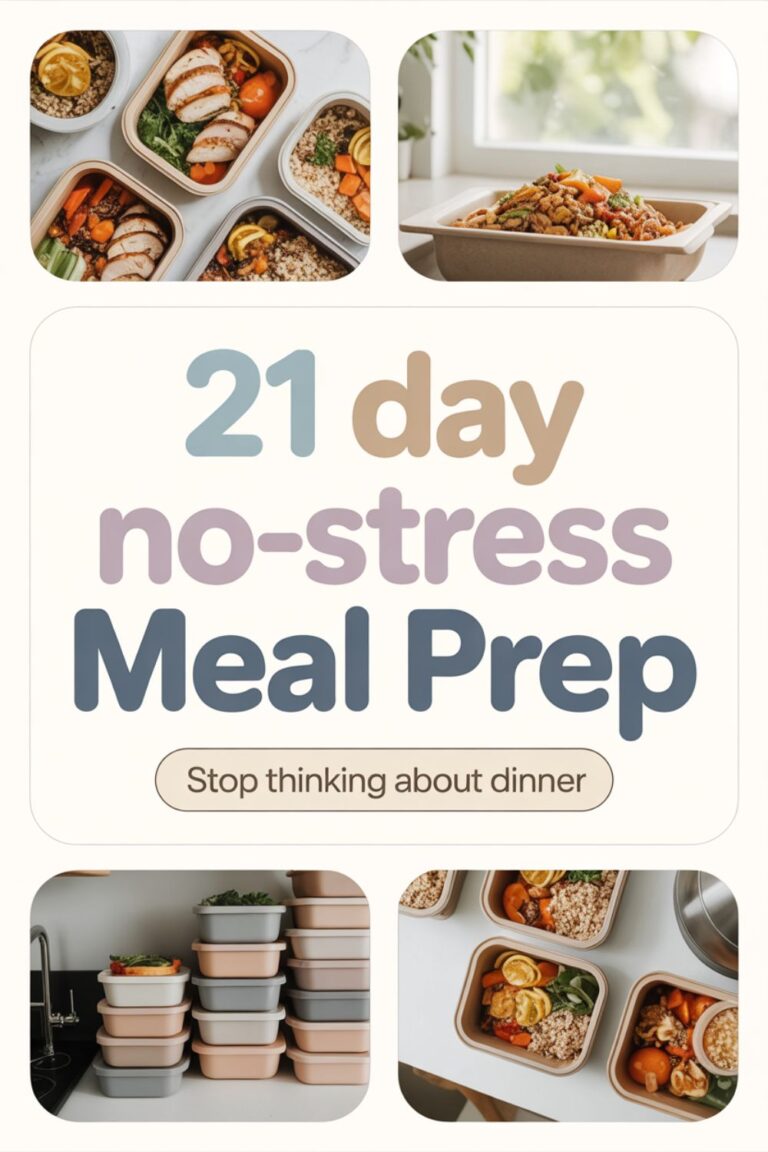
The goal here is sustainability. If your meal prep feels like a prison sentence, you’ll quit. If it feels like slightly more organized eating, you’ll stick with it. Speaking of easy approaches, these sheet pan meal prep ideas remove the friction from weekend cooking.
Meal Prep Essentials Used in This Plan
Physical Products That Make Prep Easier
- Glass meal prep containers (5-pack) – I use these religiously. They don’t stain, they’re microwave-safe, and the snap lids actually seal. No more mystery leaks ruining your bag.
- Digital food scale – If you’re serious about hitting your calorie targets, eyeballing portions is a fast track to confusion. This one’s accurate to the gram and doesn’t take up half your counter.
- Silicone baking mats (2-pack) – I use these on everything short of cereal bowls. Zero sticking, zero scrubbing. Your sheet pans will thank you.
Digital Resources Worth Checking Out
- Complete Macro Tracking Guide (PDF) – Takes the guesswork out of calculating your specific calorie needs. Includes adjustments for activity level and metabolic differences.
- 100+ Budget-Friendly Recipes eBook – Because eating in deficit doesn’t require expensive ingredients. Real food, real budgets.
- Weekly Meal Planning Template – Plug-and-play spreadsheet that organizes your grocery list and prep schedule. Saves me about 45 minutes every Sunday.
Looking for community support? Our WhatsApp Meal Prep Community shares weekly tips, recipe swaps, and accountability check-ins. It’s the kind of group that actually stays active because everyone’s solving the same problems you are.
Breaking Down the Macro Math Without the Headache
Let’s talk numbers, but I promise to keep it practical. A sustainable calorie deficit for most people lands around 300-500 calories below maintenance. That’s enough to see consistent progress without triggering your body’s “we’re starving, better hoard every calorie” response.
Here’s the rough breakdown that works for most people targeting fat loss: 40% protein, 30% carbs, 30% fats. Before you start calculating to the decimal point, understand this is a starting framework, not gospel. Some people feel better with more carbs. Others thrive on higher fat. The key is finding what keeps you full and energized.
For a 1,500-calorie day (which is on the lower end—adjust based on your needs), you’re looking at roughly 150g protein, 112g carbs, and 50g fat. That might sound like a lot of protein, but when you spread it across three meals and a snack, it’s totally manageable. Research on calorie deficit guidelines consistently shows that higher protein intake during restriction helps preserve muscle mass and keeps hunger at bay.
If math makes your brain hurt or you just want pre-calculated options, these low-calorie meal prep recipes have all the macros already worked out. Just pick what sounds good and roll with it.
Smart Swaps That Save Calories Without Sacrificing Taste
Here’s where meal prep gets interesting. Small substitutions compound over the week into significant calorie savings—without making your food taste like cardboard.
Greek yogurt instead of sour cream. Same creamy texture, triple the protein, half the calories. Use it on tacos, in dips, or mixed with ranch seasoning for a killer veggie dip.
Cauliflower rice swapped for white rice. I know, I know—everyone’s tired of cauliflower pretending to be other foods. But hear me out. When you mix it 50/50 with regular rice, you cut calories significantly without noticing the difference. Plus you’re sneaking in extra vegetables, which means more volume for fewer calories.
Almond butter versus regular peanut butter. Nutritionally they’re pretty similar, but almond butter tends to have slightly more fiber and vitamin E. The real win is it tastes less sweet, so you’re less likely to go back for a second spoonful. Or maybe that’s just me.
For more ingredient swaps and plant-based alternatives that work in meal prep, check out these vegetarian meal prep ideas that focus on volume and satisfaction.
Speaking of satisfaction, let’s talk about breakfast—the meal most people either skip or absolutely tank their deficit with. If mornings are chaos in your house, you might want to look at these 7-day breakfast meal prep options that you literally grab and go.
Tools and Resources That Make Cooking Easier
Kitchen Tools Worth the Investment
- Instant-read meat thermometer – Stop guessing if your chicken is cooked. This one beeps when you hit temp and saves you from both food poisoning and overcooked leather.
- Vegetable chopper with multiple blades – Cuts prep time in half. Literally. Dice an onion in like four seconds. Game changer for people who hate chopping.
- Mini kitchen scale for portions – Different from the food scale mentioned earlier. This tiny one travels well and helps you portion snacks without bringing your whole kitchen setup.
Digital Tools and Apps
- Meal Timing Optimization Guide – Explains when to eat carbs based on your workout schedule and energy needs. Takes the guesswork out of nutrient timing.
- Calorie Deficit Calculator Spreadsheet – Plug in your stats, get your personalized targets. Updates automatically as you lose weight so your deficit stays accurate.
- Grocery Price Comparison Tool – Because eating in deficit shouldn’t mean breaking the bank. Finds the best deals on proteins and vegetables in your area.
Handling the Mental Game of Staying in Deficit
Let’s address the elephant in the room: calorie deficits mess with your head. You’ll have days where you feel amazing, energetic, totally in control. And you’ll have days where you want to fight someone for their sandwich.
That’s not failure. That’s hormones doing exactly what they’re designed to do. Ghrelin (your hunger hormone) tends to spike during calorie restriction, especially in the first couple weeks. Medical research on calorie deficits shows that this response moderates over time as your body adapts, but those first 10-14 days can be rough.
Here’s what helps: routine. When you eat at consistent times, your body learns when food is coming and stops panicking. When you prep the same base meals with slight variations, you remove decision fatigue. When you build in one flexible meal per week, you take the pressure off perfection.
The people who succeed long-term aren’t the ones with iron willpower. They’re the ones who built systems that make compliance easier than resistance. Remove friction. Make the right choice the easy choice. Stack your environment in your favor.
“The routine thing is real. Once I stopped deciding what to eat every single day and just rotated through my prepped meals, everything got easier. Down 22 pounds in four months.” — Marcus L., community member
If you’re struggling with the mental side of restriction, sometimes the answer is eating more frequently with smaller portions. These quick meal prep ideas work well for that approach—five small meals instead of three bigger ones.
What to Do When the Scale Stops Moving
Plateaus happen. Not if—when. Your body is annoyingly good at adapting to whatever you throw at it. After a few weeks in deficit, your metabolism downregulates slightly, your movement decreases unconsciously (fewer fidgets, less pacing), and suddenly the deficit that was working isn’t.
This is where most people panic and either quit or slash calories even further. Both are mistakes. Instead, try a diet break. For one week, eat at maintenance calories. Not a binge week—actual calculated maintenance. This signals to your body that the famine is over and it can stop hoarding every calorie.
Sounds counterintuitive, right? Taking a break from the deficit to make the deficit work better? But research on metabolic adaptation shows this approach can help restore hormone levels and rev your metabolism back up. Then when you return to deficit, it’s like hitting reset.
Another option: refeed days. One day per week, increase your carbs to maintenance level while keeping protein and fats lower. This can help with workout performance, mood, and metabolism without significantly impacting weekly calorie averages.
The key is having a plan before you hit the plateau. When you know what to do, you don’t panic. You adjust and keep moving. For more strategies on maintaining momentum, these clean eating meal prep plans incorporate strategic refeeds built right into the weekly structure.
Budget-Friendly Calorie Deficit Meal Prep
Real talk: eating in a calorie deficit can actually save you money. You’re buying less food overall, and when you prep strategically, you’re not throwing away half your groceries every week.
Focus on budget proteins: eggs, canned tuna, whole chicken (break it down yourself), and whatever ground meat is on sale. Frozen vegetables are just as nutritious as fresh and they don’t go bad. Buy produce that’s in season—it’s cheaper and tastes better.
I swear by this vacuum sealer for bulk meat purchases. Buy the family pack when it’s on sale, portion it out, freeze it individually. Saves probably $40 a month on protein alone.
Batch cooking is your friend here. Make a huge pot of vegetable soup on Sunday. That’s lunch for three days at maybe $1.50 per serving. Roast two whole chickens. Use the meat for meals, make bone broth from the carcass. Nothing goes to waste.
For complete budget strategies that don’t compromise nutrition, check out these budget meal prep plans that keep cost per meal under $4.
Dinner Prep That Won’t Kill Your Evening
Dinnertime is where good intentions go to die. You’re tired. Everyone’s hungry. The drive-through is right there. This is exactly why dinner prep matters most.
The answer isn’t spending two hours cooking every night. It’s having proteins already cooked and vegetables already chopped. Then “cooking dinner” becomes assembling components in different ways. Monday’s grilled chicken goes over salad. Tuesday it goes in a wrap. Wednesday it’s mixed with pasta and marinara.
I’m a huge fan of the programmable slow cooker for dinner prep. Dump ingredients in the morning, come home to food that’s actually done. No stirring, no monitoring, no stress.
If you’re genuinely short on time and need maximum efficiency, these crockpot meal prep recipes are stupid simple. Throw stuff in, walk away, eat later.
For families juggling multiple schedules and preferences, these family meal prep ideas show you how to prep base components everyone can customize. Kids get plain chicken and rice, you add hot sauce and vegetables, everyone’s happy.
Dealing With Social Situations While in Deficit
Here’s the thing nobody tells you: maintaining a calorie deficit while having an actual social life requires strategy. You can’t avoid every restaurant, birthday party, and happy hour for months on end. That’s not sustainable, and honestly, it’s not worth it.
Instead, bank calories. If you know Friday is dinner out with friends, eat slightly lighter Monday through Thursday. Not drastically—maybe 100-150 fewer calories per day. That gives you 400-600 extra calories to work with on Friday without blowing your weekly deficit.
At restaurants, here’s what actually works: protein-forward entrees with vegetable sides. Skip the bread basket not because carbs are evil, but because 300 calories of bread before your meal even arrives isn’t strategic. Order grilled instead of fried. Ask for dressing on the side. Basic stuff, but it adds up.
And for the love of everything, stop announcing your deficit to everyone at the table. You’re not on a diet—you’re just ordering what you feel like eating. Nobody needs to know your calorie targets except you.
When to Adjust Your Approach
Your initial deficit calculation isn’t set in stone. As you lose weight, your calorie needs decrease. What worked at 180 pounds won’t work at 165. You need to recalculate periodically—every 10-15 pounds lost is a good benchmark.
Also, if you’re consistently exhausted, getting sick frequently, or your performance is tanking (whether that’s at the gym or just getting through your workday), your deficit might be too aggressive. It’s okay to pull back. Slower progress that you can maintain beats rapid loss that destroys your quality of life.
Warning signs you’re cutting too hard: hair loss, disrupted menstrual cycles, constant irritability, insomnia, or obsessive food thoughts. These aren’t character flaws—they’re your body waving red flags. Listen to them.
Sometimes the answer is adding 200-300 calories back and accepting slightly slower weight loss. That’s not giving up. That’s being smart enough to play the long game.
Frequently Asked Questions
How long should I stay in a calorie deficit?
Most people can safely maintain a moderate calorie deficit for 8-12 weeks before needing a diet break. After that, take at least one week at maintenance calories to let your metabolism recover. This isn’t cheating—it’s strategic planning that actually improves long-term results.
Can I build muscle while in a calorie deficit?
Building significant muscle in a deficit is tough, but preserving existing muscle is absolutely doable with adequate protein intake and resistance training. Aim for at least 0.8-1g of protein per pound of body weight and lift heavy things regularly. You might not get bigger, but you won’t lose what you’ve got.
What if I’m not losing weight even though I’m tracking everything?
First, verify your tracking is actually accurate—portion sizes are easy to underestimate. Second, give it time—two weeks minimum before panicking. Your body weight fluctuates daily due to water retention, digestion, and hormones. If after three weeks the scale hasn’t budged and your tracking is tight, reduce calories by 100-150 and reassess.
Should I eat back exercise calories?
Generally no, or at most only 25-50% of them. Calorie burn estimates from apps and fitness trackers are notoriously inflated. If you burned 400 calories according to your watch, maybe eat back 100-150 if you’re genuinely starving. Otherwise, consider it bonus deficit.
Is it okay to have cheat days while in a calorie deficit?
The term “cheat day” is problematic because it implies you’re doing something wrong. Instead, plan refeed days where you intentionally eat at maintenance or slightly above. One higher-calorie day per week rarely derails progress if the other six days are solid. Just don’t turn it into a 5,000-calorie free-for-all and call it strategic.
Making It Stick Beyond Week One
Here’s the truth that most articles skip: Week one is easy. You’re motivated, your containers are new, and you haven’t eaten chicken for the fifth day in a row yet. Week three is where it gets real.
The people who make it work long-term aren’t more disciplined than you. They just built flexibility into the system from day one. They swap recipes every other week. They try new seasonings. They let themselves eat out occasionally without spiraling into guilt.
This isn’t a 7-day sprint. It’s however long it takes to reach your goal, which might be months. You need a plan that doesn’t make you miserable, because misery isn’t sustainable. Period.
Meal prep isn’t about perfection. It’s about consistently doing good enough. Some weeks your meals will be Instagram-worthy. Other weeks you’ll be eating scrambled eggs over spinach for the third time because that’s what worked. Both weeks count. Both weeks move you forward.
The goal isn’t to follow this plan exactly forever. The goal is to learn the principles—prioritize protein, maximize volume, time your carbs strategically, build in flexibility—so you can eventually operate on autopilot. You’ll know what works for your body, your schedule, and your preferences.
Start simple. Prep three days at a time if seven feels overwhelming. Use the same three proteins every week until you’re bored, then switch it up. Give yourself permission to be imperfect. The only way this fails is if you quit entirely.
For additional support and community accountability, these 21 easy meal prep ideas rotate through enough variety that you won’t get bored, even if you’re cycling through them repeatedly. And these meal prep bowls prove that eating in deficit doesn’t mean giving up flavor or satisfaction.
Your calorie deficit doesn’t have to feel like punishment. When you prep smart, eat strategically, and build in the flexibility to actually live your life, weight loss becomes something that happens almost by accident—the natural result of better systems. That’s the difference between another failed diet and actual sustainable change.