7 Day Budget Vegan Meal Prep Anyone Can Do
Look, I’m not going to lie to you and pretend that vegan meal prep is some mystical art reserved for people who own fifteen types of nutritional yeast and can pronounce “quinoa” correctly on the first try. It’s actually stupidly simple, saves you a ridiculous amount of money, and honestly might be the laziest form of self-care you’ll ever commit to.
I started meal prepping because my bank account was crying and my weeknight dinners consisted of sad desk salads and whatever I could microwave in under two minutes. Fast forward a few months, and I’m spending less than six bucks per meal while actually eating food that doesn’t make me question my life choices. The secret? Planning ahead and not overthinking it.
This guide breaks down exactly how to pull off a full week of vegan meal prep without spending your entire Sunday in the kitchen or your entire paycheck at Whole Foods. We’re talking real food, real budgets, and zero pretension.
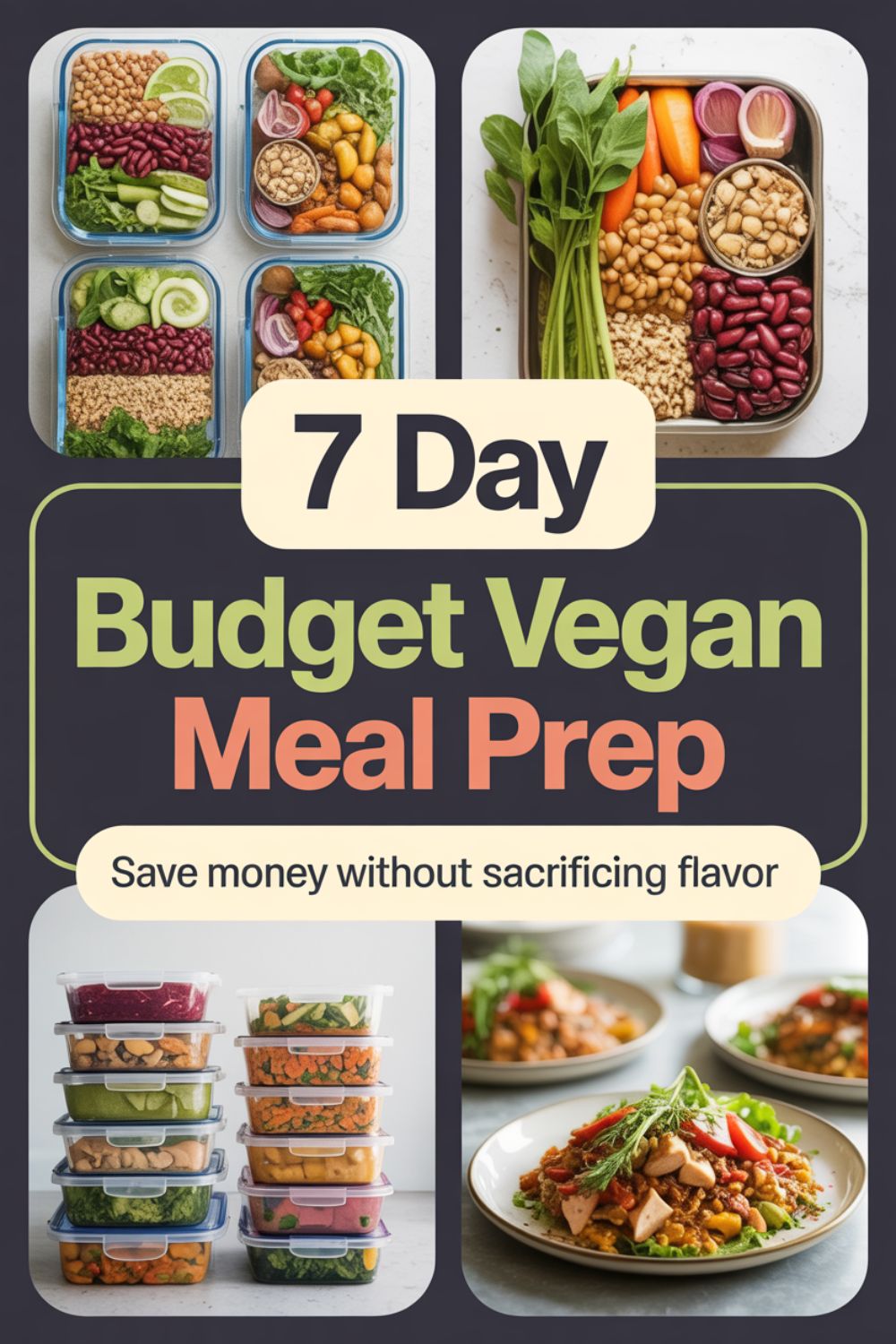
Why Budget Vegan Meal Prep Actually Works
Here’s the thing about vegan ingredients: they’re cheap as hell when you stop buying the fancy “plant-based” products marketed to people with more money than sense. Beans, rice, lentils, seasonal vegetables—these are the building blocks of cultures that have been eating plant-based for literally thousands of years, and they cost pennies per serving.
According to Harvard’s School of Public Health, meal prep helps save money, ensures nutritional balance, and reduces the stress of last-minute food decisions. When you prep vegan meals in bulk, you’re multiplying these benefits because plant-based proteins like legumes and whole grains are significantly cheaper than their animal-based counterparts.
The average person spends about thirteen bucks per restaurant meal versus four dollars for a home-cooked one. When you meal prep, you’re basically giving yourself the convenience of takeout at a fraction of the cost. Plus, you control exactly what goes into your food, which means no mystery ingredients or enough sodium to preserve a small mammal.
Pro Tip: Prep your veggies Sunday night, thank yourself all week. Seriously, just chop everything at once while listening to a podcast and you’ll feel like a productivity wizard.
The Seven-Day Blueprint: What You’re Actually Making
Forget complicated recipes that require ingredients you’ll use once and then watch slowly die in the back of your pantry. This plan uses versatile staples that work across multiple meals. You’ll prep components that mix and match, not seven identical sad containers of the same thing.
Day 1-2: Protein Power Base
Start with your protein sources. Cook a big batch of lentils (brown or green, whatever’s cheaper), roast a sheet pan of chickpeas until they’re crispy, and maybe prep some seasoned tofu if you’re feeling fancy. These become the foundation for basically everything else you’ll eat this week.
Lentils give you about 18 grams of protein per cup and cost maybe a dollar for an entire bag. According to nutritional research, plant-based proteins like lentils and chickpeas provide all the essential amino acids your body needs when eaten as part of a varied diet. No need to stress about “complete proteins” at every single meal—your body is smarter than that.
I use this simple meal prep container set to portion everything out. Nothing fancy, just good glass containers that don’t leak in my bag and make me look like I have my life together.
Day 3-4: Grain Game Strong
Cook your grains in bulk. Brown rice, quinoa (yes, I know it’s technically a seed, but nobody cares), or even just regular old pasta. The trick is seasoning them properly so they’re not boring cardboard.
Throw in some vegetable broth instead of water, add a bay leaf, maybe some garlic powder. You’re not aiming for Michelin stars here, just food that doesn’t make you sad. These grains pair with literally anything you’ve already prepped and take like twenty minutes of actual attention.
Speaking of keeping things simple, I’ve found that having a few solid breakfast options ready makes the whole week smoother. You might want to check out these budget breakfast meal prep ideas that use similar principles.
Quick Win: Make grain cooking completely hands-off with a basic rice cooker. Set it, forget it, and congratulate yourself on being efficient.
Day 5-6: Vegetable Variety Without the Drama
Roast a bunch of vegetables at once. Seriously, just toss whatever’s on sale with some olive oil, salt, and pepper, spread it on a sheet pan, and let your oven do the work. Broccoli, sweet potatoes, bell peppers, zucchini—they all taste better roasted and they last for days.
I also prep some raw vegetables for snacking and salads. Cherry tomatoes, cucumber slices, carrot sticks. Nothing revolutionary, just stuff you can grab when you’re hungry and don’t want to make poor decisions involving vending machines.
The beauty of batch-cooking vegetables is that they work for breakfast, lunch, or dinner. Throw roasted sweet potatoes into your morning grain bowl, add roasted broccoli to your lunch Buddha bowl, or mix everything with pasta for dinner. Get Full Recipe for my go-to Buddha bowl formula that uses whatever vegetables you have lying around.
Day 7: Sauces, Dressings, and Flavor Bombs
This is where meal prep goes from “eating to survive” to “actually enjoying food.” Make two or three simple sauces that completely transform your meals. A tahini dressing, a peanut sauce, maybe some chimichurri if you’re feeling adventurous.
These take like ten minutes total and turn your basic grains-beans-vegetables combo into something you’d actually pay money for. Store them in small jars—I use these mini mason jars because I’m apparently that person now—and suddenly you have flavor options for days.
If you’re looking for more variety throughout the week, these dinner meal prep ideas might give you some additional inspiration for mixing things up.
The Actual Shopping List: No BS Edition
You don’t need forty-seven ingredients. You need smart staples that do multiple jobs. Here’s what actually goes in your cart:
Protein Sources (Pick 2-3)
- Dried lentils (cheapest protein on earth, basically)
- Canned chickpeas (yes, canned is fine, stop being a hero)
- Block of tofu (firm or extra-firm, press it if you remember)
- Dried black beans (or canned, again, nobody’s judging)
- Peanut butter (natural, without added sugar if possible)
Plant proteins offer the same muscle-building benefits as animal proteins, according to research from Cleveland Clinic, and they come with bonus fiber and nutrients. Basically, you’re getting more bang for your nutritional buck.
Grains and Carbs
- Brown rice (or white, or jasmine, whatever you prefer)
- Quinoa (if it’s on sale, otherwise skip it)
- Whole wheat pasta (carbs are not the enemy, fight me)
- Oats (for breakfast or emergency cookies)
- Sweet potatoes (the most versatile vegetable ever)
Vegetables (Go Seasonal and Cheap)
- Whatever’s on sale (seriously, this is the most important part)
- Frozen mixed vegetables (nutritionally identical to fresh, fraction of the cost)
- Onions and garlic (flavor foundation for everything)
- Leafy greens (spinach or kale, whichever’s cheaper)
- Tomatoes (fresh or canned, both work)
Meal Prep Essentials Used in This Plan
Look, you don’t need a million kitchen gadgets, but these few things genuinely make meal prep less painful:
- Glass meal prep containers (set of 10) – The foundation of not eating sad desk lunches. Microwave-safe, dishwasher-safe, and they don’t stain when you store tomato-based stuff.
- Large sheet pans (2-pack) – For roasting literally everything at once. Get the heavy-duty ones that won’t warp.
- Good chef’s knife – Stop struggling with that dull blade from college. A sharp knife makes prep ten times faster and way safer.
Digital Resources:
- Budget Vegan Meal Planning Template (PDF) – Printable shopping lists and meal rotation charts that take the guesswork out of planning.
- Plant-Based Protein Swaps Guide (eBook) – Master the art of substituting expensive ingredients with cheap alternatives without sacrificing flavor.
- Batch Cooking Time-Saver Techniques (Video Course) – Learn how to prep a week’s worth of food in under two hours.
Join our WhatsApp Community: Connect with other budget-conscious meal preppers, share recipes, and get weekly prep inspiration.
Flavor Essentials
- Olive oil (or any neutral cooking oil)
- Soy sauce or tamari
- Basic spices (cumin, paprika, garlic powder, chili powder)
- Lemon or lime juice
- Tahini (game-changer for sauces)
Total cost for all of this? Somewhere between thirty and fifty bucks, depending on where you shop and what you already have. That’s seven days of three meals each for less than you’d spend on three takeout orders. Math wins again.
For even more ways to stretch your grocery budget, check out these budget meal prep recipes that use similar cost-saving strategies.
The Actual Prep Day: Step-by-Step Reality
Sunday works for most people, but honestly, pick whatever day you have a few free hours. You’re not cooking seven separate meals—you’re making components that combine into different combinations throughout the week.
Hour One: Get Everything Cooking
Start your grains first because they take the longest and require the least attention. While your rice is doing its thing, get your lentils going on another burner. Season your chickpeas and throw them in the oven. Chop your vegetables for roasting.
This is where having a decent kitchen timer becomes crucial. Set multiple alarms on your phone so you don’t forget what’s happening where. Nothing ruins meal prep faster than burnt chickpeas and mushy rice.
Hour Two: Roast, Cool, Store
Get your vegetables roasting while everything else finishes up. Make your sauces—this literally takes ten minutes for all of them. Start letting cooked items cool before you pack them away because putting hot food in containers creates condensation, which creates soggy sadness.
I usually blast some music, pour myself something to drink, and just embrace the chaos of having every burner going at once. It’s weirdly meditative once you stop fighting it.
Pro Tip: Label everything with the date using masking tape and a marker. Future you will thank present you for knowing exactly how long that container has been lurking in the fridge.
Hour Three: Assembly and Organization
Now comes the satisfying part: putting everything into containers. You can either assemble complete meals or keep ingredients separated and mix-and-match throughout the week. IMO, keeping things separate gives you more flexibility and prevents flavor fatigue.
Store your proteins in one set of containers, grains in another, roasted vegetables together, and keep your sauces in small jars. This way you can create different combinations each day instead of eating identical meals.
If you want to see how others structure their meal prep schedules, these no-stress meal prep strategies break down different approaches to organizing your week.
Making It Last: Storage Tips That Actually Matter
Most cooked grains and legumes last about five days in the fridge, roasted vegetables about four days. If you’re prepping for the full seven days, consider freezing portions for the end of the week and defrosting them as needed.
Keep your greens separate and add them fresh to meals. Nobody wants to eat wilted, slimy spinach. Same goes for avocado—add it right before eating, not days in advance. This seems obvious but apparently I needed to learn it the hard way.
Invest in quality airtight containers that actually seal properly. The cheap ones leak, warp in the microwave, and generally make you regret your life choices. Good containers are worth every penny and last for years.
Seven Days of Meals Using Your Prepped Components
Here’s how your actual week might look using all those components you prepped. Mix and match based on what you feel like eating—this isn’t prison, you can change things up.
Monday: Buddha Bowl Bliss
Base of brown rice, top with roasted vegetables, add seasoned chickpeas, drizzle with tahini sauce. Sprinkle some hemp seeds if you’re feeling extra. Takes three minutes to assemble, tastes like you tried.
Tuesday: Lentil Taco Situation
Warm up your lentils with some taco seasoning (cumin, chili powder, paprika), stuff into corn tortillas with chopped tomatoes, lettuce, and whatever else you want. Add hot sauce because obviously.
If you’re into rotating your meal types to avoid boredom, these vegetarian lunch ideas offer more variety using similar base ingredients.
Wednesday: Pasta Power
Toss your cooked pasta with roasted vegetables, some of that peanut sauce you made, top with crispy tofu. Maybe throw in some crushed peanuts if you bought them. Get Full Recipe for the exact sauce ratios that make this ridiculously good.
Thursday: Grain Bowl Redux
Switch to quinoa as your base, use different roasted vegetables than Monday, top with lentils instead of chickpeas, try the chimichurri instead of tahini. Same concept, completely different flavor profile.
Friday: Stir-Fry Freestyle
Quick-cook some fresh vegetables (frozen work too), add your cooked tofu, toss everything with soy sauce and garlic. Serve over rice. This is the meal where you use up whatever random vegetables are looking sad in your crisper drawer.
Saturday: Buddha Bowl 2.0
Similar to Monday but switch up the components. Different grain, different protein, different sauce. You’d be surprised how much variety you can get from the same basic formula.
Sunday: Clean Out the Fridge
Make a giant salad or grain bowl using whatever’s left. This is your “use it or lose it” day before you prep for the following week. Get creative and weird with it.
For more ideas on rotating your meals while maintaining your budget, check out these easy meal prep recipes that keep things interesting without complicated ingredients.
Solving Common Meal Prep Problems
Problem: Everything Tastes the Same By Day Three
This is a sauce problem, not a food problem. Make three different sauces and rotate them. A tahini-lemon dressing tastes nothing like a peanut-ginger sauce, which tastes nothing like a tomato-based situation. Same ingredients, completely different meals.
Problem: I Don’t Have Time for a Three-Hour Prep Session
Break it up. Cook grains and proteins on Saturday, roast vegetables on Sunday, make sauces on Monday night. Meal prep doesn’t have to happen all at once. Do what works for your actual schedule, not some idealized Instagram version of productivity.
Problem: My Portions Are All Wrong
Get a simple kitchen scale and actually measure things a few times until you develop an intuitive sense of portion sizes. Most people either overfill containers (wasting food) or underfill them (ending up hungry and ordering takeout).
Tools & Resources That Make Cooking Easier
These aren’t necessary, but they genuinely make the whole process less annoying:
- Instant-read thermometer – For perfectly cooked tofu every time without guessing.
- Vegetable chopper/dicer – If chopping vegetables makes you want to quit before you start, this thing is a game-changer.
- Mini food processor – Makes hummus, sauces, and dressings in seconds instead of hand-mixing like it’s 1950.
Digital Resources:
- Weekly Meal Prep Planner App – Sync your shopping list to your phone and never forget ingredients again.
- Vegan Nutrition Calculator (Spreadsheet) – Track your macros if that’s your thing, ignore it if it’s not.
- Freezer Meal Guide (PDF) – Learn exactly what freezes well and what turns into mush.
Join our Community: WhatsApp group for recipe swaps, budget tips, and meal prep motivation when you’re feeling lazy.
Nutritional Benefits You’re Actually Getting
Plant-based diets have been linked to improved heart health, better blood sugar control, and lower inflammation according to research published in Frontiers in Nutrition. When you meal prep with whole food plant-based ingredients, you’re essentially making it easier to stick to eating patterns that actually benefit your health.
The fiber in beans and lentils keeps you full for hours, the complex carbs from whole grains give you sustained energy, and the variety of vegetables provides different vitamins and minerals. You’re basically building a better relationship with food without thinking about it too hard.
Plus, when you control what goes into your food, you naturally reduce sodium, eliminate weird preservatives, and avoid the processed junk that makes you feel terrible. Not because you’re trying to be virtuous, but because real food actually tastes better and makes you feel better.
Budget Breakdown: What You’re Actually Spending
Let’s talk real numbers. Here’s what I typically spend for a week’s worth of vegan meal prep:
- Proteins (lentils, chickpeas, tofu): $8-10
- Grains (rice, pasta, oats): $5-7
- Vegetables (fresh and frozen): $12-15
- Pantry staples and spices: $5-8 (amortized, since these last months)
- Sauces and flavor additions: $5-7
Total weekly cost: $35-47
Cost per meal (21 meals): $1.67-2.24
Compare that to the average restaurant meal at thirteen bucks or even “cheap” fast food at seven to nine dollars. You’re saving hundreds per month, which adds up to thousands per year. That’s vacation money, emergency fund money, or “I can finally afford the good kitchen knife” money.
If you’re looking to extend these budget principles across more meal types, these budget meal prep plans show you how to apply similar strategies to different dietary needs.
Scaling Up or Down Based on Your Needs
Living alone? Cut everything in half and you’ll still have plenty. Feeding a family? Double or triple the recipes and divide into individual portions or family-style containers.
The beauty of component-based meal prep is that it scales infinitely. Making rice for one person versus five people takes the same amount of effort, just different quantities. Same with roasting vegetables or cooking lentils.
If you’re prepping for kids, you might want to keep flavors milder and let people add their own hot sauce or spices. For athletes or people with higher calorie needs, just increase portion sizes or add extra protein sources. The framework stays the same.
Speaking of different household needs, these family meal prep strategies show how to adapt batch cooking when you’re feeding multiple people with different preferences.
What to Do When You’re Completely Over Meal Prep
Real talk: some weeks you just won’t feel like doing this. That’s fine. Nobody’s perfect, and treating meal prep like a moral obligation instead of a useful tool is a fast track to burnout.
On weeks when you can’t be bothered, scale back. Maybe just prep breakfast components or lunch proteins. Or take the week off entirely and pick it back up when you’re ready. The goal is sustainable habits, not martyrdom.
Keep some emergency backup meals in your freezer for the weeks when life happens. A bag of frozen dumplings, some pre-made veggie burgers, whatever works. Permission to be imperfect is part of making this whole thing actually work long-term.
Frequently Asked Questions
Can I really get enough protein on a vegan diet without expensive supplements?
Absolutely. Lentils, chickpeas, tofu, tempeh, and quinoa all provide substantial protein at a fraction of the cost of meat or protein powders. A cup of cooked lentils has 18 grams of protein for about fifty cents. You’d need to actively try to be protein deficient on a varied vegan diet that includes legumes and whole grains.
How long do meal-prepped vegan meals actually stay fresh?
Most cooked components last 4-5 days in the fridge. Grains and legumes can push to 5-6 days, while roasted vegetables are best within 4 days. If you’re prepping for a full week, freeze portions for days 6-7 and defrost them the night before. Always trust your nose—if something smells off, toss it.
What if I hate eating the same meals repeatedly?
Then don’t. Prep components, not complete meals. Cook your grains, proteins, and vegetables separately, then combine them differently each day with various sauces. Monday’s Buddha bowl becomes Wednesday’s stir-fry becomes Friday’s grain salad—same ingredients, totally different dishes.
Is meal prep actually cheaper than just cooking fresh every night?
Yes, for most people. Batch cooking uses less energy (one oven session vs. seven), reduces food waste (you use everything you buy), and eliminates the temptation to order takeout when you’re tired. Plus, buying ingredients in bulk for meal prep is almost always cheaper per serving than buying small quantities for individual meals.
Do I need fancy equipment to meal prep successfully?
Nope. Good containers, a decent knife, some sheet pans, and basic pots—that’s it. Everything else is nice to have but not necessary. People have been batch cooking for centuries without Instant Pots and air fryers. Those tools can make things faster and easier, but they’re not required for successful meal prep.
The Bottom Line on Budget Vegan Meal Prep
Look, meal prep isn’t some magical solution that will transform your entire life. But it will save you money, time, and the mental energy of deciding what to eat when you’re already exhausted. It takes a few hours once a week and pays dividends in reduced stress and improved bank account health.
Start simple. Pick a Sunday (or whatever day works), cook some rice, roast some vegetables, season some beans. Put them in containers. Congratulate yourself on being a functional adult. Build from there.
The meals don’t need to be Instagram-perfect. They just need to be edible, affordable, and ready when you need them. Everything else is details. You’ve got this.