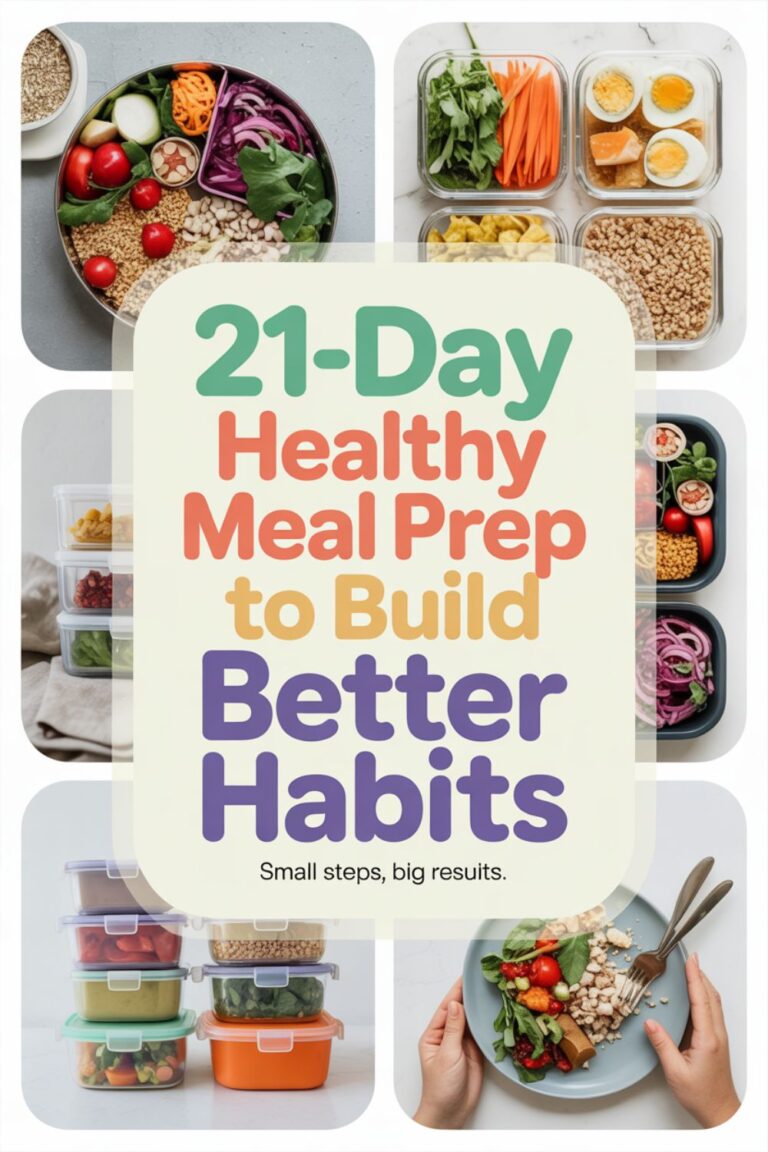
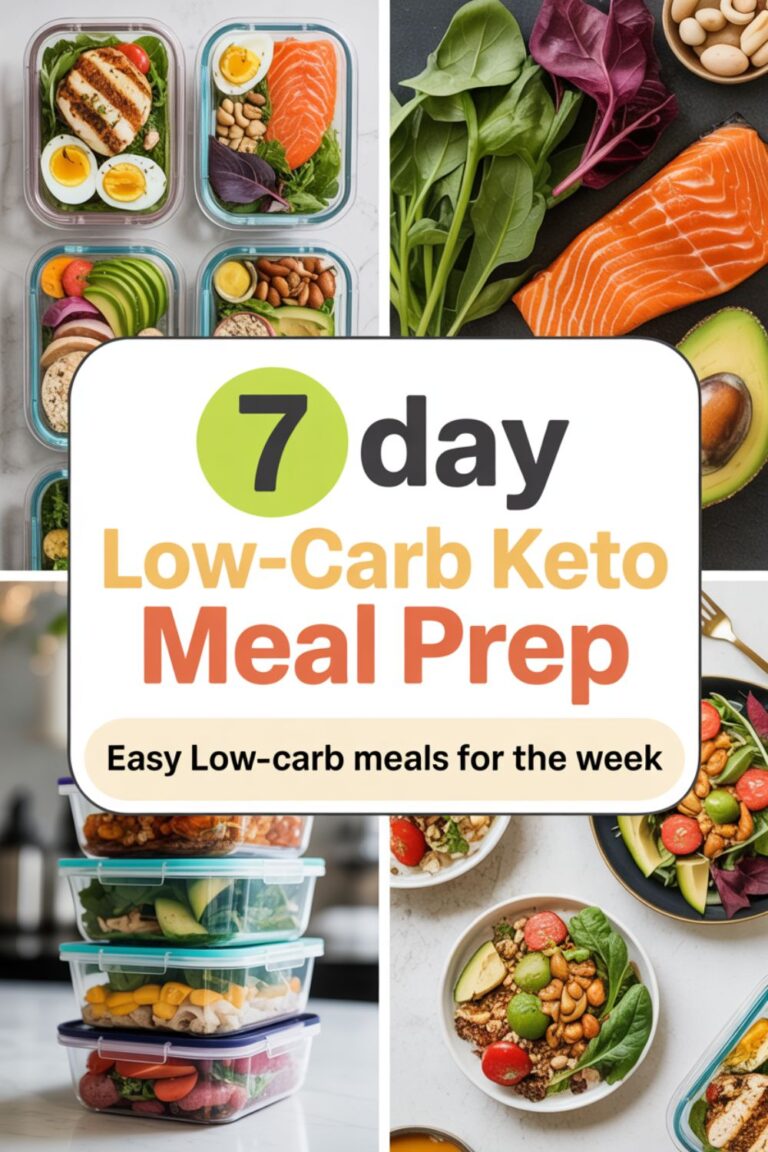
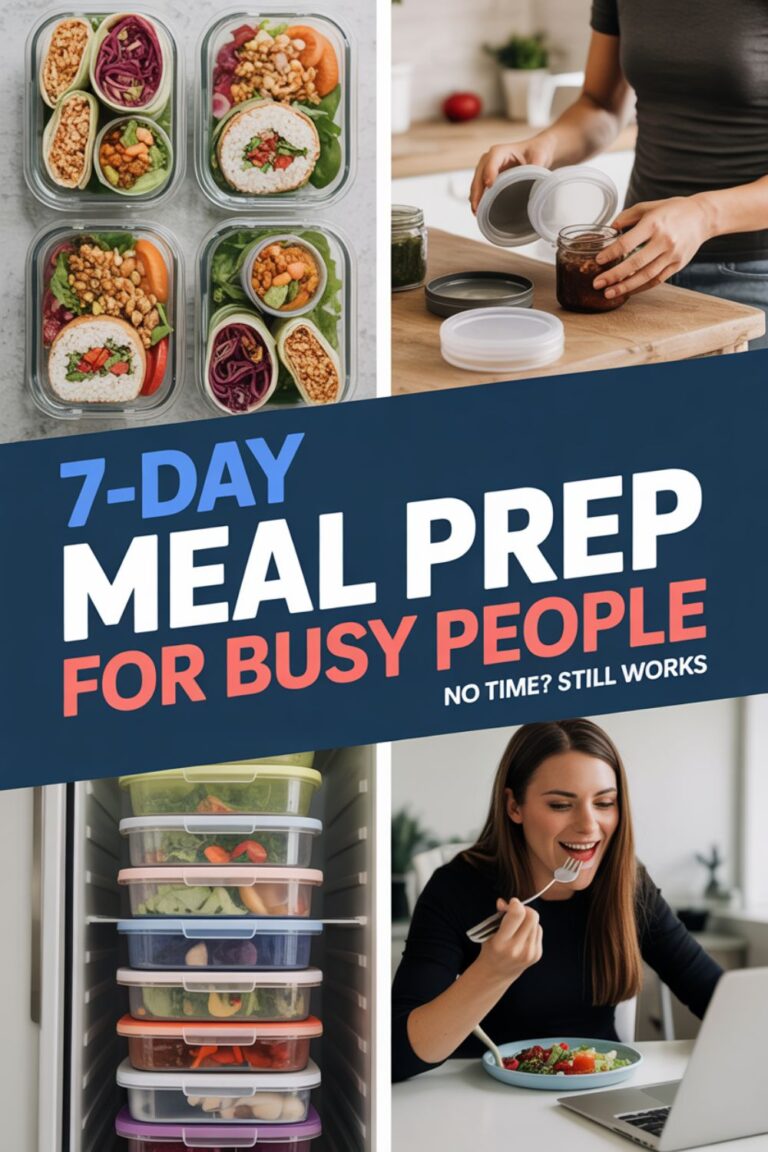
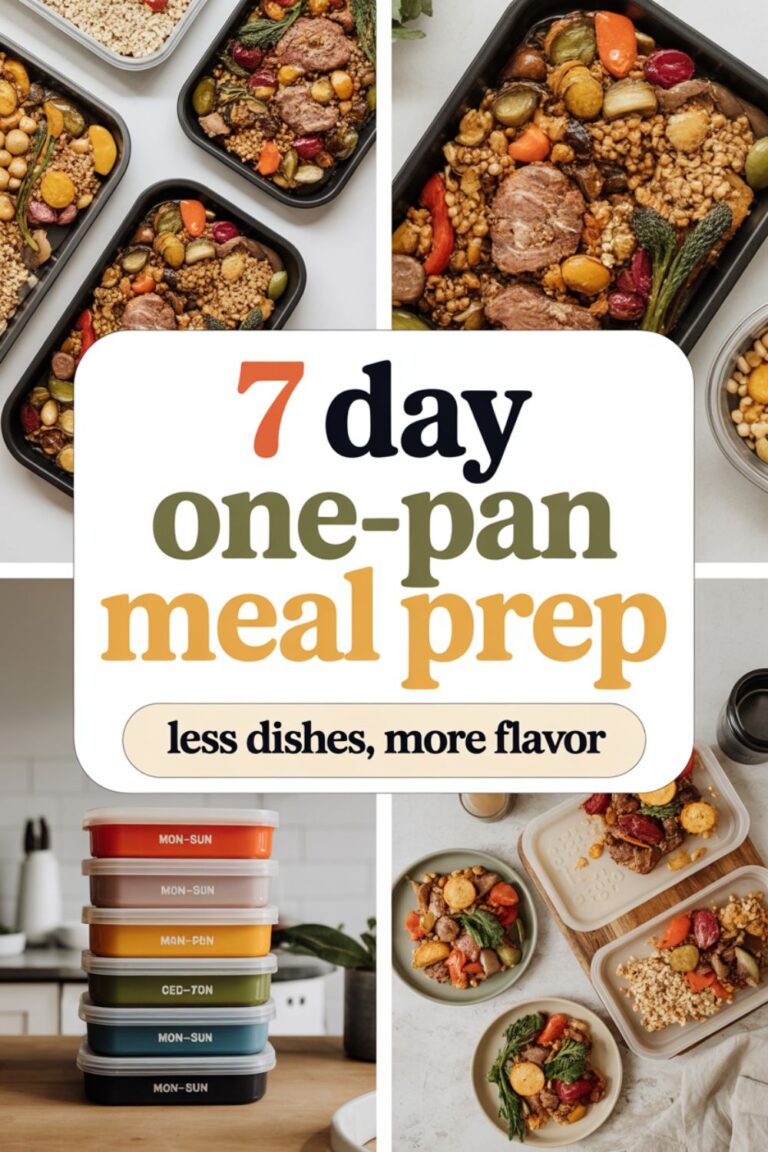
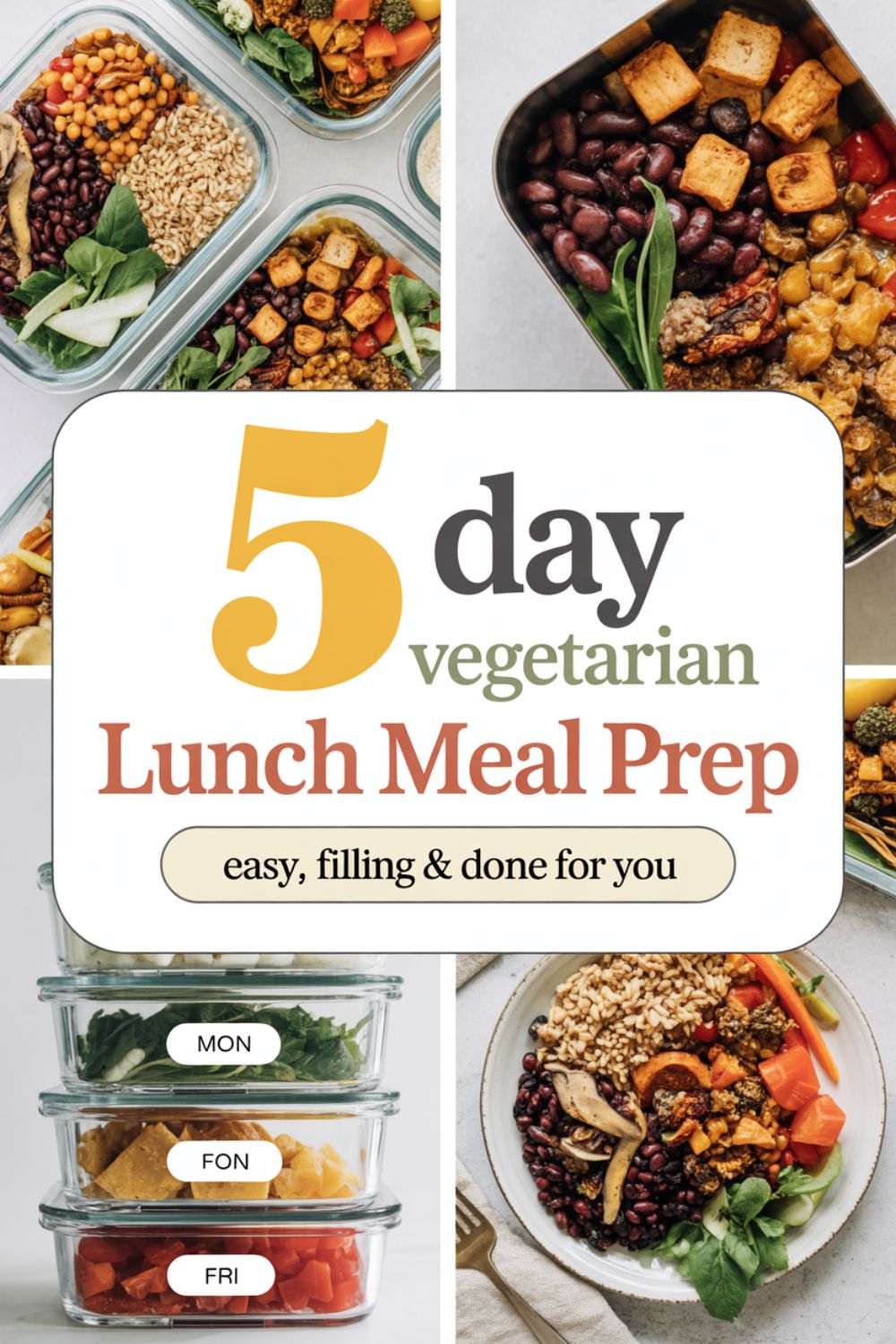
5-Day Vegetarian Lunch Meal Prep That Fills You Up
Look, I get it. You’ve tried meal prepping before. Sunday afternoon rolled around, you felt motivated, chopped a million vegetables, and by Wednesday you were staring at a sad container of wilted greens wondering where it all went wrong. Been there, done that, got the stained meal prep container to prove it.
Here’s the thing about vegetarian lunch meal prep that nobody tells you: it’s not about making five identical salads and calling it a week. It’s about building a flexible system that keeps you full, saves you money, and doesn’t make you want to order takeout by day three. And yeah, it needs to actually taste good.
This 5-day plan isn’t some Instagram fantasy with seventeen ingredients per meal. It’s what actually works when you’re juggling work, life, and trying not to spend your entire paycheck on overpriced grain bowls. We’re talking real food, reasonable effort, and meals that’ll keep you satisfied until dinner without that 3 PM energy crash.
Why Vegetarian Meal Prep Actually Makes Sense
Before we dive into the how-to, let’s talk about why vegetarian lunch prep is worth your time. First off, research shows that well-planned meals help with portion control and reduce decision fatigue, which is fancy speak for “you won’t stand in front of your fridge at noon wondering what to eat.”
Plant-based proteins like lentils, chickpeas, and beans are ridiculously cheap compared to meat, and they hold up better in the fridge. Nobody wants to deal with questionable chicken on day four, but a bean salad? That thing gets better with time. Plus, proper meal planning supports balanced nutrition and helps you actually eat those vegetables you keep buying with good intentions.
The real game-changer is protein diversity. When you’re working with plant-based sources, you’re getting fiber, vitamins, and minerals that keep your energy stable throughout the afternoon. No post-lunch food coma, no desperate search for caffeine at 2 PM. Just steady, sustained energy that lasts.
Cook your grains and proteins on Sunday, store them separately, then mix and match throughout the week. This keeps things interesting and prevents that “not this again” feeling by Wednesday.
The Foundation: What You Actually Need
Let’s be real about meal prep equipment. You don’t need fancy gadgets or a Pinterest-perfect kitchen. But having the right basics makes everything smoother. I’m talking decent glass containers that won’t leak in your bag (learned that lesson the hard way), a good chef’s knife that doesn’t make chopping vegetables feel like a workout, and maybe a rice cooker if you’re tired of babysitting pots on the stove.
Storage matters more than you think. Those containers should be microwave-safe, dishwasher-friendly, and ideally have separate compartments so your crispy chickpeas don’t get soggy from your dressing. Trust me on this one.
The Protein Players
Your vegetarian lunch needs protein to keep you full. We’re building meals around ingredients that deliver at least 15-20 grams of protein per serving. Here’s what works:
- Lentils and beans: About 18 grams per cup, plus they’re loaded with fiber. Red lentils cook in 15 minutes, black beans taste great cold in salads.
- Chickpeas: The MVP of vegetarian meal prep. Roast them for crunch, mash them for “tuna” salad, blend them into hummus. Roughly 15 grams per cup.
- Tofu and tempeh: Tofu is your blank canvas (20 grams per cup), tempeh brings nutty flavor (19 grams per 4 oz). Both marinate beautifully.
- Quinoa: The only grain with all nine essential amino acids. 8 grams per cup, and it reheats perfectly.
- Greek yogurt and cottage cheese: If you do dairy, these are protein powerhouses at 15-20 grams per serving.
The trick is rotating these throughout the week. Monday’s lentil bowl becomes Wednesday’s chickpea wrap becomes Friday’s tofu stir-fry. Same prep work, different meals.
Looking for specific protein-packed recipes? Check out these high-protein vegetarian lunch ideas or this 5-day plant-based meal plan for more inspiration.
Meal Prep Essentials Used in This Plan
- Glass Meal Prep Containers (5-pack): Look for ones with divided sections and leak-proof lids. The divided compartments keep your ingredients from getting mushy, and glass doesn’t stain or hold smells like plastic. Game changer for anyone who’s tired of turmeric-stained containers.
- 8-Inch Chef’s Knife: A sharp knife makes prep work 10 times faster. You want something that feels balanced in your hand and can handle everything from dicing onions to cutting butternut squash. Worth the investment.
- Programmable Rice Cooker: Set it and forget it. Perfect for quinoa, brown rice, lentils, and even steaming vegetables. Frees up your stovetop and never burns the bottom of your grains.
- The Complete Vegetarian Meal Prep Guide (Digital): Downloadable PDF with shopping lists, prep schedules, and 50+ mix-and-match recipes. Takes the guesswork out of planning.
- Plant-Based Protein Calculator (Digital): Simple spreadsheet that helps you track protein across all your meals. Makes sure you’re hitting your targets without obsessing over numbers.
- 5-Week Meal Prep Calendar (Digital): Printable calendar with grocery lists and prep timelines. Stick it on your fridge and follow along.
Your 5-Day Vegetarian Lunch Meal Prep Blueprint
This isn’t about following a rigid plan. It’s about having a framework that bends when life gets messy. Each day builds on the same base ingredients but feels different enough that you won’t get bored.
Day 1: Mediterranean Quinoa Bowl
Start the week strong with something that tastes like you actually put in effort. This bowl combines fluffy quinoa, crispy roasted chickpeas, cucumber, tomatoes, and a hefty dollop of hummus. The protein breakdown hits about 22 grams between the quinoa and chickpeas.
The secret? Toss those chickpeas with olive oil, cumin, and paprika before roasting at 400°F for 25 minutes. They come out crunchy enough to stay crispy even after a few days in the fridge. Use a rimmed baking sheet lined with parchment paper so cleanup is literally just tossing the paper.
Dress it with a simple lemon-tahini sauce (tahini, lemon juice, garlic, water) that you can make in bulk and use all week. Get Full Recipe
Day 2: Loaded Sweet Potato & Black Bean Bowl
This one’s comfort food disguised as healthy eating. Roasted sweet potato cubes (toss with a good quality olive oil and chili powder), black beans, corn, avocado, and a lime-cilantro dressing. About 18 grams of protein, plus the sweet potato gives you sustained energy without the crash.
Here’s the thing about sweet potatoes: roast them until the edges get caramelized and slightly crispy. That’s where the flavor lives. And don’t skip the lime juice, it brightens everything up and keeps the avocado from going brown if you prep it the night before.
If you’re feeling fancy, add some pickled red onions. They take five minutes to make (slice onion, pour hot vinegar-sugar mixture over it, done) and last for weeks. Get Full Recipe
Roast a whole sheet pan of sweet potatoes on Sunday. Use them for lunches, breakfast hash, or throw them in a wrap. They reheat perfectly and taste even better the next day.
Day 3: Spiced Lentil & Veggie Wrap
By midweek, you might be craving something hand-held. These wraps are protein-dense (about 20 grams), portable, and way better than anything you’d buy pre-made. Red lentils cooked with curry powder, wrapped up with spinach, shredded carrots, and a yogurt-based sauce.
The lentils cook fast—seriously, 15 minutes from start to finish. Season them while they’re still hot so they actually absorb the spices. Let them cool before assembling your wraps, and store the components separately if you’re prepping ahead. Nobody wants a soggy wrap on Wednesday.
Use whole wheat tortillas or these high-fiber wraps I’ve been into lately. They hold up better and add extra protein to boot. Get Full Recipe
If you love wraps and bowls, you’ll definitely want to check out these make-ahead vegetarian wraps and grain bowl combinations for even more variety.
Day 4: Teriyaki Tempeh Power Bowl
Thursday is when meal prep fatigue hits hardest, so this needs to taste good enough that you don’t bail for takeout. Teriyaki tempeh over brown rice with steamed broccoli and edamame clocks in at about 25 grams of protein and feels substantial enough to carry you through the afternoon.
Tempeh can be polarizing, but here’s the trick: steam it for 10 minutes before cooking to remove any bitterness. Then pan-fry it in a non-stick skillet with a little sesame oil until it gets crispy edges. Coat with teriyaki sauce (make your own or buy a decent one) and let it caramelize slightly.
The edamame adds extra protein and a pop of green. Plus, shelling edamame during lunch gives your brain a break from staring at screens. Little things matter. Get Full Recipe
Day 5: Chickpea “Tuna” Salad Sandwich
End the week with something dead simple. Mashed chickpeas mixed with celery, red onion, dill, and mayo (regular or vegan) on whole grain bread. Tastes eerily similar to tuna salad but with about 15 grams of plant-based protein and none of the mercury.
The key is mashing the chickpeas just enough—you want some texture, not baby food. I use a potato masher and aim for about 70% mashed. Add a handful of greens and some pickles for crunch. This is the lunch that proves vegetarian food doesn’t have to be complicated to be good.
Make a batch of this on Sunday and it’ll actually taste better by Friday as the flavors meld. Store it in the fridge and assemble sandwiches fresh each morning, or keep it in a container and bring bread separately. Get Full Recipe
Double your protein portions on prep day and freeze half. Future you will be grateful when you’re too busy to meal prep one weekend.
The Sunday Prep Session That Makes It All Work
This is where the magic happens. You’re not cooking five separate meals—you’re batch-cooking components that get mixed and matched throughout the week. Should take about two hours if you’re efficient, maybe three if you’re also watching a show or enjoying a glass of wine.
The Game Plan
Hour One: Grains and Proteins
- Get your quinoa and brown rice going (rice cooker or stove, your call)
- Start roasting chickpeas and sweet potatoes (425°F, different sheet pans, same oven)
- Cook your lentils while everything else is happening
- Steam tempeh and prep the teriyaki sauce
Hour Two: Assembly and Storage
- Let everything cool—this is important for food safety and preventing condensation
- Portion out your grains and proteins into containers
- Chop vegetables and store them separately
- Make your dressings and sauces, store in small mason jars or squeeze bottles
The beauty of this system is flexibility. Ran out of quinoa? Swap in farro. Not feeling tempeh? Use tofu. The combinations are endless once you have the building blocks ready.
Tools & Resources That Make Cooking Easier
- Mandoline Slicer: For when you need perfect veggie slices fast. Safety guard included because nobody needs a trip to the ER over meal prep. Great for cucumbers, carrots, and uniform sweet potato rounds.
- Salad Spinner: Sounds bougie but seriously speeds up washing greens. Wet lettuce makes everything soggy, and ain’t nobody got time for patting leaves dry with paper towels.
- Prep Bowls Set: Keep your chopped ingredients organized while cooking. Makes you feel like a TV chef and actually helps with mise en place, which is just fancy speak for “get your stuff together before you start cooking.”
- Spice Blend Collection Guide (Digital): PDF with 30+ vegetarian spice combinations to keep your meals interesting. Includes shopping lists for building a solid spice cabinet.
- Meal Prep Troubleshooting Checklist (Digital): Quick reference guide for fixing common prep problems—soggy food, bland meals, things that don’t reheat well. Saves you from learning these lessons the hard way.
- Batch Cooking Conversion Chart (Digital): Printable chart showing how to scale recipes up for meal prep and down when you’re cooking for one.
Making It Last Without Losing Your Mind
The reality check: even the best meal prep can get boring if you eat the exact same thing five days in a row. Here’s how to keep things interesting without adding extra work.
The Rotation Strategy
Instead of making five of the same meal, you’re creating a mix-and-match system. Same base components (grains, proteins, vegetables), different flavor profiles each day. Monday’s Mediterranean bowl shares ingredients with Wednesday’s wrap, but they taste completely different because of the sauces and assembly.
This approach also means less food waste. That bunch of cilantro gets used in three different meals. The chickpeas pull double duty as roasted snacks and hummus. Nothing sits in the back of your fridge growing sentient life forms.
The Freshness Factor
Some ingredients don’t do well sitting in containers for five days. That’s fine—add them fresh. Keep a stash of quick-prep items at work or add them the night before:
- Fresh greens and herbs (add them to bowls right before eating)
- Avocado (prep the night before or buy those single-serve guacamole cups)
- Nuts and seeds for crunch (store separately, add at lunch)
- Fresh lemon or lime juice (squeeze it on right before eating)
This tiny bit of assembly keeps everything tasting fresh without requiring actual cooking.
Want more strategies for keeping meal prep interesting? These flavor variation techniques and sauce collection recipes will help you transform the same ingredients into completely different meals.
The Protein Puzzle: Getting Enough Without Overthinking It
Here’s where people get weird about vegetarian eating. Yes, you need protein. No, you don’t need to stress about combining specific amino acids at every meal. Your body is smarter than that—it pools amino acids throughout the day.
For context, most people need around 50-65 grams of protein per day depending on activity level. These lunches deliver 15-25 grams each, which means you’re covering about a third to half of your daily needs in one meal. Add a protein-rich breakfast and dinner, and you’re golden.
When to Level Up Your Protein
If you’re more active or specifically trying to build muscle, you might need to boost these numbers. Easy ways to add protein without changing the entire meal:
- Top bowls with hemp seeds (3 grams per tablespoon)
- Use protein-rich pasta made from chickpeas or lentils instead of regular
- Add a side of Greek yogurt (15-20 grams depending on the brand)
- Throw in an extra scoop of beans or lentils
- Mix nutritional yeast into dressings (2 grams per tablespoon plus B vitamins)
These small additions can bump each lunch to 25-30 grams of protein without making everything feel heavy or requiring you to eat more volume.
Real Talk: When Meal Prep Goes Wrong
Let’s address the stuff that actually happens. You made all this food, and then life got in the way. Here’s how to salvage common meal prep disasters:
The “I’m So Bored of This” Crisis
Happens to everyone around day three. Fix it by changing up your sauces—swap the tahini for peanut sauce, add hot sauce, try a different vinegar. Sometimes all you need is a flavor pivot, not new ingredients. Keep a few interesting condiments in your desk drawer at work.
The Soggy Situation
Learned this the hard way: don’t pack wet ingredients touching dry ingredients. Store dressings separately in 2-ounce containers or silicone squeeze bottles. Keep crispy elements (nuts, seeds, roasted chickpeas) in their own little container. Assemble at lunch, not Sunday night.
The Freezer Backup Plan
Some weeks, meal prep just doesn’t happen. Keep frozen backup options that aren’t total garbage: good quality veggie burgers, frozen edamame, pre-cooked lentil pouches. Not as ideal as fresh prep, but way better than skipping lunch or spending money on mediocre takeout.
Make double batches of your favorite sauces and dressings. They last weeks in the fridge and transform boring leftovers into something you actually want to eat.
The Budget Reality Check
One of the best parts about vegetarian meal prep is how much money it saves. No joke, making these lunches costs about $4-6 per meal depending on where you shop and whether you’re buying organic. Compare that to $12-15 for takeout, and you’re saving $40-55 per week minimum.
The initial investment in pantry staples (quinoa, lentils, spices, oils) feels like a lot, but these ingredients last for months. Your ongoing weekly spend is mostly fresh vegetables and the occasional specialty item like tempeh or good tahini.
Where to Splurge vs. Save
Save money on:
- Dried beans and lentils instead of canned (just requires soaking)
- Bulk grains from the bin section
- Frozen vegetables when fresh is expensive (nutritionally identical)
- Store brand canned goods
Worth spending more on:
- Good olive oil—flavor makes or breaks simple dishes
- Fresh herbs (or grow your own in one of those countertop herb gardens)
- Quality tahini and nut butters
- Fresh lemon and lime juice over bottled
Scaling Up or Down
This plan is built for one person eating five workday lunches. But life isn’t always that simple. Here’s how to adapt:
Meal Prepping for Two
Double everything. Get bigger containers or use multiple standard-sized ones. The prep time doesn’t double—you’re still chopping vegetables and cooking grains, just in larger batches. Consider investing in a larger capacity rice cooker if you’re regularly cooking for two.
Just Need a Few Lunches
Cut the recipes in half, or make full batches and freeze half. Most of these meals freeze well except the ones with fresh vegetables or avocado. Freeze in individual portions so you can grab exactly what you need.
Feeding Kids Too
Kids can be surprisingly cool with these meals if you let them customize. Set up a “lunch bar” situation where they can build their own bowls. Turns out most kids like being in charge of their food choices. Who knew?
Frequently Asked Questions
How long do these meals actually last in the fridge?
Most of these lunches stay good for 4-5 days when stored properly in airtight containers in the fridge. The chickpea “tuna” salad and lentil wraps can push 6 days. Just use your nose—if something smells off, toss it. Food safety isn’t worth the risk.
Can I really get enough protein on a vegetarian diet?
Absolutely. Each of these lunches provides 15-25 grams of protein, which is roughly a third of most people’s daily needs. Between breakfast, lunch, dinner, and snacks, hitting your protein target is totally doable with plant-based foods. The key is eating a variety of protein sources throughout the day, not stressing about every single meal being perfectly balanced.
What if I don’t have two hours to meal prep on Sunday?
Split it up. Do proteins and grains on Sunday, then chop vegetables Wednesday evening. Or prep just 3 days worth of lunches twice a week instead of doing all 5 at once. The system is flexible—use what works for your schedule. Even prepping two lunches is better than prepping zero.
Do these meals reheat well at work?
Most of them reheat great in a microwave. The quinoa and sweet potato bowls, teriyaki tempeh, and lentil components all warm up nicely. The wraps and chickpea salad sandwich are better eaten cold or at room temperature. If your workplace doesn’t have a microwave, focus on cold lunch options or invest in a good quality thermal lunch container that keeps food warm for hours.
How do I keep salad greens from getting wilted and gross?
Store them separately and add them right before eating, or use heartier greens like kale and spinach that hold up better. Make sure vegetables are completely dry before storing—excess moisture is the enemy. A salad spinner isn’t just for fancy people; it actually keeps greens fresh way longer.
Making Peace with Imperfect Meal Prep
Here’s the truth bomb nobody talks about: your meal prep doesn’t have to be perfect. You don’t need matching containers, color-coordinated ingredients, or photos worthy of Instagram. You just need food that tastes good, keeps you full, and saves you from the lunch scramble every single day.
Some weeks you’ll nail it—five beautiful lunches all lined up and ready to go. Other weeks you’ll barely scrape together three meals and supplement with frozen backups. Both scenarios are completely fine. The goal isn’t perfection; it’s having a system that works more often than it doesn’t.
This 5-day vegetarian lunch meal prep is your starting point, not your ending point. Swap ingredients you don’t like for ones you do. Change up the spices. Add different vegetables. Make it yours. The only bad meal prep is the one that sits in your fridge uneaten because you tried to follow someone else’s idea of what you should eat.
Start with what you can manage, even if that’s just two lunches for the week. Build from there. And remember that every meal you prepare yourself is money saved, decisions simplified, and one less thing to stress about when Monday morning rolls around.
Now go forth and meal prep. Your future self is going to thank you.