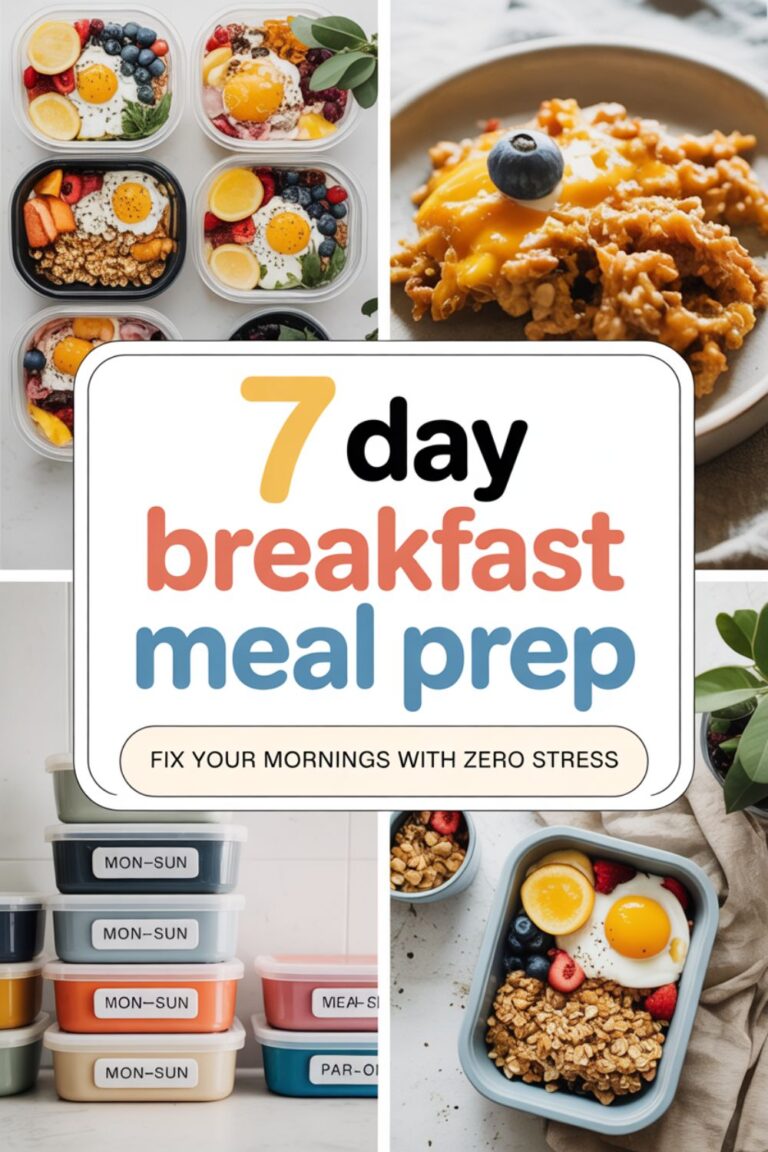
5-Day High-Protein Lunch Meal Prep for Energy
Listen, I get it. You’re tired of that 2 PM energy crash that makes you want to face-plant into your keyboard. You need lunch that actually fuels your afternoon instead of making you want to hibernate under your desk. That’s where high-protein meal prep comes in clutch.
Forget those sad desk lunches that leave you starving an hour later. We’re talking about real food that keeps you going strong, saves you serious cash, and doesn’t require you to be a culinary genius. I’ve spent way too many Sunday afternoons testing meal prep combos, and I’m here to share what actually works.
This isn’t about choking down flavorless chicken and broccoli all week. We’re building five days of lunches that you’ll actually look forward to eating—the kind that make your coworkers peek over and ask what smells so good.
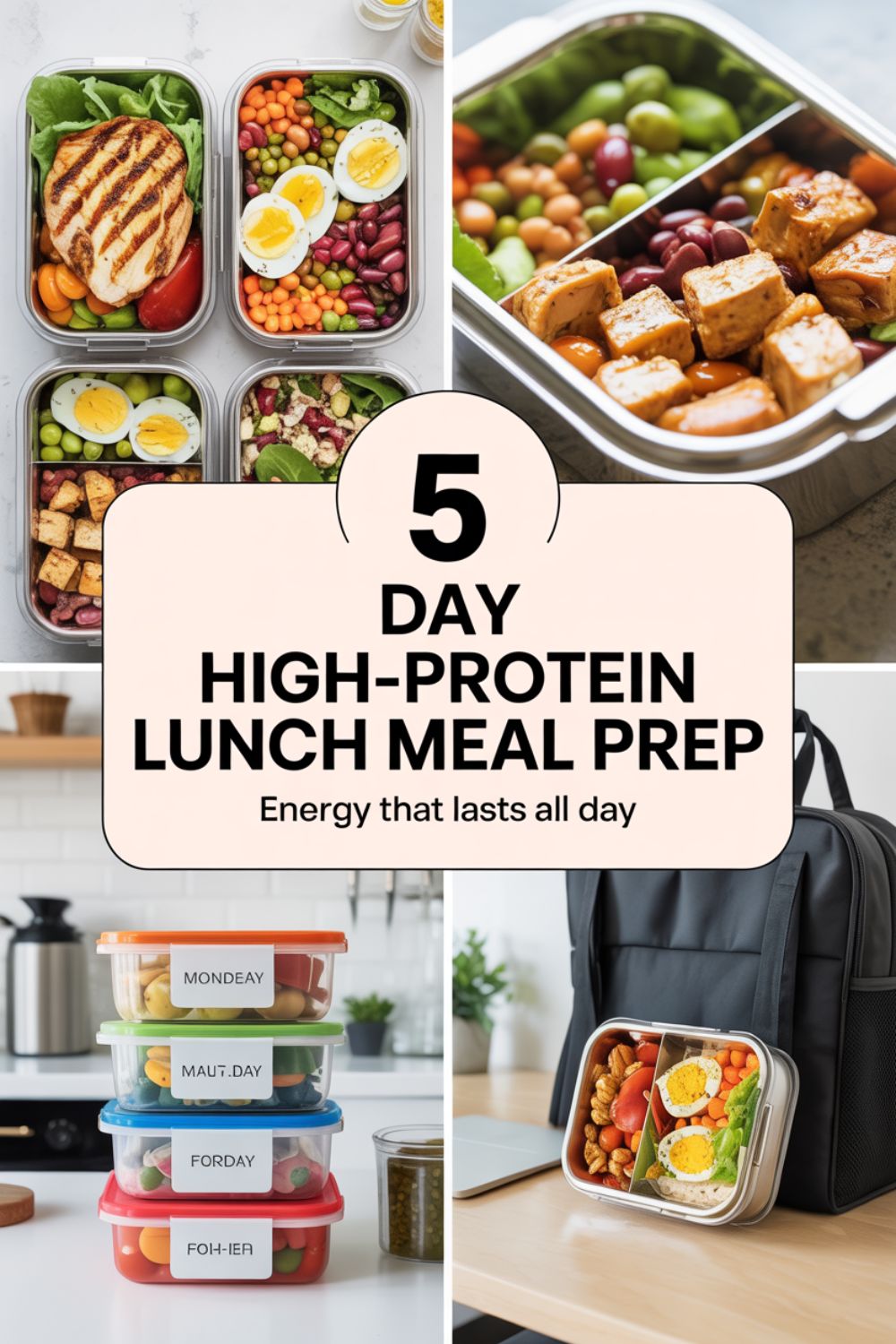
Why High-Protein Lunches Change Everything
Here’s the thing about protein—it’s basically the MVP of keeping you full and energized. While your typical carb-heavy lunch sends you on a blood sugar rollercoaster, protein keeps things steady. Harvard Health points out that most adults need way more protein than they think, especially if you’re even moderately active.
I used to grab whatever was fastest—usually a sad sandwich from the cafeteria. By 3 PM, I’d be raiding the vending machine like it owed me money. Once I switched to protein-packed lunches? Total game changer. No more afternoon slump, no more hangry meltdowns before dinner.
The sweet spot is hitting around 25-35 grams of protein per lunch. That’s enough to keep your muscles happy, your brain firing, and your stomach satisfied until dinner. Plus, Mayo Clinic research shows that spreading protein throughout the day helps with everything from muscle maintenance to weight management.
The Meal Prep Game Plan
Okay, let’s talk strategy. The secret to meal prep that doesn’t make you want to quit by Tuesday? Variety and smart planning. You’re not cooking five different elaborate meals—you’re cooking smart components that mix and match.
Your Sunday Prep Session
Set aside about 2-3 hours on Sunday. I know that sounds like a lot, but trust me, it beats scrambling every single morning or spending $15 on sad takeout. Put on a podcast, pour yourself something nice, and let’s do this.
First things first: get yourself some decent glass meal prep containers. I swear by this set with divided compartments—keeps everything fresh and prevents that weird thing where your rice tastes like salmon. None of that soggy container situation that ruins your whole vibe.
Start with your proteins. I usually cook 2-3 different protein sources to keep things interesting. Think grilled chicken thighs (way juicier than breasts, fight me), baked salmon, and maybe some turkey meatballs if I’m feeling fancy. A reliable meat thermometer is non-negotiable here—nobody wants to play food poisoning roulette.
Speaking of meal prep variety, if you’re looking for more protein-packed ideas beyond lunch, you might want to check out some high-protein breakfast options that’ll start your day right.
Batch Cooking Like a Boss
While your proteins are doing their thing in the oven, knock out your carbs and veggies. I’m talking quinoa, brown rice, sweet potatoes—whatever floats your boat. Roast a ton of vegetables on sheet pans because honestly, everything tastes better roasted.
One trick I learned the hard way: don’t cook your veggies to death. Keep them slightly underdone because they’ll keep cooking in the containers and when you reheat them. Nobody wants mushy broccoli that’s been sitting since Sunday.
Pro move? Use silicone baking mats instead of parchment paper. Zero sticking, zero scrubbing, and you’re not throwing away sheets of paper every week. It’s the little wins, you know?
“I started this meal prep routine three months ago and I’ve saved over $200 on lunches while losing 12 pounds. My energy levels are through the roof!” — Sarah from our meal prep community
Your 5-Day High-Protein Lunch Menu
Alright, here’s where the magic happens. Five different lunches that’ll keep you satisfied and energized all week long.
Monday: Mediterranean Chicken Bowl
We’re kicking off strong with a bowl that tastes like vacation. Grilled chicken breast over quinoa, topped with cherry tomatoes, cucumbers, kalamata olives, feta cheese, and a drizzle of tzatziki. Hits about 32 grams of protein and actually tastes like something you’d order at a nice café.
The quinoa gives you those complete proteins while the chicken brings the heavy-hitting muscle fuel. Add some roasted red peppers if you’re feeling extra. Get Full Recipe for the perfect Mediterranean chicken bowl with all the flavor ratios.
Tuesday: Asian-Inspired Salmon Power Bowl
Trust me on this one—baked teriyaki salmon over brown rice with edamame, shredded carrots, and snap peas. Top it with some sesame seeds and a bit of sriracha mayo if you like heat. You’re looking at 28 grams of protein plus all those omega-3s that make your brain happy.
I use this teriyaki marinade that makes the salmon taste restaurant-quality with zero effort. The edamame bumps up the protein while keeping things interesting texture-wise.
If you’re vibing with Asian flavors, you’ll definitely want to try these ginger soy chicken lettuce wraps or this spicy tofu stir-fry for more variety.
Wednesday: Turkey Meatball Marinara
Midweek needs comfort food, period. Turkey meatballs over whole wheat pasta with marinara sauce and a sprinkle of parmesan. It’s like Italian grandma made you lunch, except with 35 grams of protein and way more portion control.
Ground turkey is criminally underrated. It’s lean, high in protein, and absorbs flavors like nobody’s business. Mix in some Italian herbs, garlic, and a little parmesan into those meatballs and you’ve got yourself a winner.
Thursday: Beef and Veggie Stir-Fry
Lean beef strips with broccoli, bell peppers, and snap peas over jasmine rice. Add some garlic, ginger, and low-sodium soy sauce, and you’ve got 30 grams of protein plus a rainbow of nutrients.
The key here is slicing your beef thin and against the grain—makes it tender instead of chewy. A sharp knife makes this job so much easier it’s not even funny. According to USDA food safety guidelines, make sure that beef hits 145°F internally.
Friday: Chickpea Buddha Bowl
End the week with something fresh and plant-based. Roasted chickpeas over mixed greens with roasted sweet potato, avocado, shredded red cabbage, and tahini dressing. You’re getting 22 grams of protein from the chickpeas alone, plus all that fiber that keeps everything running smooth.
Chickpeas are the underdog of the protein world. They’re cheap, versatile, and when you roast them with some spices? Absolute flavor bombs. Get Full Recipe for the crispiest roasted chickpeas you’ve ever had.
Looking for more plant-based protein options? Check out these vegan protein power bowls that pack serious nutrition.
Storage and Food Safety Real Talk
Let’s address the elephant in the room—how long can you actually keep this stuff? According to USDA guidelines, cooked proteins are good for 3-4 days in the fridge. This is why we’re doing a 5-day plan, not a full week.
Keep your fridge at 40°F or below. Get a fridge thermometer if you’re not sure—they’re like five bucks and could save you from a nasty bout of food poisoning. Nobody wants that.
Store everything in airtight containers within two hours of cooking. I learned this the hard way after leaving chicken out too long and spending the next day very intimately acquainted with my bathroom. Don’t be like past me.
The Freezer is Your Friend
Real talk? Some of these meals freeze beautifully. The turkey meatballs, the stir-fry, even the chicken bowl minus the fresh veggies—all freeze-friendly. Use freezer-safe containers and you can have backup lunches ready to go.
Just don’t freeze anything with mayo or cream-based sauces. They get weird and separated when you thaw them. Ask me how I know. Actually, don’t—it’s traumatic.
Meal Prep Essentials Used in This Plan
Here’s what actually makes meal prep easier, not just stuff collecting dust in your kitchen:
- Glass Meal Prep Containers Set (5-pack) – Microwave and dishwasher safe, no weird plastic taste
- Digital Meat Thermometer – Because guessing when chicken is done is not a personality trait
- Professional Chef’s Knife – Sharp knives are safer and make prep so much faster
- Digital Products & Resources:
- 50-Recipe High-Protein Meal Prep eBook – Never run out of ideas
- Macro Calculator & Meal Planning App – Takes the guesswork out of portions
- Video Course: Meal Prep Mastery – Step-by-step tutorials for beginners
- Join Our Community: WhatsApp Meal Prep Group – Share wins, swap recipes, get motivation
Protein Math Made Simple
Let’s talk numbers for a second. Most people need between 0.8 to 1.2 grams of protein per kilogram of body weight, according to nutrition research. If you’re active or trying to build muscle, you might need closer to 1.6-2.2 grams per kilogram.
For a 150-pound person, that’s roughly 55-75 grams of protein daily at minimum. Spread that across three meals and you’re looking at about 20-25 grams per meal. These lunch plans hit that sweet spot perfectly.
But honestly? Don’t get too in the weeds with it. Aim for a palm-sized portion of protein at lunch, add your complex carbs and veggies, and you’re golden. IMO, obsessing over every gram is how people burn out on healthy eating.
Making It Work When Life Gets Crazy
Look, I’m not going to pretend every Sunday you’ll have three hours to spend in the kitchen. Sometimes life happens. The beautiful thing about this system is that it’s flexible.
Don’t have time for full meal prep? Just cook your proteins and buy pre-cut veggies. Yeah, it costs more, but it’s still cheaper than eating out all week. Use those steam-in-bag vegetables without shame—we’re going for sustainable here, not perfect.
Seriously busy week ahead? Double up on the chicken or turkey meatballs and eat them different ways. Monday over quinoa, Tuesday in a wrap, Wednesday over salad. Same protein, different vibes.
“I was skeptical about eating the same lunches, but mixing up the sides and sauces keeps it interesting. I’ve stuck with this for 6 months now and saved enough to buy that new bike I wanted!” — Mike from the meal prep community
The Reheating Game
Here’s where people mess up—nuking everything on high for three minutes and wondering why their chicken tastes like shoe leather. Slow and steady wins the race here.
Most meals reheat best at 50-70% power for 2-3 minutes, stirring halfway through. For the salmon bowl, I actually eat it cold or just warm up the rice and veggies separately. Reheated fish can get funky fast.
Add a splash of water or broth to rice and grain bowls before reheating. Keeps them from drying out and getting crunchy. That little bit of moisture makes all the difference between “this is fine” and “damn, this is good.”
Tools & Resources That Make Cooking Easier
These aren’t must-haves, but they seriously level up your meal prep game:
- Instant Pot Duo – Cook rice, steam veggies, and meal prep in half the time
- Kitchen Scale – Portion control becomes actually easy
- Silicone Baking Mat Set – Roast without the mess, reuse forever
- Digital Resources:
- Weekly Meal Prep Planner Printables – Get organized, stay consistent
- Grocery Shopping List Template – Never forget ingredients again
- Portion Guide Cheat Sheet – Visual guide for perfect portions
- Community Support: Join Our Recipe Exchange WhatsApp Group – Real people, real results, real support
Common Mistakes to Avoid
Let me save you from the faceplants I’ve taken over the years. First up: don’t prep seven days of the same meal unless you really, really love that meal. By day four, you’ll be ordering pizza out of sheer boredom.
Second mistake? Skipping the seasoning. Meal prep doesn’t have to taste like cardboard. Use herbs, spices, acids like lemon juice—make your food taste good. A good spice organization system helps you actually use all those bottles collecting dust.
Third—and this is big—don’t cook your vegetables until they’re mush. They’ll continue cooking when reheated. Slightly underdone is your friend here.
Also, FYI, don’t store hot food in containers immediately. Let it cool for 20-30 minutes first, then refrigerate. Putting hot food in the fridge raises the internal temperature and can mess with other food in there.
Customizing for Your Dietary Needs
Got dietary restrictions? No problem. This template is stupid flexible.
Vegetarian/Vegan: Swap the animal proteins for tofu, tempeh, or extra legumes. The chickpea bowl is already plant-based, and you can easily make the others work. Nutritional yeast gives that cheesy flavor without dairy.
Dairy-Free: Skip the feta and parmesan, or use nutritional yeast and dairy-free alternatives. Honestly, most of these recipes work great without cheese anyway.
Gluten-Free: Use rice noodles instead of wheat pasta, or just go full rice/quinoa on everything. Most of these meals are already gluten-free or easily adaptable.
Keto/Low-Carb: Ditch the grains and double up on the veggies. Cauliflower rice is your friend. The Mediterranean chicken bowl over cauliflower rice with extra olive oil? *Chef’s kiss*.
If you’re exploring different dietary approaches, these keto-friendly meal prep ideas or vegetarian protein bowls might be right up your alley.
Grocery Shopping Strategy
Shopping for meal prep is different from regular grocery shopping. You’re buying in bulk, thinking ahead, and trying not to let anything go to waste.
Hit up the meat counter early Sunday morning when they’ve just put out fresh stuff. Buy family packs of chicken or salmon and portion them yourself—way cheaper than pre-portioned stuff.
Don’t sleep on frozen vegetables. They’re flash-frozen at peak freshness, last forever, and you’re not paying for water weight. Plus, frozen broccoli florets are pre-cut and ready to go.
Pro shopping move: keep a running list on your phone of staples you’re running low on. Nothing worse than getting halfway through meal prep and realizing you’re out of soy sauce or olive oil.
The Money Angle
Let’s talk about the elephant in every room—money. Meal prep is way cheaper than buying lunch out, but the upfront cost can feel like a lot if you’re starting from scratch.
Breaking it down: this 5-day meal plan costs roughly $25-35 depending on where you shop. That’s $5-7 per lunch. Compare that to the $12-15 you’d drop on takeout, and you’re saving $35-50 per week. That’s over $2,000 a year.
Initial investment in containers and basic tools might run you $50-100, but they last for years. I’m still using containers I bought three years ago. Do the math—it pays for itself in like two weeks.
Shopping sales and buying in bulk brings costs down even more. That Costco membership might actually be worth it if you’re serious about meal prep. Those giant bags of chicken breast and quinoa are clutch.
Switching Things Up
Once you get the basics down, the world is your protein-packed oyster. Swap chicken for turkey, salmon for tuna, beef for pork—same prep method, different flavors.
Play with different cuisines. This week Mediterranean and Asian? Next week go Mexican with burrito bowls and Southwest chicken. Week after that? Indian-spiced proteins with roasted vegetables.
The sauce game is where you can get really creative. Make a batch of tahini sauce, peanut sauce, or chimichurri and suddenly your basic chicken and rice has five different personalities.
For endless inspiration, browse through these international flavor profiles for meal prep or these 20 sauce recipes that transform boring meals.
When You Don’t Feel Like Cooking
Real talk? Some Sundays you just can’t. The couch is calling, Netflix has a new show, and the last thing you want is to stand in the kitchen for three hours.
Here’s your backup plan: rotisserie chicken from the grocery store. Shred it up, portion it out, and you’ve got protein sorted. Grab some pre-cooked grains from the hot bar, pick up a container of mixed greens, and boom—meal prep lite.
Or lean on your freezer stash if you’ve been smart about doubling recipes. This is why I always make extra meatballs or portions when I cook.
Give yourself permission to have off weeks. Meal prep should make your life easier, not become another source of stress. If you can only prep three days instead of five? That’s still three days you’re not stress-eating whatever’s in the vending machine.
Frequently Asked Questions
Can I really eat the same lunch for 5 days straight?
Absolutely, but you don’t have to. The beauty of this plan is that you’re making five different lunches for Monday through Friday. If you get bored easily, make just 2-3 different meals and alternate them. Or prep the proteins and bases, then mix and match throughout the week with different toppings and sauces. You’d be surprised how different chicken and rice tastes with teriyaki versus Buffalo sauce.
How do I prevent my food from getting soggy by mid-week?
Great question. Keep wet ingredients separate until you’re ready to eat—store dressings in small containers and add them at lunch time. Don’t overcook your vegetables during prep since they’ll continue cooking when reheated. For salads, keep greens separate from proteins and grains. Using quality airtight containers also makes a huge difference in preventing moisture buildup.
Is it safe to meal prep chicken for the whole week?
According to USDA guidelines, cooked chicken is safe for 3-4 days in the refrigerator. That’s why this is a 5-day plan, and I recommend prepping Monday-Wednesday on Sunday, then doing a mini-prep Wednesday evening for Thursday-Friday. If you want to prep a full week, freeze Thursday and Friday’s meals on Sunday and thaw them in the fridge the night before.
What if I don’t have time on Sundays?
No worries—meal prep doesn’t have to happen on Sunday. Pick whatever day works for your schedule. You can also do a “lazy meal prep” by cooking larger dinner portions and packing the leftovers for lunch the next day. Or prep just the proteins and buy pre-cut vegetables and pre-cooked grains to save time. Something is always better than nothing.
Can I use these recipes if I’m trying to lose weight?
These meals are protein-focused and portion-controlled, which naturally supports weight management. However, everyone’s caloric needs are different based on activity level, age, and goals. You can adjust portion sizes up or down depending on your needs. Consider using a macro calculator app to determine your specific protein, carb, and fat targets, then adjust the recipes accordingly.
Final Thoughts
Here’s the truth: meal prep isn’t about being perfect. It’s about making your life easier and your body happier. Some weeks you’ll nail it and have five beautiful lunches lined up. Other weeks you’ll cobble together three days and call it a win.
Both scenarios are totally fine.
The goal isn’t Instagram-worthy perfection. It’s having actual food ready to go so you’re not standing in front of the vending machine at 1 PM debating between stale chips and a questionable sandwich. It’s saving money, eating better, and having more energy to do the stuff you actually care about.
Start small. Pick one or two recipes from this plan and try them out. See what works for your schedule, your taste buds, and your lifestyle. Maybe you’ll love the Mediterranean bowl but hate the stir-fry. Cool—make two Mediterranean bowls next week instead.
The beautiful thing about high-protein meal prep? Once you get the hang of the basic formula—protein + complex carb + vegetables + sauce—you can run with it forever. Mix and match, try new flavors, experiment with different cuisines. Make it yours.
And honestly? The first time you open your fridge on Monday morning and see five lunches ready to go? That feeling is unbeatable. You’ll feel like you have your life together, even if the rest of your week is chaos.
So grab those containers, pick a prep day, and get started. Your future self—and your wallet—will thank you.