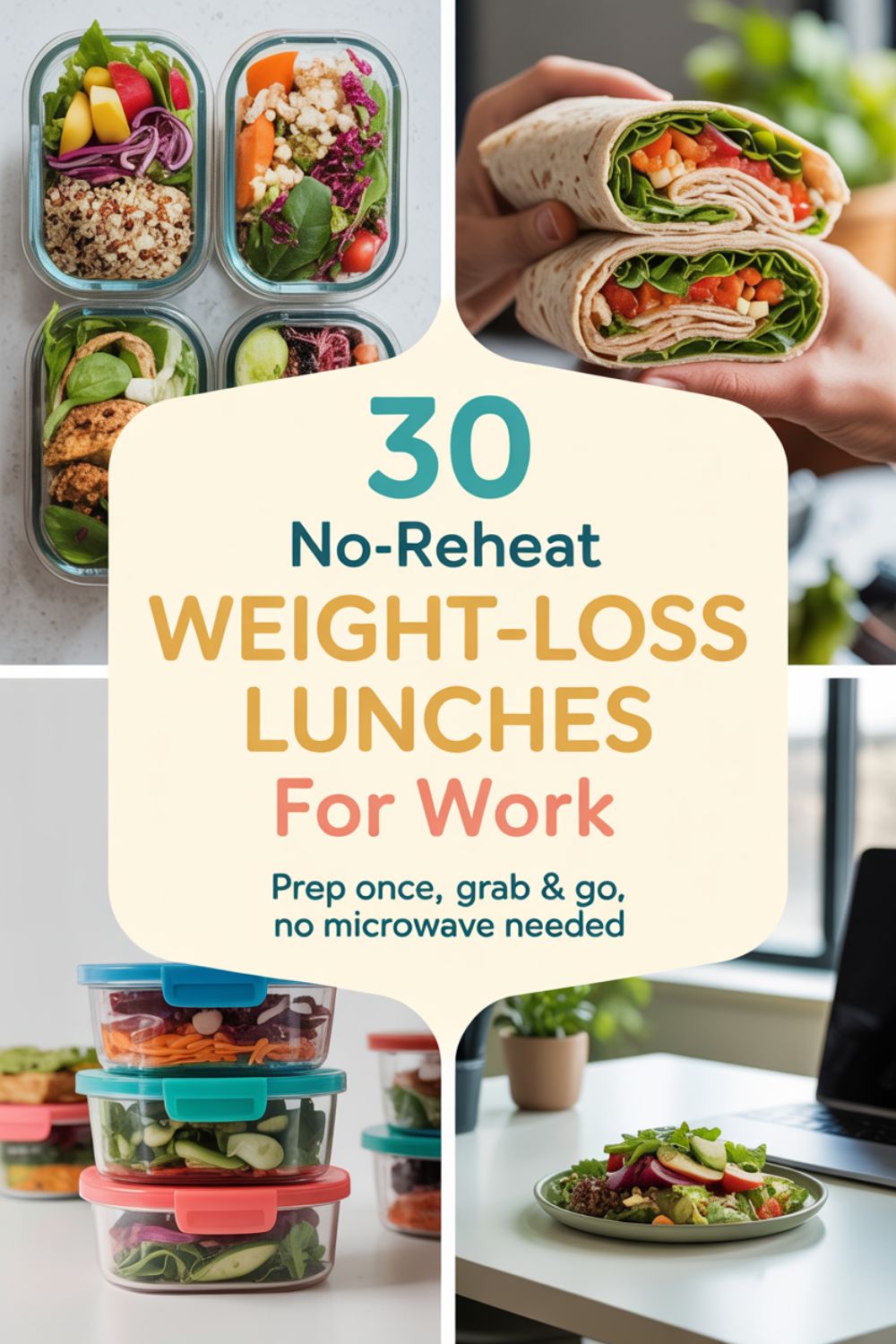
30 No-Reheat Weight Loss Lunches for Work
Let’s be honest—the microwave line at work is basically a daily gauntlet of awkward small talk and judgmental side-eyes at your Tupperware choices. Plus, who wants to spend precious lunch minutes waiting for their meal to heat up when you could be eating? I’m convinced the universe created no-reheat lunches specifically for people who value both convenience and their sanity.
The beauty of high-protein cold lunches lies in their simplicity and efficiency. You prep them once, grab them from the fridge, and you’re good to go. No hovering over a microwave, no plastic containers melting slightly (we’ve all been there), and definitely no sad, soggy leftovers that somehow taste worse reheated. These meals keep you full, support your weight loss goals through increased satiety, and save you from those afternoon energy crashes that make you question every life decision.
I started meal prepping no-reheat lunches about two years ago when I realized I was spending way too much money on overpriced salads that left me hungry an hour later. The transformation wasn’t just about my wallet—I actually started losing weight consistently because I finally had control over portions and ingredients. No more mystery dressings loaded with sugar or “healthy” options that packed more calories than a burger.
Why No-Reheat Lunches Actually Work for Weight Loss
There’s something weirdly satisfying about eating food at the temperature it was meant to be enjoyed. Cold chicken tastes different from reheated chicken—better, IMO. And when you’re not relying on a microwave to make your food palatable, you tend to season and prep things more thoughtfully in the first place.
The science behind this is pretty straightforward. Research shows that higher protein intake helps preserve muscle mass during weight loss while keeping you fuller longer. When you prep cold lunches with adequate protein—think 25-30 grams per meal—you’re basically setting yourself up for success without even trying that hard.
Most people fail at meal prep because they make it too complicated. They try to create restaurant-quality dishes that require seventeen steps and exotic ingredients. But here’s the secret: simple works better. A well-constructed salad, a solid wrap, or a protein-packed bowl requires minimal effort and actually tastes better when it’s fresh and cold.
I use these glass meal prep containers for almost everything because they don’t absorb smells or stains like plastic does. Nothing worse than opening your lunch container to find it still smells like last Tuesday’s tuna salad.
Join Our Meal Prep Community!
Get exclusive recipes, meal prep tips, and weekly inspiration delivered straight to your phone. Join 10,000+ members who are crushing their weight loss goals together.
Join WhatsApp ChannelBuilding the Perfect No-Reheat Lunch Formula
Think of your no-reheat lunch like a blueprint. You need protein, vegetables, healthy fats, and some carbs if you’re not going keto. The magic happens when you balance these elements in a way that keeps things interesting without requiring a culinary degree.
Start with your protein base—grilled chicken, hard-boiled eggs, canned tuna, chickpeas, or even leftover steak from dinner. Then layer in your vegetables. I’m talking actual vegetables here, not iceberg lettuce pretending to be nutritious. Bell peppers, cucumbers, cherry tomatoes, shredded carrots, and snap peas all hold up beautifully in the fridge for days.
The Protein Powerhouse Approach
Protein is your best friend when you’re trying to lose weight. It keeps you full, helps maintain muscle mass, and requires more energy to digest than carbs or fats. For cold lunches, you want proteins that taste good at room temperature or cold. Rotisserie chicken is clutch for this—I grab one every Sunday and it carries me through half the week.
Canned fish might sound boring, but hear me out. Quality tuna, salmon, or sardines mixed with a little mayo (or Greek yogurt if you’re being virtuous), mustard, and diced pickles becomes something legitimately delicious. I keep these small food containers in my desk for mixing dressings or storing toppings separately until lunch time.
For plant-based options, chickpeas roasted with your favorite spices become addictively crunchy. Toss them with this silicone baking mat on a sheet pan—zero sticking, zero scrubbing afterward. Black beans, white beans, and lentils all work beautifully in cold salads too.
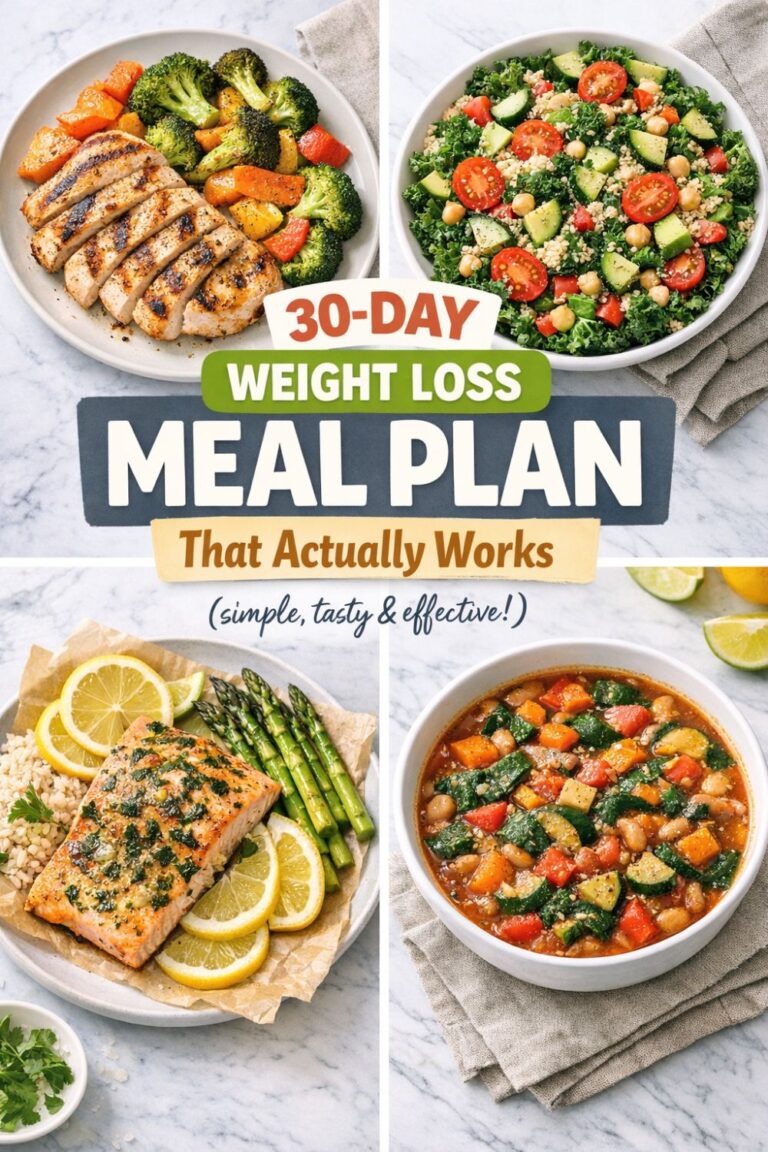
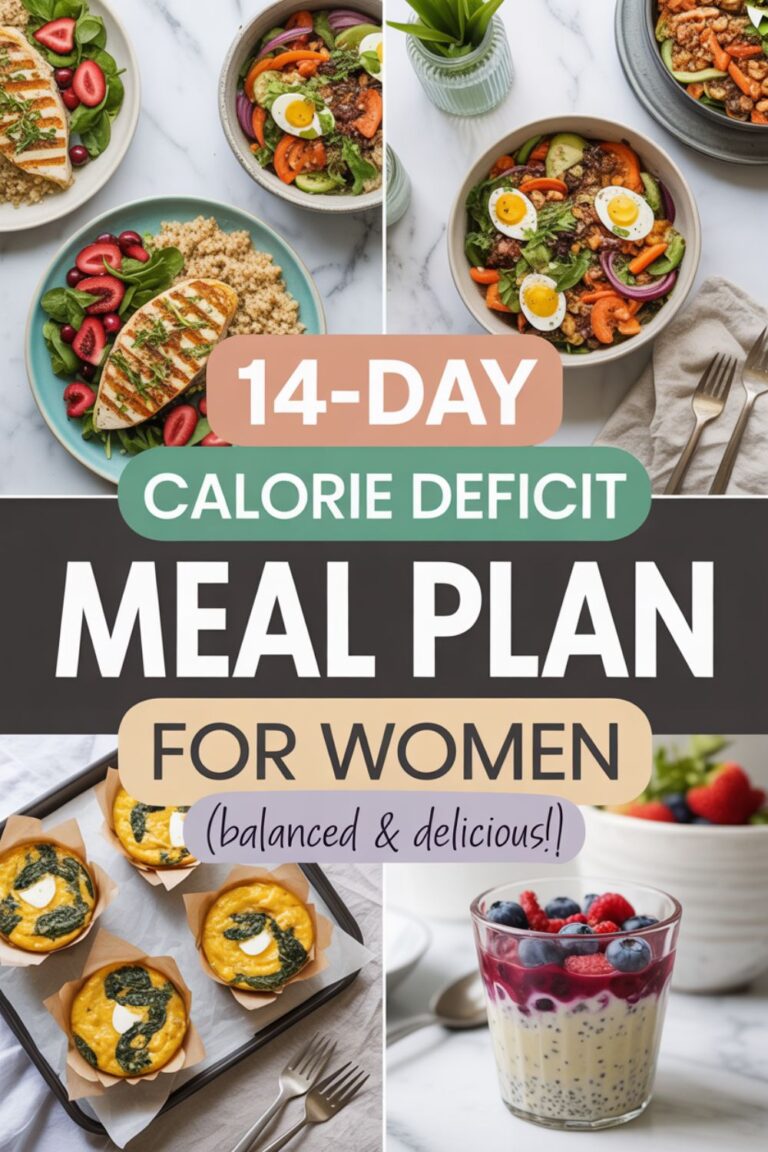
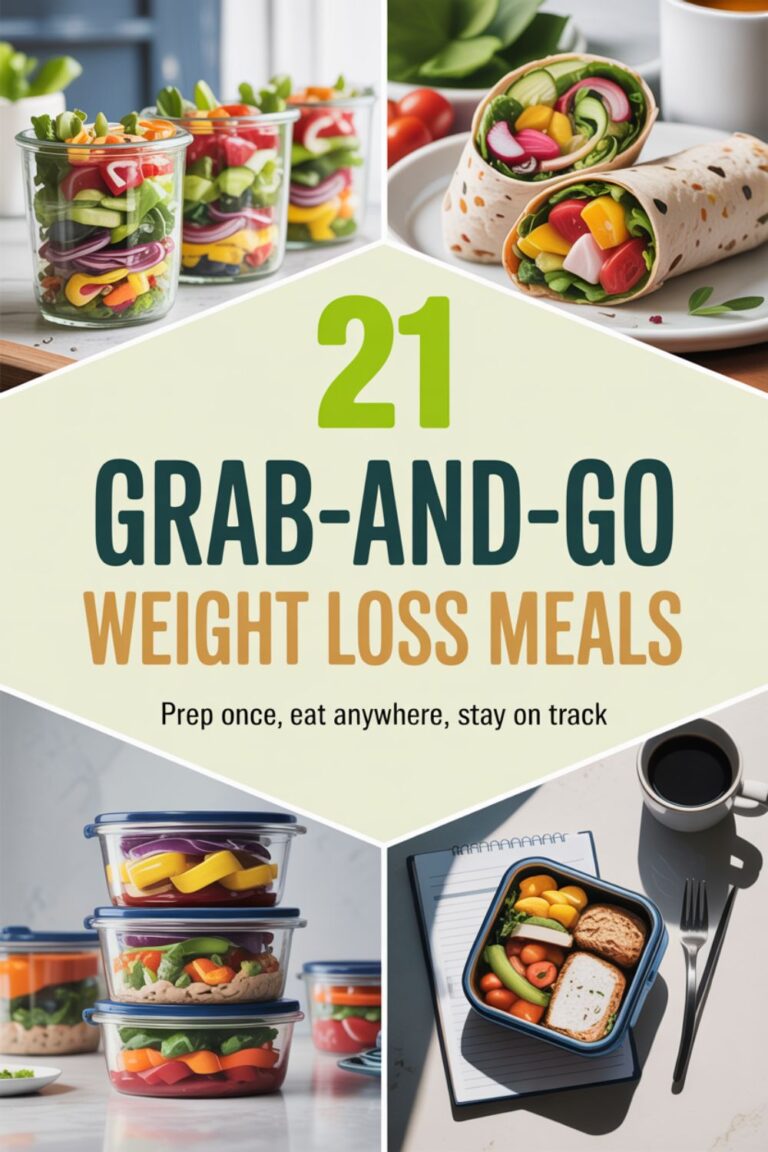
30 No-Reheat Lunch Ideas That Don’t Suck
Let me break these down into categories so you’re not overwhelmed. Some require a bit of weekend prep, others you can throw together in five minutes the night before.
Mason Jar Salads That Actually Fill You Up
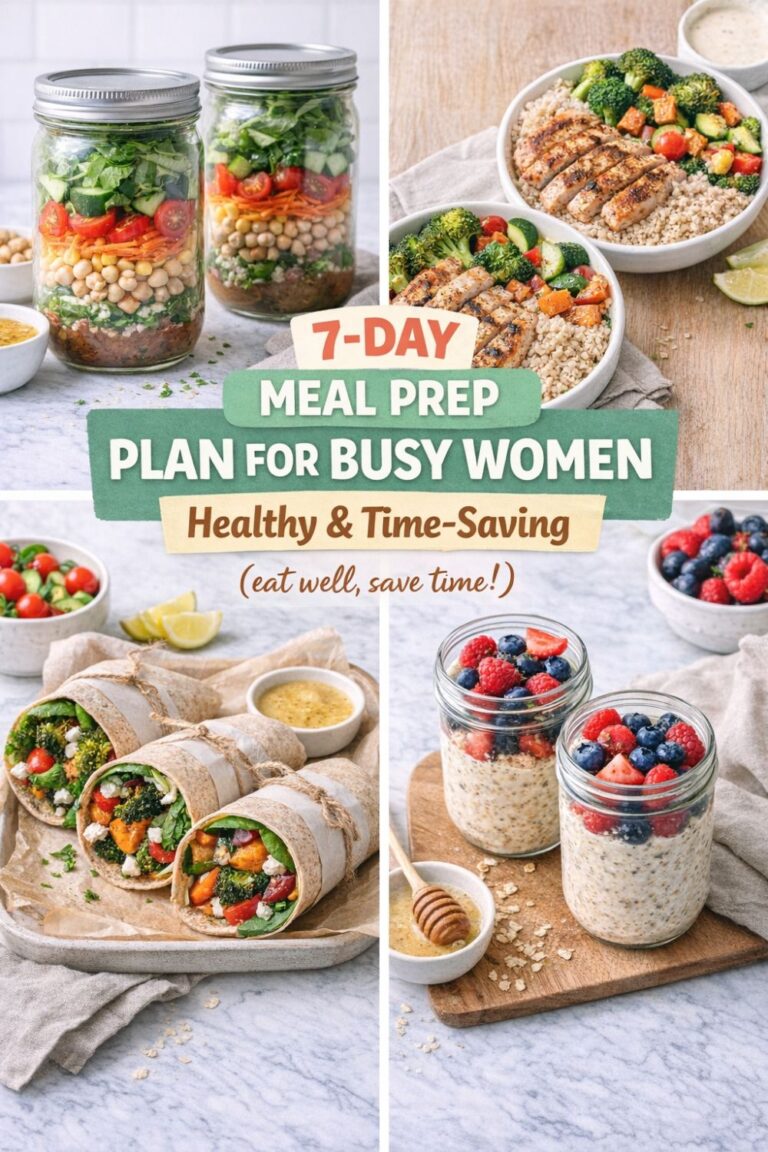
The trick with mason jar salads is layering them correctly. Dressing goes on the bottom, then your sturdiest vegetables, then proteins, then softer items, and lettuce on top. When you’re ready to eat, shake it up and everything gets coated perfectly.
1. Greek Chicken Power Jar: Start with lemon vinaigrette, add cucumbers, cherry tomatoes, red onions, grilled chicken chunks, feta cheese, kalamata olives, and romaine. Each layer stays crisp and the flavors intensify as they sit together. Get Full Recipe
2. Southwest Fiesta Jar: Layer salsa verde (acts as dressing), black beans, corn, diced bell peppers, seasoned ground turkey, pepper jack cheese, crushed tortilla chips, and mixed greens. This one’s basically a deconstructed taco salad that you can eat with a fork or dump into a bowl.
3. Asian Sesame Ginger Jar: Sesame ginger dressing on bottom, edamame, shredded carrots, purple cabbage, mandarin oranges, grilled shrimp or chicken, sliced almonds, and napa cabbage. The crunch factor here is unmatched.
I picked up these wide-mouth mason jars specifically for salads and they’re perfect. Regular jars work fine but the wide mouth makes it way easier to eat directly from the jar if you’re feeling lazy.
Premium Glass Meal Prep Container Set
After testing dozens of container brands, these are the ones I actually use daily. Completely leak-proof, microwave safe (for non-cold meals), and the glass stays crystal clear even after months of use.
4. Caprese Stack Jar: Balsamic vinaigrette, fresh mozzarella pearls, cherry tomatoes, fresh basil leaves, grilled chicken, sun-dried tomatoes, and arugula. This tastes like summer in Italy and takes maybe eight minutes to assemble.
5. Cobb Salad Jar: Ranch dressing, hard-boiled eggs, bacon bits, avocado, cherry tomatoes, grilled chicken, blue cheese crumbles, and romaine. It’s a classic for a reason—all those flavors together are legitimately crave-worthy.
If you’re looking for more protein-packed lunch inspiration, you might want to check out high-protein breakfast bowls and quick protein smoothies to round out your meal prep routine throughout the day.
Protein-Packed Wraps and Sandwiches
Wraps get a bad rap because people usually fill them with sad cold cuts and call it a day. But a properly constructed wrap with the right ingredients can be spectacular eaten cold.
6. Mediterranean Hummus Wrap: Spread hummus on a whole wheat tortilla, layer with grilled chicken, roasted red peppers, cucumbers, red onion, feta, and spinach. Roll it tight, wrap in foil, and you’ve got lunch sorted. Get Full Recipe
7. Thai Peanut Crunch Wrap: Peanut sauce as your base (I use this natural peanut butter mixed with soy sauce, lime, and sriracha), add shredded cabbage, carrots, bell peppers, grilled chicken, and crushed peanuts. The texture contrast makes every bite interesting.
8. Turkey Avocado BLT Wrap: Mash avocado on your wrap, add turkey slices, crispy bacon, lettuce, tomato, and a drizzle of mustard. Keep the bacon separate until lunch or it gets chewy, which some people like but I find weird.
9. Tuna Salad Lettuce Wraps: Mix tuna with Greek yogurt, diced celery, red grapes, walnuts, and a squeeze of lemon. Wrap in large romaine or butter lettuce leaves. Zero carbs if that’s your thing, and the crunch from the celery and lettuce is chef’s kiss.
10. Egg Salad and Veggie Wrap: Hard-boiled eggs mashed with a little mayo, mustard, salt, and pepper. Add shredded carrots, cucumber slices, and sprouts. Simple but somehow hits different when you’re hungry at your desk.
Bowl-Based Beauties
Bowls are where creativity meets convenience. You can throw pretty much anything into a bowl, and if the ingredients are good, it’ll taste amazing.
11. Buddha Bowl Deluxe: Base of quinoa or brown rice (cooked and cooled), top with roasted chickpeas, roasted sweet potato cubes, shredded kale massaged with lemon juice, avocado, and tahini dressing. Every component works cold and the flavors actually improve overnight.
12. Tex-Mex Burrito Bowl: Brown rice, seasoned black beans, grilled chicken or ground beef, pico de gallo, corn, shredded lettuce, cheese, sour cream, and guacamole. Keep the sour cream and guac separate until you eat or they’ll make everything watery.
13. Mediterranean Grain Bowl: Farro or bulgur wheat as your base, grilled chicken, cucumber-tomato salad, hummus, olives, feta cheese, and a drizzle of olive oil. This one’s basically a deconstructed falafel wrap and I’m here for it.
Speaking of Mediterranean flavors, Greek-style grilled chicken and lemon herb quinoa salad also make excellent no-reheat additions that complement these bowl concepts perfectly.
14. Poke-Style Bowl: Sushi rice (cooled completely), cubed raw tuna or salmon (if you trust your fridge situation), edamame, cucumber, avocado, seaweed salad, sesame seeds, and soy sauce. Yes, it’s technically raw fish, but poke is meant to be eaten cold.
15. Chicken Caesar Pasta Salad: Rotini pasta, grilled chicken, romaine, cherry tomatoes, parmesan, croutons (keep separate), and Caesar dressing. It’s like a Caesar salad and pasta salad had a baby and the result is superior to both parents.
Professional Chef’s Knife Set with Blade Guards
Meal prep goes from tedious to therapeutic when you have sharp knives. This set includes everything you need for efficient vegetable prep, and the blade guards mean no more digging through drawers risking your fingers.
Protein-First Options
Sometimes you just want a straightforward protein-vegetable situation without all the extras. These lunches focus on keeping it simple and effective.
16. Grilled Chicken and Vegetable Medley: Sliced grilled chicken breast, roasted broccoli, bell peppers, zucchini, and cherry tomatoes. Dress with olive oil, lemon juice, garlic, salt, and pepper. Boring? Maybe. Effective? Absolutely.
17. Shrimp and Avocado Stack: Cold cooked shrimp, sliced avocado, cucumber rounds, cherry tomatoes, and a squeeze of lime with cilantro. This tastes fancy but takes about four minutes to put together.
18. Deli Meat and Cheese Bento: Roll up your favorite deli meats (turkey, ham, roast beef), add cheese cubes, grape tomatoes, baby carrots, snap peas, and hummus for dipping. It’s basically an adult Lunchable but actually nutritious.
I store individual portions in these compartmented containers because keeping things separated until you eat them makes everything taste fresher. Plus it looks way more appealing when you open your lunch.
19. Salmon and Asparagus: Cold poached or baked salmon, steamed asparagus (cooled completely), cherry tomatoes, and a lemon-dill yogurt sauce. This feels like something you’d order at a bistro but costs a fraction of the price.
20. Hard-Boiled Eggs and Veggie Platter: Multiple hard-boiled eggs, bell pepper strips, cucumber spears, cherry tomatoes, and ranch or hummus for dipping. Super basic, super effective, requires zero cooking skills beyond boiling eggs.
Creative Cold Lunch Ideas
These are for when you’re bored with the basics but still need something that doesn’t require reheating.
21. Cold Sesame Noodles: Soba or whole wheat noodles (rinsed in cold water after cooking), julienned vegetables, edamame, shredded chicken, and a sesame-peanut sauce. This actually tastes better cold than hot and I will die on this hill.
22. Caprese Skewers with Protein: Thread cherry tomatoes, mozzarella balls, and fresh basil on skewers, serve with grilled chicken on the side and balsamic glaze for drizzling. Eating lunch on a stick somehow makes work more tolerable. Get Full Recipe
23. Greek Yogurt Parfait Savory Style: Okay hear me out—layer Greek yogurt with cucumber, cherry tomatoes, olives, feta, and za’atar spice. It sounds weird but it’s basically tzatziki in parfait form and it’s surprisingly good.
24. Cold Pizza Protein Bowl: Diced grilled chicken, cherry tomatoes, mozzarella pearls, pepperoni pieces, olives, red onion, and arugula with Italian dressing. All the pizza flavors without the carbs from the crust.
25. Vietnamese-Style Spring Roll Bowl: Rice noodles, shrimp or chicken, shredded lettuce, cucumber, carrots, mint, cilantro, and peanut sauce. It’s deconstructed spring rolls so you don’t have to deal with rice paper, which never cooperates anyway.
Looking to expand your no-reheat repertoire even further? Try cold quinoa breakfast bowls or overnight oats variations for those mornings when lunch prep didn’t happen the night before.
Salad-Based Winners
Traditional salads get their own category because sometimes you just want to eat a giant bowl of vegetables with protein on top.
26. Steak and Blue Cheese Salad: Mixed greens, sliced leftover steak (cold steak is underrated), cherry tomatoes, red onion, blue cheese crumbles, walnuts, and balsamic vinaigrette. Steakhouse vibes at your desk.
27. Antipasto Salad: Romaine lettuce, salami, pepperoni, mozzarella, provolone, cherry tomatoes, olives, pepperoncini, red onion, and Italian dressing. Basically everything good from an Italian deli in one bowl.
28. Crunchy Asian Chicken Salad: Napa cabbage, shredded chicken, mandarin oranges, sliced almonds, crispy wonton strips (keep separate), and sesame ginger dressing. The mix of textures here is what makes it work.
29. Taco Salad Sans Shell: Romaine lettuce, seasoned ground turkey or beef (works fine cold), black beans, corn, cheese, salsa, and crushed tortilla chips. Skip the fried shell bowl and just eat the good parts.
30. Waldorf Chicken Salad: Mixed greens, diced grilled chicken, apples, grapes, celery, walnuts, and a light mayo or yogurt-based dressing. This one’s sweet and savory and somehow feels fancy even though it’s basically leftovers.
Making No-Reheat Lunches Actually Sustainable
The biggest mistake people make with meal prep is going all-in the first week, making ten different complicated recipes, and burning out by Wednesday. Start with three lunch options you actually like and rotate them. Once that becomes easy, add variety.
Investment in the right tools matters more than you’d think. Those insulated lunch bags keep your food at safe temperatures longer, especially if you’re commuting or don’t have immediate fridge access. I also swear by these reusable ice packs that are slim enough to fit in any lunch bag without taking up half the space.
Deluxe Insulated Lunch Bag with Ice Pack System
This isn’t your average lunch bag. The dual-compartment design keeps cold items separated, the insulation actually works for 6+ hours, and it looks professional enough for any office environment.
Batch cooking your proteins makes everything easier. Research suggests that adequate protein intake throughout the day helps with appetite control and weight management. On Sunday, I’ll grill several chicken breasts, hard-boil a dozen eggs, and maybe prep a batch of ground turkey. That gives me multiple protein options for different lunch combinations without cooking every single day.
Seasoning is what separates mediocre meal prep from stuff you actually want to eat. I keep a collection of spice blends in my kitchen—everything from za’atar to cajun seasoning to Chinese five spice. The same grilled chicken can taste completely different depending on how you season it, which prevents food boredom.
For dressings and sauces, I use these tiny leak-proof containers to keep them separate until lunch. Nothing ruins a good salad faster than soggy lettuce that’s been marinating in dressing for three days. Keep them separate, mix when you eat, thank me later.
Complete Meal Prep Mastery Course
Ready to take your meal prep game to the next level? This comprehensive course covers everything from beginner basics to advanced batch cooking techniques.
- 50+ video tutorials with step-by-step instructions
- Printable shopping lists and meal plans
- Time-saving hacks from professional chefs
- Lifetime access with regular updates
The Practical Reality of Cold Lunch Meal Prep
Let’s talk about what nobody tells you. Some foods just don’t work well as make-ahead cold lunches. Anything with mayo-based dressing gets weird after day three. Avocado turns brown even with lemon juice. Crispy elements go soggy. You’ll learn these lessons the hard way like everyone else.
Temperature safety matters. If your lunch sits at room temperature for more than two hours, you’re playing Russian roulette with food poisoning. Either have access to a refrigerator or use those insulated bags with ice packs religiously. Your digestive system will thank you.
The psychological aspect of eating cold lunches took me a while to adjust to. We’re conditioned to think meals should be hot, but some foods genuinely taste better cold. Pasta salad, for instance, has no business being warm. Same with most grain bowls and definitely anything with mayo.
Variety prevents burnout. Even if you find three lunch recipes you love, rotate them so you’re not eating the exact same thing five days in a row. Monday’s Greek chicken bowl, Tuesday’s turkey wrap, Wednesday’s taco salad—mix it up enough that you actually look forward to lunch instead of just tolerating it.
Dealing with Common No-Reheat Lunch Challenges
The soggy lettuce problem is real. Solution? Keep wet ingredients away from lettuce until you eat. Use the mason jar method, store dressing separately, or create a barrier layer between wet and dry components using heartier vegetables like cucumbers.
Running out of ideas happens to everyone. That’s when you need to think about flavor profiles instead of specific recipes. Italian flavors, Asian flavors, Mexican flavors, Mediterranean flavors—each gives you a template for endless combinations using the same basic ingredients.
Texture fatigue is a thing. When everything in your lunch is the same consistency, it gets boring fast. Include something crunchy (nuts, seeds, crispy chickpeas), something creamy (avocado, cheese, hummus), something juicy (tomatoes, cucumbers), and something with chew (proteins, grains). This textural variety makes meals way more satisfying.
Weight Loss Lunch Planner & Recipe Bundle
Stop wasting time searching for recipes. Get instant access to our curated collection of 200+ no-reheat lunch recipes with built-in calorie tracking.
- Customizable meal plans for any dietary preference
- Automated grocery lists organized by store section
- Macro calculator and portion size guide
- Works on phone, tablet, and computer
People at work will comment on your lunch. Either they’ll be weirdly interested and ask a million questions, or they’ll judge you for eating cold food. Ignore both. Your lunch, your rules, your body. Plus once they see you consistently bringing food that actually looks good, they usually stop commenting and start asking for recipes.
Why This Actually Works for Weight Loss
The boring truth about weight loss is that consistency beats perfection every time. Having lunches ready to go means you’re not making impulsive food decisions when you’re already hungry. Hunger plus convenience options usually equals poor choices and way more calories than planned.
Portion control becomes automatic when you prep meals in individual containers. You’re not mindlessly eating from a family-size serving bowl—you have exactly what you portioned out, and when it’s gone, lunch is over. No second helpings unless you specifically planned for them.
Cold lunches tend to be lower in calorie-dense ingredients. You’re not adding butter to reheat things, you’re not eating heavy casseroles, you’re mostly working with fresh vegetables, lean proteins, and lighter dressings. The format itself pushes you toward healthier choices without feeling restrictive.
For more ideas on balancing your macros throughout the day, try pairing these lunches with high-fiber breakfast recipes and low-carb dinner options to create a complete weight loss meal plan that doesn’t feel like you’re constantly depriving yourself.
Equipment That Makes This Easier
You don’t need fancy equipment, but certain tools make meal prep significantly less annoying. A good sharp knife is non-negotiable—prepping vegetables with a dull knife is torture and takes three times as long.
I use this mandoline slicer for getting vegetables super thin and consistent. Makes cucumber slices, carrot ribbons, and onion rings that look professional with zero knife skills required. Just watch your fingers because those blades are legitimately sharp.
For batch cooking proteins, this meat thermometer ensures you’re not overcooking chicken into rubber or undercooking it into salmonella city. Perfectly cooked protein makes or breaks a cold lunch—dry chicken is nobody’s friend.
The Ultimate Meal Prep Container System Guide
Confused about which containers to buy? This detailed guide breaks down every container type, material, and brand so you make the right choice the first time.
- Comparison charts for 30+ popular container brands
- Storage optimization strategies for small fridges
- Leak-test results and durability ratings
- Money-saving bundle recommendations
Storage is where people often cheap out and regret it. Those glass containers with snap-lock lids cost more upfront but last for years and don’t stain or smell like plastic. Plus food just looks better in glass, which somehow makes you more likely to actually eat it.
Never Run Out of Lunch Ideas Again!
Join our WhatsApp community for daily no-reheat lunch inspiration, shopping lists, and support from people just like you. New recipes posted every Monday and Thursday.
Join Free CommunityFrequently Asked Questions
How long do these no-reheat lunches stay fresh in the fridge?
Most of these lunches stay fresh for 3-4 days when stored properly in airtight containers. Salads with dressing on the side can last up to 5 days, but anything with avocado or delicate greens should be eaten within 2-3 days. Your nose knows—if something smells off, trust your instincts and toss it.
Can I freeze any of these lunches for longer storage?
Honestly, most cold lunches don’t freeze well because of the high water content in vegetables. They turn mushy when thawed and nobody wants to eat that. Stick to refrigeration and prep only what you’ll eat within 4-5 days. The exception is some grain-based bowls without lettuce or fresh vegetables—those can work if you’re desperate.
What if I don’t have access to a fridge at work?
Invest in a quality insulated lunch bag with ice packs—they’ll keep your food safe for 4-6 hours easily. I’ve used this setup for years during jobs without fridge access and never had issues. Just make sure your lunch starts cold and the ice packs are actually frozen solid, not those sad partially frozen ones.
Are cold lunches as filling as hot meals?
Absolutely, as long as you include enough protein and healthy fats. The temperature doesn’t affect satiety—the macronutrient composition does. Most people actually find high-protein cold lunches keep them fuller longer than carb-heavy hot meals that cause blood sugar spikes and crashes.
How do I prevent my lunch from getting soggy or wilted?
Keep wet and dry ingredients separated until you eat. Use the mason jar layering method, pack dressings separately, or create barrier layers with sturdy vegetables. Also, make sure everything is completely dry before packing—wet lettuce goes bad way faster than dry lettuce.