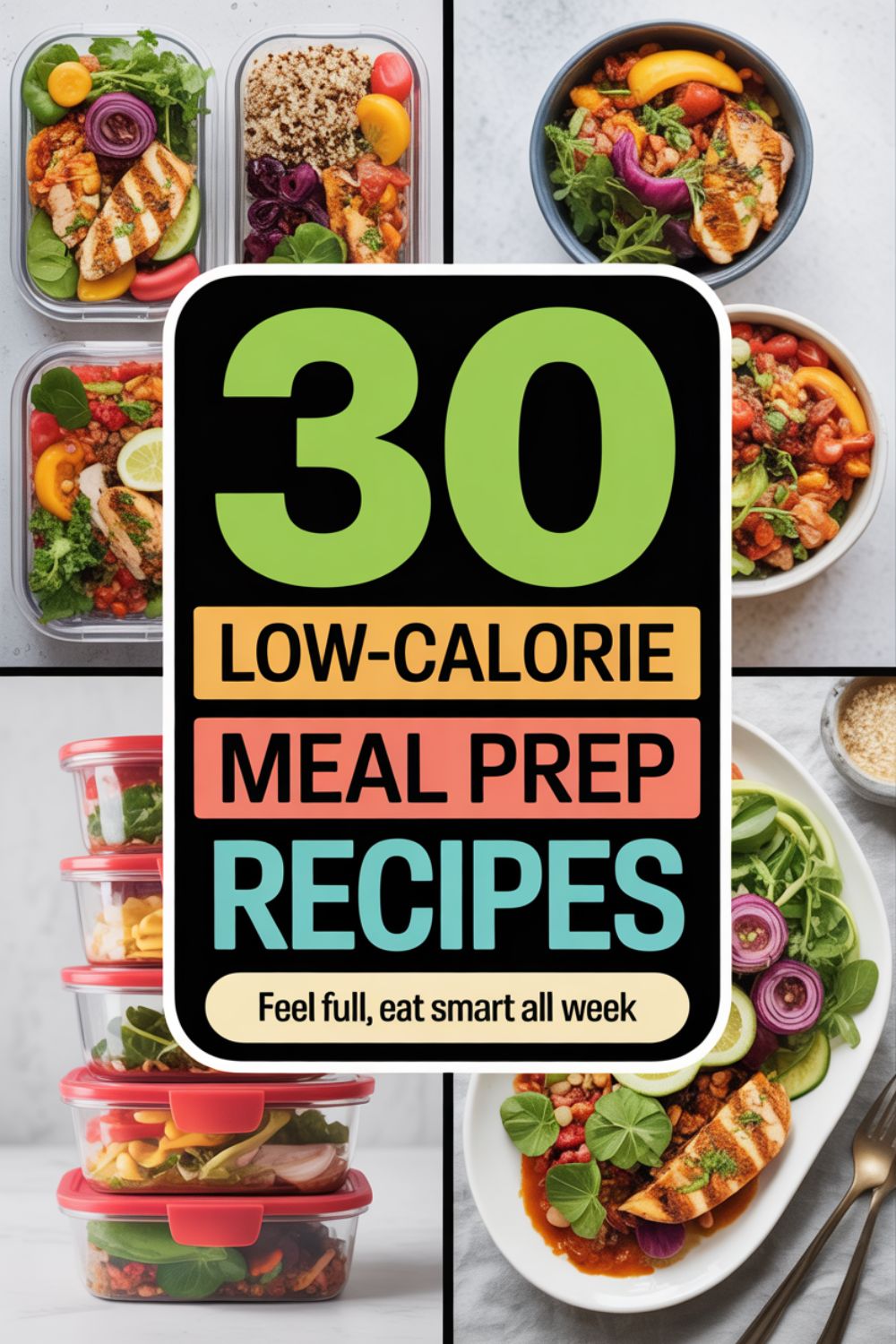
30 Low-Calorie Meal Prep Recipes That Keep You Full
Look, I get it. You open the fridge on Monday morning, see absolutely nothing meal-prepped, and suddenly ordering takeout for the third time this week seems reasonable. Been there, done that, have the credit card statement to prove it.
But here’s the thing about low-calorie meal prep that nobody tells you upfront—it’s not about starving yourself with sad desk salads. It’s about actually eating food that tastes good, keeps you satisfied, and doesn’t make you fantasize about raiding the vending machine by 3 PM. The recipes I’m sharing here clock in at around 300-450 calories per serving, but they’re packed with enough protein and fiber to actually keep you full.
I’ve spent way too many Sunday afternoons testing these combinations, and honestly? Some were disasters. But the ones that made it to this list are the keepers—the meals that made me look forward to opening those meal prep containers instead of dreading them.
Why Low-Calorie Doesn’t Mean Low Satisfaction
There’s this weird misconception that eating fewer calories automatically means you’re going to be miserable and hungry. That’s only true if you’re doing it wrong. Research shows that protein is your secret weapon here—it triggers satiety hormones like peptide YY and GLP-1, which basically tell your brain “hey, we’re good, no need to raid the pantry.”
The trick is building meals around lean proteins, high-fiber vegetables, and complex carbs. I’m talking chicken breast, lean turkey, Greek yogurt, legumes, quinoa—foods that give you actual staying power. When you combine these with vegetables that add volume without adding many calories, you end up with meals that physically fill your stomach while keeping the calorie count reasonable.
Ever notice how you can eat a huge salad with grilled chicken and feel stuffed, but a small bag of chips leaves you wanting more? That’s the difference between nutrient-dense, high-volume foods and calorie-dense, low-volume ones. We’re going for the former.
The Breakfast Winners (Because Skipping Isn’t the Answer)
I used to be a “coffee is breakfast” person until I realized that by 10 AM, I was making terrible decisions at the office cafe. These breakfast options changed that game completely.
Egg-Based Powerhouses
Egg muffins are my go-to when I’m too lazy to actually cook in the morning. Get Full Recipe for these veggie-packed versions that you can grab straight from the fridge. I make a dozen on Sunday, and they last all week. Throw in spinach, mushrooms, bell peppers, maybe some turkey bacon if you’re feeling fancy. Each muffin comes in around 70-80 calories, so you can have two or three depending on your goals.
Scrambled egg whites with vegetables are another solid option, though I’ll be honest—I always keep at least one yolk in there because all-white scrambles taste like disappointment. The yolk adds richness and some important nutrients. Mix it with sautéed peppers and onions, and you’ve got yourself a breakfast that doesn’t taste like punishment.
Overnight Oats That Don’t Suck
Let me tell you about overnight oats. I resisted them for years because they looked like…well, let’s just say they don’t photograph great. But properly made overnight oats with protein powder, berries, and a tiny bit of honey? Actually good. Each serving runs about 300 calories, and the combination of oats, protein, and fruit keeps you satisfied until lunch.
The key is the ratio—half a cup of oats, three-quarters cup of unsweetened almond milk, one scoop of protein powder, and top with fresh berries the night before. I use these glass jars because they seal tight and you can literally eat straight from them.
Looking for more ways to fix your mornings? Check out this 7-day breakfast meal prep plan that covers everything from sweet to savory options.
Lunch Options That Beat the Drive-Through
Here’s where meal prep really proves its worth. When you’ve got lunch ready to go, you’re not standing in front of the office fridge at noon wondering if last night’s pizza is still good.
Buddha Bowls and Grain Bowls
Buddha bowls sound pretentious, I know. But they’re just organized bowls of good stuff—a grain base, protein, vegetables, and a sauce that ties it together. My favorite combination is quinoa, grilled chicken thighs (more flavor than breast meat, fight me), roasted sweet potato, and a tahini-lemon dressing. Get Full Recipe for this specific version because the sauce makes or breaks it.
The beauty of these bowls is that you can prep all the components separately and then mix and match throughout the week. One batch of roasted vegetables, a few different proteins, and suddenly you’ve got variety without actually making five different meals.
Protein-Packed Salads That Aren’t Rabbit Food
The secret to good salads is treating them like actual meals, not side dishes. Get Full Recipe for this Greek chicken salad that packs in chickpeas, grilled chicken, cucumber, tomatoes, and feta. It’s around 380 calories but feels substantial because of the protein and fiber combination.
Mason jar salads are brilliant for keeping things fresh. Dressing at the bottom, sturdy vegetables next, grains and protein in the middle, delicate greens on top. When you’re ready to eat, shake it up. I use these wide-mouth jars specifically because you can actually get a fork in there without frustration.
Speaking of workday lunches, this 5-day work lunch prep guide has more detailed strategies for meals that actually survive until midday.
Soup and Chili Game
Nothing beats soup for meal prep. Make a huge pot, portion it out, and you’re set for days. White chicken chili Get Full Recipe is my winter staple—around 300 calories per serving with plenty of protein from chicken and white beans. The combination of protein and fiber from the beans is clutch for keeping you full.
Lentil soup is another winner if you’re going meatless. Red lentils cook fast, they’re cheap, and they pack about 18 grams of protein per cup. Throw them in with vegetable broth, carrots, celery, and whatever spices you’re feeling, and you’ve got a meal that costs pennies per serving.
For folks looking to add more protein to their lunches, this high-protein lunch prep plan focuses specifically on keeping energy levels stable throughout the workday.
Dinner Meals You’ll Actually Want to Eat
Dinner is where a lot of meal prep falls apart because people try to force themselves to eat the same boring grilled chicken and broccoli every night. Stop doing that to yourself.
Sheet Pan Everything
Sheet pan dinners are the MVP of meal prep. One pan, everything roasts together, minimal cleanup. My favorite is salmon with asparagus and cherry tomatoes—the whole thing takes 20 minutes, comes in around 400 calories, and you can make enough for three or four servings at once. Get Full Recipe for the timing and temperature specifics because overcooked salmon is a tragedy.
I invested in heavy-duty sheet pans after years of dealing with flimsy ones that warped in the oven. Worth every penny.
Stir-Fry Without the Takeout Calories
Homemade stir-fry lets you control exactly what goes in, which means way fewer calories than restaurant versions. Use a good non-stick wok so you don’t need tons of oil. Load up on vegetables—bell peppers, snap peas, broccoli, whatever you’ve got. Add lean protein like chicken breast or shrimp. The sauce is just low-sodium soy sauce, a touch of honey, garlic, and ginger. Get Full Recipe because the ratios matter here.
Pro tip: Pre-cut stir-fry vegetables from the grocery store are worth the extra dollar or two when you’re short on time.
Comfort Food That Fits the Plan
You can still have comfort food without derailing everything. Turkey meatballs with marinara and zucchini noodles Get Full Recipe gives you that pasta satisfaction at around 350 calories per serving. The turkey is leaner than beef but still flavorful, especially if you mix in some Italian seasoning and a bit of parmesan.
Spaghetti squash is another underrated swap. Roast it with some olive oil and salt, scrape out the “noodles,” top with whatever sauce and protein you want. It’s not going to fool you into thinking it’s pasta, but it’s good in its own right.
If you’re working toward specific goals, this high-protein dinner prep plan focuses on meals that support fat loss while keeping you satisfied.
Meal Prep Essentials Used in This Plan
After years of trial and error, these are the tools and products that actually earn their keep in my kitchen.
Physical Products That Make Life Easier
- Glass Meal Prep Containers with Compartments – These changed my meal prep game. No more soggy lettuce touching your protein. The three-compartment versions let you keep everything separate until you’re ready to eat. Microwave-safe, dishwasher-safe, and they don’t stain like plastic.
- Digital Kitchen Scale – Look, I resisted weighing food for a long time because it felt too intense. But if you’re serious about portions and hitting calorie targets, this removes all the guesswork. Just toss your container on there, zero it out, add your food. Takes five seconds.
- Quality Insulated Lunch Bag – Your meal prep is only as good as your ability to keep it cold until lunch. I use one with multiple compartments so I can separate my ice pack from my actual food. Plus it doesn’t look like a kid’s lunchbox, which matters if you’re bringing it to an actual office.
Digital Resources Worth Your Time
- Macro Tracking App – MyFitnessPal or Cronometer, doesn’t really matter which. The key is logging consistently for at least a few weeks so you understand what portions actually look like. Most people underestimate their portions by a significant amount.
- Meal Planning Template – A simple spreadsheet where you can plan out your week, make a shopping list, and track what you actually ate. Nothing fancy, just organized. Keeps you from buying ingredients for recipes you’ll never make.
- Recipe Database Access – Having a collection of tested recipes with actual nutrition information saves so much time. Whether it’s a specific meal prep blog or an app, find sources you trust and stick with them.
Community Support
IMO, having people to share ideas with makes this whole thing less tedious. Join a meal prep community on Reddit or Facebook where people post their weekly preps. You’ll steal ideas, get motivated when you’re feeling lazy, and realize everyone else is also eating the same lunch four days in a row.
Want a longer-term approach? This 21-day weight loss meal prep plan provides a complete roadmap if you’re looking for structured guidance.
The Snacks and Sides That Save You
Between-meal hunger is where most meal prep plans fall apart. You need options that are legitimately filling, not just celery sticks and false hope.
Protein-Forward Snacks
Greek yogurt with berries is probably the most reliable snack in my rotation. Get the full-fat version—the calorie difference is minimal and it’s way more satisfying than the fat-free sadness. Add some chia seeds for extra fiber and omega-3s. The whole thing comes in around 150 calories and actually holds you over.
Hard-boiled eggs are the OG meal prep snack. Make a dozen at the beginning of the week, keep them in the fridge, grab two when you need them. Each egg is about 70 calories with 6 grams of protein. Sometimes the simple stuff is the best stuff.
Vegetable Prep That You’ll Actually Eat
Here’s the thing about vegetables—they’re only low-calorie if you actually eat them. Pre-cut vegetables with individual hummus cups make it effortless. Carrots, bell peppers, cucumber, snap peas. Keep them front and center in your fridge where you can see them.
Roasted chickpeas Get Full Recipe are another game-changer. Drain a can of chickpeas, toss with olive oil spray and whatever seasonings (I’m partial to garlic powder and paprika), roast at 400°F for 30 minutes. Crunchy, satisfying, and way better than chips. About 120 calories per half-cup serving with 6 grams of protein and 6 grams of fiber.
For more variety in your eating plan, check out this 21-day clean eating guide that includes whole food snacks and meal ideas.
Tools & Resources That Make Cooking Easier
You don’t need a professional kitchen to do this, but having the right tools makes a massive difference between enjoying meal prep and dreading it every Sunday.
Kitchen Equipment Worth Having
- Instant Pot or Pressure Cooker – I was skeptical about these until I made an entire week’s worth of shredded chicken in 20 minutes. Throw in frozen chicken breast, some broth, set it and forget it. Perfect for anyone who forgets to defrost things (so, everyone).
- Sharp Chef’s Knife – Please, for the love of efficiency, get a good knife and keep it sharp. Chopping vegetables shouldn’t feel like a workout. A dull knife is dangerous and makes prep take three times longer than it should.
- Food Storage Label Maker – Okay, this sounds extra, but knowing when you made something and what’s in unmarked containers is crucial. Either get actual labels or just keep a roll of masking tape and a Sharpie by your containers.
The Free Resources
- YouTube Meal Prep Channels – Watch someone else do it once and suddenly it’s way less intimidating. There are channels dedicated to budget meal prep, high-protein meal prep, vegetarian meal prep—whatever your specific situation is.
- Grocery Store Apps – Most stores have apps that show weekly sales and let you make shopping lists. Plan your meal prep around what’s on sale that week and you’ll save significant money.
- Recipe Scaling Calculators – When you find a good recipe that serves four but you want eight servings, these calculators do the math for you. No more guessing if you need 1.5 or 2 cans of beans.
If you’re dealing with dietary restrictions, this vegetarian meal prep plan and this low-carb meal prep guide offer alternatives that keep things simple.
Making It Work With Real Life
Theory is great, but let’s talk about what actually happens when you try to meal prep with a full schedule, limited energy, and a kitchen that’s not from a cooking show.
The Budget Reality
Meal prep can save you money, but only if you’re smart about it. Buy proteins when they’re on sale and freeze them. Dried beans and lentils are absurdly cheap compared to canned. Store brands are usually identical to name brands for basic ingredients like rice, oats, and canned tomatoes.
That said, sometimes the convenience items are worth it. Pre-washed salad greens cost more, but if buying them means you’ll actually eat salad instead of ordering pizza, the extra two bucks is worth it. This budget meal prep plan specifically addresses how to eat well without breaking the bank.
Time Management Without Losing Your Mind
You don’t have to prep everything on Sunday. Some people do better spreading it out—protein on Sunday, chop vegetables on Wednesday, make overnight oats Thursday evening. Figure out what works for your schedule instead of forcing yourself into some rigid system.
Batch cooking is your friend. If you’re roasting vegetables, use two sheet pans instead of one. Making rice? Make a big pot. Grilling chicken? Grill enough for multiple meals. The marginal effort of making more is minimal.
Sarah from our meal prep community tried these strategies and lost 15 pounds in three months just by consistently having healthy meals ready. No crazy restrictions, no meal skipping—just actual planning and execution.
When Meal Prep Gets Boring
This is going to happen. You’re going to get tired of eating the same things. When that happens, switch up your seasonings. Same grilled chicken, but Mexican spices one week, Italian herbs the next, Asian-inspired marinade the week after that. Different sauces transform the same base ingredients.
Also, give yourself permission to order food sometimes. Meal prep is supposed to make your life easier, not become another source of stress. If you prep four out of five weekday lunches, that’s a win. Perfectionism is the enemy here.
For those dealing with family meal planning, this family meal prep guide helps coordinate meals that work for multiple people with different preferences.
The Recipes You Actually Want
Here are the specific recipes that have proven themselves in real-world meal prep, not just theoretical “healthy eating” ideas.
Breakfast: Protein Pancake Prep
Mix oat flour, protein powder, egg whites, and mashed banana. Cook them up on Sunday, store in the fridge, reheat for 30 seconds when you want them. Get Full Recipe Each pancake is about 100 calories, and three pancakes with some berries makes a solid breakfast. I reheat mine in my toaster oven because microwaved pancakes can get weird.
Lunch: Turkey Taco Bowl
Ground turkey seasoned with taco spices, served over cauliflower rice with black beans, salsa, and a dollop of Greek yogurt instead of sour cream. Get Full Recipe The whole bowl is around 380 calories but feels like you’re eating actual tacos. The Greek yogurt swap alone saves you 60 calories compared to regular sour cream.
Dinner: Lemon Herb Chicken with Roasted Vegetables
Season chicken thighs with lemon zest, garlic, and Italian herbs. Roast alongside zucchini, bell peppers, and red onion. Get Full Recipe Everything cooks at the same temperature, and the whole meal is about 420 calories. The chicken thighs stay moist even after reheating, which is more than I can say for chicken breast.
Snack: Cottage Cheese Power Bowl
This is going to sound weird if you haven’t tried it, but cottage cheese with cherry tomatoes, cucumber, everything bagel seasoning, and a drizzle of olive oil is legitimately good. Get Full Recipe High protein, low calorie, takes two minutes to throw together. Around 150 calories with 20 grams of protein.
Looking for even more variety? Check out these healthy lunch ideas for busy weekdays or this breakfast prep that doesn’t require cooking every day.
The Science Part (But Make It Practical)
Understanding why this stuff works helps you stick with it when motivation is low.
Calorie Density Explained Simply
Calorie density is just calories per gram of food. Vegetables have low calorie density—you can eat a ton and not consume many calories. Oil has high calorie density—one tablespoon is 120 calories. This is why you can eat a huge plate of roasted vegetables for 200 calories but two tablespoons of ranch dressing is 140 calories.
This matters for meal prep because choosing lower calorie-dense foods means you can eat larger portions while staying in your calorie goals. It’s not about eating less food; it’s about choosing foods that give you more volume for fewer calories.
Why Protein Actually Keeps You Full
Protein increases the release of satiety hormones and decreases the hunger hormone ghrelin. It’s not just marketing from protein powder companies—actual research backs this up. When you eat adequate protein at each meal, you’re literally working with your body’s hunger signals instead of against them.
Aim for at least 0.8 grams of protein per pound of body weight if you’re active. For someone who weighs 150 pounds, that’s 120 grams of protein per day. Split that across four meals, and you’re looking at 30 grams per meal. Totally doable with proper planning.
Related Recipes You’ll Love
Common Questions About Low-Calorie Meal Prep
How long do these meals actually stay fresh?
Most cooked meals stay good for 4-5 days in the fridge. Anything beyond that, freeze it. Cooked grains and proteins freeze well, salads don’t. If you’re prepping for the whole week, make some things fresh on Wednesday. Don’t force yourself to eat questionable food just because you made it on Sunday.
Can I meal prep if I don’t have a lot of time?
Yes, but you need to be realistic. Start with prepping just lunches, or just dinners, not everything. Use convenience items like pre-cut vegetables, rotisserie chicken, or frozen vegetables to cut down on prep time. Even prepping three meals is better than prepping zero meals.
Won’t I get bored eating the same thing all week?
Probably, if you make the same exact meal seven times. But you don’t have to do that. Make a few different options and rotate them. Or make components that can be mixed and matched—three proteins, three grain bases, three vegetable options gives you more combinations than eating the same meal five times. Also, different sauces make things feel less repetitive.
How do I know if I’m eating enough?
Track your food for a week or two to get baseline numbers. If you’re constantly hungry, tired, or losing weight too quickly (more than 2 pounds per week), you’re probably not eating enough. The goal is sustainable eating, not crash dieting. Your body will tell you—listen to it.
What if I hate meal prepping?
Then don’t do it traditionally. Some people do better with “ingredient prep” where you prep components but assemble meals fresh. Others prefer making double batches at dinner and having leftovers. Find what works for you instead of forcing yourself into a system you hate. The best meal prep system is the one you’ll actually do.
The Real Talk Conclusion
Here’s what nobody tells you about meal prep: it’s not going to solve all your problems, and some weeks you’ll fail at it completely. You’ll forget to defrost chicken, or get home late on Sunday and order pizza instead of cooking. That’s fine. The point isn’t perfection.
The point is that having low-calorie meals ready to go removes a huge amount of daily decision-making and makes it way easier to stick to your goals. You’re not relying on willpower at 6 PM when you’re tired and hungry—you’re relying on past-you who had the energy and time to make decent decisions.
Start small. Pick three recipes from this list and prep them this week. See how it goes. Adjust what doesn’t work. Keep what does. Build the habit before you worry about having the perfect system.
And remember, the goal isn’t to eat perfectly prepped low-calorie meals forever. It’s to develop a sustainable approach to eating that supports your health goals without making you miserable. If that means meal prepping four days a week and ordering takeout one day, cool. If it means prepping just lunches and cooking dinner fresh, also cool.
Figure out what works for your life, your schedule, and your preferences. Because the best diet is the one you can actually stick to, and the best meal prep system is the one that makes your life easier, not harder.
Similar Posts
21-Day No-Stress Meal Prep Plan
21-Day No-Stress Meal Prep Plan: Your Complete Guide to Easy Weekly Meals 21-Day No-Stress Meal Prep Plan Look, I get it. The thought of spending your entire Sunday meal prepping for the week sounds about as appealing as doing your taxes while stuck in traffic. But here’s the thing—what if I told you that three…
21-Day Weight Loss Meal Prep for Real Results
21-Day Weight Loss Meal Prep for Real Results 21-Day Weight Loss Meal Prep for Real Results You know what nobody talks about when they’re showing off their color-coded containers and perfect meal grids? The fact that most meal prep plans fall apart by day four when you’re staring at the same bland chicken breast for…
25 Spring Chicken Meal Prep Ideas
25 Spring Chicken Meal Prep Ideas – Fresh, Easy, and Delicious 25 Spring Chicken Meal Prep Ideas Spring’s finally here, which means lighter meals, fresh flavors, and—let’s be honest—less time standing over a hot stove. If you’re anything like me, the thought of cooking dinner every single night makes you want to order takeout and…
7-Day Meal Prep for Busy People
7-Day Meal Prep for Busy People – Build Your Perfect Meal Plan Build Your Perfect 7-Day Meal Prep Customize your weekly meal plan based on your goals and lifestyle Goal Weight LossMuscle BuildingBalanced NutritionEnergy & Performance Calories Low (1200-1500)Medium (1500-1800)High (1800-2200) Diet Style BalancedHigh ProteinLow CarbMediterranean Prep Style Quick (30 min)Batch CookingFresh Daily Generate Your…
21 Low-Carb Meal Prep Ideas Without Fancy Ingredients
21 Low-Carb Meal Prep Ideas Without Fancy Ingredients 21 Low-Carb Meal Prep Ideas Without Fancy Ingredients Look, I get it. You want to eat low-carb, but the second you start googling recipes, you’re bombarded with ingredients you can’t pronounce and grocery bills that rival a car payment. Almond flour this, coconut aminos that, and suddenly…