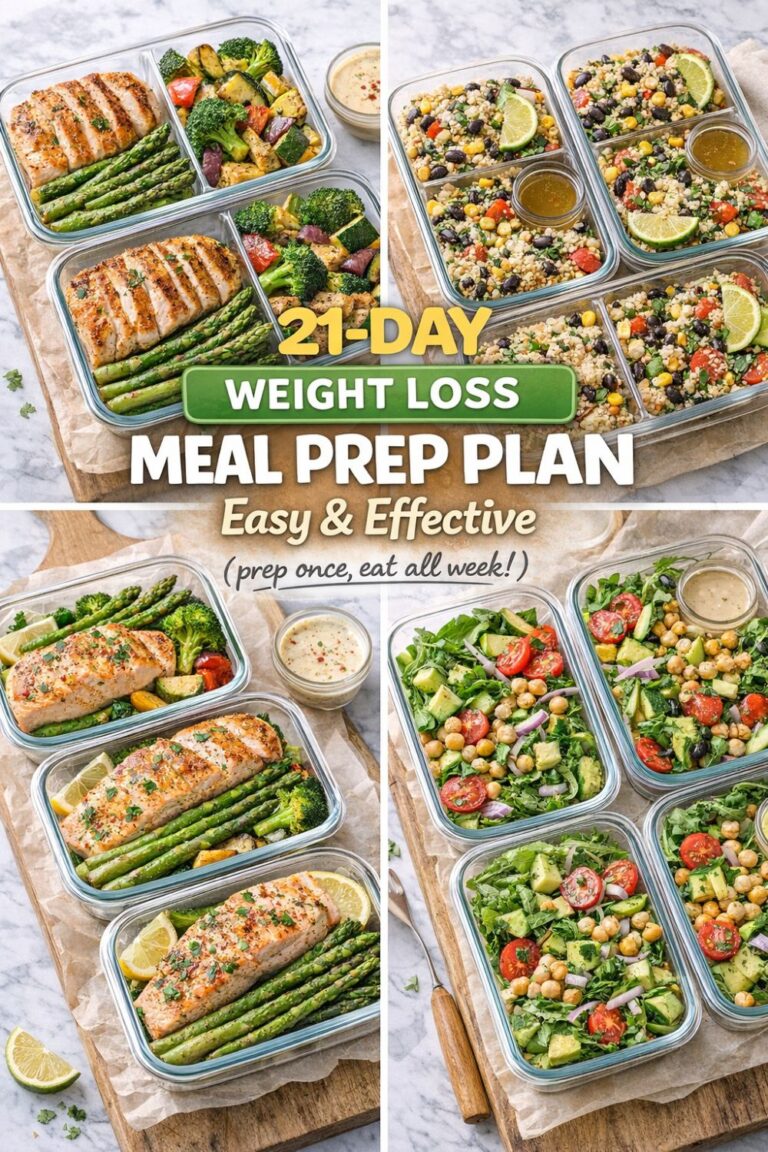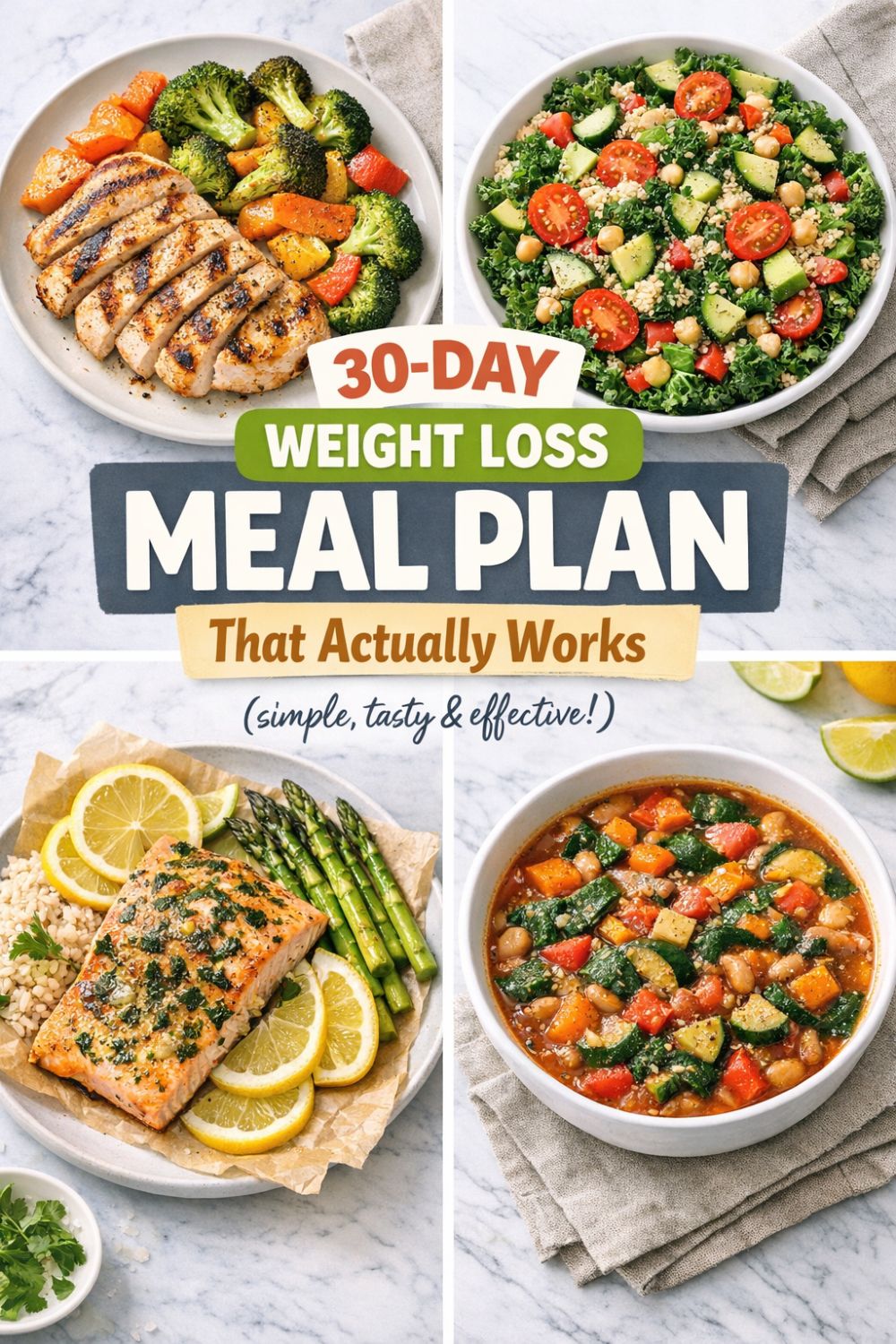
30-Day Weight Loss Meal Plan That Actually Works
Look, I get it. You’ve probably tried a dozen meal plans that promised the world and delivered nothing but bland chicken and sad salads. But here’s the thing—losing weight doesn’t have to feel like punishment, and it definitely shouldn’t require a PhD in nutrition to figure out what you’re supposed to eat.
I’ve spent the last few years testing different approaches, talking to people who’ve actually succeeded, and figuring out what actually sticks. Not the stuff that works for two weeks before you’re face-deep in a pint of ice cream, but real, sustainable changes that make you feel good while the scale moves in the right direction.
This isn’t about perfection. It’s about having a solid plan that doesn’t make you want to quit before day five.

Why Most Meal Plans Fail (And This One Won’t)
Ever notice how most diet plans act like you’re a robot who can weigh every almond and meal prep for six hours on Sundays? Yeah, that’s exactly why they don’t work for normal humans with jobs, families, and Netflix shows to watch.
Research from the National Institutes of Health shows that people who plan their meals ahead consistently have better adherence to nutritional guidelines and higher food variety. But here’s what the studies don’t tell you: those meal planners aren’t spending hours in the kitchen. They’re working smarter, not harder.
The secret sauce? Flexibility within structure. You need guidelines that keep you on track without making you feel trapped. Think of it like bumpers at a bowling alley—they keep you in the lane, but you still get to throw the ball your way.
When I first started experimenting with structured meal planning, I realized the biggest mistake people make is trying to reinvent the wheel every single day. That’s exhausting. Instead, what if you had a rotation of meals you actually enjoy? Get Full Recipe for our foundational chicken and vegetable stir-fry that you can customize twelve different ways.
The Science Behind Sustainable Weight Loss
Let’s talk numbers for a second without putting you to sleep. According to recent research on optimal diet strategies, creating a calorie deficit of 500-750 calories per day typically leads to losing 1-2 pounds per week. That might sound slow, but it’s the sweet spot where your body actually cooperates instead of going into panic mode.
Here’s what happens when you go too aggressive: your metabolism slows down, you feel like garbage, and you end up binging on everything in sight by week three. Been there, done that, got the empty ice cream container to prove it.
🌟 Join Our WhatsApp Community
Want daily meal prep tips, recipe swaps, and accountability from people who actually get it? Join our free WhatsApp channel where we share quick wins, troubleshoot challenges, and celebrate victories together. No spam, just real support from folks on the same journey.
Protein becomes your best friend during weight loss. It keeps you full, preserves muscle mass, and requires more energy to digest than carbs or fats. Aim for about 0.8-1 gram per pound of your goal weight. If you’re shooting for 150 pounds, that’s 120-150 grams daily.
Don’t panic—that’s totally doable without chugging protein shakes all day. A high-protein breakfast bowl gets you 30-40 grams right out of the gate. Add some Greek yogurt as a snack, a palm-sized portion of chicken or fish at lunch, and boom—you’re there.
Week 1: Setting Up Your Foundation
The first week isn’t about perfection. It’s about establishing patterns that won’t make you want to throw your meal prep containers out the window by Wednesday.
Breakfast Options That Don’t Suck
Forget the sad bowl of plain oatmeal. Your breakfast should wake up your taste buds, not bore them into submission. Protein-forward breakfasts keep you satisfied until lunch without that mid-morning crash that sends you hunting for donuts.
My go-to? Scrambled eggs with vegetables and a piece of whole grain toast. Takes seven minutes, costs less than your coffee, and keeps you full for hours. If you need to grab and go, overnight oats prepared the night before save your sanity. Get Full Recipe for five different overnight oat variations that actually taste like dessert.
I keep a good set of meal prep containers in two sizes—small ones for overnight oats and larger ones for full meals. Game changer for staying organized.
30-Day Meal Planner & Tracker (Digital Download)
Stop reinventing the wheel every week. This printable PDF includes daily meal planners, grocery list templates, and progress trackers—everything organized in one place. No more scattered notes or forgotten ingredients.
Get Instant AccessLunch: The Make-or-Break Meal
Lunch is where most people completely derail. You’re busy, you forgot to pack something, and suddenly you’re staring at a sad desk salad or ordering takeout that costs too much and delivers too many calories.
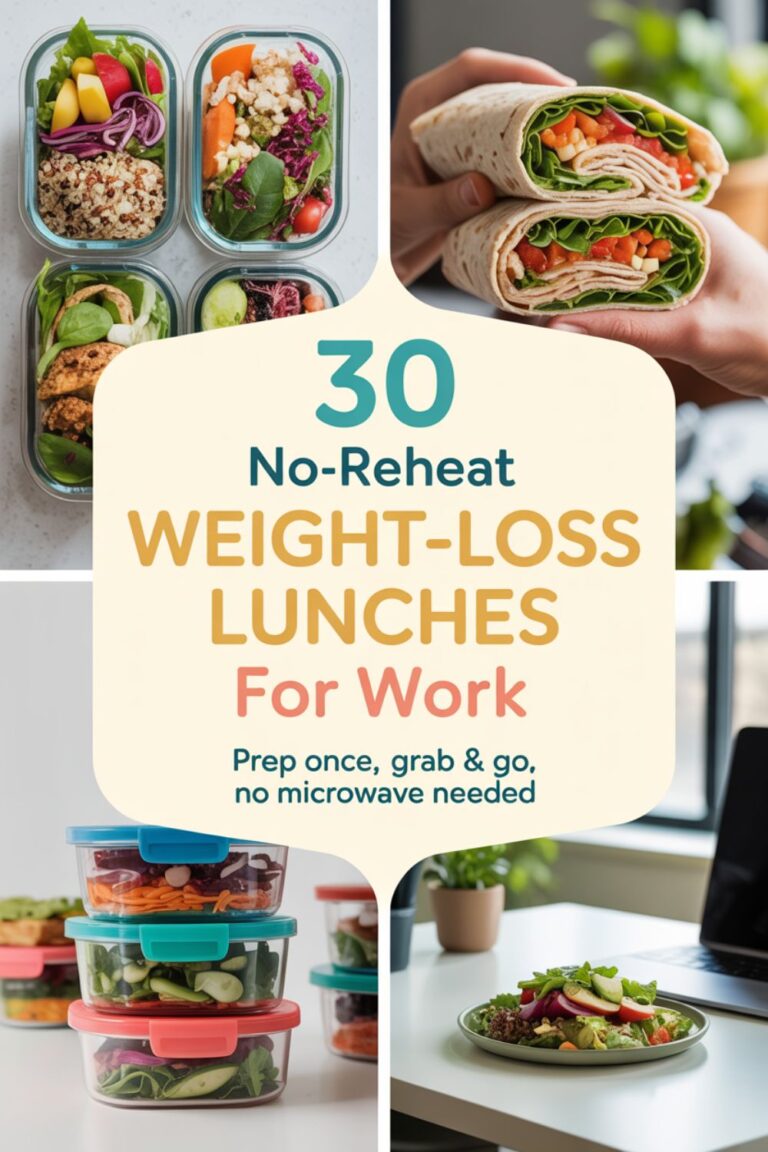
The solution? Batch cooking on Sunday and Wednesday. I know, I know—everyone says this. But here’s the trick: you’re not cooking seven different meals. You’re making two base proteins, roasting a bunch of vegetables, and cooking a couple grains. Then you mix and match throughout the week.
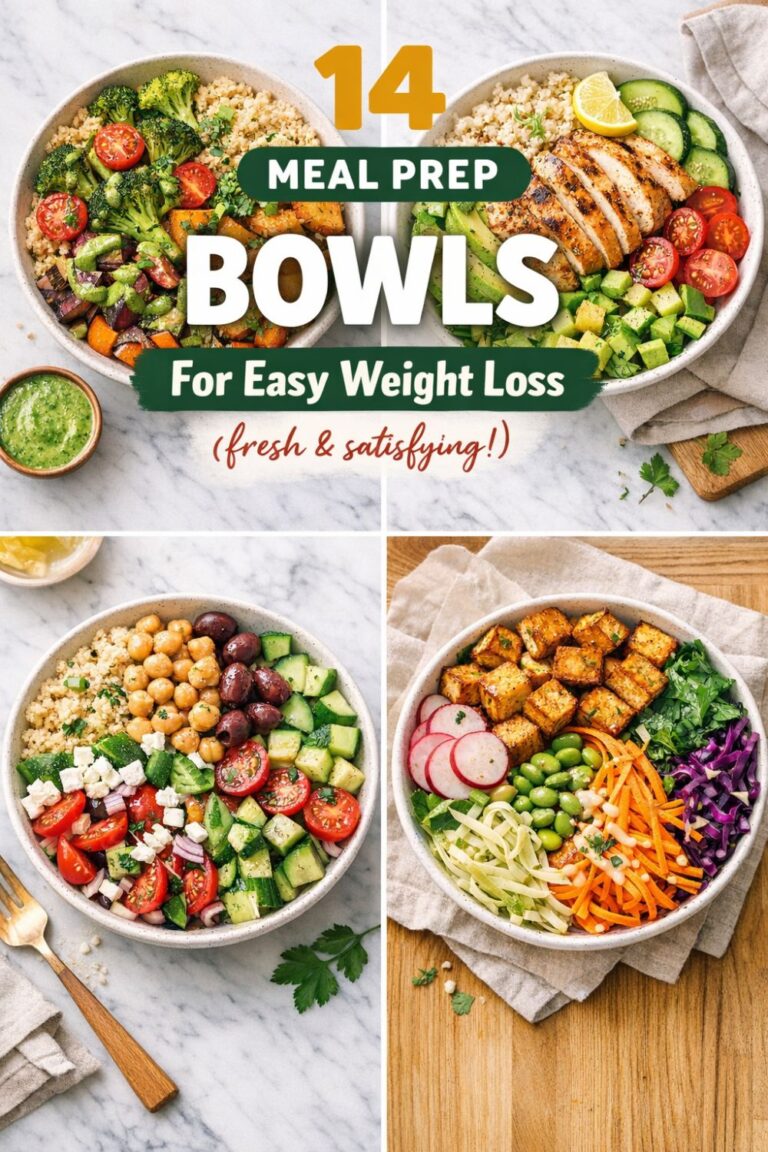
A simple strategy: grill chicken breasts with different seasonings and roast a big sheet pan of vegetables. Pair them with quinoa one day, brown rice another, and wrapped in lettuce leaves on a third. Same ingredients, different vibes. For variety, try this Mediterranean chickpea bowl that holds up beautifully for four days.
Premium Glass Meal Prep Containers (Set of 10)
Forget flimsy plastic that stains and warps. These borosilicate glass containers are microwave-safe, dishwasher-friendly, and have snap-lock lids that actually seal. Five different sizes mean you’re covered for everything from sauce portions to full meals.
Speaking of meal prep, check out these strategies if you want more breakfast inspiration—make-ahead breakfast burritos or protein pancake recipes both freeze beautifully and reheat in minutes.
Dinner: Keep It Simple, Stupid
After a long day, the last thing you want is a recipe with seventeen ingredients and techniques you’d need a cooking show to master. Simple doesn’t mean boring—it means efficient.
A quality dinner looks like this: a protein source (fish, chicken, lean beef, tofu), a pile of vegetables (roasted, steamed, or raw), and maybe a small portion of complex carbs if you’re hungry. Season well, don’t be afraid of healthy fats like olive oil, and call it a day.
My cast iron skillet sees more action than any other pan in my kitchen. You can sear salmon, roast vegetables, and even make a frittata—all in one pan with minimal cleanup.
One of my favorite lazy dinners? Sheet pan meals. Everything cooks together, minimal dishes, maximum flavor. Get Full Recipe for our most popular sheet pan dinner that uses whatever vegetables you have hanging around.
Week 2-3: Building Momentum Without Burnout
Right around day ten, something interesting happens. Either you’ve found your groove, or you’re starting to feel the diet fatigue creeping in. This is where having variety in your meal rotation becomes crucial.
The Power of Strategic Swaps
You don’t need completely different meals every day—you just need enough variety that your brain doesn’t rebel. Strategic swaps keep things interesting without requiring a complete overhaul.
Bored with chicken? Switch to turkey, white fish, or shrimp. Tired of broccoli? Try cauliflower, Brussels sprouts, or green beans. Same nutritional benefits, different flavor profiles. The DASH eating plan emphasizes this kind of flexibility within nutritional guidelines.
FYI, keeping a well-stocked spice cabinet makes all the difference. Different seasonings transform the same basic ingredients into completely different meals. Italian herbs one night, curry spices the next, taco seasoning after that.
Handling Social Situations Like a Boss
Someone’s birthday. Happy hour. That work lunch you can’t skip. Life happens, and rigid meal plans crumble when they meet reality.
Here’s your strategy: eat normally before social events. Show up actually hungry (not ravenous), and you’ll make better choices. Survey all your options before loading your plate. Choose what you really want, eat slowly, and stop when you’re satisfied—not stuffed.
Research on sustained weight loss strategies shows that people who successfully maintain weight loss learn to navigate their food environment rather than avoiding it entirely. You’re building skills for life, not just 30 days.
Smart Kitchen Scale with Nutritional Display
This isn’t your grandma’s kitchen scale. Connect it to your phone and it automatically calculates calories, protein, carbs, and fats for over 2,000 foods. No more manual logging or guessing portions. Just place your food, get instant nutrition data.
For more ideas on staying on track during challenging situations, these low-calorie appetizers and healthy party snacks let you enjoy social events without the guilt hangover.
Week 4: Cementing Your New Normal
By week four, you should be feeling pretty different. Energy levels up, clothes fitting better, and maybe—just maybe—you’re not fantasizing about pizza every waking moment.
Listening to Your Body’s Signals
This is where things get interesting. You’ve been following the plan, but now it’s time to start customizing based on how your body responds. Hungry between meals? Add more protein or fiber. Feeling sluggish? Maybe you need a few more complex carbs. Too full? Scale back portion sizes slightly.
One thing I learned the hard way: there’s a difference between physical hunger and habit hunger. If you’re “hungry” at exactly 3pm every day, that’s probably habit. If your stomach’s actually growling and you feel low energy, that’s real hunger worth addressing.
A digital food scale helps during this phase—not to obsess over every gram, but to recalibrate what portion sizes actually look like. Most of us underestimate how much we eat by about 20-30%.
Meal Prep Mastery
By now, you should have your meal prep system dialed in. You know what stores well, what doesn’t, and how much food you actually need for the week. Efficiency is the name of the game.
I use a programmable slow cooker for proteins that need longer cooking times. Throw in chicken thighs or a lean roast in the morning, come home to perfectly cooked protein. Meanwhile, a rice cooker with a steamer basket handles grains and vegetables simultaneously.
The goal? Spending less than two hours twice weekly on meal prep. That’s it. Not your entire Sunday. Not every evening. Two focused sessions, and you’re covered.
Macro Calculator & Portion Guide (Instant PDF)
Guessing portion sizes is where most people go wrong. This visual guide shows exactly what 30g of protein looks like, how to eyeball carbs, and includes a customizable macro calculator based on your goals. No more wondering if you’re eating too much or too little.
Download NowThe Non-Negotiables: What You Actually Need to Succeed
Let’s cut through the noise. You don’t need meal replacement shakes, detox teas, or whatever celebrity-endorsed nonsense is trending this week. You need some basic principles and the discipline to stick with them.
Hydration Isn’t Optional
Water before anything else. I’m talking at least eight glasses daily, more if you’re active or live somewhere hot. Half the time you think you’re hungry, you’re actually just thirsty.
I keep a large water bottle with time markers on my desk. Sounds ridiculous, but it works. When you can see you’re behind schedule, you drink more. Simple as that.
Multi-Function Air Fryer with Rotisserie (8-in-1)
Cut your cooking time in half without sacrificing flavor. This thing air fries, roasts, bakes, dehydrates, and even has a rotisserie function. Crispy chicken thighs in 20 minutes? Done. Roasted vegetables that actually taste good? Easy. Plus the digital presets mean no guesswork.
Sleep: The Most Underrated Weight Loss Tool
Here’s something nobody wants to hear: if you’re sleeping five hours a night, no meal plan will save you. Poor sleep messes with hunger hormones like ghrelin and leptin, making you hungrier and less satisfied after eating.
Aim for seven to nine hours. I know life is busy, but consistently shorting yourself on sleep is like trying to fill a bucket with a hole in the bottom. You can pour in all the healthy meals you want, but you’re fighting an uphill battle.
Movement Matters (But Not How You Think)
You can’t out-exercise a bad diet—we all know this by now. But movement absolutely supports weight loss by preserving muscle mass, improving insulin sensitivity, and burning additional calories.
The CDC’s healthy eating guidelines emphasize that combining dietary changes with regular physical activity yields better long-term results than diet alone. You don’t need to become a gym rat, but walking 30 minutes daily? That’s the baseline.
Troubleshooting Common Problems
Things will go wrong. That’s not pessimism—that’s reality. Here’s how to handle the most common issues without completely derailing.
The Scale Isn’t Moving
First, breathe. Weight loss isn’t linear. You might drop three pounds one week and nothing the next, even while doing everything right. Water retention, hormone fluctuations, and muscle gain all affect the number on the scale.
Give it two weeks of consistent effort before freaking out. If the scale truly hasn’t budged after fourteen days, you’re likely eating more than you think. Time to track meticulously for a few days and see where the extras are sneaking in.
You’re Starving All the Time
This shouldn’t happen. If you’re genuinely hungry—not bored, not stressed, but actually hungry—you need to adjust something. Add more protein and fiber to each meal. Both increase satiety significantly.
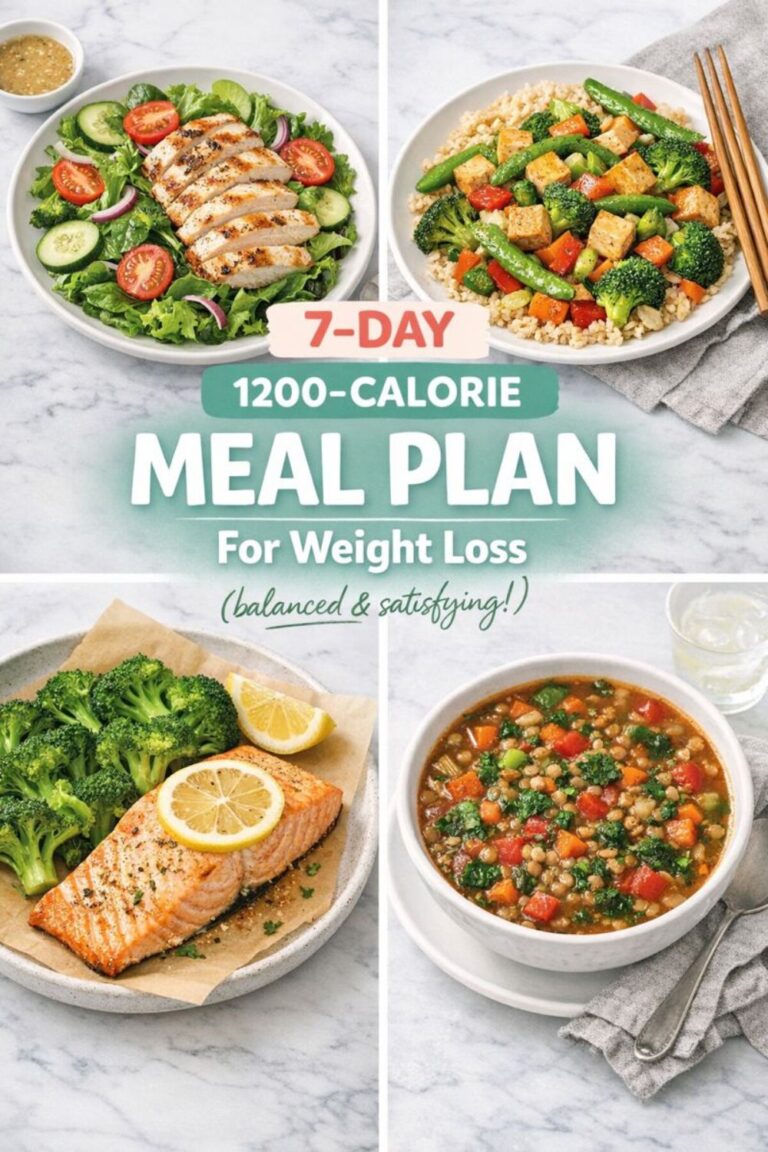
Also check your calorie target. If you’re eating 1200 calories daily and working out hard, yeah, you’re going to be miserable. The goal is sustainable deficit, not starvation. Most women do well around 1500-1800 calories for weight loss; most men around 1800-2200. These are ballpark figures—your mileage may vary.
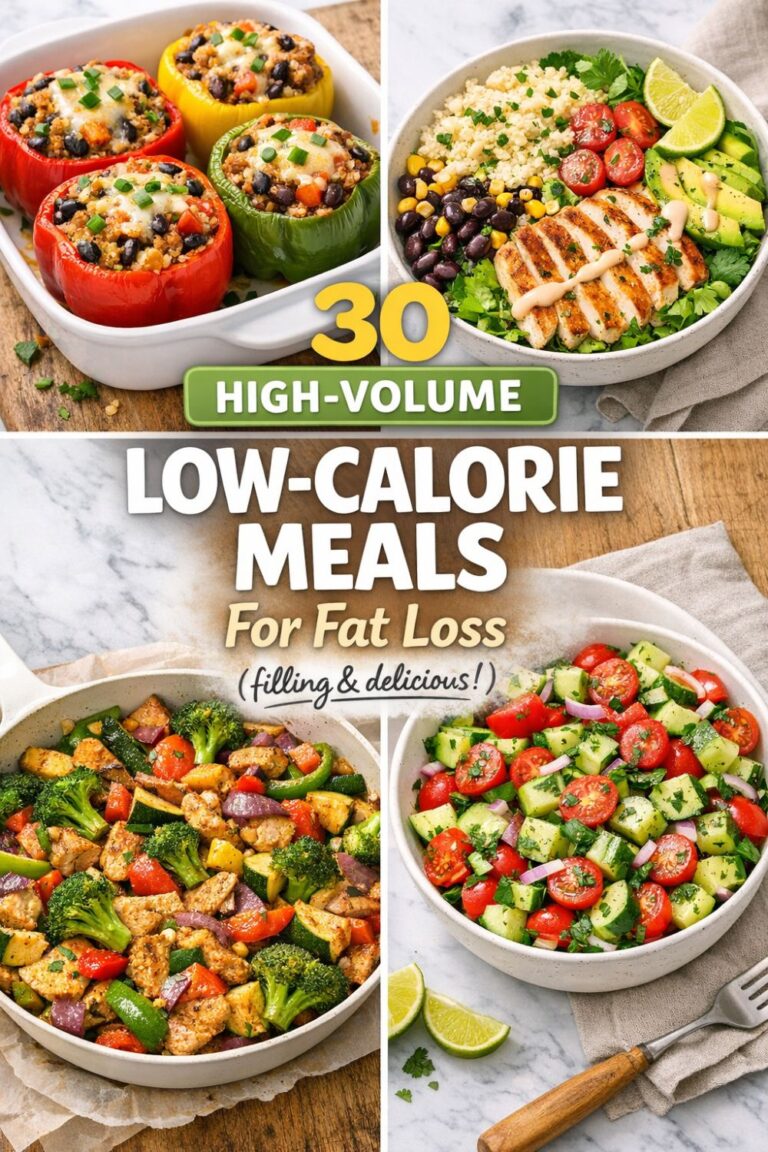
Need more filling meal options? These high-volume low-calorie recipes let you eat large portions without blowing your calorie budget.
🌟 Weekly Meal Plans Delivered Free
Stop stressing about what to cook. Every Sunday, we send fresh meal plans, grocery lists, and prep shortcuts straight to your phone via WhatsApp. Real recipes from real people who’ve made this work. It’s like having a meal planning buddy in your pocket.
You Hate Meal Prep
Then don’t do traditional meal prep. Seriously. Some people thrive on having five identical lunches lined up in the fridge. Others want to gauge what they feel like eating that day.
Prep ingredients, not meals. Cook your proteins, chop your vegetables, prepare your grains. Store them separately, then assemble meals as you go. Same efficiency, more flexibility. Plus, food stays fresher when it’s not sitting assembled for five days.
Real Talk: What Sarah Actually Did
Sarah from our community followed this plan and lost 15 pounds in three months. Not 30 in 30 days—that’s infomercial nonsense. But steady, sustainable progress that didn’t make her hate her life.
Her biggest takeaway? Consistency beat perfection every time. She had pizza at her daughter’s birthday party. She enjoyed wine with friends on Friday nights. But Monday through Thursday? Locked in. That 80/20 approach is what made it stick.
The interesting part? By week six, she wasn’t thinking about it as much. The habits became automatic. Meal prep Sunday afternoon while listening to a podcast. Packing lunch before bed. These small routines removed the daily decision fatigue that tanks most diet attempts.
Beyond the Scale: Other Wins to Track
Your weight is one data point, but it’s not the only one worth watching. How do your clothes fit? How’s your energy level? Can you do things that felt harder a month ago?
Studies on health benefits beyond weight loss show significant improvements in metabolic health, inflammation markers, and overall quality of life—even when the scale doesn’t move as fast as you’d like.
IMO, the mental shift is the biggest win. When you stop seeing food as the enemy and start viewing it as fuel that can taste amazing, everything changes. You’re not suffering through some temporary diet. You’re learning to eat like a person who maintains a healthy weight naturally.
Making This Work Long-Term
The 30 days are just the beginning. Real talk? If you go back to eating exactly how you did before, the weight comes back. That’s not failure—that’s just physics.
The 90/10 Maintenance Rule
Once you hit your goal weight, shift to maintenance mode. Ninety percent of the time, eat the way you’ve been eating. Ten percent? Live your life. That birthday cake, that vacation, that holiday meal—enjoy them guilt-free because they’re the exception, not the rule.
This approach, supported by research on behavioral weight loss programs, shows that people who successfully maintain weight loss don’t restrict forever. They establish a new normal that allows flexibility within boundaries.
Keep the Tools That Worked
Don’t abandon the systems that got you results. If meal planning on Sundays worked, keep doing it. If tracking your food kept you accountable, continue. If batch cooking saved your sanity, that doesn’t stop being useful just because you lost weight.
The difference? You can relax a bit. Add back some foods you’ve been moderating. Increase portion sizes slightly. But keep the framework that proved successful.
200+ Healthy Recipe Bundle (Printable Cookbook)
Never run out of meal ideas again. This digital cookbook includes breakfast, lunch, dinner, and snack recipes—all with full nutrition info and prep times under 30 minutes. Save it to your phone or print it for your kitchen. Lifetime access, zero subscription fees.
Get the BundleFor continued inspiration and new ideas, bookmark these resources: 100+ healthy dinner ideas keeps your rotation fresh, while weekly meal planning templates help maintain your organizational system.
Frequently Asked Questions
How much weight can I realistically lose in 30 days?
Expect 4-8 pounds if you’re consistent. Anyone promising more is either lying or promoting unhealthy practices. Sustainable weight loss is 1-2 pounds weekly, which protects your metabolism and makes the results stick. Quick fixes lead to quick regains.
Do I need to count calories or can I just follow the meal ideas?
It depends on your awareness level. If you have no idea how much you’re currently eating, track for the first week to establish baseline knowledge. After that, many people can maintain progress by following portion guidelines without obsessive counting. The key is learning what appropriate portions look like, then trusting yourself.
What if I’m vegetarian or have dietary restrictions?
The framework works for any eating style—just swap proteins and adjust accordingly. Replace chicken with tofu, tempeh, legumes, or seitan. The principles of balanced meals, portion control, and meal planning apply regardless. Focus on getting enough protein from plant sources, and you’re golden.
Can I drink coffee or alcohol on this plan?
Coffee’s fine—just watch what you put in it. That vanilla latte is basically a dessert. Black coffee or coffee with a splash of milk is totally fine. Alcohol? It’s empty calories that lower inhibitions and make you eat more, but an occasional glass of wine won’t destroy your progress. Just account for it in your daily intake and limit to 2-3 drinks per week max.
What happens after the 30 days are over?
You transition to maintenance, which means slightly higher calories but the same basic structure. The skills you’ve built—meal planning, portion awareness, cooking at home—these become your new normal. You’re not going back to old habits; you’re just relaxing the reins a bit while keeping what worked. Think of it as shifting from weight loss mode to weight maintenance mode.
Final Thoughts: You’ve Got This
Here’s what nobody tells you about weight loss: it’s not actually that complicated. Eat mostly whole foods, keep portions reasonable, move your body regularly, and sleep enough. That’s it. The hard part isn’t knowing what to do—it’s doing it consistently when life gets messy.
This 30-day plan gives you the structure to build those habits without making you miserable in the process. You’ll eat food you actually enjoy, learn skills that last beyond this month, and hopefully realize that healthy eating doesn’t have to be a punishment.
Some days will be easier than others. You’ll nail it one week and completely fall off the wagon the next. That’s being human, not failing. The people who succeed long-term aren’t the ones who never mess up—they’re the ones who get back on track after they do.
So grab your meal prep containers, stock your spice cabinet, and give yourself permission to learn as you go. You don’t have to be perfect. You just have to be consistent.
The scale will move. Your clothes will fit better. Your energy will improve. And maybe—just maybe—you’ll start enjoying the process instead of enduring it. That’s when you know you’ve found something sustainable.
Now stop reading and start doing. Your future self is rooting for you.