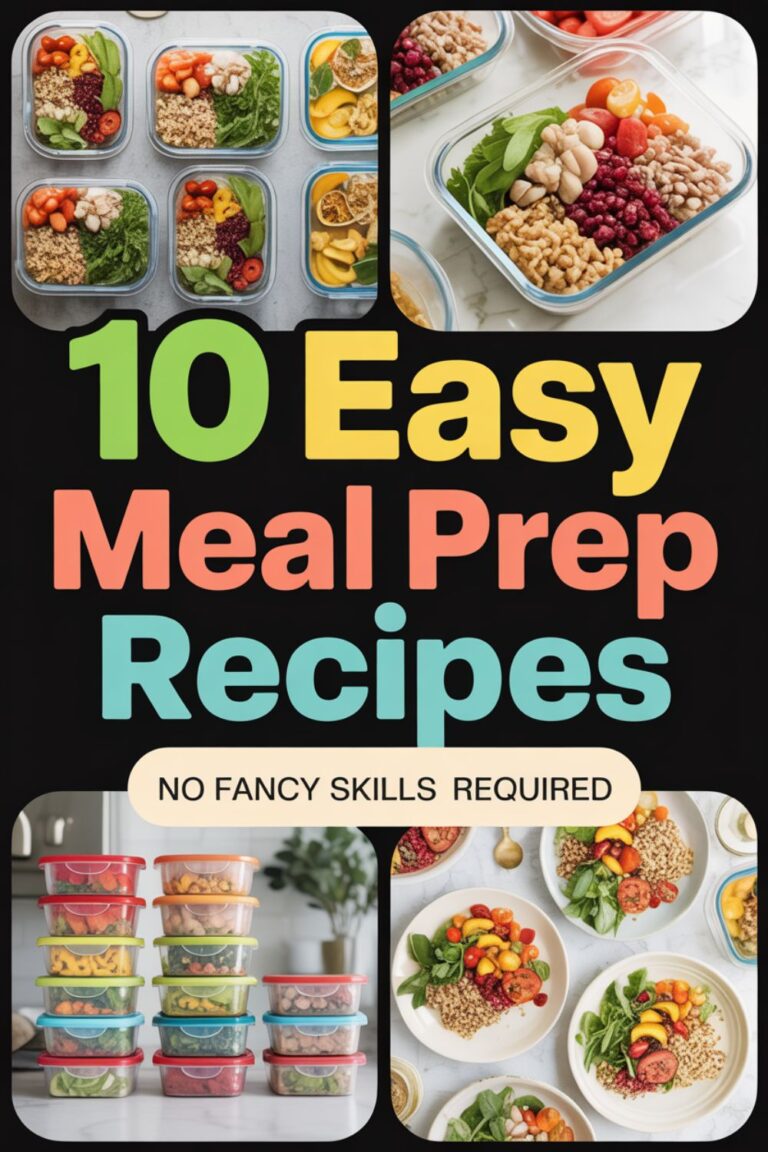
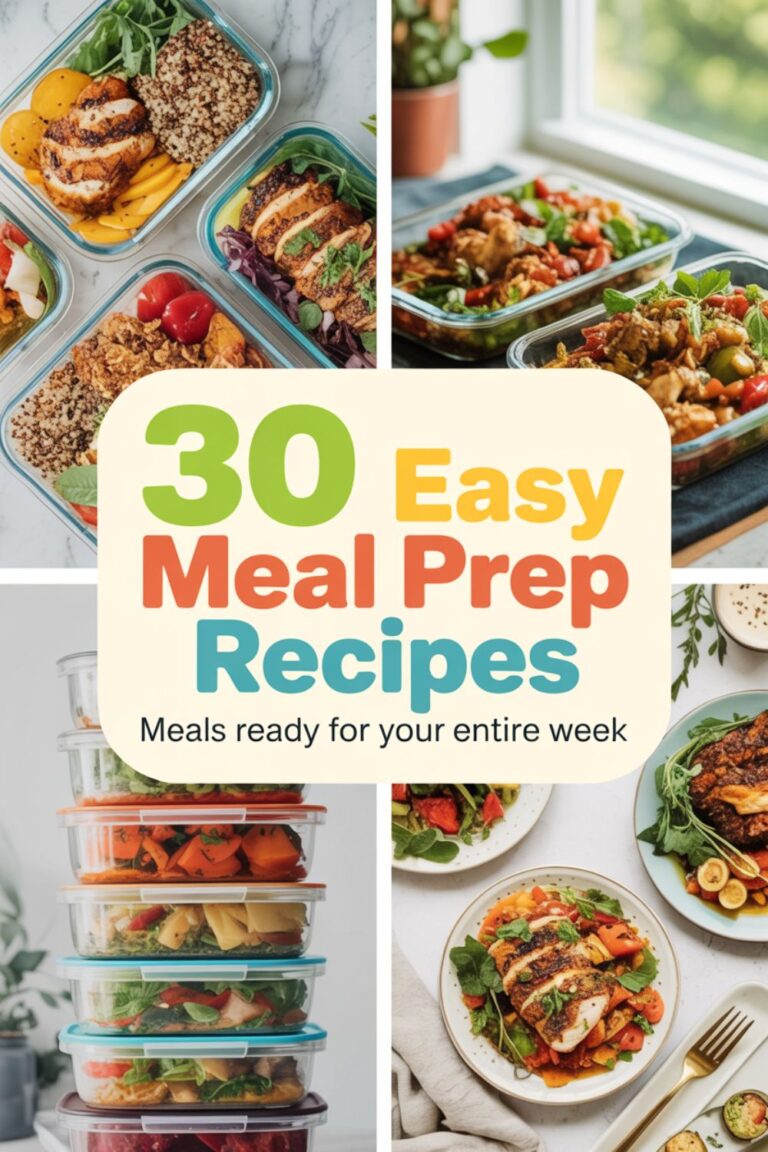
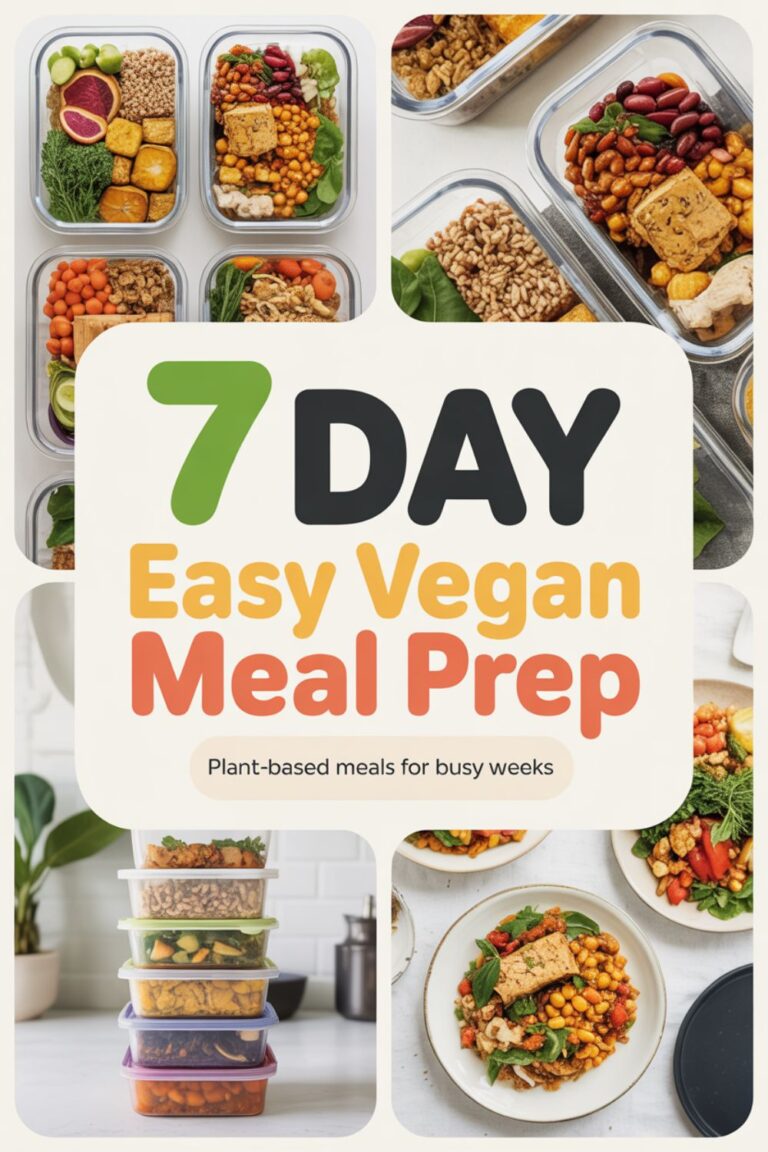
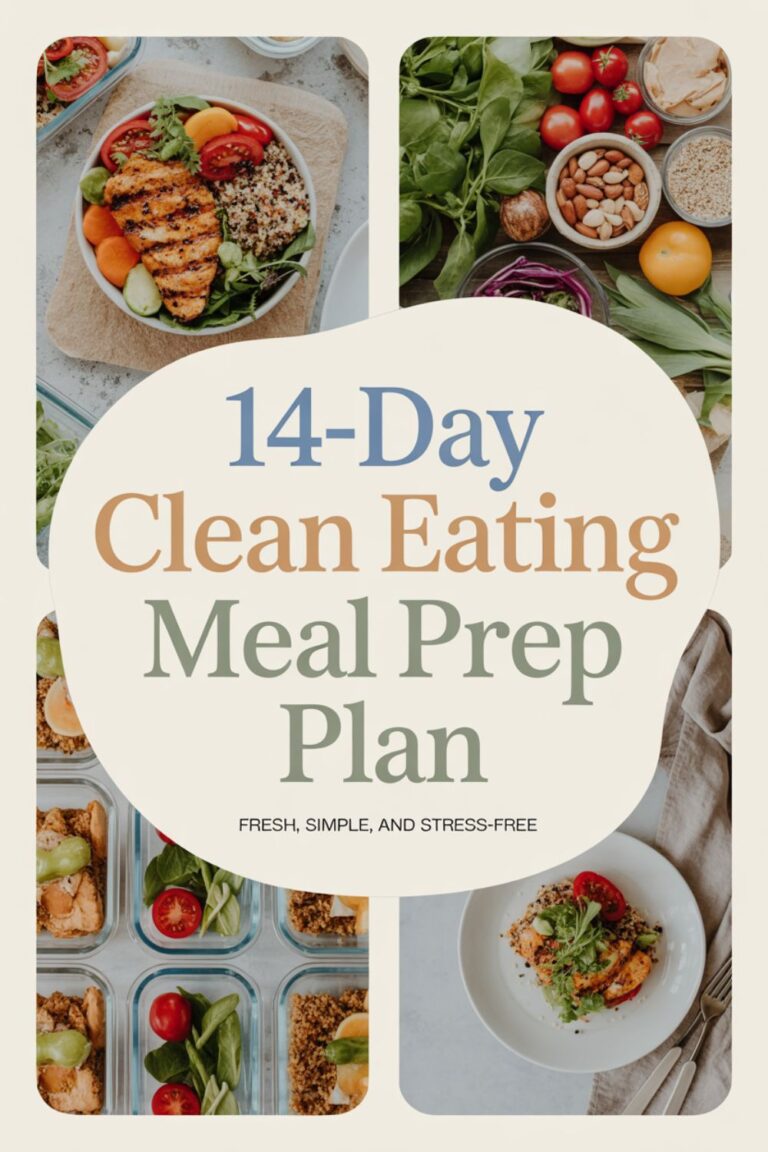
30 Budget Meal Prep Recipes to Save Money
Look, I’m not going to lie to you—meal prepping on a budget changed everything for me. Not in some dramatic overnight transformation way, but in the quiet, unglamorous way that actually matters. I stopped throwing away wilted vegetables. I stopped ordering takeout on Tuesday because I “forgot” to plan dinner. And most importantly, I stopped feeling like I had to choose between eating well and paying my rent on time.
Here’s the thing nobody tells you about budget meal prep: it’s not about eating sad chicken and rice for seven days straight. It’s about getting smart with your grocery dollars and your Sunday afternoons. It’s about realizing that a $40 grocery haul can feed you better than ten $8 fast food meals ever could.
I’ve spent the last three years testing, tweaking, and occasionally completely bombing meal prep recipes. Some were winners. Some went straight to the trash. The 30 recipes I’m sharing here? These are the keepers—the ones that actually taste good on day four, don’t require seventeen specialty ingredients, and won’t make your wallet weep.
Why Budget Meal Prep Actually Works
Before we dive into recipes, let’s talk about why this whole thing works. According to USDA’s Thrifty Food Plan, you can maintain a healthy diet on a limited budget by focusing on nutrient-dense foods and planning ahead. The key isn’t deprivation—it’s strategy.
When you meal prep, you’re essentially hacking your impulse control. You’re making decisions once, in bulk, when you’re clearheaded and not starving. Compare that to coming home exhausted at 7 PM and having to decide what to eat. We both know how that usually ends.
Plus, buying ingredients in larger quantities almost always saves money. A five-pound bag of rice costs pennies per serving. A can of beans? We’re talking maybe 25 cents. These aren’t sexy ingredients, but they’re the foundation of budget cooking that doesn’t taste like punishment.
Shop your pantry first. I mean really look at what you already have. That random can of chickpeas and half-bag of pasta? That’s a meal waiting to happen. Building recipes around what you already own is the fastest way to slash your grocery bill.
The 30 Essential Budget Meal Prep Recipes
Breakfast Winners
1. Overnight Oats with Whatever Fruit You Have
Oats are stupid cheap, and overnight oats are stupid easy. Mix rolled oats with milk (dairy or not), add a banana or frozen berries, and let it sit overnight. Done. You can dress it up with chia seeds or nut butter, but honestly? Plain oats with mashed banana and cinnamon hit different. Get Full Recipe.
2. Egg Muffins That Don’t Taste Like Cardboard
Scramble eggs with whatever vegetables need using up—spinach, peppers, mushrooms, onions. Pour into a muffin tin, bake, and you’ve got grab-and-go breakfasts for days. They freeze beautifully, which is clutch when you’re in a rush.
3. Peanut Butter Banana Smoothie Packs
Portion frozen banana slices, a spoonful of peanut butter, and a handful of oats into freezer bags. When you need breakfast, dump it in a blender with milk. The frozen bananas make it creamy without needing ice cream. For more morning inspiration, check out these breakfast meal prep ideas that actually work.
4. Sweet Potato Hash
Dice sweet potatoes and regular potatoes, toss with olive oil and whatever spices you like. Roast until crispy. Add eggs when you reheat. This is one of those recipes where I use my cast iron skillet because it makes everything taste better and nothing sticks.
5. Budget-Friendly Breakfast Burritos
Scrambled eggs, black beans, cheese, salsa, wrapped in tortillas. Wrap individually in foil and freeze. Microwave straight from frozen. If you’re going high-protein, these high-protein breakfast options might be more your speed.
Meal Prep Essentials Used in This Plan
Look, you don’t need fancy equipment to meal prep on a budget, but a few basics make life easier. These are the things I actually use every week:
- Glass meal prep containers with compartments – Keeps everything fresh and prevents sad, soggy situations
- A decent set of food storage bags – For freezing everything from smoothie packs to burritos
- One good chef’s knife – Makes chopping vegetables so much faster you’ll wonder how you lived before
- Budget Meal Prep eBook – A downloadable guide with shopping lists and cost breakdowns
- Macro-Tracking Spreadsheet – For anyone counting calories or protein without losing their mind
- Weekly Meal Planner PDF – Print it out, fill it in, stick it on your fridge
Lunch Staples That Travel Well
6. Mediterranean Chickpea Bowls
Roasted chickpeas (ridiculously cheap), cucumber, tomatoes, red onion, feta if you’re feeling fancy. Dress with lemon juice and olive oil. The chickpeas stay crispy if you store them separately. Speaking of chickpeas, they’re packed with both protein and fiber, making them perfect for staying full longer.
7. The Ultimate Burrito Bowl
Rice, black beans, salsa, lettuce, whatever else you want. This is where meal prep gets fun because everyone can customize. Store the wet ingredients separate from the dry ones. Trust me on this. For budget-friendly lunch ideas that don’t get boring, try this 5-day budget lunch plan.
8. Asian-Inspired Noodle Bowls
Ramen (the real stuff, not just the flavor packet), stir-fried vegetables, a soft-boiled egg. Make a simple sauce with soy sauce, sesame oil, and a little honey. The noodles soak up the sauce as they sit, which somehow makes them better on day two.
9. Tuna Salad That Doesn’t Suck
Canned tuna, mayo, mustard, diced pickles, and celery if you have it. Serve over lettuce or with crackers. Canned fish gets a bad rap, but it’s cheap protein that keeps forever. I mix mine in a small mixing bowl that goes straight into the fridge.
10. Pasta Salad That Keeps
Whole wheat pasta, cherry tomatoes, mozzarella pearls, basil, Italian dressing. The key is undercooking the pasta slightly because it continues softening in the dressing. If you want something more substantial, check out these healthy work lunches.
Looking for more protein-packed options? These high-protein lunches keep you energized through the afternoon without the 3 PM crash.
Buy whatever produce is on sale and build your meals around it. Carrots are 99 cents this week? Great, you’re making carrot-based everything. This one mindset shift probably saves me $20-30 per grocery trip.
Dinner Solutions for Busy Weeknights
11. Sheet Pan Chicken and Vegetables
Chicken thighs (cheaper than breasts, more flavor), potatoes, broccoli, carrots. Toss everything with oil and seasonings. Roast on a heavy-duty sheet pan until done. One pan, minimal cleanup, maximum satisfaction.
12. Slow Cooker Chili
Ground beef or turkey, beans, canned tomatoes, chili powder. Throw it all in and forget about it for six hours. Serve with rice or cornbread. This freezes beautifully, so make a double batch. The CDC recommends cooling hot foods quickly before refrigerating to prevent bacterial growth.
13. Stir-Fry Whatever’s in Your Fridge
Protein of choice, frozen vegetable medley, soy sauce, garlic, ginger. Cook over high heat in a large wok or skillet. Serve over rice. The beauty of stir-fry is that it’s basically a clean-out-the-fridge meal disguised as intentional cooking.
14. Baked Ziti That Feeds a Crowd
Pasta, marinara sauce, ricotta, mozzarella. Layer, bake, portion. This is peak comfort food that costs maybe $10 to make and gives you eight servings. For more family-friendly options, this family meal prep guide has been a lifesaver.
15. Lentil Soup That Actually Tastes Good
Lentils, vegetable broth, carrots, celery, onions, canned tomatoes. Simmer until everything’s tender. Add cumin and paprika because otherwise lentil soup tastes like health food penance. This is one of those recipes that gets better over the week.
16. Black Bean Tacos
Seasoned black beans, tortillas, shredded cabbage, salsa. The beans cost almost nothing and taste incredible with the right spices. I always keep a can of black beans in my pantry for nights when I forgot to plan anything. For more stress-free dinner ideas, try this 7-day dinner plan.
17. Baked Salmon with Roasted Vegetables
Wait, salmon on a budget? Yes. Look for frozen salmon fillets, which are often cheaper than fresh and just as good. Roast with asparagus and sweet potatoes. Fancy enough for company, easy enough for Tuesday. Store the fish and vegetables separately to keep textures right.
18. Turkey Meatballs in Marinara
Ground turkey, breadcrumbs, egg, Italian seasoning. Roll into balls, bake, simmer in sauce. Serve over pasta or with crusty bread. These freeze incredibly well, so make a massive batch. I portion them using portion control containers and stack them in the freezer.
If you’re focusing on protein intake, check out these high-protein dinner ideas that won’t destroy your budget or your taste buds.
Vegetarian Options That Don’t Feel Like You’re Missing Anything
19. Veggie-Loaded Fried Rice
Day-old rice (fresh rice gets mushy), frozen peas and carrots, eggs, soy sauce, sesame oil. The trick is using cold rice and cooking over high heat. IMO, this tastes better than most takeout fried rice, and costs about $3 to make a huge batch.
20. Chickpea Curry
Chickpeas, coconut milk, curry powder, canned tomatoes, spinach. Serve over rice or with naan. This is one of those magical recipes where canned ingredients come together to taste like you spent hours cooking. For a full vegetarian meal plan, this 21-day vegetarian guide has tons of variety.
21. Stuffed Bell Peppers
Bell peppers, rice, black beans, corn, cheese, taco seasoning. Stuff, bake, store. These reheat beautifully and look way fancier than they actually are. Plus, bell peppers are often on sale, especially the colored ones that are “misshapen.”
22. Loaded Baked Potatoes
Bake potatoes, then top with whatever you want—broccoli and cheese, chili, Greek yogurt and chives. A five-pound bag of potatoes costs like $3 and feeds you for a week. Store the toppings separately and assemble when you’re ready to eat.
23. White Bean and Kale Soup
White beans, kale, vegetable broth, garlic, lemon. This soup is embarrassingly simple but tastes like you care about your health. The kale wilts into the soup as it sits, which actually makes it better for meal prep. Add a squeeze of lemon before serving.
Tools & Resources That Make Cooking Easier
These aren’t essentials, but they’ve made my meal prep routine about 1000% less annoying:
- Food scale for portioning – If you’re tracking calories or trying to control portions
- Instant-read thermometer – No more guessing if chicken is done (crucial for food safety)
- Stackable storage containers – Maximizes fridge space when you’re prepping for the whole week
- Grocery Budget Tracker – Simple spreadsheet to see where your money actually goes
- Ingredient Substitution Guide – PDF showing what you can swap when you’re missing something
- Join our Meal Prep Community on WhatsApp – Share wins, ask questions, steal ideas from other budget meal preppers
Make-Ahead Snacks and Sides
24. Homemade Hummus
Chickpeas, tahini, lemon, garlic. Blend until smooth. Store in small containers with a drizzle of olive oil on top. Serve with whatever vegetables you have. Making hummus at home costs about one-third of buying it, and you can customize the flavors.
25. Roasted Chickpeas
Rinse chickpeas, toss with oil and seasonings, roast until crunchy. These are dangerous because you’ll eat the whole batch standing at the counter, but they’re cheaper and healthier than chips. I roast mine on a silicone baking mat so nothing sticks.
26. Energy Balls
Oats, peanut butter, honey, chocolate chips. Roll into balls, refrigerate. These are technically dessert, but with enough oats, we can pretend they’re health food. They’re perfect for when you need something sweet that won’t completely derail your budget or your blood sugar.
27. Marinated Vegetables
Cucumbers, carrots, onions in vinegar with a little sugar and salt. These keep for ages and add something bright to any meal. They’re also a sneaky way to eat more vegetables without feeling like you’re trying.
28. Baked Sweet Potato Fries
Sweet potatoes, cut into fries, tossed with oil and salt. Bake until crispy. They don’t stay crispy after day one, but they’re still good. For variety, try this 21-day budget plan with different vegetable sides.
Bonus Recipes Worth Your Time
29. One-Pot Pasta
Pasta, canned tomatoes, garlic, basil. Cook everything in one pot. The starch from the pasta thickens the sauce. This sounds too simple to work, but it does. Use a large stockpot so nothing boils over.
30. Breakfast Grain Bowls
Cook a big batch of quinoa or farro. Top with Greek yogurt, berries, nuts, honey. It’s like oatmeal’s more interesting cousin. The grains keep well, and you can switch up the toppings based on what you have.
Freeze things in portions you’ll actually use. Chili in single servings, soup in lunch-sized containers, marinara sauce in two-cup portions. Future you will thank present you for thinking ahead.
Making It Work in Real Life
Here’s where theory meets reality. You’re not going to make all 30 of these recipes. That’s insane. Start with three or four. Make enough for the week. See what you actually eat and what sits in the back of your fridge growing science experiments.
I usually pick one breakfast recipe, two lunch options, and two dinner recipes per week. That gives me variety without overwhelming my Sunday afternoon. Some weeks I’m ambitious and try something new. Other weeks I make the same damn chicken and rice I’ve made a hundred times because sometimes you just need autopilot.
The USDA suggests planning your meals before shopping to avoid impulse purchases and food waste. I keep a running list on my phone of what I already have, what I need, and what’s on sale this week. It’s not Instagram-worthy, but it works.
Storage and Food Safety Basics
Let’s talk about not poisoning yourself, because that would defeat the purpose of budget meal prep. Most cooked foods last 3-4 days in the fridge, 2-3 months in the freezer. Label everything with dates. Yes, you think you’ll remember. No, you won’t.
Cool food quickly before refrigerating—don’t let that hot pot of soup sit on the counter for three hours. Divide large batches into smaller containers so they cool faster. Store raw meat on the bottom shelf so it can’t drip on anything.
FYI, reheating to 165°F kills most bacteria, but you can’t resurrect food that’s already gone bad. When in doubt, throw it out. Your $4 of leftover chicken isn’t worth a day of food poisoning.
Budget Shopping Strategies That Actually Matter
Shop the sales, but only for things you’ll actually use. A great deal on artichokes doesn’t help if you don’t know what to do with artichokes. Buy store brands for staples—rice, beans, pasta, canned tomatoes. The fancy packaging isn’t worth the extra money.
Frozen vegetables are your friend. They’re often cheaper than fresh, already prepped, and don’t go bad before you can use them. Same with frozen fruit for smoothies. I keep bags of frozen mixed vegetables in my freezer using freezer storage clips to keep them organized.
Buy whole chickens and break them down yourself if you’re comfortable with a knife. Or buy whatever cuts are on sale this week and adjust your recipes accordingly. Flexibility saves money. Speaking of saving money, this weight loss meal prep plan shows how to cut calories without cutting your budget.
The Meal Prep Mindset Shift
Stop thinking of meal prep as restriction. Think of it as future you giving current you a gift. Future you doesn’t want to cook dinner at 8 PM on Thursday. Future you doesn’t want to spend $15 on lunch because you forgot to plan ahead.
It’s not about perfection. Some weeks you’ll nail it. Other weeks you’ll end up eating cereal for dinner on Wednesday. That’s fine. The goal is making more meals at home more often, not achieving some impossible standard of domestic achievement.
I’ve learned that meal prep doesn’t mean everything has to be portion-controlled Instagram-perfect containers. Sometimes it just means having cooked rice in the fridge and knowing you can throw together a meal in five minutes. Sometimes it means having a pot of soup ready to go. The method matters less than the consistency.
What About When You Get Bored?
You will get bored. This is normal. Combat it by rotating your recipes every few weeks. Try one new recipe at a time instead of overhauling everything. Change up your seasonings—tacos one week, curry the next week, Italian the week after. Same ingredients, different flavors.
Also, give yourself permission to buy lunch occasionally. Budget meal prep isn’t about never spending money on food. It’s about being intentional with your spending and not defaulting to takeout because you’re disorganized. For clean eating options that don’t bore you to tears, this 21-day clean eating guide might help.
If you’re tired of the same old routine, try this no-stress meal prep approach that focuses on flexibility over rigid planning.
Common Mistakes to Avoid
Don’t prep more than you can realistically eat. I see people making two weeks of meals at once, and then half of it goes bad. Start small. Three days of lunches. Two dinners. Scale up as you figure out your rhythm.
Don’t buy specialty ingredients for one recipe unless you have a plan for using the rest. That jar of tahini seems cheap until you realize you used two tablespoons and now it’s taking up fridge space for six months.
Don’t try to meal prep when you’re already exhausted. I used to try prepping Sunday evenings after a full weekend. It never worked. Now I block out Sunday morning or early afternoon when I actually have energy. The timing matters more than you’d think.
Frequently Asked Questions
How long does meal prepped food actually last?
Most cooked meals stay safe in the fridge for 3-4 days. If you’re prepping for the full week, freeze half and thaw as needed. Soups, chilis, and casseroles freeze best. Salads and dishes with fresh vegetables should be eaten within 2-3 days for best quality.
What’s the real cost per meal when you meal prep?
For the recipes here, you’re looking at $2-4 per serving depending on ingredients and sales. Compare that to $8-15 for takeout or restaurant meals. Even with the time investment, you’re saving hundreds per month. I track my spending and average about $40-50 per week for all meals.
Do I need special containers or can I use what I have?
Use what you have. Seriously. Old yogurt containers, mason jars, Tupperware from 1987—if it seals and doesn’t leak, it works. That said, investing in a few good containers eventually makes sense. Look for ones that are microwave-safe, dishwasher-safe, and actually seal properly.
What if I don’t have time for a full meal prep session?
Then don’t do a full session. Prep components instead of complete meals. Cook a batch of rice, roast some vegetables, grill some chicken. Store them separately and assemble meals throughout the week. It’s faster and often more flexible anyway.
Can I meal prep if I have dietary restrictions?
Absolutely. Most of these recipes are easily adaptable. Need it dairy-free? Skip the cheese or use alternatives. Gluten-free? Use appropriate substitutions for pasta and bread. The beauty of cooking at home is complete control over ingredients.
Final Thoughts
Budget meal prep isn’t sexy. It’s not going to go viral on TikTok. It won’t transform your life overnight. But it will give you one less thing to stress about during the week. It’ll save you money. It’ll probably help you eat better, even if that’s not your primary goal.
Start small. Pick three recipes from this list. Make them this weekend. See how it goes. Adjust based on what works for your life, your schedule, your taste preferences. There’s no perfect way to do this—only the way that works for you.
And remember: every meal you don’t order out is a win. Every Sunday you spend an hour prepping is time saved during the week. Every dollar you don’t spend on takeout is money you can use for literally anything else. The math adds up quickly.
Now go make some food. Your future self is hungry.