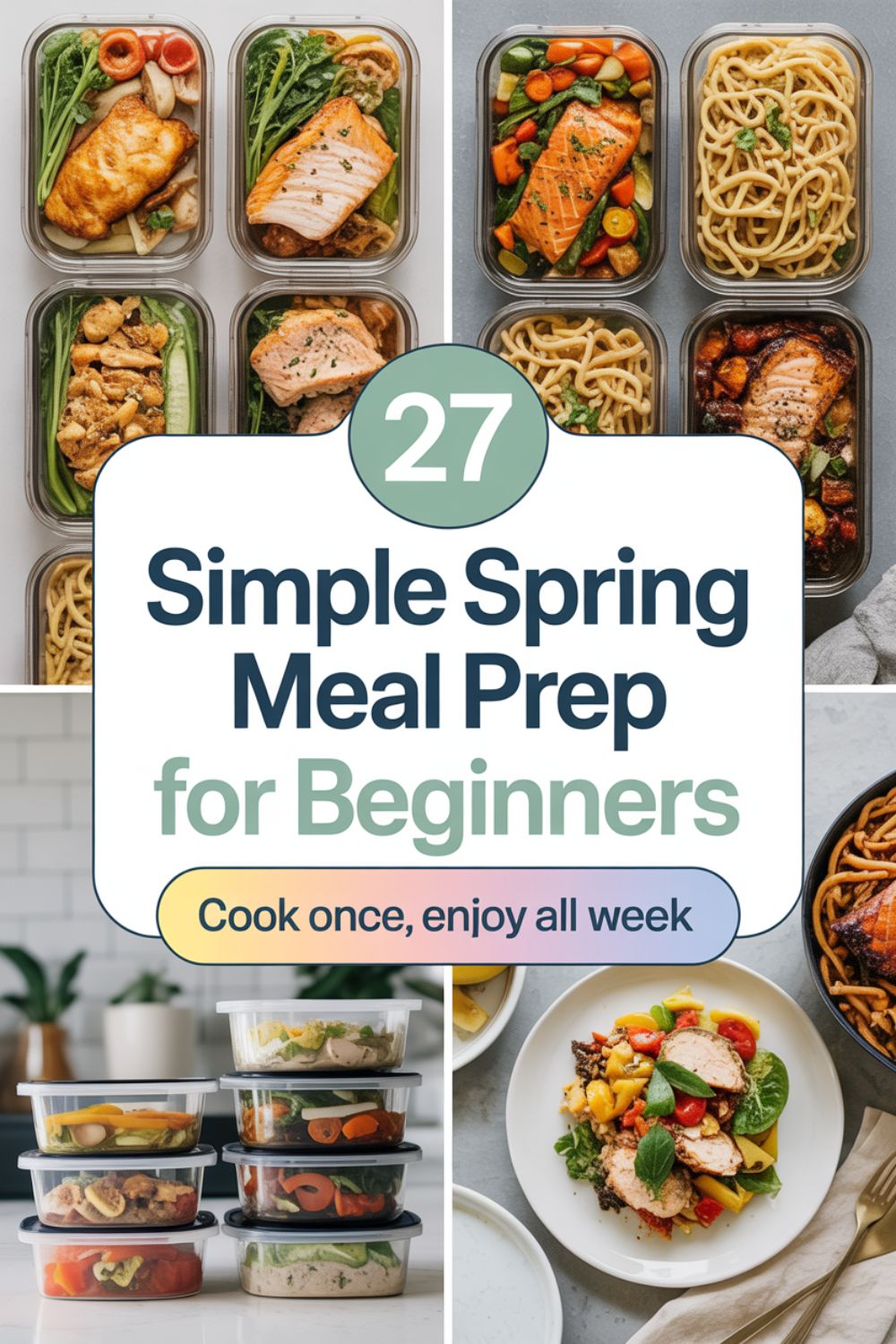
27 Simple Spring Meal Prep for Beginners
Look, I get it. You’ve probably scrolled past a thousand “meal prep Sunday” posts where someone’s fridge looks like it belongs in a magazine spread, and you’re sitting there thinking, “Yeah, right. Who has time for that?” But here’s the thing about spring meal prep—it’s actually the easiest time of year to start, even if you’ve never chopped a vegetable in advance in your life.
Spring vegetables are forgiving. They’re crisp, they last longer than you’d think, and they don’t require you to be a culinary genius to make them taste good. Plus, when asparagus and strawberries are at their peak, you’d have to actively try to make something that doesn’t taste fresh. So if you’ve been thinking about giving meal prep a shot, spring is your moment.
I’m not going to promise you’ll transform into a meal prep influencer overnight. But I will show you 27 ridiculously simple ideas that’ll help you stop ordering takeout every night because you “forgot” to plan dinner. Let’s be real—you didn’t forget. You just didn’t have a plan. And that’s exactly what we’re fixing today.
Why Spring Vegetables Make Meal Prep Actually Easy
Before we jump into the recipes, let’s talk about why spring is genuinely the best time to start meal prepping. I’m not just saying this because “seasonal eating” sounds trendy—there’s actual science behind it.
Spring vegetables are harvested at their nutritional peak. Research shows that produce consumed shortly after harvest offers better flavor and more nutrients than stuff that’s been sitting in storage for months. Asparagus, for instance, is loaded with vitamins A, C, and K, plus it works as a natural diuretic. Strawberries pack nearly 150 percent of your daily vitamin C in just one cup. These aren’t just pretty foods—they’re nutritional powerhouses that happen to taste incredible.
And here’s something most people don’t know: spring vegetables actually store better than you think. While some produce loses nutrients after five to ten days in the fridge, the crisp texture of spring veggies means they hold up well for your weekly prep. Snap peas, radishes, and carrots stay crunchy. Leafy greens like spinach don’t wilt immediately if you store them right.
Plus, eating seasonally supports your local farmers and costs less. When strawberries are in season, they’re cheaper and tastier than the sad, flavorless ones shipped from across the country in January. Makes sense, right?
Getting Started: What You Actually Need
I’m not going to tell you to buy a bunch of expensive equipment. Most meal prep beginners overthink this part and end up with a kitchen full of gadgets they never use. Here’s what you genuinely need to get started.
The Basic Setup
First, you need decent storage containers. I’m not talking about those flimsy takeout containers you’ve been hoarding. You need something that actually seals. Glass containers work best because they don’t stain, they’re microwave-safe, and honestly, food just looks better in them. I use these glass meal prep containers for everything—they’re dishwasher-safe and have lasted me over two years without cracking.
For cutting, you don’t need a whole knife block. One good chef’s knife will handle 90 percent of your spring prep. Asparagus, strawberries, snap peas—they all surrender to a sharp blade. And speaking of asparagus, I used to snap the ends off manually until I discovered this asparagus trimmer. Sounds silly, I know, but it saves so much time when you’re prepping two pounds at once.
You’ll also want some silicone storage bags for smaller portions—think berries, chopped herbs, or prepped snacks. They’re reusable, they don’t leak, and they take up way less space than rigid containers.
The Nice-to-Haves
If you’re feeling ambitious, a salad spinner is genuinely life-changing for spring greens. Wet lettuce makes everything soggy, and nobody wants that. Also, these reusable produce bags keep your veggies fresh longer in the fridge—just dampen them slightly before storing leafy greens inside.
For anyone meal prepping on a tight schedule, I can’t recommend this vegetable chopper enough. It’s not necessary, but it cuts prep time in half. Literally.
Meal Prep Essentials Used in This Plan
- Physical Products:
- Glass Meal Prep Container Set – Airtight, stackable, dishwasher-safe. These are my go-to for everything from salads to grain bowls.
- Premium Chef’s Knife – Sharp, balanced, makes vegetable prep feel effortless. Worth every penny.
- Silicone Storage Bags (Set of 4) – Reusable, leak-proof, perfect for berries and snacks. Game-changer for reducing plastic waste.
- Digital Products:
- The Ultimate Spring Meal Prep Planner (PDF) – Pre-made grocery lists, printable prep schedules, recipe cards. Takes the guesswork out entirely.
- Beginner’s Meal Prep Video Course – Step-by-step tutorials, storage hacks, timing guides. Perfect if you’re a visual learner.
- Seasonal Meal Prep E-Book – 100+ recipes organized by season, with substitution guides and nutritional breakdowns.
The 27 Simple Spring Meal Prep Ideas
Alright, let’s get to the good stuff. These ideas are organized by meal type, and none of them require you to spend your entire Sunday in the kitchen. Most take under 30 minutes of actual hands-on time.
Breakfast Prep (Ideas 1-7)
1. Strawberry Overnight Oats
Mix oats, milk, chia seeds, and chopped strawberries in mason jars. That’s it. Let them sit overnight, and you’ve got breakfast for five days. The strawberries release their juice and sweeten everything naturally. Get Full Recipe.
2. Asparagus and Feta Egg Muffins
Whisk eggs, throw in chopped asparagus and crumbled feta, pour into muffin tins, bake. These reheat better than you’d think and pack serious protein. I make a dozen every Sunday. For more morning ideas, check out this 7-day breakfast meal prep plan or try these high-protein breakfast options.
3. Spring Vegetable Frittata Slices
Similar concept to the egg muffins, but you bake it in a sheet pan and cut it into squares. Add whatever spring veggies you have—peas, spinach, leeks. Freezes beautifully.
4. Greek Yogurt Parfaits with Fresh Berries
Layer Greek yogurt, granola, and fresh strawberries or blueberries in jars. Keep the granola separate until you’re ready to eat so it stays crunchy. FYI, regular yogurt works too, but Greek yogurt has way more protein.
5. Spinach and Mushroom Breakfast Wraps
Sauté spinach and mushrooms, scramble with eggs, wrap in whole wheat tortillas. Wrap them in foil, freeze, and grab one on your way out. Microwave for two minutes, done.
6. Chia Seed Pudding with Spring Fruit
Mix chia seeds with almond milk and a touch of honey. Let it thicken overnight, then top with whatever fruit looks good. Mango, strawberries, kiwi—all fair game.
7. Make-Ahead Breakfast Grain Bowls
Cook a batch of quinoa or farro, portion it out, and top with roasted sweet potato, sautéed greens, and a poached egg (add that fresh before eating). It’s like savory oatmeal, but better.
Lunch Prep (Ideas 8-14)
8. Spring Pea and Mint Salad
Blanch fresh peas for two minutes, toss with mint, lemon juice, and feta. It’s refreshing, it’s different, and it won’t make your coworkers jealous of your sad desk lunch anymore.
9. Lemon Herb Chicken with Roasted Asparagus
Marinate chicken breasts in lemon, garlic, and herbs. Roast them alongside asparagus. Portion into containers with quinoa or brown rice. This is one of those meals that tastes better the next day. Get Full Recipe.
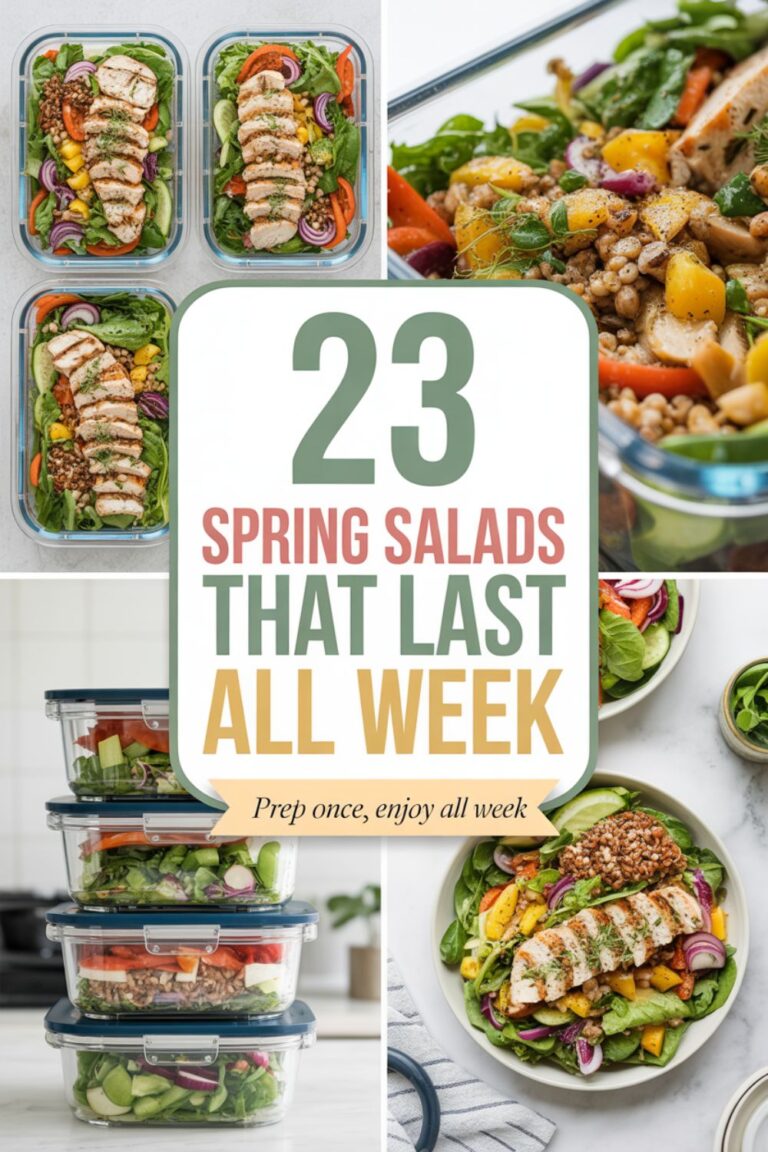
10. Rainbow Spring Salad Jars
Layer dressing at the bottom, then hard veggies (carrots, radishes), grains, proteins, and greens on top. When you’re ready to eat, shake it up. Nothing gets soggy this way. If you’re looking for more variety, try this 5-day healthy lunch meal prep.
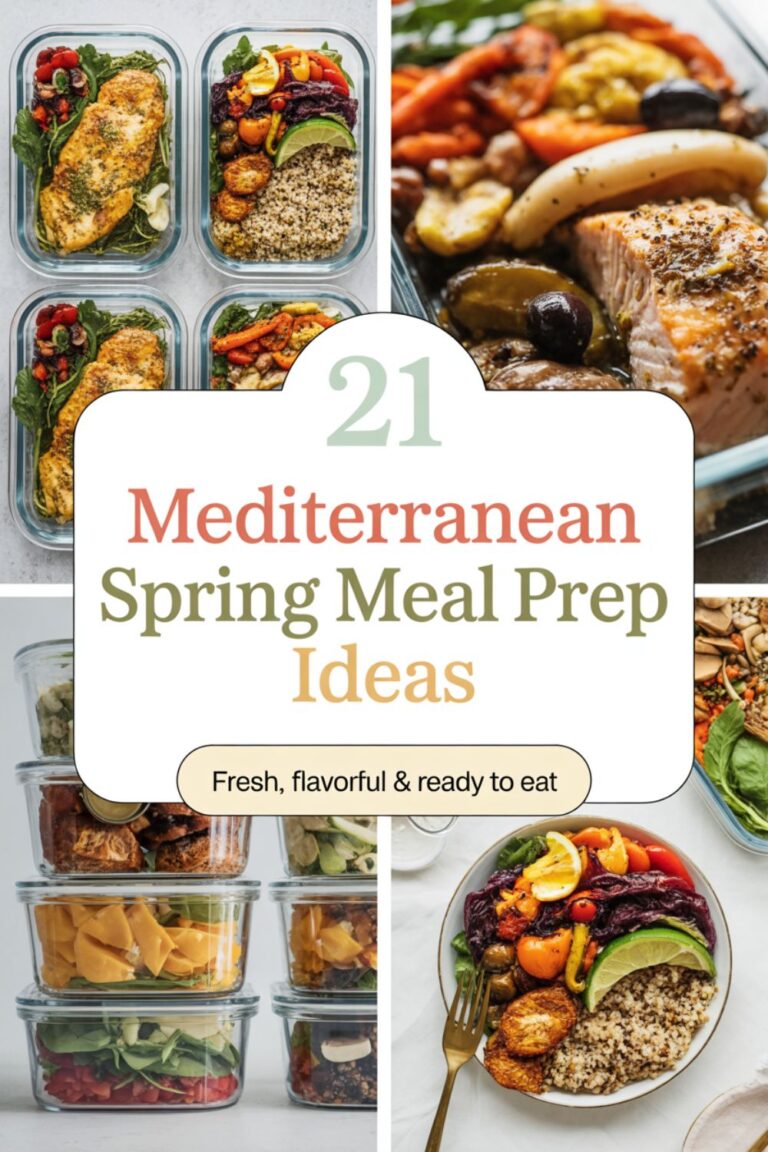
11. Mediterranean Chickpea Bowls
Roasted chickpeas, cucumber, tomatoes, red onion, olives, and a lemon tahini dressing. It’s vegan, it’s filling, and it’s packed with fiber. I genuinely crave these.
12. Shrimp and Snap Pea Stir-Fry
Quick sauté of shrimp, snap peas, bell peppers, and a simple soy-ginger sauce. Serve over rice or noodles. Takes 15 minutes start to finish.
13. Spring Vegetable Quinoa Bowls
Cook a big batch of quinoa, roast whatever spring veggies you grabbed at the store (asparagus, zucchini, carrots), add chickpeas or grilled chicken, drizzle with tahini. Done.
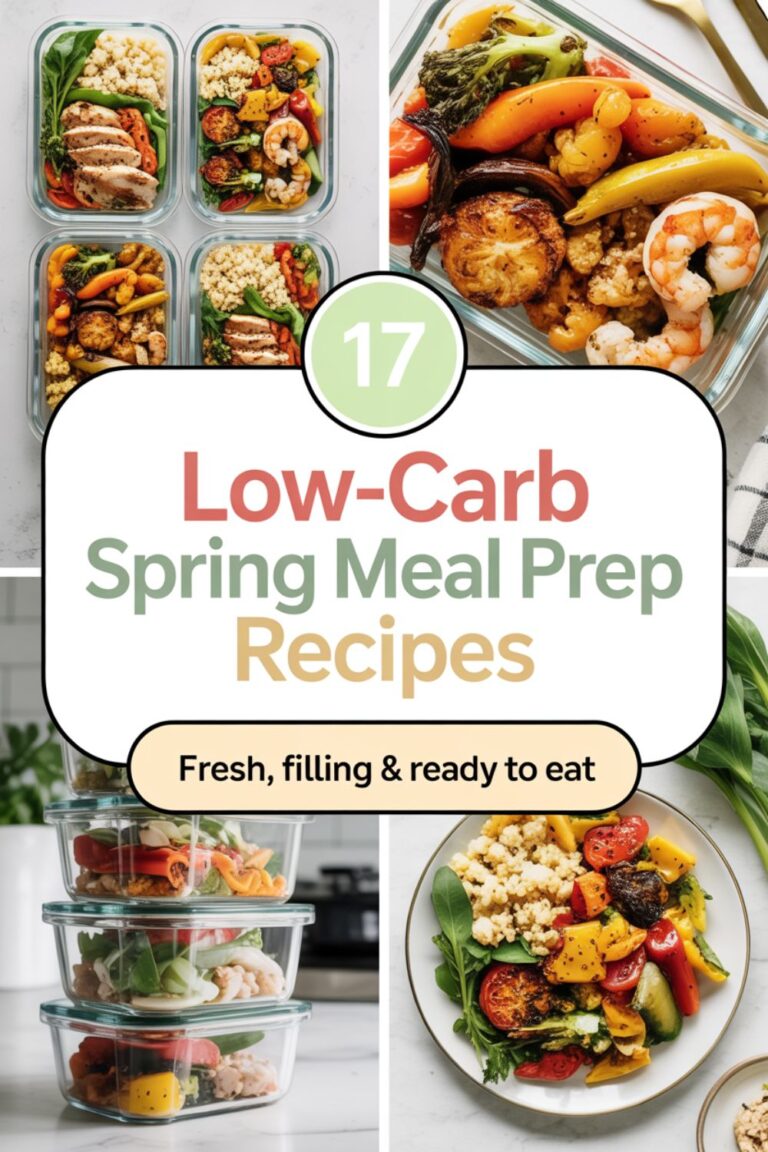
14. Tuna Salad Lettuce Wraps
Mix canned tuna with Greek yogurt, diced celery, and lemon juice. Use butter lettuce leaves as wraps. Low-carb, high-protein, zero cooking required. For more protein-focused options, check out this high-protein lunch prep or these high-protein recipes.
Dinner Prep (Ideas 15-21)
15. Sheet Pan Lemon Salmon with Spring Vegetables
Toss salmon fillets and asparagus on a sheet pan. Drizzle with olive oil and lemon. Bake for 15 minutes. This is so easy it feels like cheating. Get Full Recipe.
16. Turkey Meatballs with Spinach
Mix ground turkey with chopped spinach, garlic, and breadcrumbs. Roll into meatballs, bake, and store. Pair with marinara and zoodles or regular pasta.
17. One-Pot Spring Vegetable Pasta
Cook pasta with peas, asparagus, cherry tomatoes, and garlic in one pot. Add parmesan at the end. The starch from the pasta makes it creamy without adding cream.
18. Slow Cooker Spring Chicken Stew
Throw chicken thighs, potatoes, carrots, and peas in a slow cooker with chicken broth. Walk away for six hours. Come home to dinner that smells incredible. Speaking of easy cooking, this 7-day crockpot meal prep is perfect for lazy weeks.
19. Baked Cod with Lemon and Capers
Delicate, flaky, takes 12 minutes in the oven. Serve with roasted baby potatoes and steamed green beans. Light but satisfying.
20. Spring Vegetable Stir-Fry with Tofu
Press your tofu (seriously, press it), cube it, pan-fry until crispy, then toss with snap peas, bell peppers, and a soy-sesame sauce. Vegan comfort food at its finest.
21. Herb-Crusted Pork Chops with Asparagus
Coat pork chops in a mixture of breadcrumbs, parmesan, and fresh herbs. Bake with asparagus on the side. Juicy, flavorful, reheats well.
Snacks and Sides (Ideas 22-27)
22. Hummus with Fresh Veggie Sticks
Make a big batch of hummus (or buy it—no judgment), portion it into small containers, and prep carrot sticks, cucumber slices, and snap peas. Grab-and-go snacking.
23. Strawberry Spinach Salad
Toss baby spinach with sliced strawberries, slivered almonds, and a balsamic vinaigrette. Keep the dressing separate until you’re ready to eat. This salad convinced me that spinach doesn’t have to be boring.
24. Roasted Radishes with Herbs
Roasting radishes transforms them from sharp and peppery to sweet and mild. Toss with olive oil, thyme, and salt, then roast until tender. Weirdly addictive.
25. Energy Bites with Strawberries
Blend oats, almond butter, honey, and freeze-dried strawberries. Roll into balls. Store in the fridge. Perfect for when you need something sweet but don’t want to demolish a bag of cookies.
26. Spring Pea Soup
Sauté onions and garlic, add fresh or frozen peas and vegetable broth, simmer, then blend. It’s bright green, silky smooth, and tastes like spring in a bowl. Meal prep doesn’t always mean solid food—soups count too. For more soup-friendly options, check out this 7-day freezer meal prep guide.
27. Lemon Garlic Roasted Broccoli
I know broccoli isn’t technically a spring vegetable, but it pairs so well with everything else on this list. Toss with garlic, lemon zest, and olive oil. Roast until crispy. Seriously, even people who “don’t like broccoli” like this.
How to Actually Store Everything Without It Going Bad
Let’s talk about the part nobody wants to discuss but everyone needs to know: food storage. Because what’s the point of prepping all this food if it turns into a science experiment by Wednesday?
Most cooked meal prep lasts three to four days in the fridge. According to food safety experts, letting hot foods cool before covering and refrigerating them prevents condensation and keeps food fresher longer. I used to slap lids on everything hot, and yeah, everything got soggy. Learn from my mistakes.
For anything you won’t eat within four days, freeze it. Breakfast burritos, soups, cooked grains—they all freeze beautifully. Just make sure you’re using airtight containers or freezer bags. Freezer burn happens when food is exposed to air, so squeeze out as much air as possible from bags before sealing.
Keep your fridge at 40°F or below and your freezer at 0°F. An overstuffed fridge can mess with air circulation and cause uneven cooling, which means some food spoils faster. If your fridge is packed to the gills, it might be time to actually eat some of that meal prep instead of making more.
And here’s a controversial take: not everything needs to be stored in separate containers. If you’re making a grain bowl, you can store the grains, protein, and roasted veggies together. Just keep anything with a dressing or sauce separate until you’re ready to eat.
Tools & Resources That Make Cooking Easier
- Physical Products:
- Salad Spinner – Seriously life-changing for leafy greens. Dry lettuce = crispy salads all week.
- Vegetable Chopper – Cuts prep time in half. Not necessary, but incredibly satisfying to use.
- Sheet Pan Set (2-Pack) – You’ll use these constantly. Sheet pan dinners are a meal prepper’s best friend.
- Digital Products:
- Meal Prep for Beginners Masterclass – Video tutorials, shopping hacks, and meal planning templates. Takes you from zero to prepping like a pro.
- Printable Meal Prep Labels & Checklists – Instant download. Track what you made, when you made it, and what needs to be eaten first.
- 50 One-Pan Meal Prep Recipes (Digital Cookbook) – Minimal cleanup, maximum flavor. Recipes designed specifically for weekly prep.
Common Mistakes Beginners Make (And How to Avoid Them)
Mistake 1: Prepping Too Much Food
I see this constantly. Someone gets all hyped about meal prep, spends six hours on Sunday making 21 meals, and by Thursday they’re so sick of eating the same thing they order pizza. Start small. Prep for three or four days max until you get the hang of it.
Mistake 2: Choosing Complicated Recipes
Meal prep is not the time to test out that fancy French technique you saw on a cooking show. Keep it simple. Roasted vegetables, grilled protein, cooked grains. You can get fancy once you’ve built the habit.
Mistake 3: Not Planning Variety
Yes, efficiency is great. No, you don’t want to eat the exact same chicken and rice five days in a row. Change up your seasonings, swap your veggies, use different sauces. Small tweaks prevent boredom.
Mistake 4: Forgetting About Texture
Some foods just don’t reheat well. Crispy things get soggy. Delicate greens wilt. If you’re making a salad, store the dressing separately. If you’re prepping something with a crunchy topping, add it fresh before eating.
Mistake 5: Skipping the Snacks
You can meal prep breakfast, lunch, and dinner, but if you don’t have snacks ready, you’ll end up at the vending machine. Prep some fruit, portion out nuts, make those energy bites. Your 3 p.m. self will thank you.
IMO, the biggest mistake is overthinking it. Meal prep doesn’t have to be Instagram-perfect. It just has to be food you’ll actually eat. If you’re looking for more structured plans, try this 21-day no-stress meal prep plan or this collection of easy meal prep ideas.
Making Meal Prep Work for Your Actual Life
Here’s the truth nobody wants to admit: meal prep isn’t about being perfect. It’s about making your week suck less. If you manage to prep even two or three meals, that’s two or three times you’re not scrambling to figure out dinner or spending $15 on mediocre takeout.
Some weeks, you’ll nail it. You’ll have a fridge full of beautiful containers, and you’ll feel like a functioning adult. Other weeks, you’ll prep one thing and call it a win. Both are fine.
The key is to prep to your pain point. If mornings are chaos, focus on breakfast. If you always end up ordering lunch, prep that instead. You don’t have to prep every single meal to benefit from meal prep.
Also, it’s okay to use shortcuts. Pre-washed greens? Great. Rotisserie chicken? Perfect. Frozen vegetables? Absolutely. The goal is to eat better and save time, not to prove something to an imaginary audience.
And look, if you’re someone who genuinely enjoys cooking fresh every night, that’s awesome. But if you’re reading this, you’re probably not that person. And that’s okay too. Meal prep is for people who want to eat well without thinking about food constantly. Looking for complete meal plans? Try this 21-day weight loss meal prep, this budget-friendly plan, or this family meal prep guide.
Frequently Asked Questions
How long does meal prepped food actually last in the fridge?
Most cooked foods stay fresh for three to four days when stored properly in airtight containers at 40°F or below. If you’re prepping for longer than that, freeze portions instead. Soups, grains, and proteins freeze beautifully and can last up to three months in the freezer without losing quality.
Can I meal prep if I’m only cooking for one person?
Absolutely. Actually, meal prep is perfect for single servings because you can control portions and avoid food waste. Start by prepping just two to three days’ worth of meals. You can always scale up once you get comfortable with the routine.
What if I get bored eating the same thing all week?
Mix up your seasonings and sauces. You can prep the same base ingredients—like grilled chicken and roasted vegetables—but switch between different flavor profiles. One day use lemon and herbs, the next day try a teriyaki sauce, then switch to a spicy salsa. Same ingredients, completely different meals.
Do I need expensive containers to start meal prepping?
Not at all. You can start with whatever containers you have—even clean takeout containers work. That said, investing in a few good glass containers with tight-fitting lids makes a difference for food safety and longevity. They don’t have to be fancy, just functional.
How do I keep salads from getting soggy?
Store your dressing separately and add it right before eating. For mason jar salads, put the dressing at the bottom, then layer harder vegetables, proteins, grains, and leafy greens on top. When you’re ready to eat, shake it up and pour it into a bowl. The greens stay crisp this way.
Final Thoughts
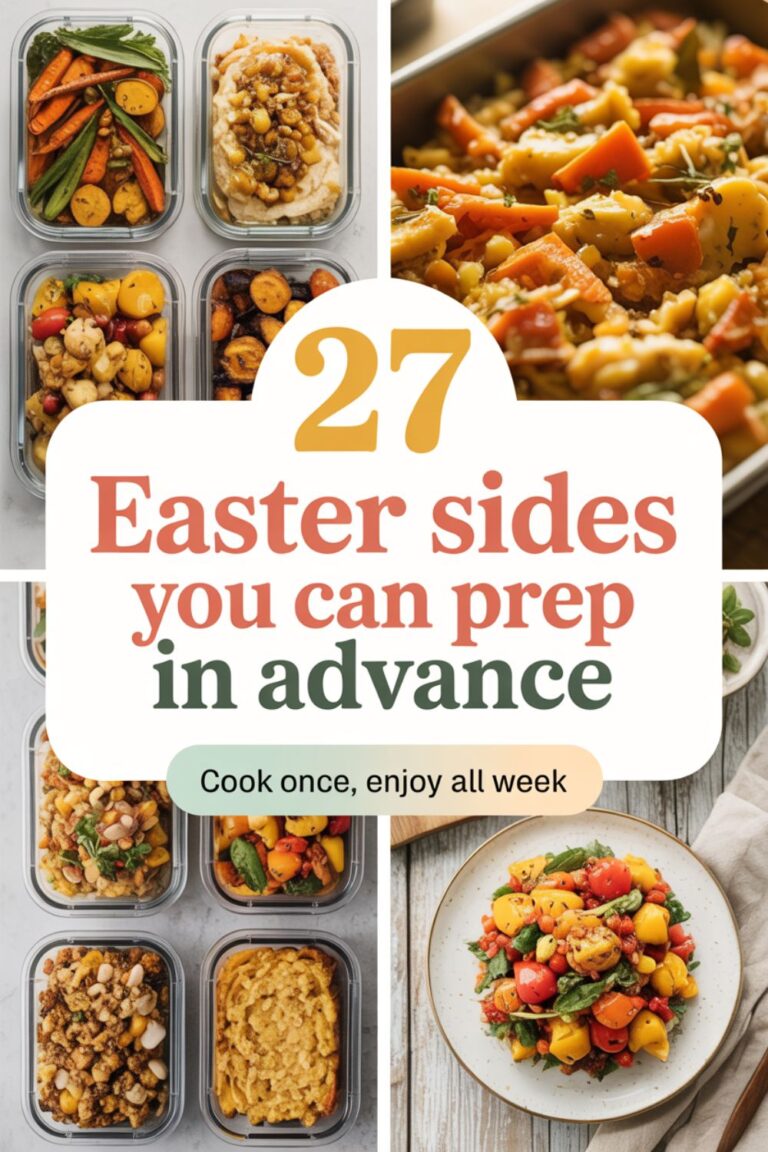
Spring meal prep isn’t about perfection. It’s not about making your fridge look like a food blogger’s dream. It’s about setting yourself up so that when you’re tired, hungry, and two seconds away from ordering overpriced pad thai, you have something better waiting for you.
These 27 ideas are just a starting point. Pick three that sound good, try them out, see what works for your schedule and your taste buds. Maybe you’ll love the egg muffins and hate the grain bowls. That’s fine. Meal prep should make your life easier, not add another thing to stress about.
Start small, keep it simple, and remember that even prepping one meal is better than prepping zero meals. You’ve got this.