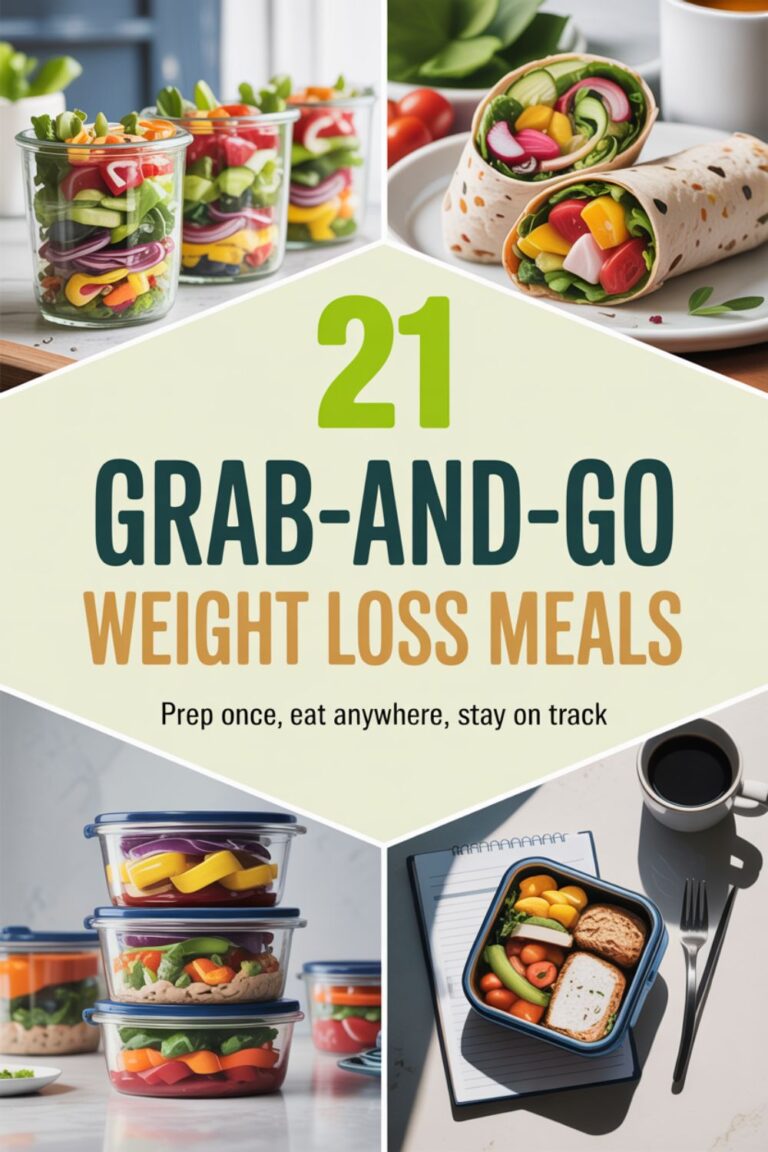
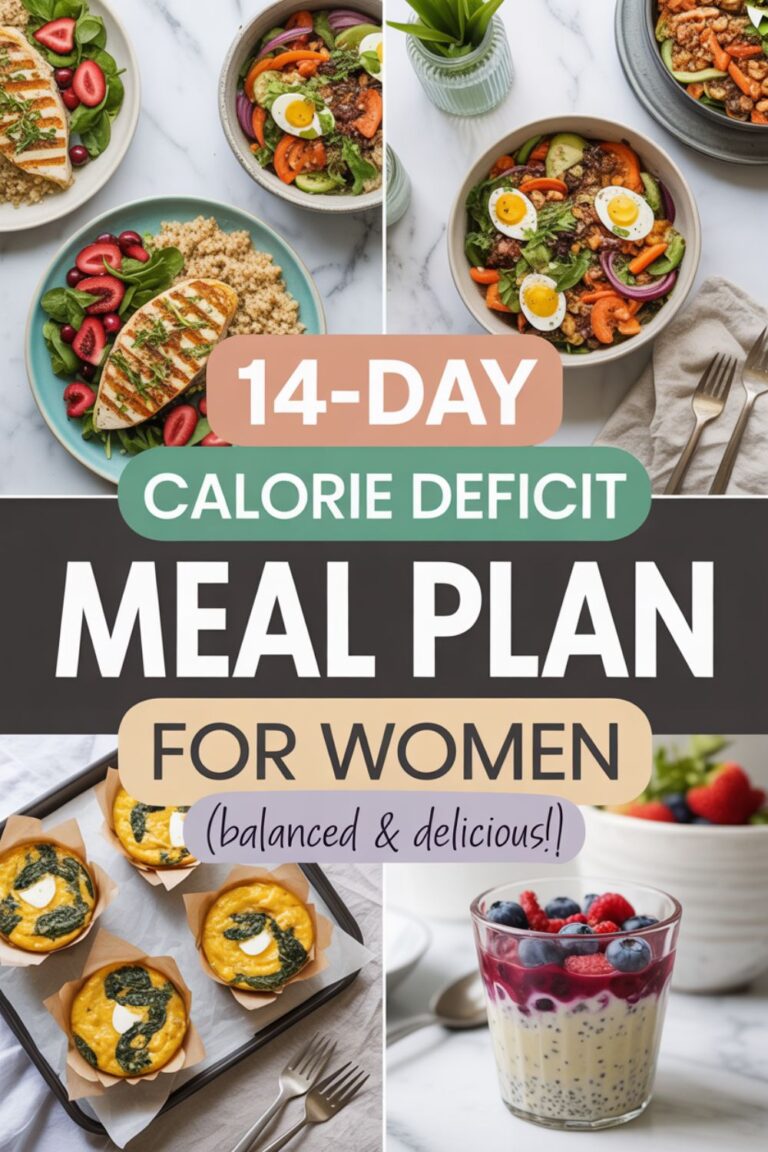
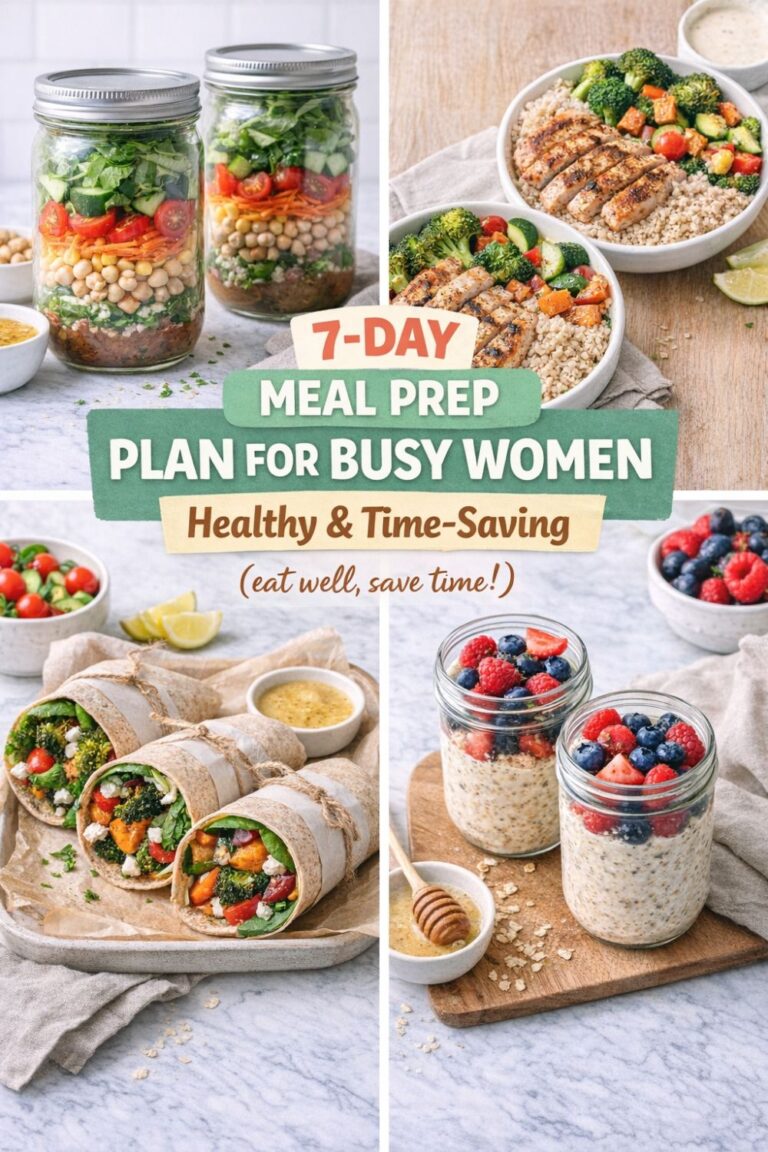
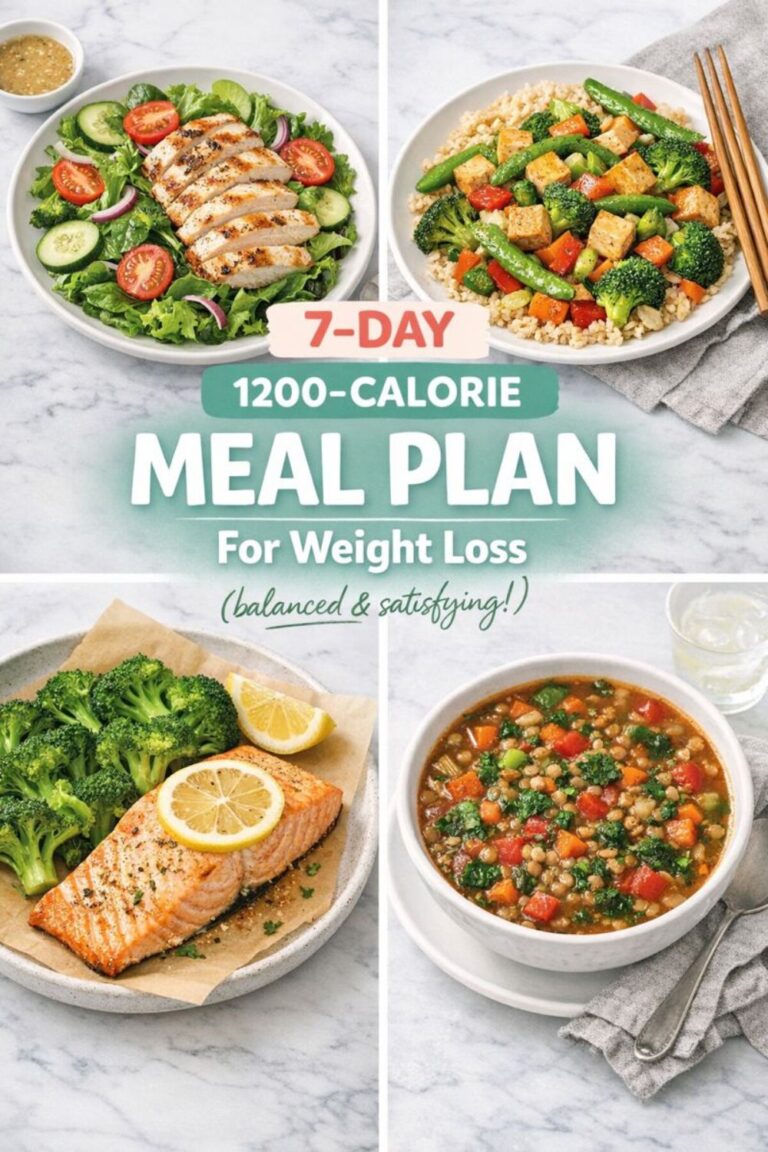
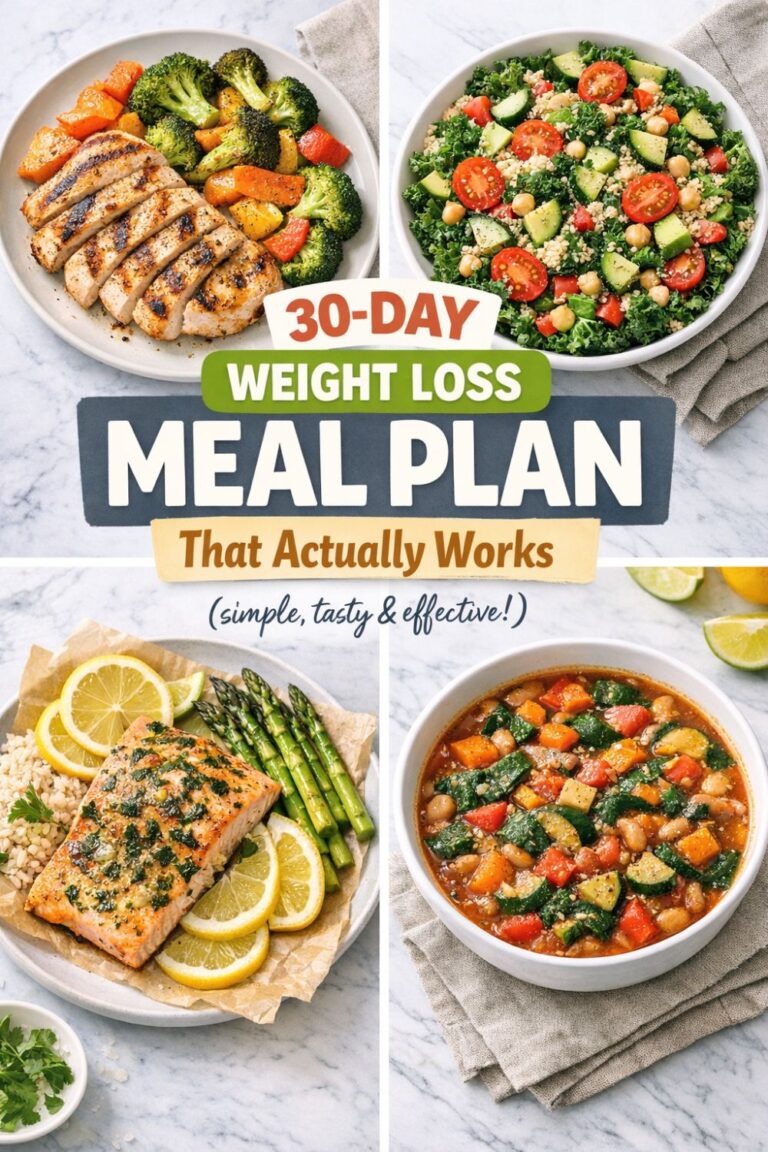
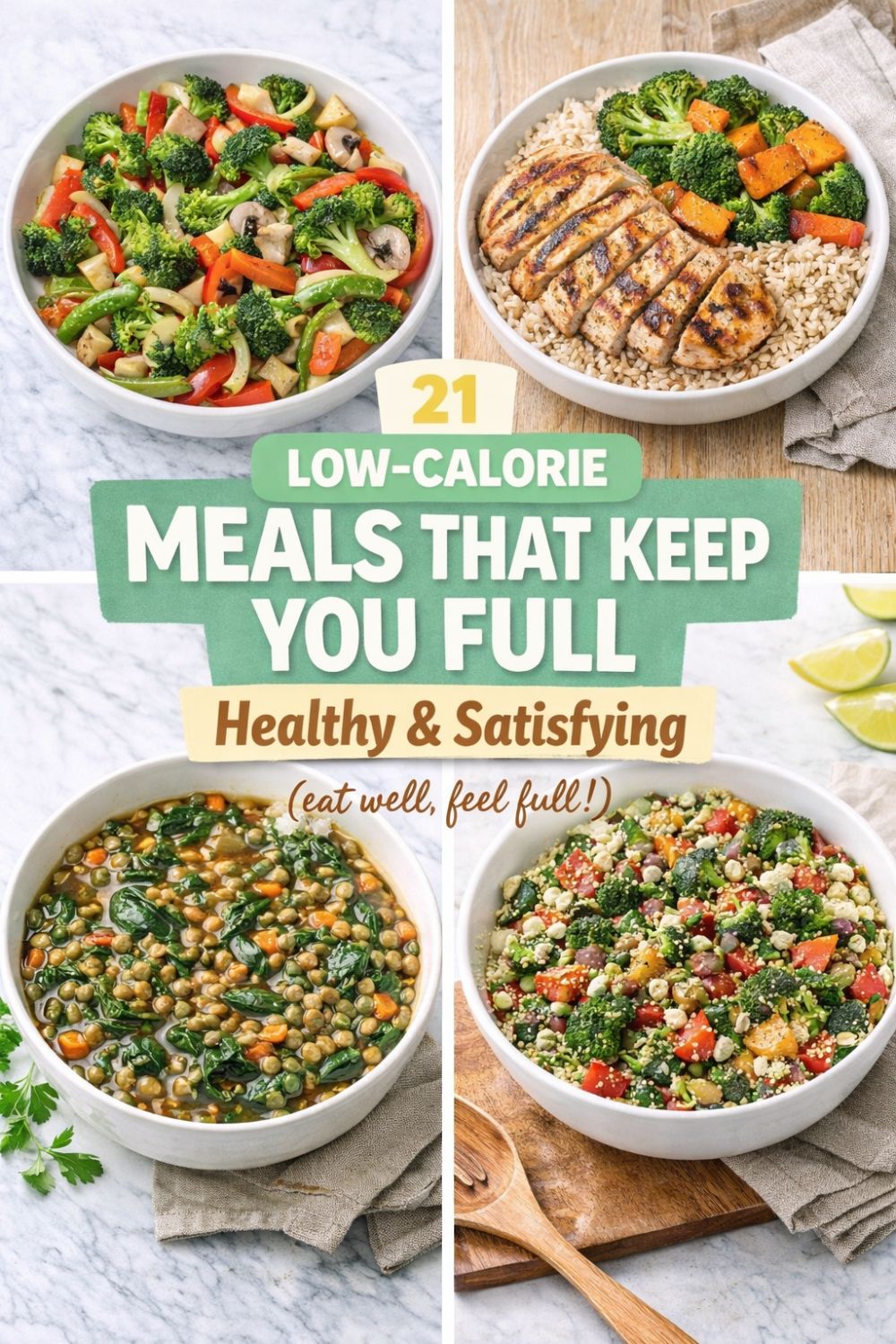
21 Low-Calorie Meals That Keep You Full
Look, I get it. The words “low-calorie” and “filling” rarely show up in the same sentence without someone lying through their teeth. We’ve all been there—gnawing on a sad piece of celery at 3 PM, wondering why we even bothered. But here’s the thing: you can actually eat meals that won’t wreck your calorie budget and still walk away satisfied. No rabbit food required.
I’ve spent way too many hours experimenting in my kitchen (some disasters, mostly wins) to figure out what actually works. And after countless trial runs, I’ve landed on 21 meals that genuinely fill you up without making you feel like you’re on some medieval punishment diet. These aren’t those “just add water” meal replacement shakes or recipes that require ingredients from three different specialty stores.
The secret? It’s all about volume, protein, and fiber. When you load up on foods that take up space in your stomach but don’t pack a ton of calories, your body actually believes it’s full. Revolutionary, right? According to Harvard Health, nutrient-dense foods provide essential vitamins and minerals without excessive calories, helping you feel satisfied while supporting overall health.
Why Low-Calorie Doesn’t Mean Low Satisfaction
Let’s clear something up right now. Low-calorie meals get a bad rap because most people think they’re synonymous with deprivation. But that’s only true if you’re doing it wrong. The real magic happens when you understand food volume versus caloric density. Think about it—you can eat a massive bowl of vegetables for the same calories as a tiny handful of chips. Which one’s gonna keep you from raiding the pantry an hour later?
Research shows that protein and fiber are crucial for promoting satiety and reducing overall calorie intake. Foods rich in these nutrients slow down digestion, stabilize blood sugar levels, and keep those hunger hormones in check. So yeah, science backs up what your grandmother probably told you about eating your vegetables.
The FDA actually defines low-calorie pretty specifically: 40 calories or less per serving for individual foods, and 120 calories or less per 100 grams for complete meals. But honestly? I’m more interested in meals that clock in under 400-500 calories and actually taste like something you’d want to eat again.
Pro Tip
Prep your proteins and chop vegetables on Sunday night. Seriously, your weekday self will thank you when dinner takes 15 minutes instead of 45. I use this meal prep container set to keep everything fresh and organized.
The Building Blocks of Actually Filling Low-Calorie Meals
Before we dive into the actual meals, you need to understand the formula. Every satisfying low-calorie meal needs three components: lean protein, high-volume vegetables, and a small amount of healthy fats. Skip any of these, and you’re setting yourself up to feel deprived.
Protein: Your Satiety Superhero
Protein is non-negotiable. It’s the nutrient that tells your brain “hey, we’re good here, stop sending hunger signals.” Aim for at least 20-30 grams per meal. Chicken breast, fish, lean turkey, tofu, Greek yogurt—these are your best friends. And no, you don’t need to eat plain, boring chicken breasts. We’ll get to that.
I actually keep this digital food scale on my counter because eyeballing protein portions is how you end up either under-eating (and getting hangry) or over-eating (and wondering why your jeans feel tight). Four ounces of chicken breast is about 25 grams of protein and roughly 120 calories. Know your numbers.
Volume: The Optical Illusion Your Stomach Needs
Your stomach has stretch receptors. Fill it up with high-volume, low-calorie foods, and those receptors send “I’m full” signals to your brain. This is why you can eat an entire plate of roasted vegetables for 100 calories but three crackers with cheese hits 200 calories and leaves you wanting more.
Leafy greens, cruciferous vegetables, zucchini, bell peppers, mushrooms—these should take up at least half your plate. And here’s a little secret: a good mandoline slicer makes vegetable prep so much easier. I was skeptical until I tried one, and now I’m that person who spiralizes everything.
Speaking of high-volume foods, if you’re looking for more ways to bulk up your meals, check out some high-protein breakfast ideas that use this same principle.
Healthy Fats: A Little Goes a Long Way
Don’t fear fat, but don’t go overboard either. A tablespoon of olive oil, half an avocado, a sprinkle of nuts—these add flavor and help your body absorb fat-soluble vitamins. Plus, fat slows digestion, which means you stay full longer. Just measure it. Fat is calorie-dense (9 calories per gram versus 4 for protein and carbs), so it’s easy to accidentally double your meal’s calories with a heavy hand on the olive oil.
21 Low-Calorie Meals That Actually Deliver
Alright, let’s get to the good stuff. These meals are organized by time of day, but honestly, I’ve eaten “breakfast” food for dinner more times than I care to admit. No judgment here.
Breakfast Options (Because Morning Sets the Tone)
1. Veggie-Packed Egg White Scramble
Three egg whites, a whole egg, and whatever vegetables are lurking in your crisper drawer. I’m talking spinach, tomatoes, mushrooms, bell peppers. Throw in some salsa on top, and you’ve got a meal that’s around 200 calories with 20+ grams of protein. Get Full Recipe
The whole egg is crucial—that’s where the flavor lives, and one yolk won’t derail anything. I cook mine in this ceramic non-stick pan with just a quick spritz of cooking spray. Zero sticking, zero drama.
2. Greek Yogurt Parfait with Berries
A cup of plain non-fat Greek yogurt, a handful of berries, and a tablespoon of sugar-free granola. Around 150 calories, 20 grams of protein, and enough sweetness to feel like a treat. Research shows Greek yogurt significantly improves appetite control compared to other snacks.
Pro tip: Buy plain yogurt and add your own fruit. Flavored yogurts are sugar bombs disguised as health food. Get Full Recipe
3. Overnight Oats with Chia Seeds
Half a cup of oats, a tablespoon of chia seeds, unsweetened almond milk, and cinnamon. Let it sit overnight, top with fresh berries in the morning. Clocks in around 250 calories and keeps you full until lunch because of all that fiber. Studies show that oatmeal increases fullness and reduces hunger more effectively than ready-to-eat cereals. Get Full Recipe
If you’re into meal prep, you might also want to explore these make-ahead breakfast bowls that use similar overnight techniques.
🎯 30-Day Low-Calorie Challenge Pack
Ready to actually stick with it this time? This challenge includes daily meal plans, progress trackers, motivational check-ins, and a private support group. 89% of participants reach their first weight loss goal within the 30 days. No restrictive diets, no BS—just sustainable habits that work.
Start Your Challenge →“I started making the overnight oats three months ago and honestly haven’t looked back. Down 12 pounds and I’m never hungry mid-morning anymore. Game changer.” – Jessica R., tried this for 90 days
Join Our WhatsApp Community!
Want daily low-calorie recipe ideas, meal prep tips, and motivation from people who actually get it? Join our WhatsApp channel where we share quick wins, answer your cooking questions, and celebrate progress together. No spam, just real food talk.
Lunch That Won’t Leave You Sleepy
4. Massive Salad with Grilled Chicken
And when I say massive, I mean it. Pile your plate high with mixed greens, cherry tomatoes, cucumbers, shredded carrots, and 4 ounces of grilled chicken breast. Dress it with balsamic vinegar and a teaspoon of olive oil. You’re looking at maybe 300 calories for a plate of food that’ll take you 20 minutes to finish. Get Full Recipe
I keep pre-cooked grilled chicken strips in my freezer for lazy days. Not as good as fresh, but better than giving up and ordering takeout.
📚 The Ultimate Meal Prep Blueprint
Stop winging it every week. This complete meal prep guide includes 50+ low-calorie recipes, shopping lists, and a step-by-step system to prep 5 days of meals in 2 hours. People who follow this save an average of 8 hours per week and $200+ per month on takeout.
Get Instant Access →5. Cauliflower Rice Stir-Fry
Riced cauliflower, whatever vegetables you have, some soy sauce, ginger, garlic, and your choice of protein. I usually do shrimp or tofu. The entire huge bowl comes in under 300 calories, and it’s surprisingly satisfying. Get Full Recipe
Cauliflower rice has about 25 calories per cup compared to white rice’s 200 calories. Do the math—you can eat way more volume. I pulse mine in my food processor because the pre-riced stuff gets pricey fast.
6. Zucchini Noodles with Turkey Meatballs
Spiralized zucchini, homemade turkey meatballs (lean ground turkey, egg, breadcrumbs, Italian seasoning), and marinara sauce. Three meatballs with a mountain of zoodles? About 350 calories. Your Italian grandmother might disown you, but your jeans will fit better. Get Full Recipe
For more noodle alternatives and creative pasta swaps, check out these low-carb dinner ideas that keep portions generous and calories reasonable.
Premium Glass Meal Prep Containers (Set of 10)
Look, I’ve tried every meal prep container out there, and these are the ones I actually use every single week. They’re glass (so no weird plastic taste), completely leak-proof (tested with soup—no disasters), microwave and dishwasher safe, and they stack perfectly in the fridge.
- BPA-free borosilicate glass that won’t stain or absorb odors
- Snap-lock lids that actually seal (revolutionary, I know)
- Portion control markings on the side
- Oven-safe up to 400°F without the lid
- Lifetime warranty because they stand behind their product
7. Tuna and White Bean Salad
One can of tuna in water, half a can of cannellini beans, diced red onion, cherry tomatoes, lemon juice, and a drizzle of olive oil. Mix it all together, maybe eat it with some crackers or on a bed of greens. Around 300 calories and packed with protein and fiber. Get Full Recipe
Dinner Without the Guilt
8. Sheet Pan Salmon with Roasted Vegetables
Four ounces of salmon, broccoli, Brussels sprouts, and bell peppers all roasted together on a sheet pan. Drizzle everything with olive oil, season with salt, pepper, and garlic powder. Forty minutes in the oven, and you’ve got a 400-calorie dinner that’s restaurant-quality. Get Full Recipe
Salmon is naturally rich in omega-3 fatty acids and protein, making it incredibly satisfying even in moderate portions.
Digital Kitchen Scale with Nutrition Calculator
This isn’t just another food scale—it’s the one tool that changed how I approach meal prep. It connects to an app that calculates calories, protein, carbs, and fat as you weigh your food. No more guessing, no more MyFitnessPal manual entries. Just weigh, track, done.
- Built-in database of 8,000+ foods with automatic nutrition tracking
- Measures in grams, ounces, pounds, and milliliters
- Tare function to subtract container weight
- Rechargeable battery (lasts 6+ months per charge)
- Slim design that actually fits in your drawer
9. Turkey Chili with Tons of Beans
Lean ground turkey, kidney beans, black beans, tomatoes, onions, bell peppers, chili powder, cumin. Make a huge pot on Sunday, eat it all week. A bowl clocks in around 300 calories and has enough protein and fiber to keep you full for hours. Get Full Recipe
I brown my turkey in my Dutch oven and then build the chili right in the same pot. Less cleanup, more eating. FYI, you can freeze portions for those nights when cooking feels impossible.
10. Spaghetti Squash with Marinara and Turkey
Roast a spaghetti squash, scrape out the strands, top with marinara and ground turkey. The entire plate is massive and comes in under 350 calories. It’s got that pasta-like satisfaction without the carb coma. Get Full Recipe
Quick Win
Microwave your spaghetti squash for 12 minutes instead of roasting it for 45. Pierce it first, or you’ll have a vegetable explosion situation. Trust me on this one.
11. Grilled Chicken with Massive Side Salad
Simple but effective. Four ounces of grilled chicken breast (seasoned properly—salt, pepper, paprika, garlic powder), plus a salad that takes up three-quarters of your plate. Around 300 calories depending on your dressing situation. Get Full Recipe
If you’re tired of basic grilled chicken, try these marinated chicken breast variations that add tons of flavor without extra calories.
12. Shrimp and Vegetable Skewers
Shrimp, zucchini, bell peppers, red onion, all threaded onto skewers and grilled. Brush with a little olive oil and lemon juice. Six large shrimp with all those vegetables? Maybe 250 calories. I use metal skewers because I’m not about that soaking-wooden-skewers-for-30-minutes life. Get Full Recipe
Vegetarian Options (Because Meatless Doesn’t Mean Tasteless)
13. Lentil Soup
Lentils, vegetable broth, carrots, celery, onions, tomatoes, cumin, and turmeric. A huge bowl is around 200 calories but feels like way more because of all that fiber. Lentils are protein powerhouses—about 18 grams per cup—and they’re dirt cheap. Get Full Recipe
14. Cauliflower Fried Rice
Riced cauliflower, scrambled eggs, peas, carrots, green onions, and soy sauce. It’s basically fried rice without the rice. A huge serving is about 250 calories, and it actually tastes legit. Get Full Recipe
For more creative cauliflower ideas, explore these cauliflower-based recipes that prove this vegetable is way more versatile than anyone gives it credit for.
15. Stuffed Bell Peppers with Quinoa and Black Beans
Hollow out bell peppers, stuff them with cooked quinoa, black beans, corn, diced tomatoes, and spices. Bake until the peppers are tender. Two halves are around 350 calories and surprisingly filling. The combination of quinoa and beans creates a complete protein. Get Full Recipe
16. Eggplant Parmesan (Baked, Not Fried)
Slice eggplant, coat it in breadcrumbs, bake it until crispy, layer with marinara and a little mozzarella. You get that comfort food vibe without the deep-fried regret. One serving is about 300 calories. Get Full Recipe
I bake mine on a silicone baking mat because parchment paper always manages to catch fire in my oven. Just me? Cool.
Soup Season (Works Any Season, Really)
17. Chicken and Vegetable Soup
Chicken breast, carrots, celery, onions, garlic, chicken broth, and whatever herbs make you happy. A big bowl is maybe 200 calories, but soup is weirdly filling. Studies show that soup slows stomach emptying and promotes fullness more effectively than solid foods with the same ingredients. Get Full Recipe
18. Minestrone with Extra Vegetables
Tomato-based broth, white beans, zucchini, carrots, celery, green beans, spinach, and a little pasta. The vegetable-to-pasta ratio is heavily skewed toward vegetables. Two cups come in around 250 calories. Get Full Recipe
Looking for more soup inspiration? These hearty vegetable soups are all about maximum flavor and volume with minimal calories.
19. Tom Yum Soup (Thai Hot and Sour)
This is my secret weapon when I want something that feels indulgent but isn’t. Shrimp, mushrooms, tomatoes, lemongrass, lime, fish sauce, and chilies. It’s spicy, sour, and incredibly flavorful. A huge bowl is under 200 calories. Get Full Recipe
Pro Tip
Keep lemongrass paste in your fridge. Fresh lemongrass is great, but paste is convenient and lasts forever. Life’s too short to peel lemongrass stalks at 7 PM on a Tuesday.
Quick Meals for Chaotic Days
20. Cottage Cheese with Vegetables and Everything Bagel Seasoning
I know this sounds weird, but hear me out. A cup of low-fat cottage cheese, diced cucumber, cherry tomatoes, and a hefty sprinkle of everything bagel seasoning. It’s creamy, crunchy, and about 150 calories with 20+ grams of protein. Get Full Recipe
Cottage cheese is having a moment right now, and IMO, it’s deserved. High protein, low calories, and versatile enough to go sweet or savory.
21. Egg Roll in a Bowl
Ground turkey, coleslaw mix, soy sauce, ginger, garlic, and sesame oil. Everything you love about egg rolls without the fried wrapper. A massive bowl is around 300 calories. It comes together in 15 minutes, which is faster than waiting for delivery. Get Full Recipe
I buy pre-shredded coleslaw mix because, again, life is short and cabbage takes forever to chop. This bag of coleslaw mix is in my fridge at all times.
Multi-Purpose Vegetable Spiralizer & Mandoline Set
I’ll be honest—I thought spiralizers were gimmicky until I got a good one. This combo tool does zucchini noodles, thin-sliced vegetables, julienne cuts, and even ribbon slices. It’s made veggie prep so much faster that I actually eat more vegetables now, which was the whole point.
- 5 interchangeable blade options for different cuts
- Safety hand guard so you keep all your fingers
- Suction base that actually stays put on the counter
- Dishwasher safe and stores flat
- Works on everything from zucchini to sweet potatoes to apples
The Tools That Make This Easier
Look, you can make all these meals without any special equipment. But if you’re serious about this, a few tools will save you time and frustration. I’m not talking about buying a $400 blender (unless you want to). Just the basics that actually get used.
A food scale is non-negotiable for portion control. A good set of meal prep containers means you can batch cook and actually eat your leftovers instead of watching them go bad in the fridge. A decent chef’s knife makes vegetable prep way less annoying. And honestly, a vegetable spiralizer is a game-changer if you’re into zoodles and other veggie noodles.
I resisted getting an instant-read thermometer for years, but now I use it constantly. No more overcooked chicken breasts that taste like cardboard.
🍴 Complete Kitchen Setup Checklist + Video Course
Confused about what tools you actually need? This digital course shows you exactly which kitchen equipment to buy (and skip), how to use each tool efficiently, and includes video demos of every technique in this article. Stop wasting money on gadgets that collect dust—get only what works.
Watch Free Preview →Making This Work in Real Life
Here’s the truth: these meals work because they’re not complicated. You don’t need 17 ingredients or culinary school training. Most of these come together in under 30 minutes, and several can be meal-prepped.
The biggest mistake people make is thinking they need to be perfect. You don’t. Some weeks you’ll nail it. Other weeks you’ll eat cereal for dinner three nights in a row. That’s called being human. The goal isn’t perfection—it’s having enough good options in your back pocket that you default to something decent more often than not.
Meal planning helps, but it doesn’t have to be this elaborate Pinterest-worthy system. I keep it simple: protein options for the week, vegetables I actually like, and a few backup meals for when things go sideways. Usually that means having ingredients for egg roll in a bowl and turkey chili because both are quick and hard to mess up.
“I’ve tried every diet out there, and the only thing that stuck was focusing on high-volume, low-calorie meals. I don’t feel deprived, and I’m down 23 pounds in five months. These recipes are in my regular rotation now.” – Marcus T., community member
Get Weekly Meal Plans in Your Pocket
Tired of the “what’s for dinner” panic? Our WhatsApp channel sends you weekly meal plans, grocery lists, and prep strategies every Sunday. Plus, you’ll get instant access to our community where members swap recipes and troubleshoot cooking fails. Join 5,000+ people making healthy eating actually doable.
Common Pitfalls to Avoid
Let’s talk about the mistakes that tank most people’s efforts. First up: under-seasoning your food. Low-calorie doesn’t mean low-flavor. Salt, pepper, herbs, spices, vinegar, citrus—these are your friends. A bland chicken breast is why people think healthy eating sucks.
Second, skipping the protein. I see people eating enormous salads with no protein and then wondering why they’re hungry an hour later. Your body needs protein to feel satisfied. Don’t skip it.
Third, drinking your calories. A latte here, a smoothie there, a glass of juice—these add up fast and don’t fill you up the way solid food does. Stick to water, black coffee, or unsweetened tea most of the time.
And finally, not planning ahead. If you come home starving with no plan, you’re ordering takeout. That’s just facts. Spend an hour on Sunday doing some basic prep—wash vegetables, cook proteins, portion out snacks—and your weeknight self will actually follow through.
Frequently Asked Questions
How many calories should I eat per meal to lose weight?
It depends on your total daily calorie needs, but most people do well with meals in the 300-500 calorie range. The key is making sure those calories come from protein, fiber, and nutrient-dense foods that keep you full. Don’t go below 1200 calories total per day without medical supervision—that’s when your body starts fighting back and metabolism slows down.
Can I really stay full on low-calorie meals?
Absolutely, if you’re strategic about it. Focus on high-volume foods (vegetables, lean proteins, foods with high water content) and make sure you’re getting enough protein—aim for 20-30 grams per meal. The combination of volume and protein triggers satiety signals that tell your brain you’re satisfied.
What’s the best low-calorie protein source?
Chicken breast, white fish, shrimp, egg whites, and non-fat Greek yogurt are all excellent options with high protein and low calories. If you’re vegetarian, tofu, tempeh, and legumes work well. The “best” one is whichever you’ll actually eat consistently, so find what you enjoy.
How often should I eat low-calorie meals?
There’s no magic number. Some people do well eating three solid meals a day, others prefer five smaller meals. What matters is your total daily calorie intake and whether you’re getting enough nutrients. Listen to your body and find a pattern that keeps your energy stable without constant hunger.
Are low-calorie meals safe long-term?
Low-calorie meals are safe as long as your total daily intake meets your body’s needs and you’re getting adequate nutrients. The meals listed here are designed to be nutrient-dense, not just low in calories. If you’re consistently eating under 1200 calories per day or experiencing fatigue, hair loss, or other symptoms, consult a healthcare provider.
The Bottom Line
Low-calorie meals don’t have to suck. That’s the takeaway here. You can eat food that tastes good, fills you up, and doesn’t blow your calorie budget. It just requires a little planning and some basic understanding of what actually keeps you satisfied.
These 21 meals aren’t magic bullets. They’re tools. Use them when they work for you, adapt them to your preferences, and don’t stress about being perfect. Some days you’ll crush it and meal prep like a champion. Other days you’ll eat scrambled eggs for dinner while standing at the counter. Both are fine.
The goal isn’t to eat perfectly forever. It’s to have enough strategies in your toolkit that you default to decent choices more often than not. That’s how sustainable change happens—not through restriction and deprivation, but through finding what actually works for your life.
Start with one or two meals from this list. Get comfortable making them, then add a few more. Before you know it, you’ll have a solid rotation of meals that keep you full, taste good, and don’t require a PhD in nutrition to execute. And honestly? That’s the whole point.