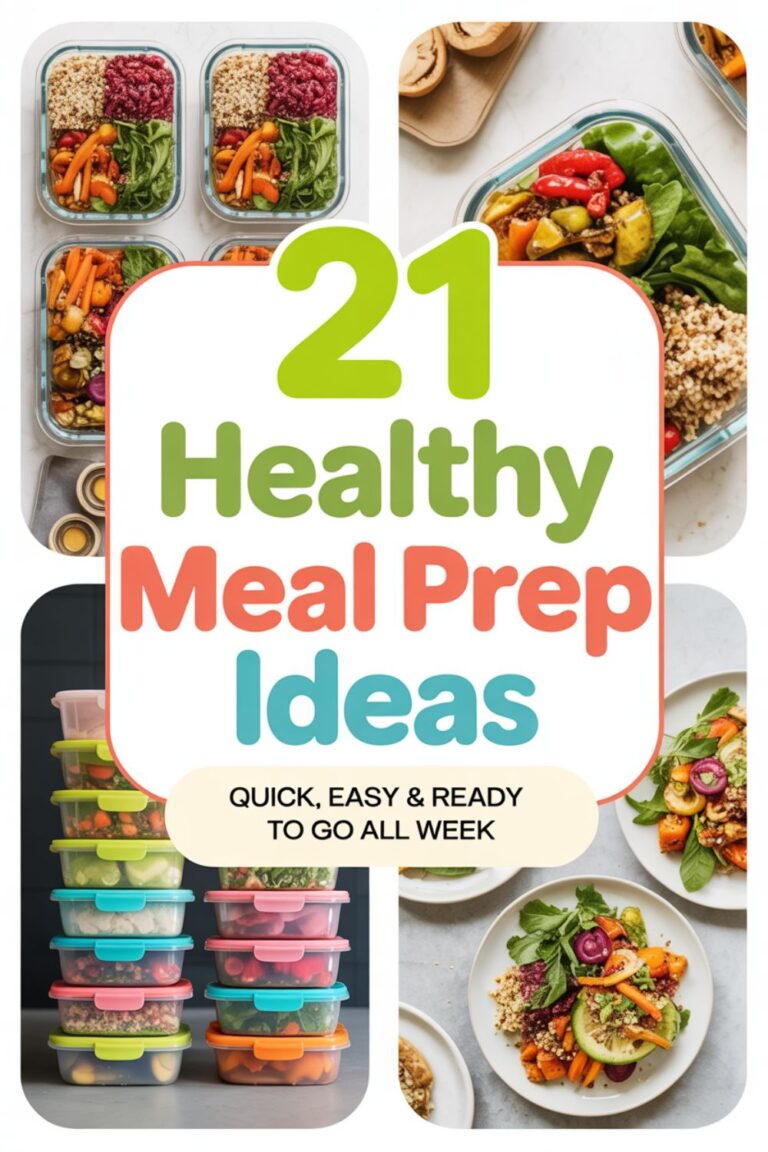
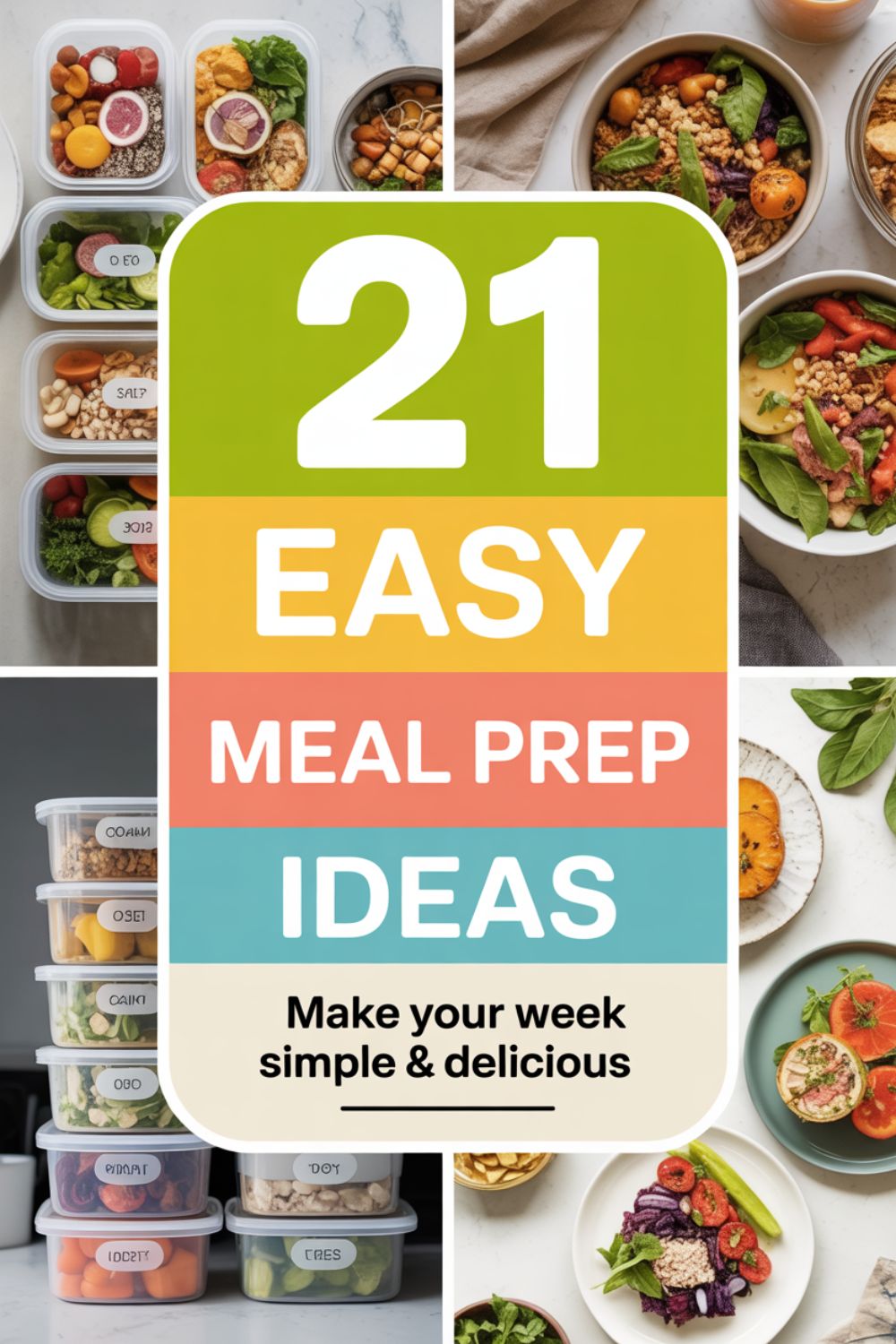
21 Easy Meal Prep Ideas You Can Do Every Week
Look, I get it. Sunday rolls around and the thought of spending hours in the kitchen makes you want to order takeout for the entire week. But here’s the thing—meal prep doesn’t have to be this massive, intimidating project that requires a culinary degree and half your weekend.
I’ve been meal prepping for years now, and honestly? It’s become one of those habits that actually makes my life easier instead of harder. No more 6 PM panic attacks wondering what’s for dinner. No more sad desk lunches that cost me fifteen bucks. Just grab, heat, eat—and get on with your day.
What I’m about to share with you isn’t some fancy chef nonsense. These are real, doable meal prep ideas that work for actual humans with jobs, families, and zero desire to live in their kitchen. Whether you’re trying to eat healthier, save money, or just stop relying on drive-thrus, these 21 ideas will change how you think about weekly cooking.
Why Meal Prep Actually Works (And It’s Not What You Think)
Before we jump into the ideas, let’s talk about why this whole meal prep thing isn’t just another passing trend. Research shows that home-cooked meals are consistently more nutritious than restaurant or takeout options, with higher fruit and vegetable content and better portion control.
But forget the science for a second. The real magic? Decision fatigue disappears. You know that feeling at 5:30 PM when you’re starving and every meal sounds both amazing and terrible at the same time? Meal prep kills that demon dead. When your food is already waiting, you just eat. No debates, no delivery apps, no regrets.
Plus, studies from Harvard’s Nutrition Source indicate that people who plan meals ahead tend to stick to healthier eating patterns and avoid the takeout trap that’s linked to weight gain and increased calorie consumption. IMO, that alone is worth the Sunday afternoon investment.
Start small—prep just your lunches for the week. Once that becomes routine, add breakfast or dinner. Trying to prep everything at once is a recipe for burnout.
The 21 Meal Prep Ideas That’ll Save Your Week
1. Mason Jar Overnight Oats (The Ultimate Lazy Breakfast)
These are stupid easy. Mix oats, milk (dairy or whatever you’re into), chia seeds, and a sweetener in a jar. Toss in the fridge. Wake up to breakfast that’s already made. I usually make five jars on Sunday and rotate toppings—berries, banana with peanut butter, or cacao nibs for when I’m feeling fancy.
The protein from chia seeds keeps you full longer than regular oatmeal, and you can easily hit 15-20 grams per serving if you add Greek yogurt or protein powder. For more morning inspiration, check out these high-protein breakfast ideas or this complete 7-day breakfast meal prep plan.
2. Sheet Pan Chicken and Vegetables
This is my go-to when I’m absolutely not in the mood to think. Throw chicken thighs (way more forgiving than breasts), chopped vegetables, olive oil, and whatever seasonings on a large sheet pan. Roast at 425°F for about 35 minutes. Done.
I use this silicone baking mat on everything short of cereal bowls. Zero sticking, zero scrubbing. Divide everything into containers and you’ve got four to five dinners sorted.
3. Slow Cooker Pulled Chicken (Set It and Forget It)
Drop chicken breasts into your slow cooker with salsa, taco seasoning, and a bit of chicken broth. Cook on low for 6-8 hours. Shred it with two forks. Now you have a protein that works in tacos, salads, grain bowls, or wraps all week long.
This is one of those meals that makes you look way more organized than you actually are. Get Full Recipe.
Double your batch and freeze half. Future you will thank current you when life gets chaotic.
4. Quinoa Power Bowls
Cook a big batch of quinoa (or farro, or brown rice—whatever grain floats your boat). Divide into containers. Add roasted chickpeas, raw or roasted veggies, a protein, and a good sauce. The quinoa vs. rice debate is real, but quinoa wins on protein content with all nine essential amino acids.
I rotate between tahini dressing, sriracha mayo, and a simple lemon vinaigrette. Keeps lunch from getting boring. Speaking of bowls that don’t suck, you might dig this Mediterranean-inspired grain bowl variation.
5. Egg Muffin Cups
Beat eggs, pour into a muffin tin, add whatever vegetables and cheese you have lying around. Bake at 350°F for 20-25 minutes. Boom—portable protein bombs that you can grab straight from the fridge.
These work hot or cold, which makes them perfect for those mornings when you’re running late. Again. For more protein-packed morning options, try these healthy breakfast prep ideas.
6. Turkey Chili (Comfort Food That Lasts)
Ground turkey, canned tomatoes, beans, chili powder, and whatever vegetables need to get used up. Simmer for an hour. Get Full Recipe. This makes a ton, freezes beautifully, and actually tastes better after a day or two when the flavors meld together.
Plus, you can customize portions based on whether you’re cutting carbs or need more calories. Top with Greek yogurt instead of sour cream if you want extra protein without the fat.
7. DIY Protein Snack Boxes
This isn’t technically cooking, but it counts. Portion out nuts, cheese cubes, veggies, hummus, and fruit into small containers. When you’re starving at 3 PM, you have a real snack instead of raiding the vending machine.
8. Burrito Bowl Prep
Rice, black beans, seasoned ground beef or turkey, corn, peppers, onions, salsa, and cheese. Layer them in containers and you’ve got a Chipotle situation happening at home for like a third of the price. The high-fiber beans combined with lean protein create a meal that actually keeps you full.
I meal prep these every few weeks and they never get old. Switch up the protein or try this low-carb version with cauliflower rice.
9. Baked Salmon with Roasted Broccoli
Season salmon fillets, place on a parchment-lined baking sheet with broccoli florets. Drizzle everything with olive oil, lemon, garlic. Bake at 400°F for 15-18 minutes. That’s it. You now have an omega-3-rich dinner that fights inflammation and keeps your brain sharp.
Salmon might seem fancy for meal prep, but it reheats better than you’d think. Just don’t microwave it at the office unless you enjoy dirty looks from coworkers.
Meal Prep Essentials Used in This Plan
Look, you don’t need a million gadgets to meal prep successfully. But having a few solid tools makes everything smoother. Here’s what actually gets used in my kitchen every single week:
- Glass Meal Prep Containers (Set of 10): I’ve tried cheap plastic ones. They stain, they warp, they’re basically garbage after three months. Glass is forever. These specific containers are microwave-safe, don’t hold smells, and stack perfectly in my fridge.
- Quality Chef’s Knife: Everything takes twice as long with a dull knife. This one holds an edge forever and makes chopping vegetables almost enjoyable. Almost.
- Digital Food Scale: Not essential, but if you’re tracking macros or trying to lose weight, this removes all the guesswork. Just weigh, log, done.
- 21-Day Weight Loss Meal Prep That Actually Lasts: This digital guide walks you through exactly what to prep, when to prep it, and how to store everything. No thinking required—just follow the plan.
- Complete Meal Prep Toolkit (Digital Bundle): Includes shopping lists, prep timelines, container guides, and food safety charts. Basically everything I wish someone had handed me when I started.
- Macro-Friendly Recipe Database: Searchable collection of 200+ recipes with full nutritional breakdowns. Filter by protein content, dietary restrictions, or prep time. Game-changer for variety.
Want to connect with others doing the same thing? Join our WhatsApp Meal Prep Community where we share weekly plans, swap recipes, and troubleshoot disasters together. Real talk, real people, zero judgment.
10. Greek Yogurt Parfaits
Layer Greek yogurt, berries, and granola in jars or containers. Keep the granola separate until you’re ready to eat so it doesn’t get soggy. High protein, probiotics for gut health, and it feels like dessert for breakfast.
The Greek yogurt vs. regular yogurt debate comes down to protein—Greek has almost double. If you’re trying to hit your protein goals without drinking shakes all day, this is your move.
11. Veggie-Loaded Pasta Salad
Whole wheat pasta, cherry tomatoes, cucumbers, olives, feta cheese, and a vinaigrette. This works as a side or a main dish, and it’s one of the few things that actually tastes better after sitting for a day. Get Full Recipe.
Add chickpeas or white beans to bump up the protein and fiber. For more plant-based prep ideas, check out this vegetarian meal prep guide.
12. Chicken Fajita Mix
Slice chicken breast and bell peppers into strips. Sauté with fajita seasoning. Store separately from tortillas so nothing gets soggy. When you’re ready to eat, warm a tortilla, add the chicken mixture, and whatever toppings you want.
I keep salsa, sour cream, and shredded cheese in the fridge for building my own custom fajitas throughout the week. Feels less meal-prep-y and more like actual cooking, but you’re really just assembling.
13. Lentil Soup (Vegetarian Protein Powerhouse)
Lentils, vegetable broth, carrots, celery, onions, tomatoes, and spices. Simmer until the lentils are tender. This is stupid cheap, crazy filling, and packed with plant-based protein and fiber.
According to research on plant-based eating, lentils offer complete nutritional profiles that support heart health and reduce chronic disease risk. Plus they’re like $1.50 a bag. You can’t beat that math.
14. Energy Balls (No-Bake Snack Win)
Mix rolled oats, peanut butter, honey, and mini chocolate chips. Roll into balls. Store in the fridge. These are perfect for when you need something sweet that won’t wreck your whole day.
You can customize these endlessly—almond butter instead of peanut, add protein powder, throw in chia seeds or flaxseed for extra fiber. They last about two weeks in the fridge, though mine never make it that long.
Make a double batch and keep some in the freezer. They’re actually good frozen and taste like cookie dough bites.
15. Baked Sweet Potatoes (The Most Versatile Carb)
Wash sweet potatoes, poke with a fork, bake at 400°F for 45-60 minutes depending on size. Let them cool, then store in the fridge. You can reheat them whole, or scoop out the insides for various uses.
Top with black beans and salsa for a quick lunch. Mix with cinnamon and a bit of maple syrup for breakfast. Mash with Greek yogurt for a protein-rich side. One ingredient, multiple meals. That’s efficiency.
16. Tuna Salad Meal Prep
Mix canned tuna with Greek yogurt (instead of mayo for extra protein), diced celery, onions, and whatever seasonings you like. Store in containers with crackers or lettuce leaves on the side for scooping.
Tuna gets a bad rap for being boring, but it’s one of the highest protein-to-calorie ratios you can find. One can has about 40 grams of protein for like 200 calories. That’s hard to beat for budget meal prep. Speaking of budget-friendly options, this budget meal prep plan has even more ideas.
17. Cauliflower Fried Rice
Pulse cauliflower in a food processor until it looks like rice. Sauté with scrambled eggs, frozen mixed vegetables, soy sauce, and sesame oil. Add cooked chicken or shrimp if you want more protein.
This is a genius way to add vegetables without feeling like you’re eating vegetables. The cauliflower takes on whatever flavors you add, and it’s way lower in carbs and calories than actual rice while still being filling.
18. Protein Pancake Stacks
Make a big batch of protein pancakes on Sunday. Let them cool completely, then stack them with parchment paper between each pancake. Store in the fridge or freezer. Pop them in the toaster when you want breakfast.
I use a simple recipe: banana, eggs, protein powder, oats, and baking powder. Blend it, pour circles on a griddle, flip once. Each pancake has about 8-10 grams of protein depending on your recipe. Three pancakes and you’re at 30 grams before you even add toppings.
19. Sausage and Veggie Breakfast Hash
Cook turkey sausage with diced sweet potatoes, bell peppers, and onions. Season with paprika and garlic powder. Divide into containers. You can eat this plain or add a fried egg on top when you reheat it.
This is one of those meals that works for breakfast or dinner. No rules. If you want eggs at 7 PM, live your life. For more dinner-friendly prep ideas, try this 7-day dinner meal prep plan.
20. Chickpea Curry (Budget-Friendly and Filling)
Sauté onions, garlic, and ginger. Add curry powder, canned tomatoes, coconut milk, and chickpeas. Simmer until thick. Serve over rice or with naan bread. This costs maybe $8 to make and gives you five to six meals.
The combination of chickpeas and coconut milk creates this creamy, satisfying texture that makes you forget you’re eating a plant-based meal. Plus chickpeas are loaded with fiber and protein—about 15 grams per cup.
21. Pre-Portioned Smoothie Bags
This is the ultimate lazy person’s meal prep (said with love, because I am that lazy person). Portion out all your smoothie ingredients—frozen fruit, spinach, protein powder—into individual bags. When you want a smoothie, dump a bag into the blender, add liquid, blend.
The prep takes maybe 15 minutes for a week’s worth of smoothies, but it eliminates all the morning decision-making. Grab, blend, drink, go. For even more quick breakfast solutions, check out these budget breakfast prep options.
If you found these individual meal ideas helpful, you might want a more structured approach. Try this comprehensive 21-day clean eating meal prep guide or this no-stress meal prep plan that maps everything out for you.
Tools & Resources That Make Cooking Easier
You don’t need every kitchen gadget that exists. But these specific tools have saved me countless hours and made meal prep feel less like a chore and more like just… something I do.
- Instant Pot (6-Quart): I resisted this for years thinking it was hype. It’s not hype. Rice in 12 minutes. Pulled chicken in 25. Dried beans that you forgot to soak? Done in an hour. This thing is sorcery.
- Mandoline Slicer: If you’re chopping vegetables and not using one of these, you’re working way too hard. Uniform slices in seconds. Just watch your fingers—the guard exists for a reason.
- Vacuum Sealer: This is next-level meal prep. Seal portions, freeze them, and they last months without freezer burn. Game-changer if you’re prepping in bulk or cooking for one.
- Family-Friendly Meal Prep Guide: Digital resource specifically designed for feeding multiple people with different preferences. Includes kid-friendly adaptations and “picky eater” swaps.
- Meal Prep for Weight Loss Masterclass: Video course covering portion control, macro tracking, and how to prep meals that support fat loss without feeling like you’re dieting.
- Quick Lunch Solutions eBook: 50+ recipes that come together in under 30 minutes. For those weeks when you can’t do full meal prep but still need to pack lunches.
Want weekly recipe drops and prep strategies? Our WhatsApp Meal Prep Community shares everything from grocery hauls to “this worked” and “this was a disaster” stories. It’s like having meal prep buddies who actually get it.
Making Meal Prep Actually Stick (The Real Talk Section)
Here’s what nobody tells you: the first few weeks of meal prep kind of suck. You’ll forget ingredients. You’ll make too much of something you hate. You’ll open the fridge on Wednesday and think “I can’t eat this again.”
That’s normal. Research on habit formation and meal planning shows that it takes consistent practice before the benefits kick in—but once they do, people who regularly meal plan have better diet quality and lower obesity rates.
Start with three meals. Just three. Don’t try to prep breakfast, lunch, dinner, and snacks for seven days straight. That’s setting yourself up to burn out and order pizza by Tuesday. Pick your most chaotic meal time and prep that one first.
For most people, that’s lunch. Work lunches are expensive, usually unhealthy, and involve standing in line somewhere you don’t actually want to be. If you can fix lunch, you’ve solved like 30% of your weekly stress.
Once lunch is on autopilot, add another meal. Maybe it’s breakfast if your mornings are terrible. Maybe it’s dinner if you get home exhausted. Build gradually and the habit sticks better. If you need more structure for work lunches specifically, this 5-day work lunch prep plan or this healthy lunch prep guide can help.
Storage Tips That Actually Matter
Let’s talk about keeping your food from turning into science experiments. Most meal prep fails happen not because the cooking sucked, but because the storage was wrong.
Rule one: Let everything cool completely before sealing containers. Hot food creates condensation, which makes everything soggy and breeds bacteria faster.
Rule two: Store wet ingredients separate from dry when possible. Salad dressings in small containers on the side. Granola for yogurt parfaits added fresh. Sauces for rice bowls kept apart until eating.
Rule three: Label everything with dates. You think you’ll remember when you made that chicken. You won’t. Use masking tape and a marker, or grab some fancy reusable labels if that’s your vibe.
Most refrigerated meal prep lasts 3-4 days safely. Anything beyond that should be frozen. Don’t play games with chicken or seafood—those have the shortest windows. When in doubt, freeze half your batch immediately so you’re not rushing to eat everything before it goes bad.
Prep your veggies Sunday night for the entire week. Washed, chopped, ready to grab. You’ll actually eat them, and everything else cooks faster.
When Meal Prep Goes Wrong (And How to Fix It)
You’re going to make food you don’t like. It happens to everyone. Maybe the seasoning was off, maybe you discovered you hate meal-prepped salmon, or maybe you just got sick of eating the same thing four days in a row.
First fix: have backup ingredients on hand. Frozen vegetables, canned beans, pasta, rice, eggs. If your main prep falls through, you can still throw together something decent in fifteen minutes.
Second fix: embrace variety within your prep. Instead of making one huge batch of chicken and eating it seven ways, make two smaller batches with different seasonings. Taco chicken and teriyaki chicken give you options without doubling the work.
Third fix: get comfortable with food waste when you’re learning. Yeah, it sucks to throw out food. But eating food you hate just because you made it is worse. Learn from the mistake and move on. That’s literally how you get better at this.
Sarah from our community tried meal prep three times before it stuck. First time, she prepped seven identical lunches and hated them by day three. Second time, she made too much and half went bad. Third time, she prepped just lunches, made two different meals, and finally it clicked. She’s now down 15 pounds in three months and spends maybe two hours on Sundays doing prep. The practice matters more than perfection.
Meal Prep for Different Goals
Not everyone is meal prepping for the same reason. Someone trying to lose weight needs different strategies than someone just trying to save money or feed a family.
For weight loss: Focus on high-protein, high-fiber meals that keep you full. Think grilled chicken with roasted vegetables and quinoa. Portion control is your friend here—weigh and measure everything at first until you get a feel for serving sizes. The 21-day weight loss meal prep plan breaks this down meal by meal.
For budget: Build meals around cheap, filling ingredients like rice, beans, lentils, eggs, and whatever vegetables are on sale. Ground turkey costs way less than steak and works in everything. Frozen vegetables are nutritionally identical to fresh and you’re not racing the clock to use them. Try this budget lunch prep under one hour for proof that cheap doesn’t mean gross.
For families: Prep components instead of complete meals. Cooked proteins, roasted vegetables, grains. Everyone can build their own plate based on preferences. The toddler gets plain chicken and rice. The teenager loads up on everything. You make it spicy. Same prep, different executions. This family meal prep guide has more strategies.
For muscle building: Prioritize protein at every meal. Aim for 30-40 grams per serving. Chicken breast, lean beef, fish, eggs, Greek yogurt, cottage cheese. Don’t fear carbs—you need them for energy and recovery. Sweet potatoes, oats, rice, and fruit should be regulars in your rotation. These high-protein lunch ideas and this high-protein dinner plan are specifically designed for this.
For plant-based eating: Focus on complete proteins—quinoa, buckwheat, soy products, or combining legumes with grains. Prep big batches of beans and lentils since they’re the foundation of most vegetarian meals. Nutritional yeast, nuts, and seeds add protein and healthy fats. The vegetarian lunch meal prep has tons of filling plant-based options.
Your Meal Prep Questions, Actually Answered
How long does meal-prepped food actually stay good?
Most cooked food lasts 3-4 days in the fridge safely. If you’re prepping for a full week, freeze anything you’ll eat after day four. Seafood and ground meat have the shortest shelf life—eat those within two days. Rice and grain-based dishes can push to five days if stored properly. When in doubt, your nose knows—if it smells off, toss it.
Can I meal prep if I absolutely hate eating the same thing multiple days in a row?
Yes. Prep components instead of complete meals. Cook three different proteins with different seasonings, make two types of grains, roast several vegetable varieties. Mix and match throughout the week so you’re technically eating different combinations. Or prep two completely different meals—half teriyaki chicken, half taco bowls—and alternate days.
What if I don’t have three hours on Sunday to meal prep?
Then don’t. Split it up—prep proteins on Sunday, vegetables on Monday night, assemble containers Tuesday morning. Or just prep lunches, which takes about an hour. Or batch cook one ingredient like chicken and use it five different ways through the week. Meal prep doesn’t require a single marathon session unless you want it to.
Is meal prep actually cheaper than eating out?
Dramatically cheaper. A meal-prepped lunch costs about $3-5 depending on ingredients. Restaurant or takeout lunch averages $10-15. That’s $50-80 saved per week just on lunches. Even if you buy slightly more expensive ingredients to make meal prep tastier, you’re still coming out way ahead financially.
What containers should I actually buy?
Glass containers with snap lids are the gold standard—they don’t stain, don’t hold smells, microwave safely, and last forever. Get a variety of sizes. Single-compartment work for simple meals. Three-compartment containers keep foods separate. Mason jars are perfect for salads, overnight oats, and soups. Avoid cheap plastic—it warps and gets gross fast.
The Bottom Line on Meal Prep
Look, meal prep isn’t going to fix your life. But it might fix that panicky feeling you get at 6 PM when you’re starving and scrolling through delivery apps trying to justify spending $25 on mediocre pad thai again.
These 21 ideas are just starting points. Pick two or three that sound tolerable and try them. If they suck, try different ones. The goal isn’t to become a meal prep influencer with perfectly arranged rainbow bowls. The goal is to make your week slightly less chaotic and your body slightly healthier.
Start small. Be okay with imperfection. Give yourself permission to order takeout when life gets overwhelming. But also give yourself the gift of opening your fridge and actually having options that didn’t cost you an hour of stress and decision fatigue.
Your Sunday self can absolutely do something nice for your Wednesday self. That’s all meal prep really is—being kind to future you.
Similar Posts
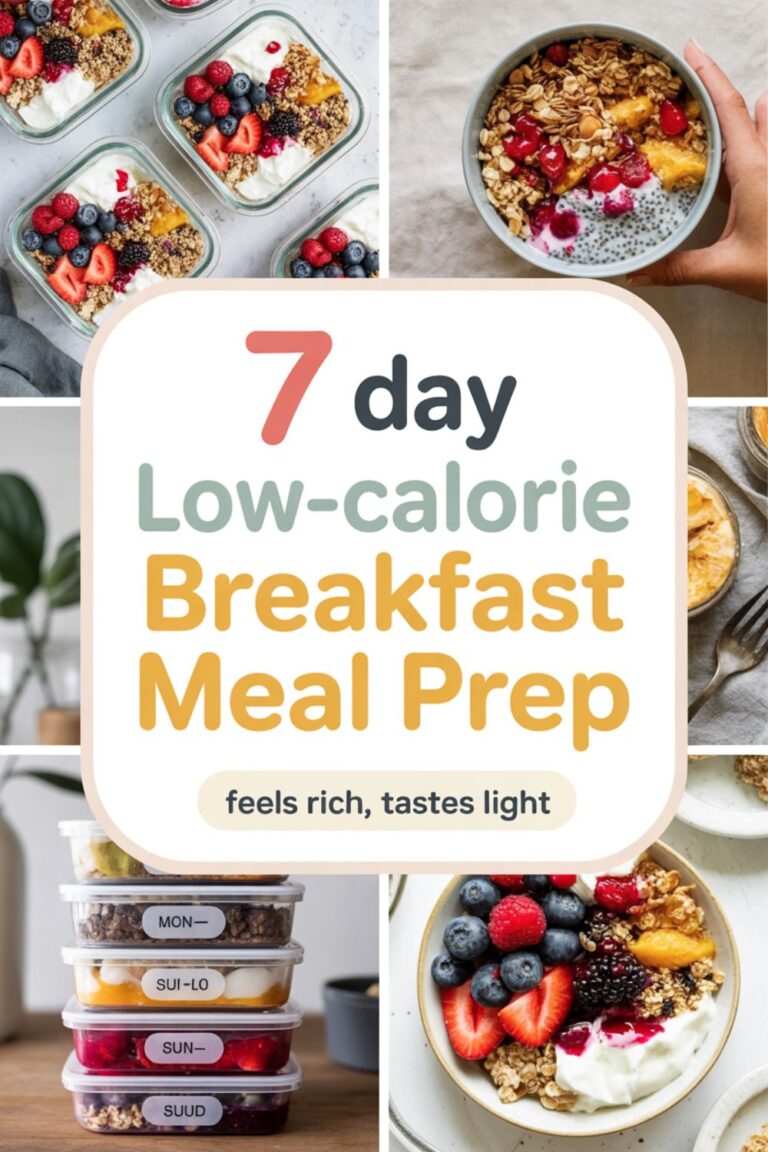
7-Day Low-Calorie Breakfast Meal Prep That Feels Indulgent
7-Day Low-Calorie Breakfast Meal Prep That Feels Indulgent 7-Day Low-Calorie Breakfast Meal Prep That Feels Indulgent You know that feeling when you’re trying to eat better, but every low-calorie breakfast looks about as appealing as cardboard? Yeah, I’ve been there. Staring at plain oatmeal while everyone else is enjoying their fluffy pancakes feels like some…
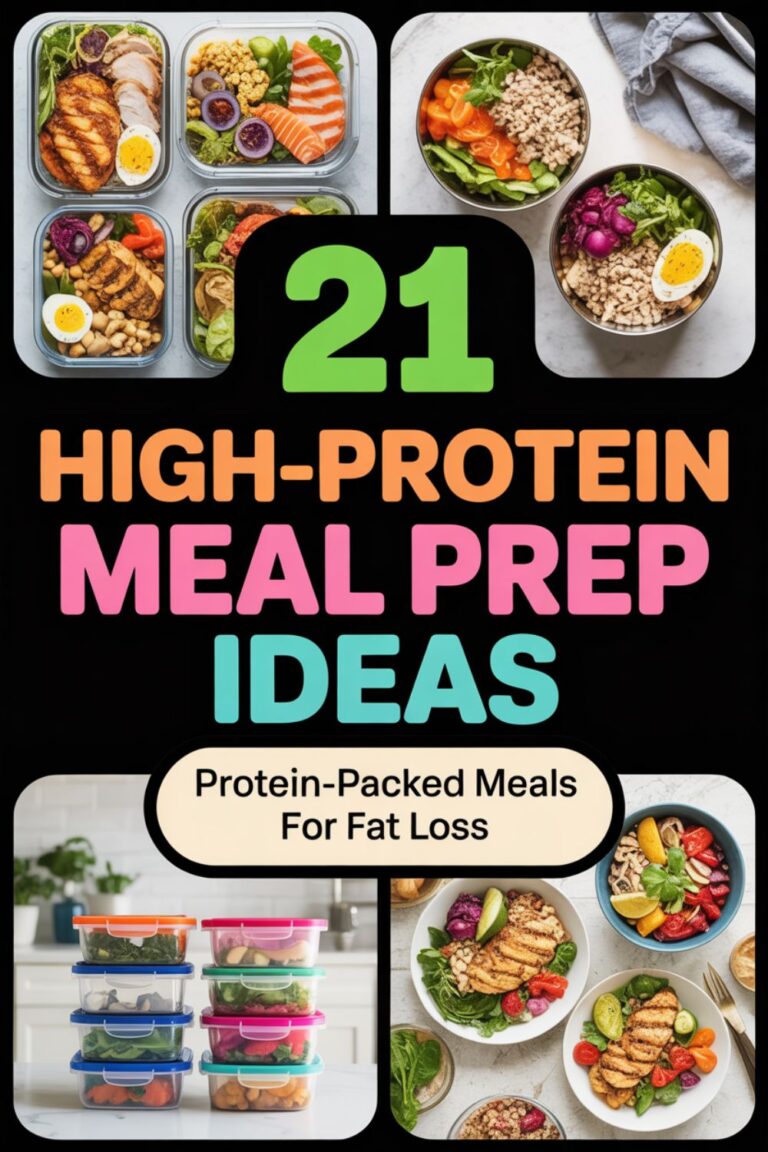
21 High-Protein Meal Prep Ideas for Fat Loss
21 High-Protein Meal Prep Ideas for Fat Loss 21 High-Protein Meal Prep Ideas for Fat Loss Look, I’m not going to sugarcoat it—trying to lose fat while maintaining muscle is basically like trying to have your cake and not eat it. But here’s the thing: high-protein meal prep actually makes it possible, and I’m about…
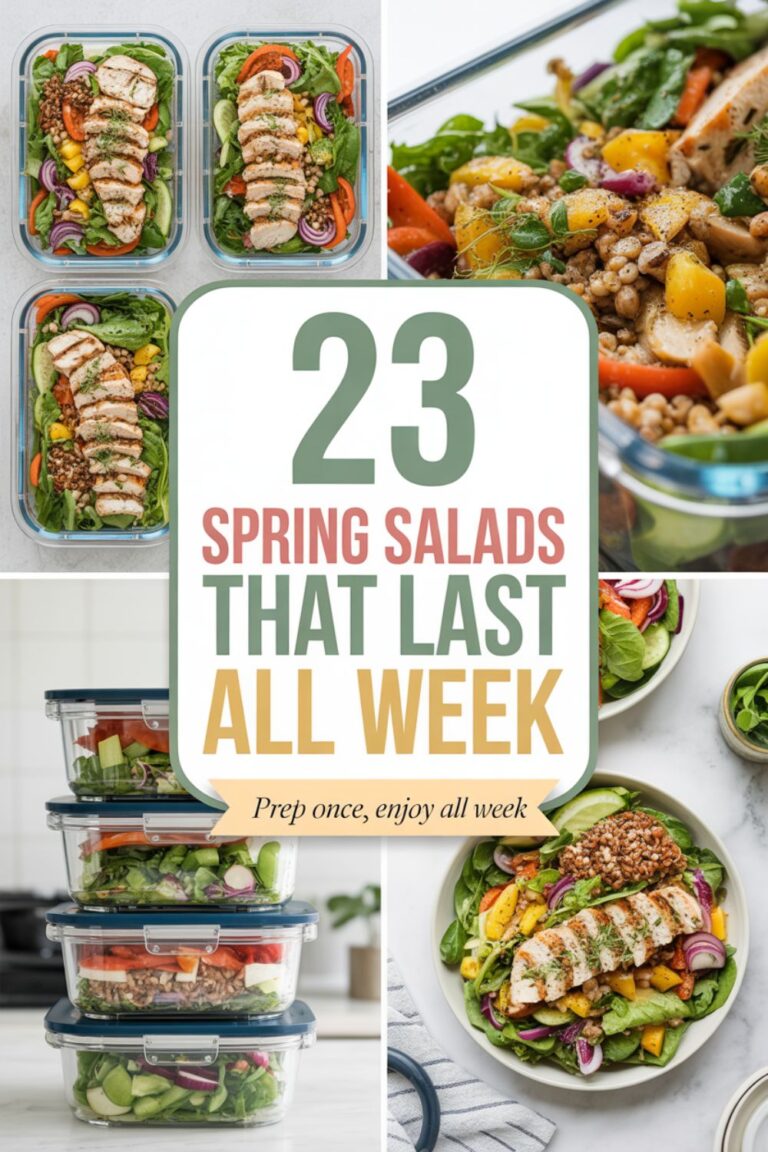
23 Spring Salads That Last All Week
23 Spring Salads That Last All Week 23 Spring Salads That Last All Week You know that Sunday evening dread when you realize you have zero lunch options lined up for the week? Yeah, I’ve been there too many times. But here’s the thing about spring salads—they’re not just rabbit food in a bowl. When…
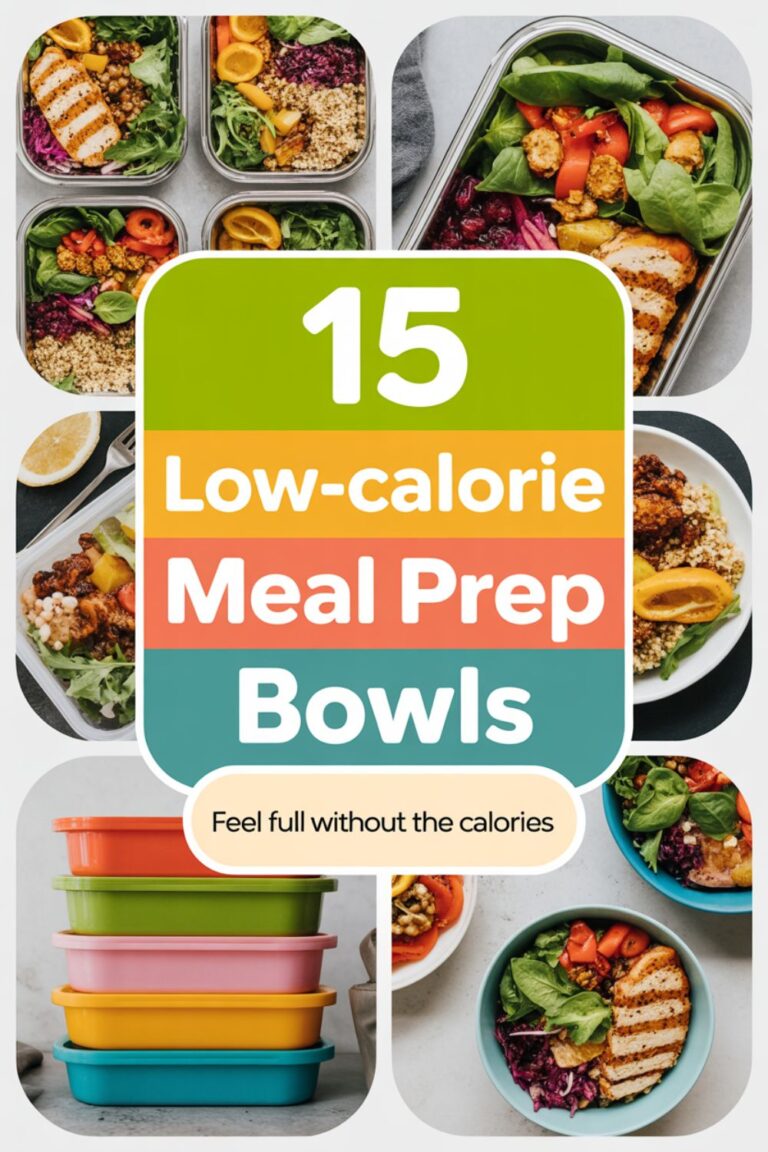
15 Low-Calorie Meal Prep Bowls That Actually Fill You Up
15 Low-Calorie Meal Prep Bowls That Actually Fill You Up 15 Low-Calorie Meal Prep Bowls That Actually Fill You Up Look, I’m tired of pretending that eating 400 calories of plain grilled chicken with steamed broccoli is going to satisfy anyone past 2 PM. You know what I’m talking about—those sad little containers that leave…
21 Healthy Meal Prep Ideas for Busy Lives
21 Healthy Meal Prep Ideas for Busy Lives 21 Healthy Meal Prep Ideas for Busy Lives Look, I get it. You’re tired of coming home after a twelve-hour day, staring into your fridge like it owes you money, and ending up with cereal for dinner. Again. We’ve all been there, scrolling through delivery apps at…
7-Day Family Meal Prep Everyone Will Eat
7-Day Family Meal Prep Everyone Will Eat – The Meal Edit Build Your Perfect Family Meal Prep Plan Your Goal Family-Friendly EatingWeight LossMuscle BuildingBalanced Nutrition Calorie Level Medium (1,800-2,200)Low (1,200-1,600)High (2,400-2,800) Diet Style Family-FriendlyVegetarianPaleoKeto Prep Style Batch CookingQuick & EasyFresh Daily Generate Your Plan 7-Day Family Meal Prep Everyone Will Eat Let me guess. You’re…