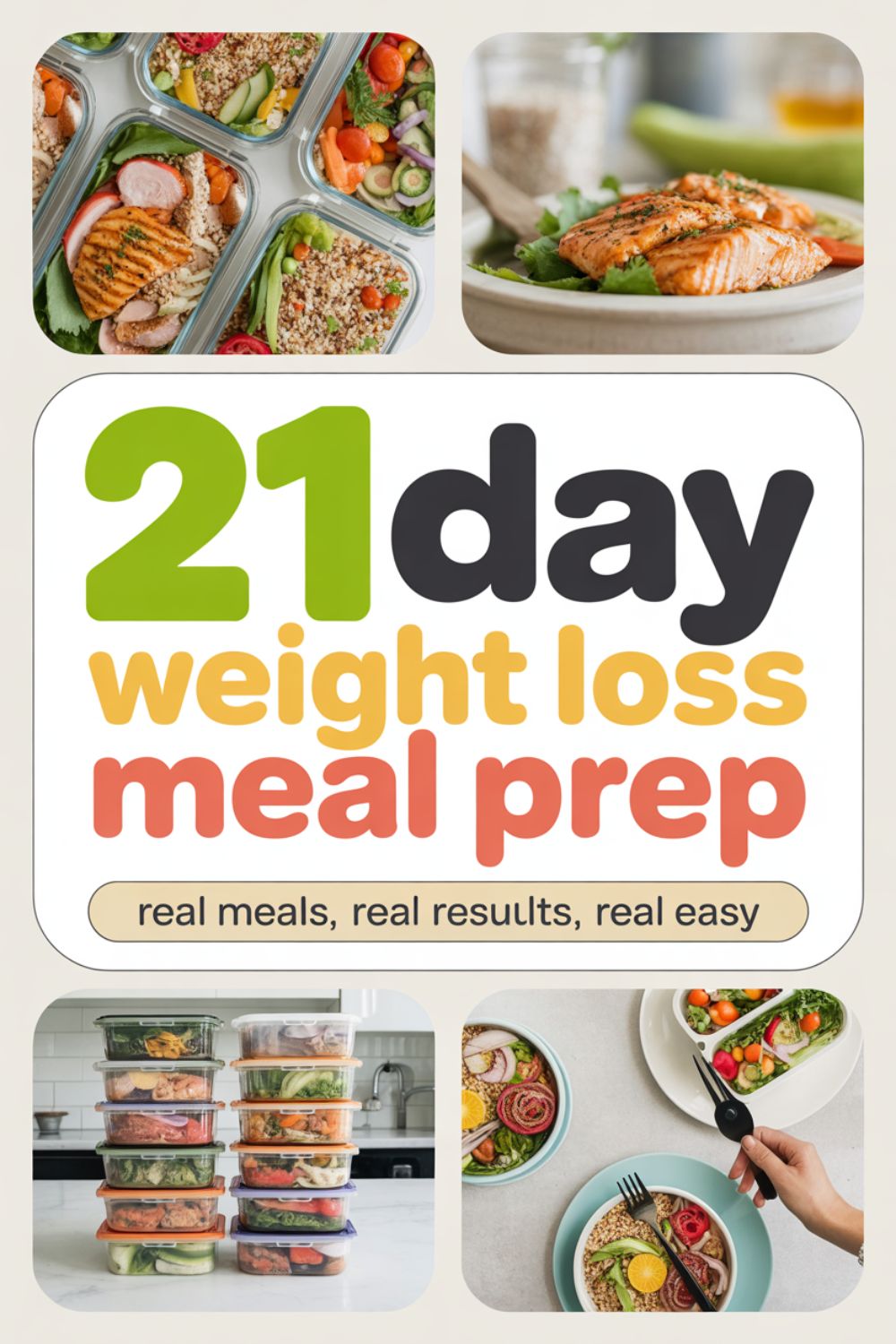
21-Day Weight Loss Meal Prep for Real Results
You know what nobody talks about when they’re showing off their color-coded containers and perfect meal grids? The fact that most meal prep plans fall apart by day four when you’re staring at the same bland chicken breast for the third time this week.
I’m not here to sell you on becoming some meal prep influencer who spends six hours every Sunday cooking 47 different recipes. This is about real weight loss that sticks—the kind that happens when you actually eat the food you prepared instead of letting it turn into science experiments in the back of your fridge.
After trying every meal prep approach from batch cooking marathons to “just wing it” chaos, I’ve landed on a 21-day system that actually works. Not because it’s perfect, but because it’s realistic enough that you’ll still be doing it three weeks from now.
Why 21 Days Actually Makes Sense
Here’s the thing about the whole “21 days to form a habit” idea—it’s not some magic number pulled from thin air. Research shows that meal planning is associated with better dietary quality and lower obesity rates, and three weeks gives you enough time to actually see patterns without committing to some year-long transformation that feels impossible.
I’ve watched people lose anywhere from 5 to 12 pounds in their first 21 days of structured meal prep. Not because they’re starving themselves, but because they’re finally eating consistent, portion-controlled meals instead of playing calorie roulette with takeout.
The real shift happens around day 14. That’s when you stop thinking about what you’re going to eat and just… eat what you prepped. Your brain stops fighting you on it.
Setting Up Your Weight Loss Foundation
The Calorie Conversation Nobody Wants to Have
Look, I’m not going to tell you that calories don’t matter—they absolutely do. But I’m also not going to make you weigh your lettuce on a food scale like some kind of nutritional accountant. The beauty of meal prep is that you do the math once, then just repeat it.
Most women see solid results with 1,400-1,600 calories per day, while most men land somewhere between 1,800-2,000. But here’s what actually matters more than hitting some perfect number: eating enough protein to not feel like you’re starving, enough fiber to keep things moving, and enough fat to not lose your mind.
According to Harvard’s Nutrition Source, meal planning helps you avoid the calorie landmines of eating out while keeping you on track with portion sizes. Translation? You can actually track what’s going in your mouth.
Protein: The Real MVP
If you take away one thing from this entire article, make it this: get your protein right, and everything else falls into place way easier. Aim for about 25-35 grams per meal if you’re serious about weight loss. Not because protein is magic, but because it actually keeps you full and helps preserve muscle while you’re losing fat.
I use these portion control containers that make it stupid-easy to eyeball protein servings without turning into a measuring obsessive. The palm-sized section is perfect for chicken, fish, or whatever protein you’re working with.
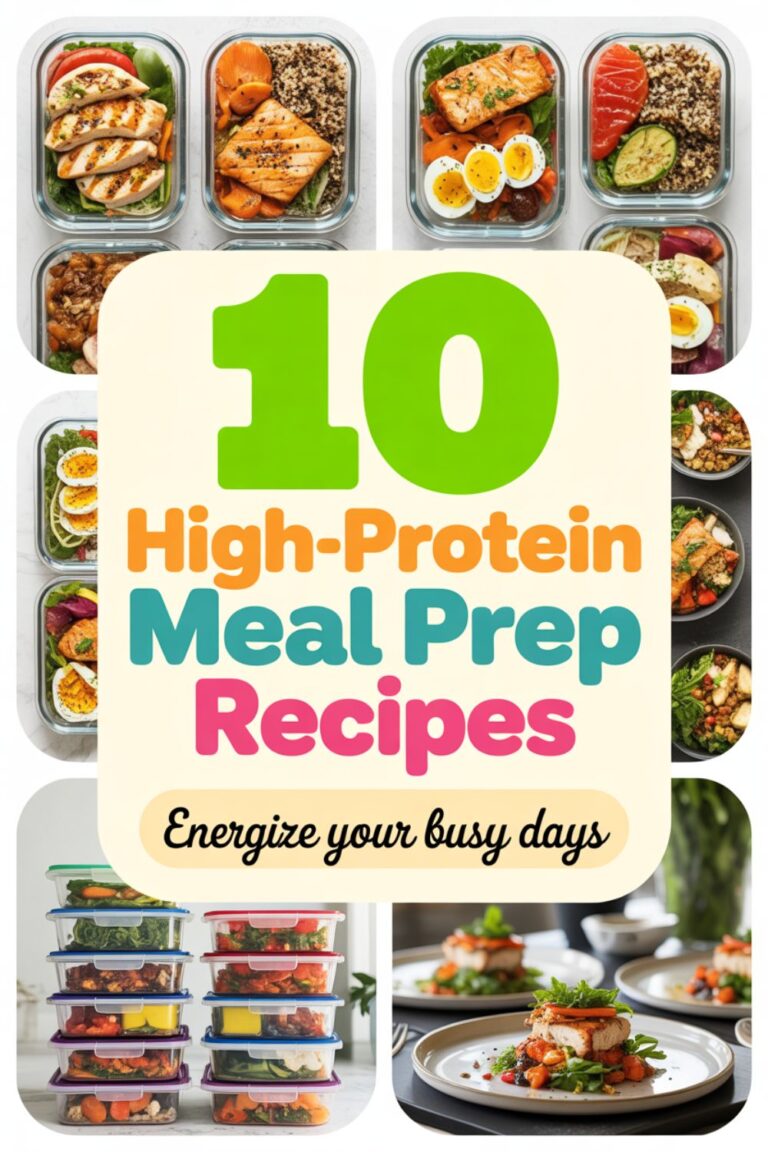
Speaking of protein-packed meals, you might want to check out these high-protein meal prep recipes that don’t get old for even more inspiration beyond what I’m covering here.
Week One: The Foundation Phase
Week one is all about proving to yourself that you can actually do this. Don’t go crazy trying to prep 21 days worth of food on day one—that’s how you end up burned out and ordering pizza by Tuesday.
Your First Prep Session
Start simple. I mean really simple. Pick three recipes max for your first week. You’re going to make enough of each for multiple days, which means you’ll have variety without the overwhelm.
Here’s what worked for me: a Get Full Recipe for breakfast egg muffins that reheat perfectly, a basic Get Full Recipe for chicken and vegetable stir-fry for lunches, and a Get Full Recipe for turkey meatballs with zucchini noodles for dinners.
Three recipes. Nine meal prep containers. Done.
The Breakfast Situation
Breakfast trips up more people than you’d think. They either skip it entirely (bad move for weight loss) or grab something convenient that’s basically a dessert masquerading as a meal.
My solution? Overnight oats, egg muffins, or Greek yogurt parfaits that you can grab on your way out the door. I prep five days worth every Sunday, using these mason jars that stack perfectly in the fridge and don’t leak in my bag.
For more morning inspiration, I love these high-protein breakfast ideas or this complete breakfast meal prep guide that covers everything from sweet to savory options.
“I tried the 21-day plan and honestly didn’t believe it would work because I’d failed at meal prep before. But keeping it simple those first few days changed everything. I’m down 11 pounds and actually looking forward to what’s in my fridge.” — Sarah M., from our community
Week Two: Finding Your Rhythm
This is where things get interesting. You’ve made it through the first week, which means you’re already doing better than 70% of people who start meal prep plans. Week two is about refining what worked and ditching what didn’t.
Dealing with Meal Fatigue
By day 8 or 9, you might be completely over that chicken stir-fry you thought was so brilliant last week. This is normal, and it’s exactly why I rotate proteins and swap out vegetables every prep session.
This week, maybe you do salmon instead of chicken. Switch from broccoli to asparagus. Swap white rice for quinoa. Small changes keep things interesting without requiring you to learn seventeen new recipes.
The mini food processor I got makes chopping vegetables so much faster that I actually don’t mind switching them up. Game changer for someone who used to avoid meal prep because of all the knife work.
Lunch Strategies That Actually Work
Lunch is weird because you need something that travels well, reheats evenly, and doesn’t make your coworkers ask uncomfortable questions about what you’re eating. Grain bowls are my answer to all three problems.
Build them with a base of quinoa or brown rice, add your protein, pile on the veggies, and finish with a sauce you keep separate until you’re ready to eat. Everything stays fresh, nothing gets soggy, and you can mix and match components to keep things interesting.
If you’re struggling with lunch variety, check out these high-protein lunch meal prep ideas that are specifically designed to travel well and keep you full until dinner.
Meal Prep Essentials Used in This Plan
These are the tools and products that make the whole meal prep thing actually doable instead of theoretical:
- Glass meal prep containers (set of 10) — Because plastic gets gross and these actually seal properly
- Digital kitchen scale — For the first week when you’re figuring out portions, then you can eyeball it
- Quality chef’s knife — Chopping vegetables with a dull knife is why people quit meal prep
- 21-Day Meal Prep Planner PDF (Digital) — Printable shopping lists and meal schedules that actually make sense
- Macro-Friendly Recipe Collection (Digital) — 50+ recipes with nutritional info already calculated
- Meal Prep Troubleshooting Guide (Digital) — What to do when things go wrong (because they will)
Want more support? Join our WhatsApp Meal Prep Community where people share their weekly preps, swap recipes, and keep each other accountable. It’s free and surprisingly not annoying.
Week Three: Making It Stick
You’re in the home stretch now. Week three is less about learning new techniques and more about cementing the habits that’ll keep you doing this long after these 21 days are up.
The Dinner Dilemma
Dinner prep is different because sometimes you want to actually cook something fresh, you know? The solution isn’t to prep every single dinner, but to prep the components that take the longest.
I’ll prep my proteins, chop all my vegetables, and pre-measure my seasonings. Then when it’s time for dinner, I’m just assembling and cooking for 15-20 minutes instead of starting from scratch. It’s like those meal kit services, except you’re not paying $12 per serving.
My slow cooker handles at least two dinners a week on autopilot. Throw everything in before work, come home to food that’s ready. It’s not fancy, but neither is eating cereal for dinner because you’re too tired to cook.
For complete dinner solutions, these high-protein dinner preps or these low-carb comfort dinners are solid options that don’t feel like diet food.
Snacks: The Weight Loss Wildcard
Here’s where people sabotage themselves without realizing it. You’re eating perfectly prepped meals, staying in your calorie range, then mindlessly eating 400 calories of almonds while watching TV because “they’re healthy.”
Pre-portion your snacks just like you pre-portion meals. I use small silicone containers to divide up nuts, cut fruit, vegetables with hummus, or whatever snacks work for you. Takes five extra minutes during your prep session, saves you from eating half a jar of peanut butter with a spoon at 10 PM.
The Shopping Strategy
Your grocery shopping can make or break this whole plan. Going to the store without a list is like going to Target for one thing—you’re coming out with $80 worth of stuff you didn’t need.
Building Your Master List
I keep a running Google Doc of everything I buy regularly, organized by grocery store section. Sounds neurotic, but it cuts my shopping time in half and I’m not wandering around trying to remember what I came for.
Focus on versatile ingredients. Chicken thighs work in stir-fries, salads, grain bowls, and sheet pan dinners. Sweet potatoes can be roasted, mashed, or spiralized. Bell peppers add color and crunch to basically everything.
According to Healthline’s meal prep guide, sticking to whole foods and avoiding ultra-processed stuff is one of the biggest factors in successful weight loss meal prep. Shocking, I know.
The Freezer Is Your Friend
People sleep on freezer prep and I don’t get it. You can literally cook once and eat three times if you’re smart about freezing portions. I make double batches of soups, chilis, and casseroles, then freeze half for the weeks I don’t feel like cooking.
Those freezer-safe containers with the expandable panels are clutch for this. Regular containers crack in the freezer, and nobody wants to eat soup that tastes like freezer burn and regret.
If you want to go all-in on freezer prep, these freezer meal prep ideas will change your life. Seriously, future you will be so grateful.
What to Do When Life Happens
Real talk: you’re going to have weeks where meal prep doesn’t happen. Maybe you’re traveling, maybe you’re swamped at work, maybe you just can’t deal with your kitchen on Sunday. That’s fine. The goal isn’t perfection.
The Emergency Backup Plan
Always keep a few make-ahead freezer meals in rotation for those weeks when life gets messy. Having three or four emergency meals in your freezer means a bad week doesn’t turn into a completely derailed week.
I also keep ingredients for stupid-simple meals that don’t require prep: rotisserie chicken from the store, pre-washed salad greens, canned beans, and eggs. You can throw together a decent meal from these in 10 minutes when your Sunday prep didn’t happen.
The Art of Meal Swapping
Some people in our community do meal swaps where everyone preps one recipe in bulk, then trades with each other. You make 10 servings of chicken burrito bowls, your friend makes 10 servings of turkey chili, you swap half. Boom, instant variety without extra work.
It’s particularly great for dishes that are annoying to make in small quantities. Nobody wants to make four meatballs—you’re making 40 or you’re not making them at all.
Tools & Resources That Make Cooking Easier
Beyond the basics, these are the things that genuinely make meal prep less of a chore:
- Instant Pot or pressure cooker — Cuts cooking time by more than half for most proteins
- Vegetable spiralizer — For when you want noodles but not the carbs
- Quality sheet pans (set of 3) — Sheet pan dinners are life, don’t skimp on cheap ones that warp
- Meal Timing Calculator (Digital Tool) — Figures out when to start cooking everything so it finishes together
- Leftover Makeover Guide (Digital) — How to transform leftovers into completely different meals
- Budget Meal Prep Master Class (Digital) — Because not everyone has unlimited grocery money
These aren’t essentials, but they’re the difference between meal prep feeling like a slog versus something you can actually maintain long-term.
Dealing with Picky Eaters and Family Situations
If you’re meal prepping for just yourself, you can eat whatever weird combination of foods you want. But if you’re feeding other people—especially kids—the game changes completely.
The Build-Your-Own Strategy
Instead of prepping complete meals that everyone has to eat, prep components. Make a batch of seasoned ground turkey, roasted vegetables, rice, and a simple sauce. Everyone builds their own bowls with what they actually like.
Kids tend to eat better when they have some control over their plates. Plus, you’re not making three different dinners like some kind of short-order cook.
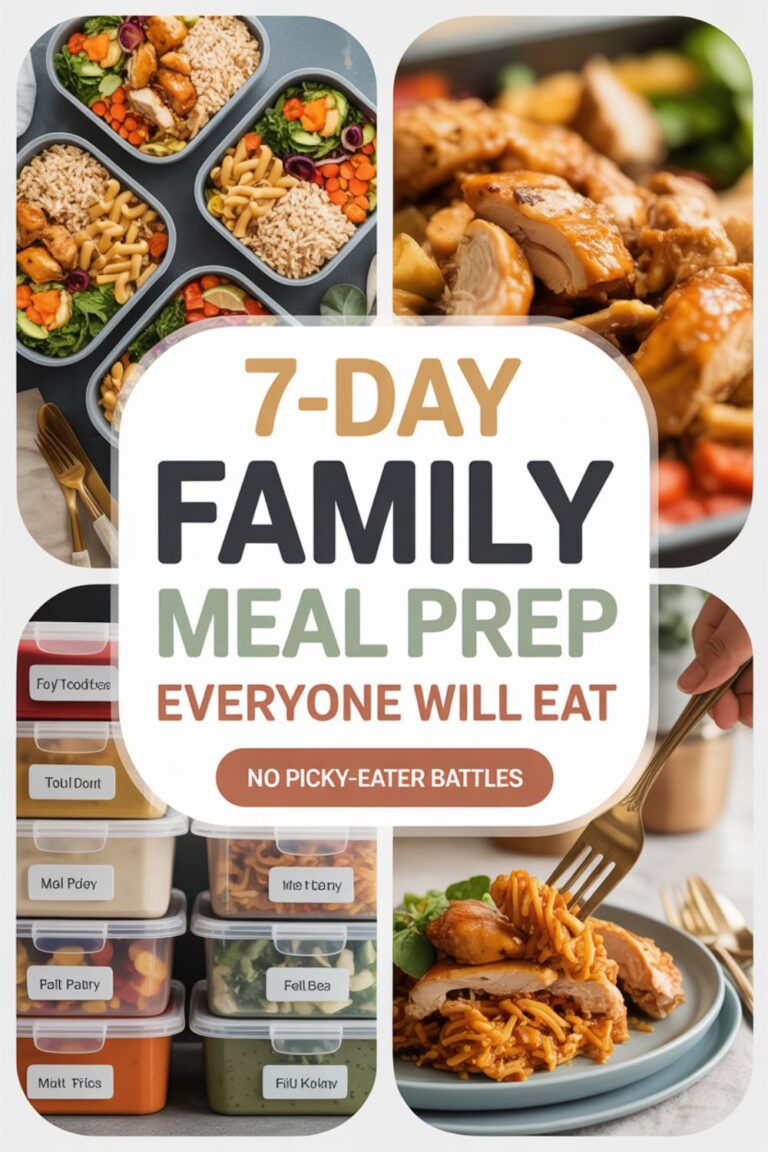
The family meal prep guide has more specific strategies for this if you’re dealing with multiple people and their opinions about what constitutes “real food.”
“My biggest fear was that my kids would revolt if I started meal prepping healthier food. But the build-your-own bowl strategy worked perfectly. They love assembling their own plates, and I’m not arguing about vegetables every single night anymore.” — Mike T., dad of three
The Budget Reality Check
Let’s talk money because meal prep can absolutely save you cash, but only if you’re smart about it. The upfront grocery bill feels bigger because you’re buying a week’s worth of food at once, but you’re actually spending less overall.
Cost-Per-Meal Breakdown
When I track my meal prep costs (yes, I’m that person), I average about $4-6 per meal. Compare that to $12-15 for takeout or $8-10 for frozen meals that are mostly sodium and disappointment. The math adds up fast.
Buy proteins on sale and freeze them immediately. Get vegetables that are in season. Use cheaper proteins like ground turkey, chicken thighs, or eggs more often than expensive cuts of meat. Basic stuff, but it makes a difference.
If budget is tight, check out these budget meal prep recipes or this 21-day budget plan that’s specifically designed to keep costs down without eating rice and beans every day.
Staying Motivated Through the Rough Spots
Around day 12-14, you’re going to hit a wall. The novelty wears off, meal prep feels like work instead of exciting, and you’ll seriously consider just ordering delivery and calling it a day.
This is the moment that separates people who actually reach their weight loss goals from people who have 47 abandoned meal prep containers in their cabinet. Push through this week, and the rest gets significantly easier.
Tracking Results Beyond the Scale
Yeah, the scale matters for weight loss—obviously. But it’s not the only metric worth tracking. Take progress photos every week. Notice how your clothes fit. Pay attention to your energy levels and how you feel after meals.
I lost 6 pounds in my first 21 days, but the bigger win was not feeling sluggish and gross after lunch anymore. When you’re eating consistent, balanced meals instead of whatever’s convenient, your whole body responds differently.
Research from the American Institute for Cancer Research found that people using portion-controlled, pre-planned meals lost significantly more weight than those just winging it—we’re talking 18 pounds versus 13 pounds over 12 weeks. That’s not nothing.
Making Peace with Imperfection
Here’s what I wish someone had told me when I started: perfect meal prep doesn’t exist. You’re going to burn something, forget to defrost your chicken, or realize you prepped 47 servings of something you actually hate eating.
That’s all part of the process. The goal isn’t to nail everything perfectly from day one. The goal is to build a system that works well enough that you keep doing it.
Adjusting as You Go
Your first 21 days are basically an experiment to figure out what works for your specific life. Maybe you discover you hate eating cold lunches and need everything to be reheatable. Maybe you realize you actually like prepping two smaller sessions per week instead of one big Sunday marathon.
IMO, the best meal prep plan is the one you’ll actually follow, not the one that looks prettiest on Instagram. Adjust based on what you learn about yourself and your habits.
For other approaches worth trying, look at the clean eating version, the vegetarian approach, or even the no-stress simplified plan if you need something even more stripped down.
Meal Prep and Exercise: The Combo That Works
You can’t out-exercise a bad diet, but you also can’t expect great results from meal prep alone if you’re spending 23 hours a day on the couch. The combo of consistent meal prep and regular movement is where the magic happens.
I’m not talking about crushing yourself at the gym seven days a week. Just move more than you currently do. Walk more, take the stairs, do some bodyweight exercises while your food cooks. According to Mayo Clinic research, combining diet changes with increased physical activity leads to significantly better long-term weight loss outcomes.
Frequently Asked Questions
How much weight can I realistically lose in 21 days?
Most people see 5-12 pounds of weight loss in their first 21 days, though this varies based on starting weight and consistency. The first week typically shows more dramatic results due to water weight, while weeks 2-3 settle into a steadier 1-2 pounds per week. Focus on the trend over time rather than daily fluctuations—your body is weird and weights can swing 3-5 pounds in a day just from water retention.
Can I meal prep if I don’t have a full day to dedicate to cooking?
Absolutely. I rarely spend more than 2-3 hours on meal prep, and you can do it in even less time with simple recipes. Try prepping in smaller chunks—proteins on Sunday, chop vegetables Monday evening, assemble final meals Tuesday. There’s no rule saying it all has to happen in one marathon session.
What if I get sick of eating the same thing every day?
This is why I only prep 3-4 days at a time, not a full week. You get enough variety while still having the convenience of prepped meals. Also, same base ingredients doesn’t mean same flavor—switch up your seasonings and sauces to keep things interesting without adding extra work.
Do I need to count macros or can I just focus on portions?
FYI, you don’t need to track macros down to the gram unless you’re training for a bodybuilding competition or have very specific goals. For general weight loss, focus on getting adequate protein (25-35g per meal), filling half your plate with vegetables, and keeping your portions reasonable. That’ll get you 90% of the way there.
How long do meal-prepped foods actually stay fresh?
Most proteins and cooked vegetables stay good for 3-4 days in the fridge, which is why I don’t recommend prepping more than that at once. Some things freeze perfectly (soups, chilis, cooked grains), while others turn gross (fresh salads, crispy foods). When in doubt, prep less and supplement with quick-assembly meals later in the week.
The Bottom Line
After 21 days of consistent meal prep, you’ll have developed a system that works for your specific life, schedule, and food preferences. You’ll know which recipes you actually enjoy eating multiple times, which containers work best, and how long you can realistically go between prep sessions.
More importantly, you’ll have proven to yourself that you can stick with something long enough to see real results. That’s worth more than any number on the scale.
The weight loss is great—don’t get me wrong. But the real win is building a sustainable way of eating that doesn’t make you feel deprived or like you’re constantly thinking about food. When meal prep becomes just what you do instead of this big dramatic thing you have to psych yourself up for, that’s when you know you’ve actually changed your habits.
So grab those meal prep containers, pick a few simple recipes, and just start. It doesn’t have to be perfect. It just has to be good enough to keep you going for three weeks. Everything else will fall into place from there.