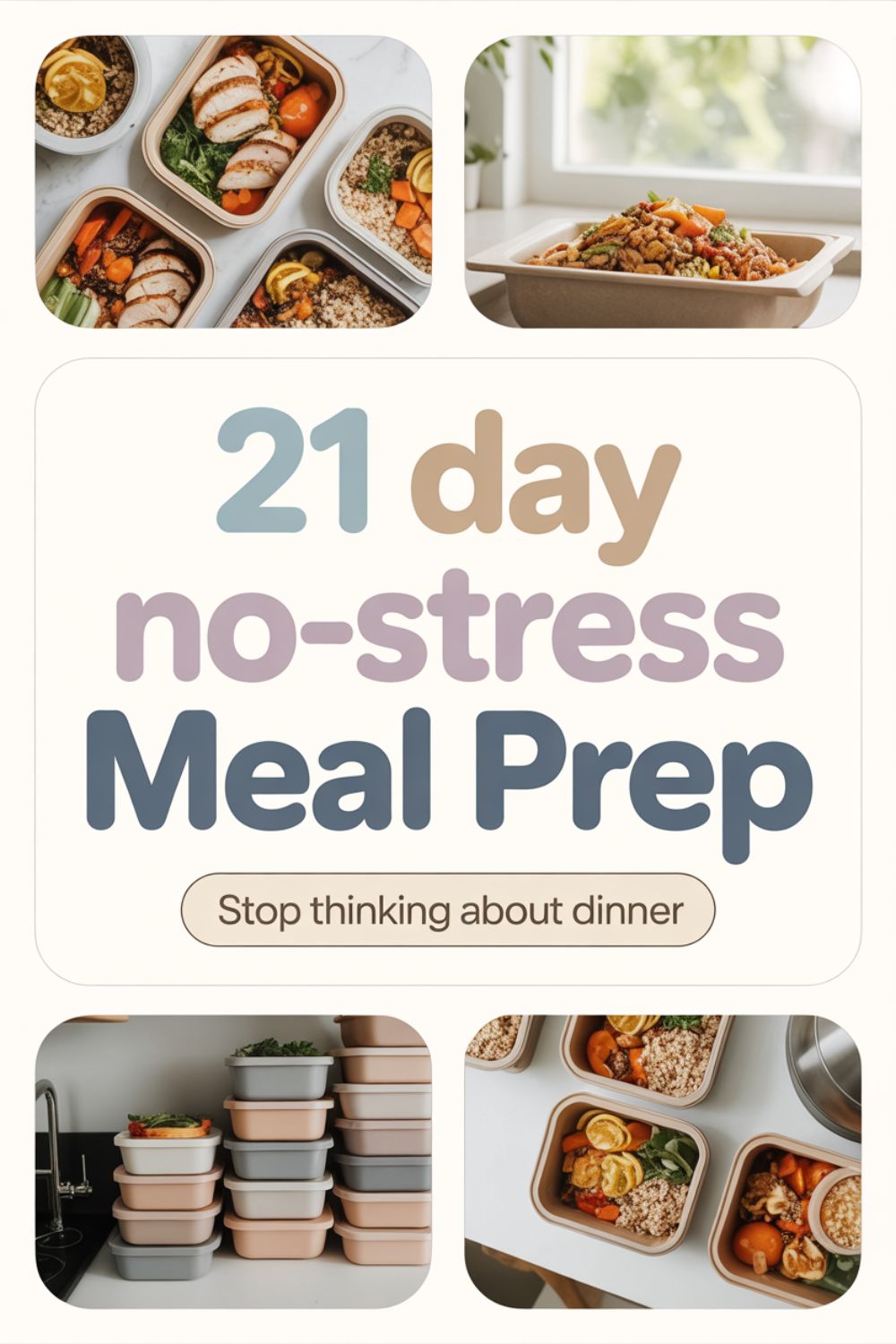
21-Day No-Stress Meal Prep Plan
Look, I get it. The thought of spending your entire Sunday meal prepping for the week sounds about as appealing as doing your taxes while stuck in traffic. But here’s the thing—what if I told you that three weeks from now, you could be the person who casually mentions “oh, I already have lunch ready” while your coworkers are frantically deciding between sad desk salads and overpriced takeout?
This isn’t about becoming some meal prep influencer with perfectly arranged color-coded containers and kale smoothies at dawn. It’s about reclaiming your weeknights, saving actual money, and maybe—just maybe—eating vegetables more than twice a week. Over the next 21 days, you’re going to build a system that actually works for your life, not some Instagram fantasy version of it.
I’ve been meal prepping for about five years now, and I’ll be honest: my first attempts were disasters. Soggy lettuce, rock-hard chicken, and questionable rice that I’m pretty sure could’ve been used as construction material. But once I figured out the tricks? Game changer. Let me walk you through this without the BS.
Why 21 Days Makes All The Difference
You’ve probably heard that it takes 21 days to form a habit. Honestly, research suggests it actually takes longer, but three weeks is the sweet spot where meal prep stops feeling like a chore and starts feeling like second nature. By week three, you’ll be mentally planning your grocery list while binge-watching Netflix. Trust me on this one.
The beauty of this plan isn’t that it’s rigid—it’s that it gives you a framework to work within. Some weeks you’ll nail it, others you might phone it in with rotisserie chicken and bagged salad. And you know what? That still counts. Progress over perfection is the name of this game.
According to studies on home meal preparation, people who consistently prep their meals see improvements in diet quality, weight management, and overall health markers. But beyond the science, there’s something deeply satisfying about opening your fridge on a Wednesday night and actually having options that don’t involve delivery apps.
Your first week will feel awkward. Your second week will feel rushed. Your third week? That’s when the magic happens. Don’t judge the entire system based on week one alone.
Week One: Building Your Foundation
Getting Your Head in the Game
Before you touch a single glass meal prep container or buy enough chicken breast to feed a small village, let’s talk strategy. Week one is all about baby steps and not overwhelming yourself into giving up before Friday hits.
Start by picking just two meals you want to prep. Not all your meals, not even half—just two. Maybe it’s breakfast and lunch, or lunch and snacks. The point is to ease into this without the pressure of becoming a meal prep prodigy overnight.
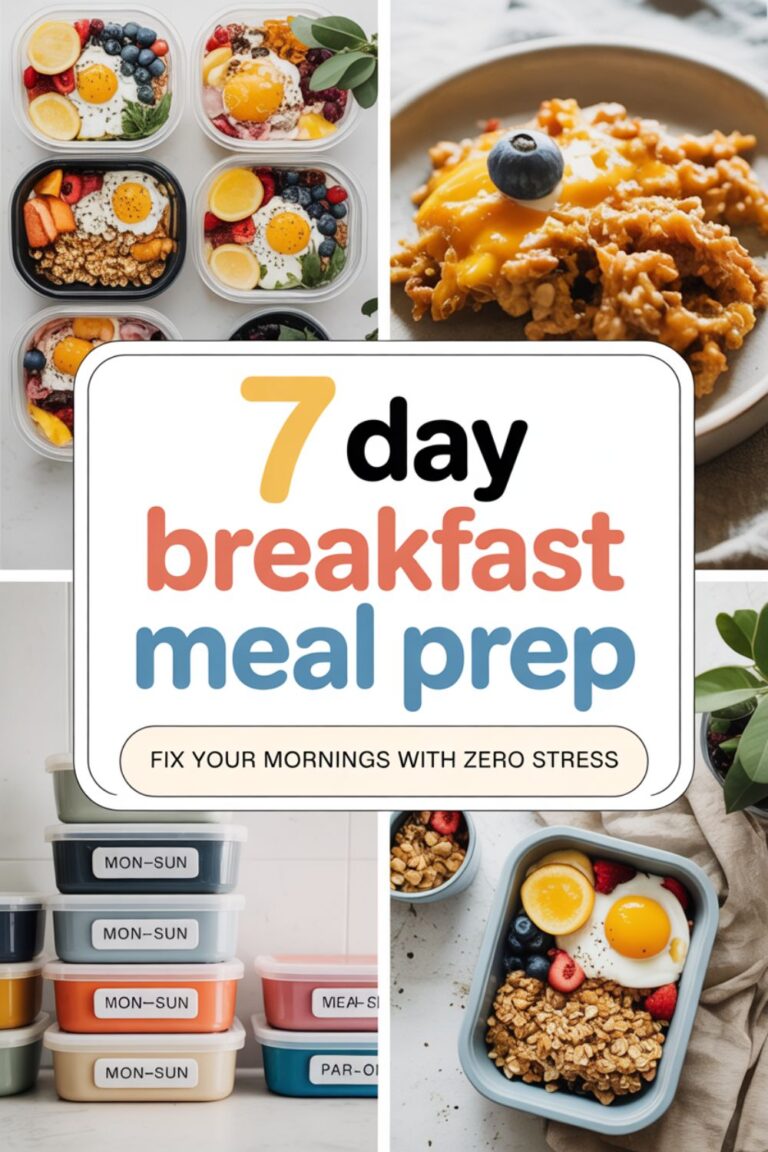
I personally started with overnight oats and simple mason jar salads. Nothing fancy, nothing complicated. These overnight oats became my saving grace on rushed mornings. Get Full Recipe.
Your First Shopping Trip
Here’s where people usually mess up: they buy everything. Fifteen different vegetables, exotic grains they’ve never cooked before, and enough protein to open a butcher shop. Don’t be that person.
For week one, stick to familiar ingredients you actually like eating. If you hate quinoa, don’t buy quinoa just because some wellness blogger said it’ll change your life. Rice, pasta, chicken, ground turkey, whatever vegetables you actually eat—keep it simple and keep it real.
Pro tip: I use these produce storage bags to keep my vegetables fresh longer. No more wilted lettuce tragedy by Wednesday. You know the type—the kind that makes you question all your life choices when you open the crisper drawer.
Wash and chop your vegetables Sunday night. Thank yourself all week. Seriously, this 20-minute investment saves you hours of decision fatigue on weeknights.
The Actual Cooking Part
Set aside about two hours on your designated prep day. Put on a podcast, pour yourself something nice to drink, and make it an experience rather than a task. I’m partial to using my programmable slow cooker for big batches of protein—set it and forget it while you handle the sides.
The key this first week? Keep recipes brain-dead simple. Roasted chicken thighs with whatever vegetables you have. Burrito bowls with rice, beans, and protein. Basic pasta with marinara and vegetables. If you need more morning inspiration, try some simple breakfast meal prep ideas that won’t fail you even on the most chaotic mornings.
Remember, we’re building confidence here, not auditioning for a cooking show. Save the complicated recipes for when you’re comfortable with the process.
“I was skeptical about meal prep because I thought everything would taste bland by day three. But once I learned to keep sauces separate and not overcook my proteins, it completely changed my lunch game. I’m saving at least $80 a week now.” — Sarah M., member of our meal prep community
Week Two: Adding Variety Without Losing Your Mind
Flavor is Your Best Friend
By week two, you’ve gotten the hang of the basic process. Now it’s time to make sure you’re not eating the exact same meal seven times in a row. Because let me tell you, even the most delicious chicken and broccoli gets old by Thursday.
The secret? Prep components, not complete meals. Instead of making seven identical burrito bowls, prep the rice, beans, protein, and vegetables separately. Then mix and match throughout the week. Monday it’s a bowl, Wednesday it’s quesadilla filling, Friday you throw it over lettuce for a taco salad.
I keep a collection of small sauce containers for different dressings and marinades. Same meal base, different flavor profile each day. It’s not rocket science, but it makes a huge difference in preventing meal prep burnout.
Speaking of versatile meals, if you’re looking for protein-packed options that actually taste good reheated, you’ll want recipes that hold up well over several days. The beauty of component prep is that you can create entirely different meals from the same base ingredients—no boredom required.
Batch Cooking Like a Pro
This week, try cooking larger quantities of one or two items. Harvard’s Nutrition Source recommends batch cooking as an efficient strategy for maintaining healthy eating patterns throughout busy weeks.
My go-to batch items? Grains (rice, quinoa, farro), roasted vegetables, and shredded proteins. These are your building blocks. I’ll make a huge batch of roasted sweet potatoes using a rimmed baking sheet—they go with literally everything and reheat beautifully.
For proteins, invest in a meat thermometer. Overcooked, dry chicken is the number one reason people give up on meal prep. Nobody wants to eat rubber chicken, and you don’t have to. Perfect internal temps every single time means you’ll actually want to eat what you prepped.
Label everything with the date. Future you, staring into the fridge at 11 PM wondering if that container is from this week or last week, will be eternally grateful.
Storage Solutions That Actually Work
Not all containers are created equal, and this is where a lot of people trip up. You need containers that are microwave-safe, leak-proof, and ideally clear so you can see what’s inside without playing a guessing game.
I swear by these glass containers with snap-lock lids. They’re more expensive upfront but they last forever and nothing weird leaches into your food. Plus, you can go from fridge to microwave without playing container roulette.
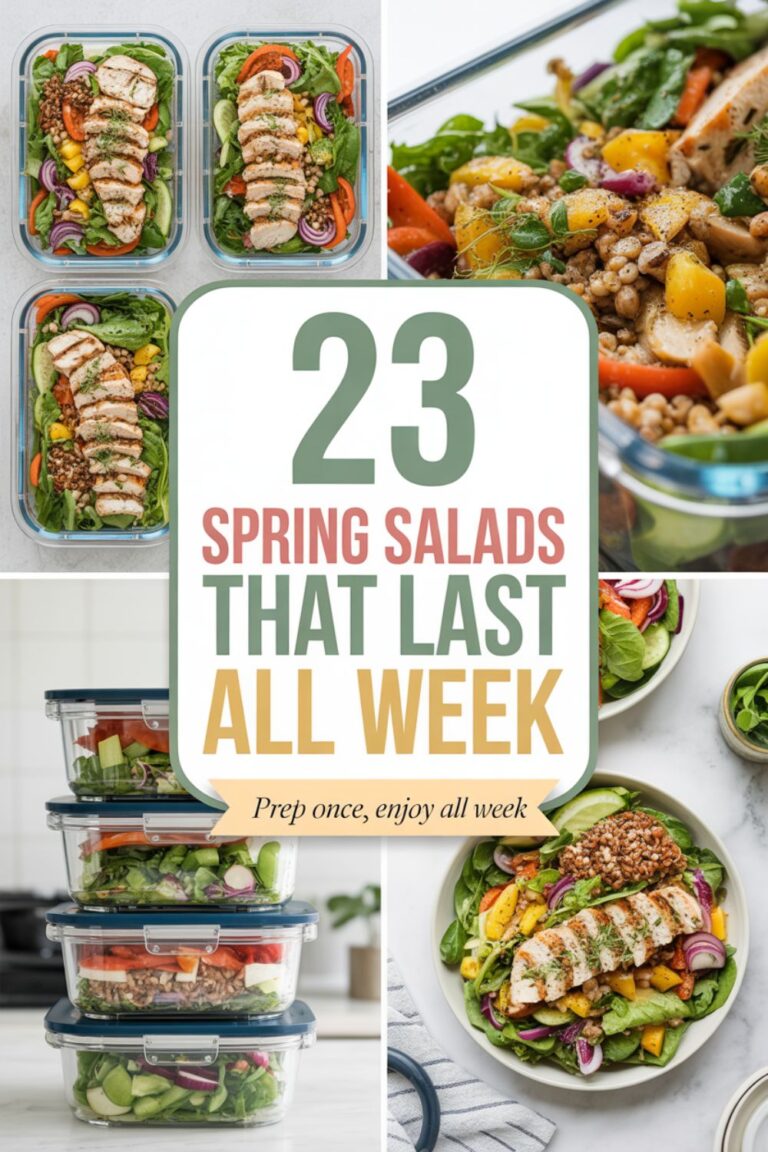
For salads and anything that might get soggy, those mason jar salad containers are actually genius. Dressing at the bottom, sturdy vegetables in the middle, delicate greens on top. When you’re ready to eat, shake it up and you’ve got a perfectly dressed salad that isn’t a wilted mess.
Week Three: Making It Stick
Dealing With Real Life
Here’s where the wheels typically fall off: you’ve got a dinner invitation Wednesday, a work lunch Thursday, and suddenly your perfectly prepped meals are piling up. Don’t panic. This is normal. Flexibility is the entire point.
Life happens. Plans change. Sometimes you just want pizza. The goal isn’t to never deviate from your meal prep—it’s to have a solid baseline so when you do eat out or order in, it’s a choice rather than a desperate last resort.
I keep prepped ingredients that can be easily frozen. Extra portions of soup, cooked grains, even fully assembled meals can go straight into the freezer. Nothing gets wasted, and you’re building up a reserve for those weeks when life gets extra chaotic.
“The best advice I got was to stop trying to be perfect. Some weeks I prep five meals, other weeks I just make sure I have breakfast ready. It all counts, and I’m still saving money and eating better than when I was winging it every day.” — Marcus T., meal prep enthusiast for 2 years
Preventing Flavor Fatigue
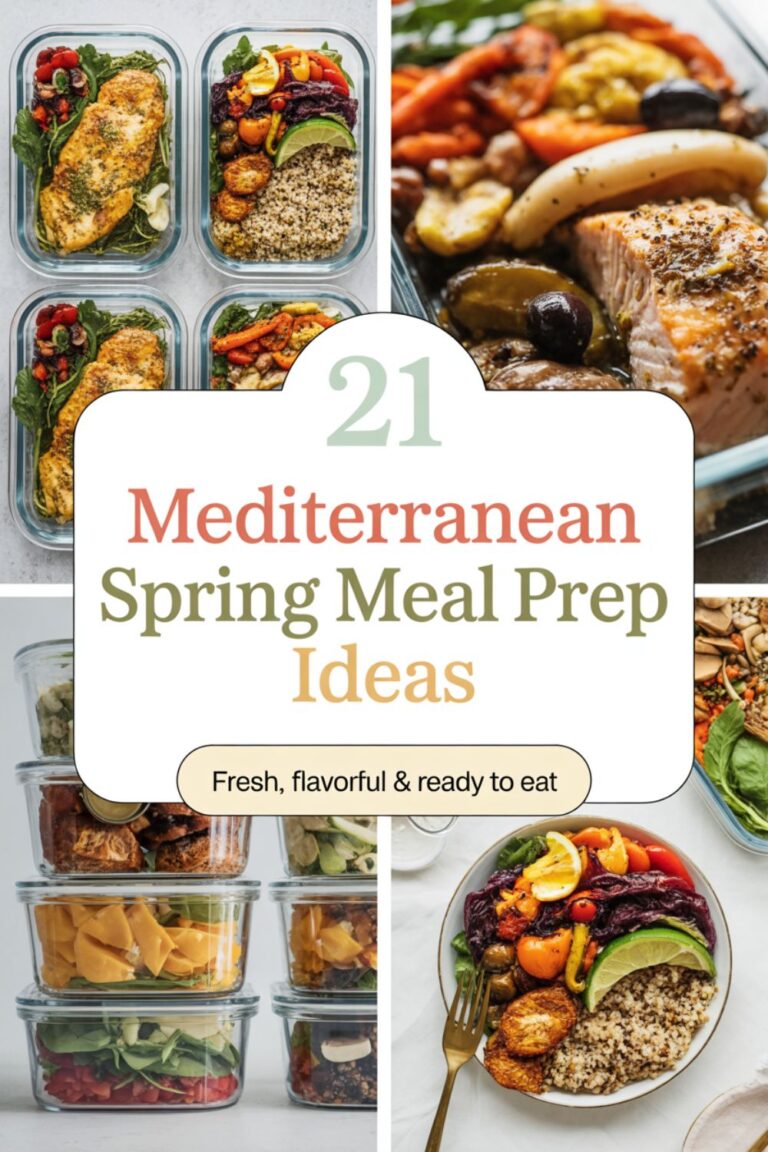
By week three, you might be feeling the monotony creeping in. This is when you need to get creative with seasonings and cooking methods. The same chicken breast can taste completely different if you switch between Italian herbs, taco seasoning, Asian-inspired marinades, or Mediterranean spices.
I keep a rotation of international flavor profiles. Mexican Monday, Asian-inspired Tuesday, Mediterranean Wednesday—you get the idea. Same basic proteins and vegetables, completely different eating experience. For quick flavor inspiration, simple stir-fry combinations can transform basic ingredients into something that actually excites you.
This is also when I start incorporating more complex recipes into my rotation. Now that the process feels natural, I can handle things like casseroles, grain bowls with multiple components, or even homemade protein balls for snacks.
The Systems That Save Your Sanity
By now, you should be developing your own rhythm. Maybe Sunday morning is grocery shopping and light prep, Sunday evening is the heavy cooking. Or maybe you split it—proteins on Sunday, vegetables on Wednesday. There’s no wrong way to do this.
What matters is that you’ve figured out a system that works with your schedule, not against it. I use a meal planning notepad to map out my week every Saturday morning. Coffee, notepad, five minutes of planning—it’s become a ritual I actually look forward to.
The more you can systematize this process, the less mental energy it requires. Same shopping list template, same prep day routine, same basic combinations with different flavors. Your brain stops having to make a thousand tiny decisions and you can actually enjoy the process.
Meal Prep Essentials Used in This Plan
After years of trial and error, here are the tools that actually earn their keep in my kitchen:
- Glass Meal Prep Containers (Set of 10) – Leak-proof, microwave-safe, and they don’t stain or smell weird after three uses. Worth every penny.
- Programmable Slow Cooker – Set it Sunday morning, come back to perfectly cooked protein. Basically does half the work for you.
- Quality Chef’s Knife – A decent knife cuts your prep time in half. Literally. Stop fighting with vegetables using that dull thing from your wedding registry.
- 21-Day Meal Prep Planner (Digital Download) – Complete shopping lists, prep schedules, and recipe ideas organized by week. Takes the guesswork out entirely.
- Macro-Friendly Recipe E-Book – 50+ recipes with full nutritional breakdowns. Perfect if you’re tracking macros or just want to know what you’re actually eating.
- Batch Cooking Master Guide – Digital guide covering freezer-friendly recipes, proper storage times, and reheating techniques that don’t turn everything into mush.
The Science Behind Why This Actually Works
It’s Not Just About Convenience
There’s real research backing up why meal prep is more than just a time-saving hack. When you plan your meals in advance, you’re more likely to make balanced nutritional choices because you’re making decisions with your logical brain, not your 6 PM hangry brain that just wants whatever’s fastest.
Studies show that people who meal prep tend to eat more vegetables, consume fewer calories from processed foods, and have better control over portion sizes. It’s not magic—it’s just that having healthy food readily available makes choosing it the path of least resistance.
Plus, there’s the mental health component. Decision fatigue is real. By eliminating the “what’s for dinner” question from your daily rotation, you’re preserving mental energy for decisions that actually matter. Less stress, more bandwidth for the stuff you care about.
Nutritional Balance Made Simple
When you’re meal prepping, it’s easier to ensure you’re getting a variety of nutrients throughout the week. You can literally see your week laid out in containers and adjust accordingly. All protein and carbs? Add more vegetables. Heavy on the starches? Balance it with lean proteins and healthy fats.
I aim for the basic formula: protein + complex carb + vegetable + healthy fat in most meals. It’s not complicated nutrition science, just practical balance that keeps you satisfied and energized. Think grilled chicken (protein), quinoa (complex carb), roasted broccoli (vegetable), with a drizzle of olive oil (healthy fat).
The beauty of having everything prepped is you can easily spot gaps in your nutrition. Running low on vegetables by Thursday? You know to prep more next week. Protein portions too small? Adjust for next time. It’s like having a nutritional feedback loop built into your routine.
Troubleshooting Common Meal Prep Problems
When Everything Tastes the Same
This is the complaint I hear most often. Everything starts tasting like bland chicken and sad vegetables by day three. The fix? Sauce is your savior. Keep several different sauces, dressings, and condiments on hand to completely transform the same base ingredients.
I’m talking tahini drizzle, chimichurri, peanut sauce, various hot sauces, pestos, and different vinaigrettes. Store them separately from your food and add them right before eating. Same meal, totally different flavor experience. It’s a game changer.
Also, consider the texture issue. Some foods just don’t reheat well. Fried or crispy things will be soggy. Certain vegetables turn to mush. Raw vegetables, nuts, and crunchy toppings can be kept separate and added just before eating to maintain that textural interest your taste buds crave.
Food Safety and Storage Times
Let’s address the elephant in the room: how long can you actually keep this stuff? According to food safety guidelines, most cooked meals are good for 3-4 days in the refrigerator. If you’re planning to eat it beyond that, it needs to go in the freezer.
I typically prep for 3-4 days max and then do a mid-week mini-prep if needed. Or I prep twice as much and freeze half. Either way works. Just don’t be the person eating questionable chicken from a container that’s been sitting in your fridge for eight days. Your stomach will not thank you.
Use a label maker or masking tape to date everything. If you can’t remember when you made it, it’s probably time to toss it. Better safe than sorry when it comes to food safety.
Tools & Resources That Make Cooking Easier
Beyond the basics, these are the things that have genuinely made my meal prep life smoother:
- Instant-Read Thermometer – No more guessing if your chicken is done. Perfect temps = actually edible reheated protein.
- Stackable Freezer Containers – Space-efficient and they actually stack without creating an avalanche every time you open the freezer.
- Silicone Baking Mats – Zero sticking, zero scrubbing. Use them on everything short of cereal bowls.
- Weekly Meal Prep Tracker (Printable) – Simple PDF template to track what you prepped, what you ate, and what worked so you can refine your system.
- Freezer Meal Guide (Digital) – Complete guide to which meals freeze well, proper freezing techniques, and thawing strategies that don’t ruin your food.
- Join Our Meal Prep Community – Free WhatsApp group where we share recipes, troubleshoot problems, and keep each other accountable. No judgment, just support.
Beyond the 21 Days: Making This a Lifestyle
When Meal Prep Becomes Second Nature
After three weeks, meal prep should feel less like a project and more like just what you do. You’ll start automatically thinking ahead, spotting opportunities to batch cook, and making decisions with future-you in mind.
The goal isn’t perfection. Some weeks you’ll nail it with five perfectly prepped dinners and Instagram-worthy lunch containers. Other weeks you’ll manage breakfast and call it a win. Both versions count. Both versions are infinitely better than what you were doing before you started.
I’ve found that once you get into the rhythm, it actually becomes the easier option. Knowing what you’re eating, having ingredients on hand, not stressing about meals—it’s genuinely less work than the constant decision-making and last-minute scrambling of pre-meal prep life.
Adapting to Seasons and Life Changes
Your meal prep strategy will evolve with your life. Summer might mean more salads and cold grain bowls. Winter calls for soups and hearty casseroles. Busy season at work? Keep it simpler. More free time? Experiment with new recipes.
The system is meant to serve you, not the other way around. If something stops working, adjust it. If you’re dreading your prep day, you’re doing too much. If you’re constantly eating out because you’re bored with your prepped food, add more variety. Pay attention and pivot as needed.
FYI, I completely revamp my meal prep strategy about twice a year. What works in January doesn’t necessarily work in July. Stay flexible and be willing to adapt—that’s what makes this sustainable long-term.
The Money You’ll Actually Save
Let’s talk numbers because this is where meal prep really shines. The average American spends about $12-15 per lunch eating out. That’s $60-75 per week, $240-300 per month, nearly $3,000 per year. Just on lunch.
With meal prep, my average lunch costs about $3-4. Even accounting for the time spent prepping, the savings are substantial. That’s extra money for things you actually care about—travel, hobbies, savings, whatever matters to you beyond overpriced desk salads.
Plus, you’re wasting less food. How many times have you bought ingredients with good intentions, only to throw them out a week later because you never got around to using them? Meal prep means you buy with a plan and use what you buy. Your wallet and the planet both benefit.
Frequently Asked Questions
How long do meal prepped foods actually stay fresh?
Most cooked meals stay fresh in the refrigerator for 3-4 days. If you’re planning beyond that, freeze your meals instead. Proteins like chicken and fish should be eaten within 3 days, while heartier items like soups and casseroles can push to 4-5 days. When in doubt, trust your nose—if it smells off, it probably is.
Do I really need to prep all my meals, or can I just do some?
Absolutely start with just a few meals! Most successful meal preppers don’t prep everything—they focus on the meals that cause them the most stress. If mornings are chaotic, prep breakfast. If lunch is your downfall, focus there. There’s no rule that says you need to prep every single meal to benefit from meal prepping.
What if I get bored eating the same things all week?
This is where component prep saves the day. Instead of making seven identical meals, prep versatile ingredients that can be mixed and matched. Keep multiple sauces and seasonings on hand to transform the same base ingredients into different flavor profiles throughout the week. Variety comes from creativity, not from cooking seven different meals.
Is meal prep actually cheaper than eating out?
In most cases, yes—dramatically cheaper. A restaurant lunch might cost $12-15, while a meal prepped lunch typically costs $3-5. Over a month, that’s potentially $150-200 in savings just on lunches alone. Plus, you waste less food since you’re buying with a plan rather than buying ingredients that might expire before you use them.
What foods should I avoid meal prepping?
Skip anything that gets soggy or loses its texture—fried foods, certain pastas, and most leafy greens dressed in advance. Also avoid recipes with lots of dairy that might separate or foods that are best served fresh like sushi or rare steak. Focus on foods that reheat well or are meant to be eaten cold, and keep crunchy toppings or dressings separate until eating.
Your Next Three Weeks Start Now
Here’s the truth: this 21-day meal prep plan isn’t going to magically transform you into someone who has their life completely together. But it will give you one area—a pretty important one—where you feel more in control and less stressed.
You’re not committing to a lifetime of eating from containers or never enjoying a spontaneous dinner out again. You’re simply giving yourself options. Options that save you time, money, and the mental load of constantly figuring out what to eat.
Start where you are. Use what you have. Prep what you can. Week one might feel clunky, and that’s completely normal. By week three, you’ll wonder how you ever managed without this system. And somewhere down the line, you’ll catch yourself casually mentioning your meal prep routine to a stressed-out friend, and you’ll realize you’ve actually become that person who has their food situation sorted.
The best time to start was probably three weeks ago. The second best time is right now. So grab your grocery list, pick two meals to prep, and let’s do this thing. Your future self—the one who isn’t stress-eating vending machine snacks at 3 PM—is already thanking you.