Build Your Perfect 21-Day Meal Prep Plan
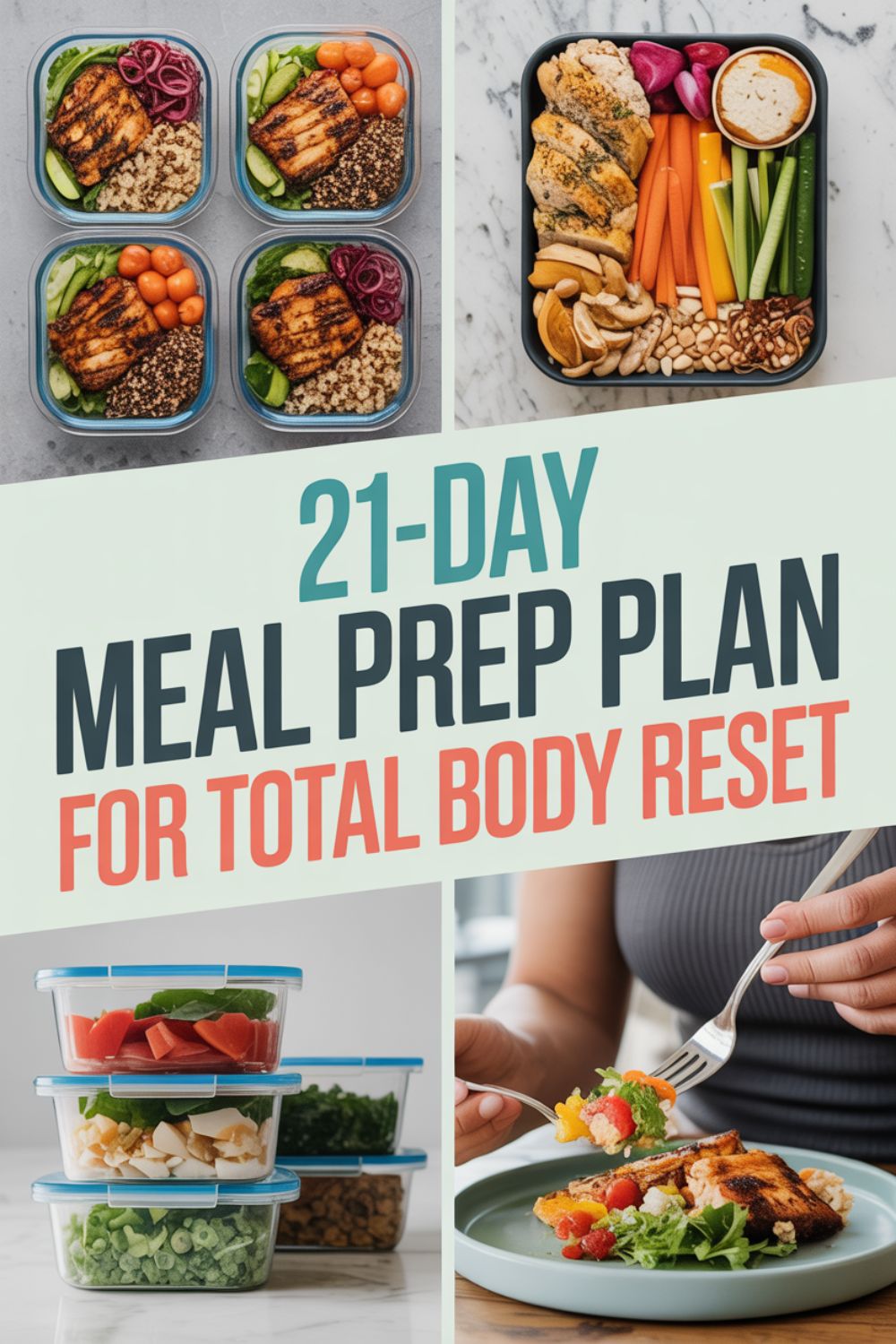
21-Day Meal Prep Plan for Total Body Reset
You know that feeling when you open the fridge at 6 PM and have absolutely no idea what to make for dinner? Yeah, we’ve all been there. You’re tired, hungry, and the last thing you want to do is figure out a meal from scratch. So you order takeout. Again.
Here’s the thing though—it doesn’t have to be this way. A solid meal prep plan changes everything. And I’m not talking about eating the same bland chicken and broccoli for seven days straight. I’m talking about a realistic, delicious 21-day reset that actually fits into your life.
This plan is designed to help you reset your eating habits, simplify your week, and finally break free from the takeout trap. Whether you’re trying to lose weight, build healthier habits, or just want to feel better in your body, these three weeks will set you up for long-term success. No fancy equipment needed. No complicated recipes. Just real food that works.
How This Total Body Reset Plan Works
This isn’t another restrictive diet that leaves you feeling deprived. According to the USDA’s 2025-2030 Dietary Guidelines, the best approach to nutrition is simple: eat real food. The latest guidelines emphasize whole, nutrient-dense foods while limiting highly processed options and added sugars.
Our 21-day plan follows this philosophy to the letter. You’ll be eating plenty of lean proteins, colorful vegetables, healthy fats, and whole grains. The Harvard Healthy Eating Plate recommends making half your plate vegetables and fruits, a quarter whole grains, and a quarter protein—which is exactly what we’ve built into each day.
What makes this plan different is the structure. Week one eases you in with simple, familiar meals. Week two introduces more variety and batch cooking techniques. Week three brings it all together with confidence-building recipes that prove you can actually enjoy healthy eating long-term.
The Science Behind the Reset
Research from Harvard Medical School shows that people who cook at home eat higher quality food, consume fewer calories, and have less weight gain over time compared to those who regularly eat prepared foods. Home cooking using whole ingredients has been linked to reduced risk of type 2 diabetes and other chronic diseases.
The key is meal preparation. When you prep ahead, you remove the decision fatigue that leads to poor food choices. You’re not standing in front of the fridge at 8 PM wondering what to eat. The work is already done. You just heat and enjoy.
Your Complete 21-Day Meal Plan
Each day is designed to deliver approximately 1,500-1,800 calories with balanced macros. Adjust portions based on your personal needs and activity level. All meals can be prepped ahead and stored for 3-4 days in the refrigerator.
Week 1: Foundation Building
Day 1
Layers of creamy Greek yogurt topped with fresh blueberries, sliced strawberries, crunchy almonds, and a sprinkle of chia for omega-3s.
Crisp romaine lettuce, herb-grilled chicken breast, roasted chickpeas for extra protein and fiber, shaved parmesan, and a light Caesar dressing.
Herb-crusted salmon fillet baked to perfection, served with garlic-roasted broccoli florets and fluffy quinoa seasoned with lemon and olive oil.
Two perfectly cooked hard-boiled eggs paired with fresh cucumber rounds and a pinch of sea salt.
Day 2
Fluffy eggs scrambled with bell peppers, spinach, and onions, served alongside lean turkey sausage and a slice of whole grain toast.
Whole wheat tortilla filled with sliced turkey breast, creamy hummus, fresh greens, tomato, and avocado slices.
Tender chicken pieces stir-fried with colorful bell peppers, snap peas, carrots, and broccoli in a light ginger-garlic sauce over brown rice.
Crisp apple wedges paired with natural almond butter for a satisfying sweet and protein-rich snack.
Day 3
Rolled oats soaked overnight with vanilla protein powder, topped with sliced banana, cinnamon, and a drizzle of honey.
Light tuna salad made with Greek yogurt instead of mayo, wrapped in crisp butter lettuce leaves with cherry tomatoes and cucumber.
Seasoned lean ground beef in corn tortillas, topped with black beans, fresh guacamole, pico de gallo, and a squeeze of lime.
Low-fat cottage cheese topped with fresh mixed berries and a sprinkle of ground flaxseed.
Day 4
Fluffy pancakes made with oat flour and protein powder, topped with fresh blueberries and a drizzle of sugar-free maple syrup.
Chickpeas tossed with cucumber, tomatoes, red onion, olives, and feta cheese, topped with grilled chicken strips and lemon-herb dressing.
Lemon-herb baked cod served with roasted asparagus spears and a medium baked sweet potato with cinnamon.
Blended protein powder with fresh spinach, banana, almond milk, and ice for a refreshing green smoothie.
Day 5
Three-egg omelet filled with sautéed spinach, mushrooms, and a sprinkle of cheese, served with toasted whole grain bread.
Ground chicken cooked with water chestnuts, ginger, and garlic, served in crisp lettuce cups with a side of brown rice.
Sautéed shrimp tossed with spiralized zucchini noodles and a homemade marinara sauce, topped with fresh basil and parmesan.
Steamed edamame pods lightly salted for a satisfying and protein-packed snack.
Day 6
Chia seeds soaked overnight in almond milk with vanilla protein powder, topped with sliced almonds and fresh mixed berries.
Grilled chicken breast over quinoa with roasted bell peppers, zucchini, and red onion, drizzled with tahini dressing.
Lean turkey meatballs served over roasted spaghetti squash strands with marinara sauce and fresh basil.
Part-skim mozzarella string cheese paired with fresh cherry tomatoes and a few whole grain crackers.
Day 7
Scrambled eggs over brown rice with black beans, salsa, avocado, and a dollop of Greek yogurt instead of sour cream.
Cubed raw salmon over sushi rice with edamame, cucumber, avocado, seaweed salad, and a drizzle of sriracha mayo.
Rosemary and thyme roasted chicken breast served with sautéed green beans and creamy garlic mashed cauliflower.
A quality protein bar paired with a handful of raw almonds for extra healthy fats and satisfaction.
Week 1 Prep Checklist
Sunday Prep Session (2 hours):
- Grill 4-5 chicken breasts and store in portions
- Hard-boil a dozen eggs for quick snacks
- Wash and chop all vegetables for the week
- Cook a large batch of quinoa and brown rice
- Prepare overnight oats in individual containers
- Mix Greek yogurt parfait ingredients (add fruit fresh)
Storage Tips: Use glass meal prep containers for better freshness. Label everything with dates. Store proteins on bottom shelf where it’s coldest.
Week 2: Building Momentum
Day 8
Light and fluffy pancakes made with cottage cheese and oats, topped with fresh sliced strawberries and a touch of honey.
Mixed greens topped with buffalo-spiced grilled chicken, cherry tomatoes, celery, and a sprinkle of blue cheese crumbles with ranch dressing.
Pan-seared tilapia with lemon and garlic, served alongside roasted Brussels sprouts and nutty wild rice pilaf.
Creamy hummus served with carrot sticks, bell pepper strips, and cucumber rounds for dipping.
Day 9
Thick smoothie bowl made with frozen berries and protein powder, topped with homemade granola, coconut flakes, and chia seeds.
Hearty turkey chili loaded with beans, tomatoes, and spices, served with a small piece of whole grain cornbread.
Seasoned chicken strips with sautéed peppers and onions over cauliflower rice, topped with salsa, guacamole, and Greek yogurt.
Plain Greek yogurt with a handful of walnuts and a drizzle of honey for healthy fats and protein.
Day 10
Fluffy egg white frittata loaded with spinach, tomatoes, and mushrooms, served with two slices of turkey bacon.
Mixed greens with grilled chicken, mandarin oranges, sliced almonds, and crispy wontons, tossed in sesame-ginger dressing.
Herb-crusted pork tenderloin roasted to perfection, served with colorful roasted carrots, parsnips, and sweet potatoes.
Light tuna salad served on thick cucumber slices for a low-carb, protein-rich snack.
Speaking of variety, if you’re looking for more inspiration, check out these 21 low-calorie meals that keep you full for additional options that work perfectly within this plan.
Day 11
Warm oatmeal stirred with protein powder and natural peanut butter, topped with sliced banana and a sprinkle of cinnamon.
Grilled chicken, crispy turkey bacon, avocado, tomato, and a touch of mayo wrapped in butter lettuce leaves.
Tender strips of lean beef in a savory ginger-garlic sauce with snap peas and green onions, served over brown rice.
Quick single-serving protein mug cake made in the microwave, topped with fresh berries.
Day 12
Whole grain bagel thin topped with light cream cheese, smoked salmon, red onion, capers, and cucumber slices.
Grilled chicken over mixed greens with chickpeas, cucumber, tomatoes, olives, feta, and homemade tzatziki sauce.
Colorful bell peppers stuffed with seasoned ground turkey, quinoa, tomatoes, and topped with melted cheese.
Crunchy roasted chickpeas seasoned with paprika and garlic powder for a satisfying savory snack.
Day 13
Baked egg muffins filled with bell peppers, spinach, and turkey sausage—perfect for grab-and-go mornings.
Grilled shrimp over mixed greens with avocado, corn, black beans, and a zesty lime-cilantro dressing.
Balsamic-glazed chicken breast served with a medley of roasted vegetables and nutty farro grain.
Deli turkey slices rolled with cheese sticks and dill pickle spears for a quick protein-packed snack.
Day 14
Whole grain toast spread with almond butter and topped with thin apple slices, paired with a vanilla protein shake.
Whole wheat pasta tossed with grilled chicken, cherry tomatoes, mozzarella, spinach, and basil pesto.
Glazed teriyaki salmon fillet served with colorful stir-fried vegetables and fluffy jasmine rice.
Creamy cottage cheese topped with fresh pineapple chunks for a sweet and protein-rich snack.
Week 2 Prep Checklist
Sunday Prep Session (2 hours):
- Prepare turkey chili in large batch for multiple meals
- Roast a variety of vegetables for the week
- Cook proteins: chicken breasts, salmon, and turkey
- Make breakfast egg muffins and freeze half
- Prep smoothie packs in freezer bags
- Batch cook grains: brown rice, quinoa, and farro
Mid-Week Refresh (Wednesday): Chop fresh vegetables, prep salad ingredients, marinate proteins for Thursday-Sunday meals.
If you’re enjoying the meal prep approach, you’ll love this 7-day meal prep plan for busy women that shares similar time-saving strategies.
Week 3: Mastering the Reset
Day 15
Whole grain bread dipped in egg whites and protein powder, pan-fried and topped with fresh berries and a dollop of Greek yogurt.
Mixed greens topped with BBQ-seasoned chicken, sweet corn, black beans, tomatoes, and a ranch-BBQ dressing blend.
Succulent shrimp sautéed in garlic butter served over spiralized zucchini with burst cherry tomatoes and fresh basil.
No-bake energy balls made with oats, protein powder, peanut butter, and dark chocolate chips.
Day 16
Scrambled eggs with black beans, diced bell peppers, onions, and topped with fresh salsa and avocado.
Seasoned ground chicken with water chestnuts and green onions served in butter lettuce cups with brown rice on the side.
Thick-cut pork chops coated in herb breadcrumbs, served with creamy mashed sweet potato and sautéed green beans.
Vanilla protein powder blended with frozen mixed berries, spinach, and almond milk.
Day 17
Warm quinoa topped with a fried egg, sliced avocado, cherry tomatoes, and a sprinkle of feta cheese.
Whole wheat wrap filled with grilled chicken, fresh mozzarella, tomatoes, basil, and drizzled with balsamic glaze.
Sweet and tangy honey-lime glazed salmon served with crispy roasted Brussels sprouts and nutty wild rice.
Two hard-boiled eggs sprinkled with everything bagel seasoning for a flavorful protein snack.
Day 18
Homemade protein-packed banana muffins served with a side of almond butter for extra protein and healthy fats.
Ground turkey seasoned with Italian herbs over quinoa with fresh spinach, sun-dried tomatoes, and pine nuts.
Juicy chicken thighs marinated in lemon and herbs, served with golden roasted cauliflower and nutty farro.
Frozen Greek yogurt bark topped with mixed berries and a drizzle of honey—a healthy dessert-like snack.
Day 19
Baked egg cups loaded with vegetables and cheese, served alongside lean turkey sausage links.
Grilled chicken souvlaki over brown rice with a fresh Greek salad, olives, feta, and creamy tzatziki sauce.
Delicate halibut fillet baked with lemon and dill, served with roasted asparagus and crispy fingerling potatoes.
Half an avocado filled with light tuna salad made with Greek yogurt, perfect for a filling snack.
Day 20
Creamy cottage cheese topped with crunchy granola, fresh peach slices, and a sprinkle of cinnamon.
Tender lean beef strips stir-fried with broccoli in a savory sauce, served over fluffy brown rice.
Simply seasoned grilled chicken breast with a colorful array of roasted vegetables and fluffy quinoa.
Chocolate protein powder mixed with cold milk for a satisfying and nostalgic protein-rich drink.
For more grab-and-go options that fit this plan perfectly, explore these 21 grab-and-go weight loss meals that make busy days easier.
Day 21
Homemade protein waffles topped with almond butter, sliced banana, and a drizzle of pure maple syrup.
Mixed greens with tuna, chickpeas, cucumber, tomatoes, olives, feta cheese, and lemon-oregano dressing.
Perfectly grilled lean steak served with roasted sweet potato wedges and grilled asparagus—you’ve earned this!
Protein powder mixed into a pudding consistency, topped with fresh mixed berries for a sweet treat.
Week 3 Prep Checklist
Sunday Prep Session (2 hours):
- Grill multiple proteins: chicken, steak, and fish
- Bake egg cups and protein muffins for quick breakfasts
- Prep smoothie ingredients in individual freezer bags
- Roast a large batch of mixed vegetables
- Make protein energy balls and refrigerate
- Cook grains and portion into containers
Congratulations! You’ve completed 21 days. Take a moment to reflect on how far you’ve come and which meals you enjoyed most.
What You’ll Eat: High-Level Overview
This plan is built around whole, nutrient-dense foods that keep you satisfied and energized throughout the day. You’re not counting every calorie or obsessing over macros. Instead, you’re focusing on quality ingredients that naturally support your health goals.
Protein Sources
Each day delivers approximately 100-120 grams of protein from varied sources. You’ll eat chicken breast, turkey, lean beef, fish like salmon and tilapia, eggs, Greek yogurt, cottage cheese, and plant-based options like chickpeas and edamame. This variety ensures you’re getting all essential amino acids while keeping meals interesting.
The Harvard School of Public Health recommends getting protein from diverse sources rather than relying on just one or two. They emphasize that plant proteins combined with lean animal proteins create the healthiest dietary pattern.
Complex Carbohydrates
You’ll be eating plenty of whole grains like quinoa, brown rice, farro, and oats. These complex carbs provide sustained energy without blood sugar spikes. Sweet potatoes, butternut squash, and other starchy vegetables add variety and extra nutrients like beta-carotene and potassium.
Unlike restrictive low-carb diets, this plan recognizes that your body needs carbohydrates to function optimally. The key is choosing the right kinds in appropriate portions.
Healthy Fats
Avocados, nuts, seeds, olive oil, and fatty fish provide essential omega-3 and omega-6 fatty acids. These fats support brain health, reduce inflammation, and help you absorb fat-soluble vitamins like A, D, E, and K. They also keep you feeling full between meals.
Don’t fear fat. Your body needs it. According to the National Heart, Lung, and Blood Institute, healthy dietary fats are essential components of a balanced diet and should make up about 25-35% of your total daily calories.
Vegetables and Fruits
Every day includes 5-7 servings of vegetables and 2-3 servings of fruit. Leafy greens, cruciferous vegetables like broccoli and Brussels sprouts, colorful bell peppers, tomatoes, and berries provide fiber, vitamins, minerals, and antioxidants that support overall health.
Meal Prep & Kitchen Setup That Makes Life Easy
The secret to sticking with any meal plan is making it as easy as possible. You need the right tools and a smart prep strategy that doesn’t consume your entire weekend.
Essential Kitchen Equipment
You don’t need a fancy kitchen to succeed with this plan, but a few key items make everything smoother. Invest in quality glass meal prep containers with secure lids—they’re microwave-safe, don’t stain, and last for years. A good food scale helps with portion control if you want to track macros precisely.
A sheet pan or two lets you roast proteins and vegetables simultaneously. Get a reliable instant-read thermometer to ensure proteins are cooked safely. A high-speed blender makes smoothies and protein shakes effortless.
The Two-Hour Sunday Strategy
Sunday afternoons are your meal prep power hour. Dedicate two focused hours to batch cooking and you’ll set yourself up for success all week. Start by cooking your grains—quinoa, brown rice, and farro all cook hands-off while you prep other things.
While grains cook, season and grill or bake 4-5 chicken breasts. Hard-boil a dozen eggs. Wash and chop all vegetables for the week, storing them in these airtight produce containers to keep them fresh longer. Roast a big pan of mixed vegetables with olive oil, salt, and pepper.
The goal isn’t to cook every single meal. You’re creating building blocks that make weeknight cooking faster. Pre-cooked chicken turns into salads, wraps, and bowls. Chopped vegetables go straight into scrambles, stir-fries, and side dishes.
Storage and Food Safety
Most cooked proteins stay fresh in the refrigerator for 3-4 days. The FDA recommends storing cooked foods at 40°F or below and reheating to 165°F. Label everything with prep dates using these erasable labels.
Store proteins on the bottom shelf where temperature is most consistent. Keep vegetables in crisper drawers. Use the door for condiments and non-perishables only—temperature fluctuates too much there for dairy and eggs.
If you prep for the full week, freeze meals for days 5-7. They’ll stay fresher and you’ll have variety. Just move them to the fridge the night before you plan to eat them.
Meal Prep Essentials Used in This Plan
Glass Meal Prep Containers (Set of 10)
These leak-proof glass containers are perfect for storing prepped meals. They’re microwave, dishwasher, and freezer safe. The snap-lock lids ensure nothing spills in your bag.
Digital Food Scale
Takes the guesswork out of portions. Measures in grams and ounces with precision. Compact design stores easily in a drawer.
Stainless Steel Sheet Pans
Heavy-duty pans that won’t warp in the oven. Perfect for roasting vegetables and proteins simultaneously. The rimmed edges prevent spills.
21-Day Reset Meal Planner PDF
Printable shopping lists, prep checklists, and tracking sheets for this entire plan. Makes execution simple and organized.
Protein-Packed Breakfast Guide
50+ high-protein breakfast recipes with macros calculated. Perfect for mixing up your morning routine while staying on track.
Meal Prep Mastery Video Course
Step-by-step video tutorials showing exactly how to batch cook, store, and reheat meals efficiently. Includes time-saving techniques from professional meal preppers.
Common Mistakes That Kill Results
Let’s talk about the pitfalls that derail most people when they try to meal prep. I’ve seen these mistakes over and over—and I’ve made plenty of them myself.
Overcomplicating Everything
The biggest mistake is trying to make every meal Instagram-worthy. You’re not running a restaurant. Simple, well-seasoned chicken with roasted vegetables and quinoa is perfectly fine. In fact, it’s ideal. You can eat similar meals several days in a row if they taste good and satisfy you.
Don’t feel pressured to cook 21 completely different elaborate meals. Build around 8-10 core recipes and rotate them. Use different seasonings and sides to create variety without starting from scratch every time.
Not Seasoning Your Food Properly
This is why so many people think healthy food is boring. A plain grilled chicken breast is sad. That same chicken seasoned with garlic, paprika, cumin, and a squeeze of lemon is delicious. Salt, pepper, herbs, and spices have zero calories but make everything taste better.
Build a collection of quality spice blends—Italian seasoning, taco seasoning, everything bagel seasoning, garlic powder, smoked paprika. These transform simple proteins into crave-worthy meals.
Skipping the Prep Work
Here’s what happens when you don’t prep: Monday you’re motivated and cook a healthy dinner. Tuesday you’re tired and order pizza. Wednesday you feel guilty and cook again. Thursday the leftovers are questionable. Friday you give up entirely.
The solution is committing to that Sunday prep session. It’s two hours that save you 5-10 hours during the week. Put it in your calendar like any important appointment. Protect that time.
Forgetting to Track What Works
Keep notes on which meals you loved and which ones were just okay. After 21 days, you’ll have clear favorites that you can rotate regularly. This becomes your personal meal blueprint that you can follow indefinitely without getting bored.
Use a simple notebook or the notes app on your phone. Write down meals that were quick to make, tasted great, and kept you full. Those are the keepers.
Customizing This Plan for Your Lifestyle
This 21-day plan is a framework, not a prison sentence. You should absolutely adjust it based on your preferences, schedule, and goals. Here’s how to make it work for your unique situation.
Adjusting Calories for Your Goals
The base plan delivers approximately 1,500-1,800 calories daily. If you’re very active or trying to build muscle, add more protein and carbs. An extra serving of quinoa, another chicken breast, or a post-workout protein shake easily bumps you to 2,000-2,200 calories.
For faster fat loss, reduce portions slightly or skip one of the snacks. Just don’t go below 1,200 calories without medical supervision. Your body needs sufficient fuel to function properly.
If you’re following a different calorie target, check out these related plans: 7-day 1200-calorie meal plan for aggressive weight loss, or this 14-day calorie deficit meal plan for women for steady progress.
Vegetarian and Vegan Modifications
Replace animal proteins with tofu, tempeh, seitan, legumes, or plant-based protein alternatives. Swap Greek yogurt for coconut or almond-based yogurt. Use nutritional yeast instead of cheese for a savory, cheesy flavor.
You’ll want to pay extra attention to getting complete proteins by combining different plant sources. Beans with rice, hummus with whole grain pita, and quinoa with nuts all provide complete amino acid profiles.
Time-Saving Shortcuts
Running short on time? Buy pre-washed salad greens, pre-cut vegetables, and rotisserie chicken from the grocery store. Yes, they cost more, but they’re still cheaper and healthier than takeout. Use this vegetable chopper to cut prep time in half.
A slow cooker or Instant Pot can handle entire meals while you’re at work. Throw in chicken, vegetables, and broth in the morning, come home to a ready-to-eat dinner.
For more time-saving ideas, these 30 no-reheat weight loss lunches are perfect for busy professionals who don’t have access to a microwave.
Dining Out and Social Events
Life happens. Birthday dinners, work lunches, weekend brunches—you shouldn’t skip these just because you’re following a meal plan. The goal is building sustainable habits, not isolating yourself.
When eating out, look for grilled proteins, vegetable sides, and salads with dressing on the side. Most restaurants will accommodate simple requests. Skip the bread basket. Drink water. Enjoy your meal without guilt or overthinking.
One off-plan meal won’t ruin your progress. It’s the pattern that matters, not individual meals. Get back to your regular routine with the next meal.
Tools & Resources That Make Cooking Easier
High-Speed Blender
Makes smoothies, protein shakes, and sauces in seconds. Powerful enough to crush ice and frozen fruit. Easy to clean and built to last years.
Instant-Read Thermometer
Takes the guesswork out of cooking proteins. Get perfectly cooked chicken, fish, and meat every time without overcooking.
Herb Scissors
Five-blade scissors that chop fresh herbs in seconds. Way faster than using a knife and cutting board. Dishwasher safe.
Macro Tracking App Guide
Simple tutorial on using MyFitnessPal and other tracking apps effectively. Learn how to log meals quickly and accurately.
Meal Prep Container Organization System
PDF guide showing exactly how to organize your fridge and containers for maximum efficiency. Includes labeling strategies and rotation schedules.
Budget-Friendly Grocery Shopping Guide
Learn how to meal prep healthy foods on a tight budget. Includes store comparison charts and money-saving tips from nutrition experts.
Looking for more comprehensive guidance? This 30-day weight loss meal plan extends these principles for an entire month of meals.
What Real People Are Saying
Sarah from Austin followed this plan and lost 11 pounds in three weeks. More importantly, she said she finally felt in control of her eating. No more 7 PM panic about what to make for dinner. No more takeout three times a week. She kept many of these meals in her regular rotation even after the 21 days ended.
Mike appreciated how the plan included real food his whole family would eat. His kids didn’t even realize they were eating “health food”—they just knew dinner tasted good. He modified portions to fit his higher calorie needs and saw his energy levels stabilize throughout the day.
The common theme in feedback is that people love having a clear framework without feeling restricted. You’re not eliminating entire food groups or surviving on 1,200 calories of celery sticks. You’re eating satisfying, delicious meals that happen to support your health goals.
Frequently Asked Questions
Can I swap meals between days or weeks?
Absolutely. The days are organized to provide variety, but there’s no magic to the specific order. If you prefer Day 14’s meals over Day 3’s meals, go for it. The important part is eating balanced, whole-food meals consistently.
What if I don’t like certain foods on the plan?
Swap them out for something similar. Don’t like salmon? Use any other fish, chicken, or tofu. Can’t stand Brussels sprouts? Roast broccoli, cauliflower, or green beans instead. The specific foods matter less than the overall pattern of eating lean proteins, vegetables, whole grains, and healthy fats.
Do I have to prep everything on Sunday?
No, but it makes life significantly easier. If Sunday doesn’t work, pick another day. Some people split it between Sunday and Wednesday. Do whatever fits your schedule, but commit to at least one dedicated prep session per week.
Is this plan suitable for weight loss?
Yes, most people will lose weight following this plan because you’re eating whole foods in appropriate portions without processed junk. The exact amount depends on your starting weight, activity level, and how closely you follow the portions. For more targeted weight loss approaches, check out this 21-day weight loss meal prep plan.
Can I follow this plan if I work out regularly?
Definitely. If you’re very active, increase portion sizes or add extra snacks to meet your higher calorie needs. Focus on having a protein-rich snack within 30-60 minutes after strength training. A protein shake, Greek yogurt, or cottage cheese all work perfectly.
Your Next 21 Days Start Now
You have everything you need. A complete meal plan. Shopping lists built in. Prep strategies that actually work. The only thing left is to start.
Pick a start date. Block out two hours for your first prep session. Buy your groceries. Then just follow the plan one day at a time. Don’t overthink it. Don’t try to make it perfect. Just show up consistently and let the process work.
These 21 days won’t magically solve every eating challenge you’ve ever had. But they will give you momentum. They’ll prove that healthy eating doesn’t have to be complicated or miserable. They’ll show you that with a little planning, you can actually enjoy nutritious food that supports your goals.
Three weeks from now, you’ll have new habits, more energy, and the confidence that comes from keeping a commitment to yourself. That’s the real reset. Not just what you eat, but how you approach food and your relationship with it.
Now stop reading and start prepping. Your future self will thank you.