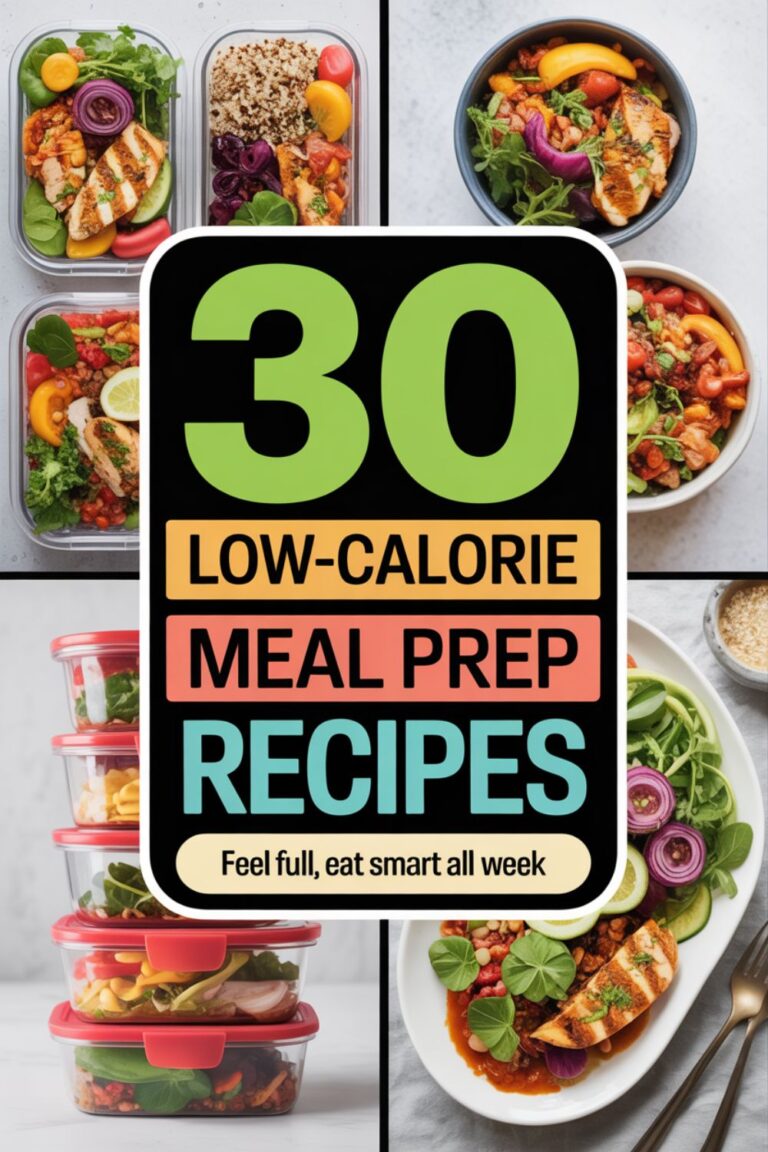
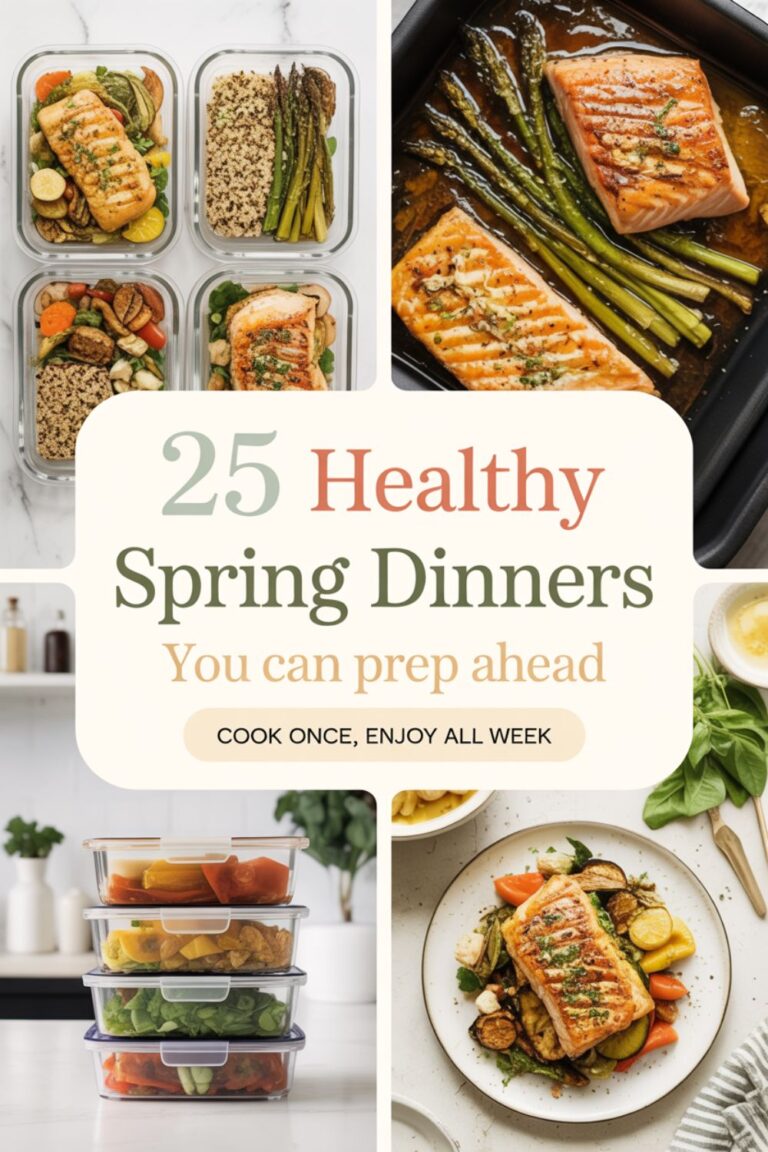
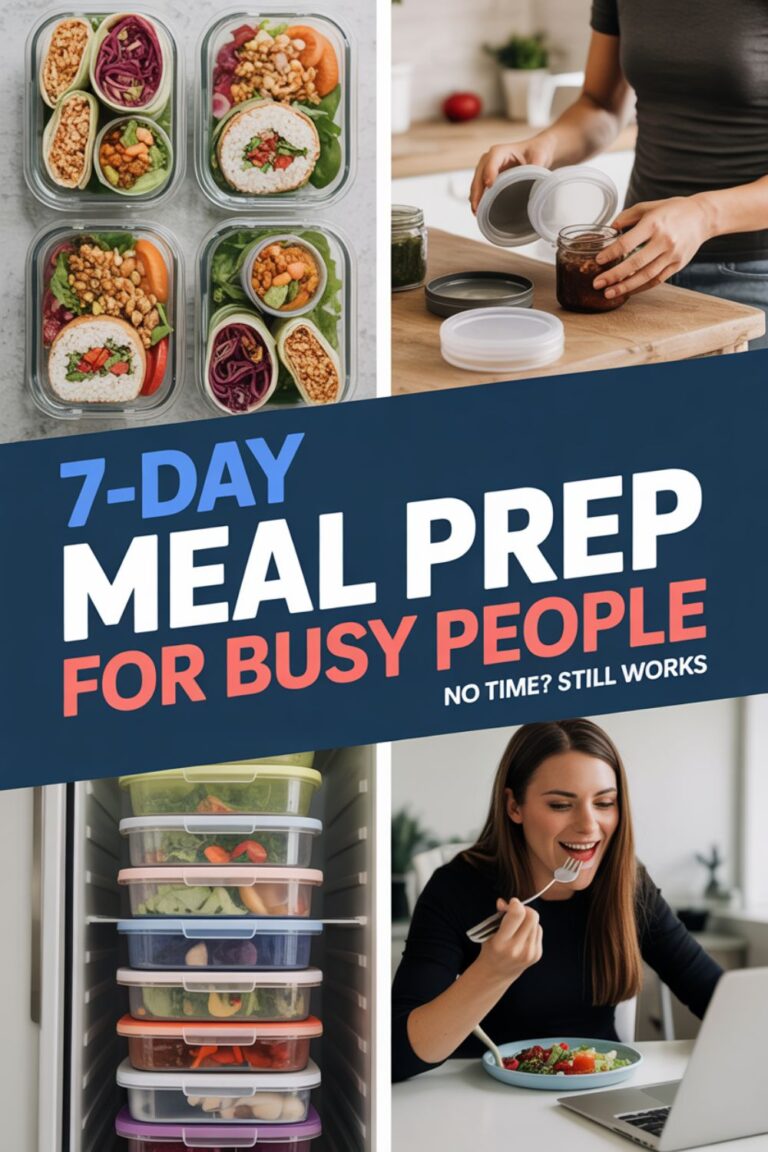
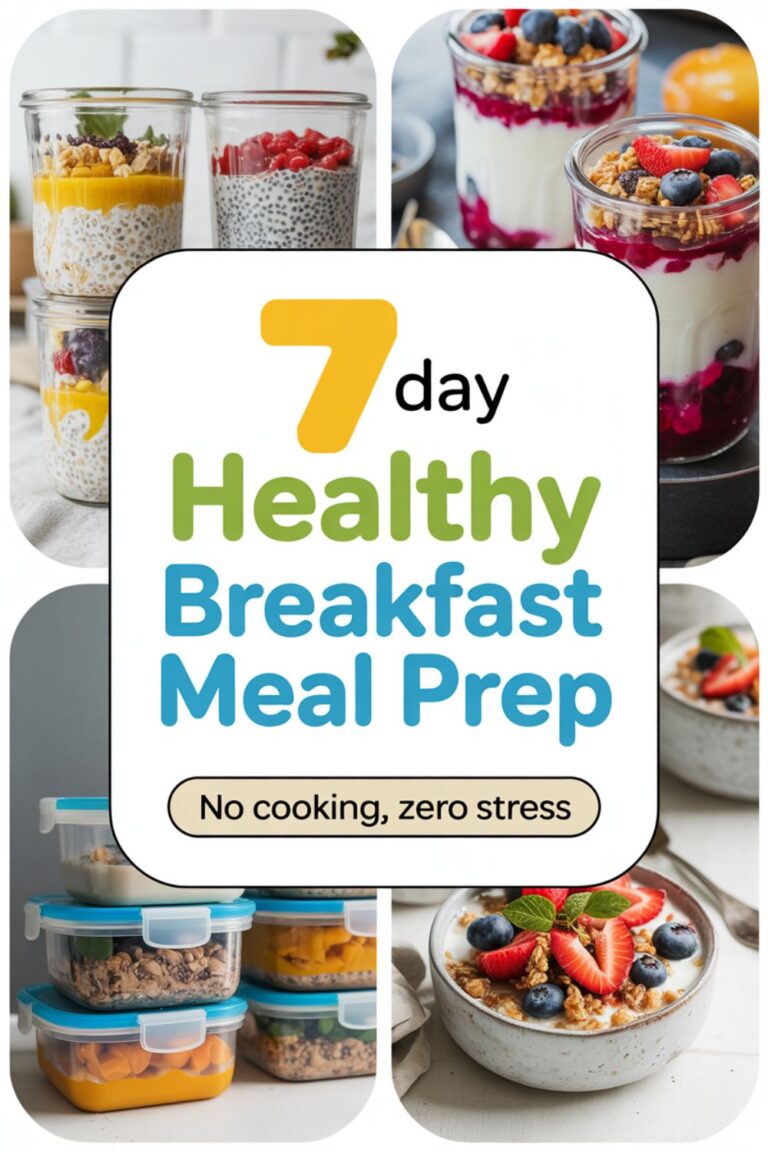
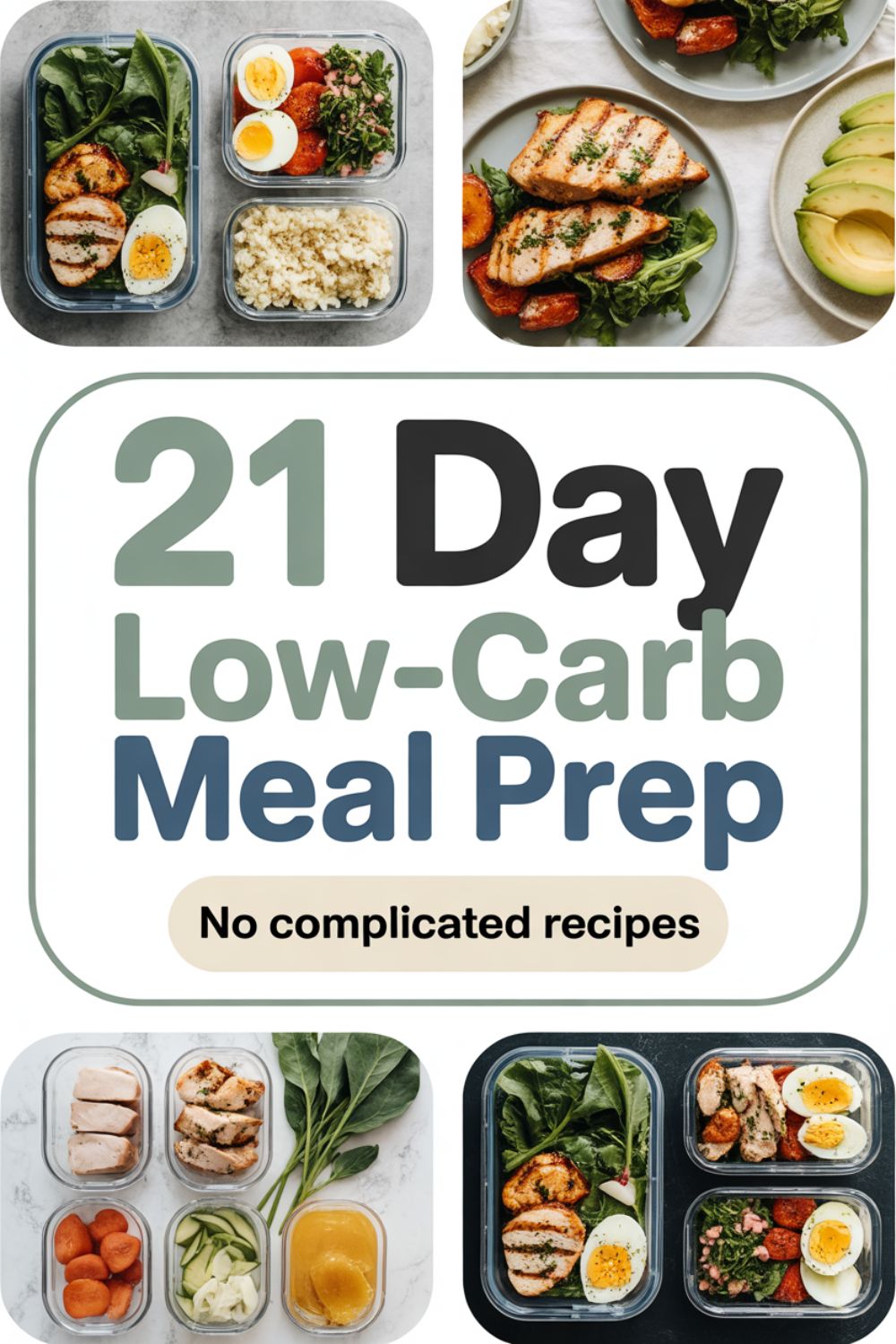
21-Day Low-Carb Meal Prep Without Complicated Recipes
Look, I get it. You’ve probably tried going low-carb before and ended up staring at complicated recipes with seventeen ingredients you’ve never heard of, wondering if this is really worth the effort. Spoiler alert: it doesn’t have to be that way.
The truth is, low-carb meal prep can be dead simple if you know what you’re doing. I’m talking about three-ingredient dinners, breakfast you can grab from the fridge without thinking, and lunches that actually taste good on day four. No culinary degree required.
After doing this for years, I’ve learned that the secret isn’t finding more recipes—it’s finding the right system. One that doesn’t leave you exhausted on Sunday night or eating sad desk salads by Wednesday. This 21-day approach breaks everything down into manageable chunks, using ingredients that work multiple ways and techniques that won’t stress you out.
Why 21 Days Makes Perfect Sense
Three weeks isn’t random—it’s actually the sweet spot for building a habit without burning out. You’re not committing to some forever thing that feels overwhelming, and it’s long enough to see real results.
Most people notice changes within the first week. Better energy, less bloating, maybe a few pounds down. By week two, you’re not constantly thinking about what to eat because you’ve got your system. Week three? That’s when it clicks and feels automatic.
Research from Harvard’s Nutrition Source shows that low-carb diets can be effective for weight loss and improving cardiovascular health markers, especially when they emphasize quality proteins and healthy fats over processed foods. The key is making it sustainable, which is exactly what meal prep helps you do.
The Beauty of Simple Low-Carb Ingredients
Forget about buying specialty flours and weird sweeteners you’ll use once. The backbone of easy low-carb eating is stuff you already know: proteins, vegetables, and healthy fats.
I’m talking chicken thighs (way more forgiving than breasts), ground beef, eggs for days, and whatever fish is on sale. Add in your standard vegetables—broccoli, cauliflower, zucchini, peppers, leafy greens—and you’re basically set.
What Actually Goes in Your Cart
Here’s what I buy every single week, no exceptions:
- Proteins: Chicken thighs, ground turkey or beef, eggs (at least two dozen), salmon or white fish
- Vegetables: Spinach, broccoli, cauliflower, bell peppers, zucchini, cherry tomatoes, mixed salad greens
- Fats: Avocados, olive oil, butter, cheese (cheddar and mozzarella), nuts and seeds
- Pantry staples: Garlic, onions, your favorite spices, chicken broth, canned tomatoes
Notice what’s not on there? Anything that requires a food processor or three hours of active cooking time. We’re keeping this realistic.
When it comes to choosing between similar ingredients, the debate is real. Take almond butter versus peanut butter—both work great in low-carb eating, but almond butter has slightly fewer carbs and more vitamin E. That said, if you hate almonds, just stick with peanut butter. The difference won’t make or break your results, and actually eating the food matters more than optimizing every single choice.
Meal Prep Essentials Used in This Plan
These are the tools and ingredients that make this whole system work without driving you crazy:
Physical Products:
- Glass meal prep containers with compartments – I swear by these for keeping different foods separate without needing seventeen containers. No more soggy everything.
- Digital kitchen scale – Not to be obsessive, just to actually know your portions. Makes tracking way easier if that’s your thing.
- Instant-read meat thermometer – Because nobody wants overcooked chicken or, worse, undercooked chicken. This little gadget removes all guesswork.
Digital Resources:
- 21-Day Low-Carb Meal Plan PDF – Complete shopping lists, prep schedules, and simple recipes all mapped out
- Macros tracking spreadsheet – If you want to track your numbers without downloading yet another app
- Low-Carb Swaps Guide – Because sometimes you just want pasta, and knowing about zucchini noodles earlier would’ve been nice
Week One: Getting Your System Down
The first week is all about not overwhelming yourself. You’re learning what works in your kitchen, with your schedule, and for your taste buds.
Start with just two breakfast options you rotate. Maybe that’s scrambled eggs with spinach and cheese one day, Greek yogurt with nuts the next. Boring? Maybe. Effective? Absolutely.
The Two-Hour Sunday Prep
This is where the magic happens. Set aside two hours (really more like 90 minutes once you get the hang of it) and knock out most of your week.
First, get your proteins going. I usually roast a whole pan of chicken thighs at 400°F—just season with salt, pepper, garlic powder, and call it good. While that’s cooking, brown some ground beef with taco seasoning. Now you’ve got protein for days that works in multiple dishes.
Next up, vegetables. Roast a bunch at once on separate sheet pans: broccoli with olive oil and garlic, cauliflower with curry powder, bell peppers and onions. Use silicone baking mats for these—zero sticking, zero scrubbing later. Life-changing, honestly.
While everything’s in the oven, hard-boil a dozen eggs. These are your emergency snacks, your quick breakfast add-on, your “I forgot to plan lunch” salvation.
For more morning inspiration beyond basic eggs, you might want to try some high-protein breakfast bowls or check out this Mediterranean breakfast skillet that uses similar ingredients you’re already prepping.
Making It Through Week Two Without Getting Bored
By week two, you’ve got the basics down. Now it’s about adding variety without adding complexity.
This is where sauces become your best friend. The same grilled chicken tastes completely different with pesto versus a quick lemon-butter sauce versus just hot sauce and ranch. I keep about five different bottles in my fridge and rotate through them.
Also, this is when you start getting creative with vegetables. Cauliflower rice one day, mashed cauliflower the next, roasted cauliflower the day after. Same vegetable, totally different vibe.
The Leftover Remix Strategy
Here’s where meal prep gets fun instead of repetitive. Take Monday’s taco-seasoned ground beef. Tuesday, it goes into a salad with cheese and salsa. Wednesday, mix it with scrambled eggs for breakfast. Thursday, stuff it into bell peppers with cheese on top.
Same base ingredient, four completely different meals. And none of them required you to cook from scratch on a weeknight when you’re exhausted.
If you’re into Mexican flavors, the low-carb burrito bowl works perfectly with this approach. Speaking of variety, I’ve also had great luck with sheet pan chicken fajitas—everything cooks together, minimal cleanup, maximum flavor.
According to StatPearls’ review of low-carb diets, the approach is effective for weight management when it emphasizes whole foods and includes adequate protein, which is exactly what this meal prep strategy delivers.
Week Three: You’re Basically a Pro Now
By the third week, something cool happens. You stop following the plan religiously and start adapting it to what you actually want to eat. That’s the goal—not to be dependent on a meal plan forever, but to build the skills to make it work for you.
You know which proteins you like, which vegetables you’ll actually eat, and how much food you need to prep to get through your week. Maybe you’ve even started batch-cooking on both Sunday and Wednesday to keep things fresher.
Dealing with Social Situations
Real talk: someone’s going to invite you to dinner or suggest getting lunch during these three weeks. You don’t have to be weird about it.
Most restaurants have something low-carb friendly. Get the burger without the bun, ask for extra vegetables instead of rice, order the chicken Caesar and skip the croutons. It’s not complicated, and you don’t need to announce to everyone that you’re “doing low-carb.”
That said, having your meals prepped makes it way easier to politely decline random food pushers at the office. When you’ve already got a great lunch waiting, that sad birthday cake in the break room loses its appeal.
The Dairy Debate and Plant-Based Swaps
Not everyone does well with dairy, even though it’s low-carb. If you’re lactose intolerant or just feel better without it, there are plenty of swaps.
Coconut milk works great in coffee and smoothies. Nutritional yeast gives you that cheesy flavor without actual cheese. And honestly, sometimes you just don’t need the dairy at all—a good piece of salmon doesn’t require cheese on top to be satisfying.
For plant-based folks, the same meal prep principles apply. Swap the chicken for tofu or tempeh, use lots of nuts and seeds for fat and protein, and load up on vegetables. The system works either way.
Research published in Frontiers in Nutrition confirms that well-constructed lower-carbohydrate eating patterns can be safe and effective for most people, whether they include animal products or not.
Tools & Resources That Make Cooking Easier
These aren’t essential, but they’ve saved me so much time and frustration:
Kitchen Tools:
- Sharp chef’s knife and honing steel – Because chopping vegetables with a dull knife is miserable and dangerous. A good knife makes prep almost enjoyable.
- Large stainless steel mixing bowls – For mixing marinades, tossing salads, and just general meal prep organization. Get the ones that nest inside each other.
- Vegetable spiralizer – Turns zucchini into noodles in about thirty seconds. Way better than trying to do it with a vegetable peeler like I did for way too long.
Planning Resources:
- Printable weekly meal planning template – Sometimes old school pen and paper beats apps. Stick it on your fridge.
- Low-carb ingredient substitution chart – For when you want to make a regular recipe low-carb
- Macro calculator and tracking guide – Takes the guesswork out of portions if you’re into tracking
Join our WhatsApp community for daily meal prep tips, recipe ideas, and support from others doing the same thing. Sometimes you just need to know you’re not the only one meal prepping on a Sunday night.
Common Mistakes That’ll Trip You Up
Let’s talk about what doesn’t work, because I’ve done all of it.
Mistake number one: Prepping way too much food that goes bad before you can eat it. Start smaller than you think you need. You can always prep more mid-week if you run out.
Mistake number two: Making everything the same flavor profile. If every single thing you prepped tastes like Italian seasoning, you’re going to be sick of it by Wednesday. Vary your seasonings across different proteins and vegetables.
Mistake number three: Not investing in decent containers. Those flimsy takeout containers leak, don’t stack well, and make your food taste like plastic. Get proper glass containers with locking lids—they’re worth every penny.
The Food Safety Reality Check
Nobody wants to talk about this, but food safety matters when you’re eating meal-prepped food four days later.
According to Harvard’s meal prep guidelines, cooked proteins stay good for 3-4 days in the fridge. If you’re prepping for a full week, freeze half and thaw it midweek. It’s not complicated, but it matters.
Get your food into the fridge within two hours of cooking. Use shallow containers so everything cools down quickly. And trust your nose—if something smells off, it’s not worth the risk.
I use these awesome reusable labels for dating everything. Write the date with a dry-erase marker, wash it off, use it again. Saves you from playing “guess when I cooked this.”
What Happens After 21 Days
Here’s the thing nobody tells you: the 21 days isn’t really the goal. It’s just long enough to build the habit so you can keep going without thinking about it so hard.
After three weeks, most people naturally continue because it’s easier than going back to winging it every day. You’ve got your system, your favorite recipes, your shopping routine. It’s just what you do now.
Some people stay strict low-carb. Others add back some healthy carbs on workout days or weekends. The skills you’ve built—planning, prepping, cooking simple meals—work for any eating style.
Looking for ways to keep the momentum going? These one-pan low-carb dinners and quick low-carb lunches are perfect for when you want to keep things simple but switch up the flavors.
Budget-Friendly Meal Prep Hacks
Low-carb doesn’t have to mean expensive, despite what the internet might tell you.
Buy whatever protein is on sale. Chicken thighs are usually cheaper than breasts anyway, and they taste better. Ground beef or turkey goes on sale constantly. Eggs are still one of the cheapest proteins out there.
For vegetables, buy what’s in season. It’s cheaper and tastes better. Frozen vegetables work great too—often they’re cheaper and more convenient than fresh. Nobody’s judging you for using frozen broccoli.
Skip the fancy “low-carb” branded products. You don’t need special bread or pasta. Just eat real food. That’s the whole point.
Making the Most of Your Time
Time is money, right? The beauty of this system is that you’re trading two hours on Sunday for about ten hours of weeknight cooking time saved.
While things are roasting in the oven, I’m usually doing other stuff. Answering emails, folding laundry, watching Netflix. It’s not like you’re standing there stirring something for two hours straight.
And honestly, once you get fast at chopping vegetables and know your oven timing, the active work part is maybe 45 minutes. The rest is just waiting for things to cook while you do literally anything else.
Frequently Asked Questions
How long does meal-prepped food actually stay good?
Most cooked proteins and vegetables stay fresh for 3-4 days in the fridge when stored properly in airtight containers. If you’re prepping for a full week, freeze half your portions and thaw them midweek. Always store food within two hours of cooking and keep your fridge at or below 40°F.
Do I have to eat the same thing every day?
Absolutely not. The key is prepping versatile ingredients that work in multiple dishes, not making the same meal seven times. Cook plain proteins and vegetables, then mix up the seasonings and combinations throughout the week. Same ingredients, completely different meals.
What if I don’t have time for a full two-hour Sunday prep?
Split it up. Do an hour on Sunday, another hour on Wednesday. Or just prep your proteins one day and vegetables another. The system is flexible—make it work for your schedule, not the other way around.
Can I really lose weight eating this much fat?
Yes, when you’re keeping carbs low, your body shifts to using fat for fuel instead of glucose. The key is choosing quality fats from whole foods like avocados, nuts, olive oil, and fatty fish rather than processed junk. Focus on real food and appropriate portions, and the fat isn’t an issue.
What’s the difference between low-carb and keto?
Low-carb is generally under 130 grams of carbs per day, while keto is typically under 50 grams to maintain ketosis. This meal prep approach works for either—just adjust your vegetable portions and add or skip things like berries or nuts based on your goals. You don’t need to be in ketosis to see results from low-carb eating.
Final Thoughts: Just Start Simple
Here’s what I wish someone had told me when I started: you don’t need to be perfect. You don’t need every container to be Instagram-worthy. You don’t need to follow the plan exactly.
Just start with one week. Pick a few simple proteins and vegetables you actually like. Prep them on Sunday. Eat them during the week. See how it feels.
If it works, do it again next week. If something didn’t work, adjust it. Maybe you need more variety, or maybe you actually prefer eating the same breakfast every day. There’s no wrong answer.
The goal isn’t to meal prep forever—it’s to make healthy eating easier right now, today, this week. Everything else is just details.
And honestly? Once you get the hang of this, you’ll wonder why you ever stressed about “what’s for dinner” in the first place. Having that sorted three weeks in advance feels pretty damn good.