Build Your Perfect Meal Prep Plan
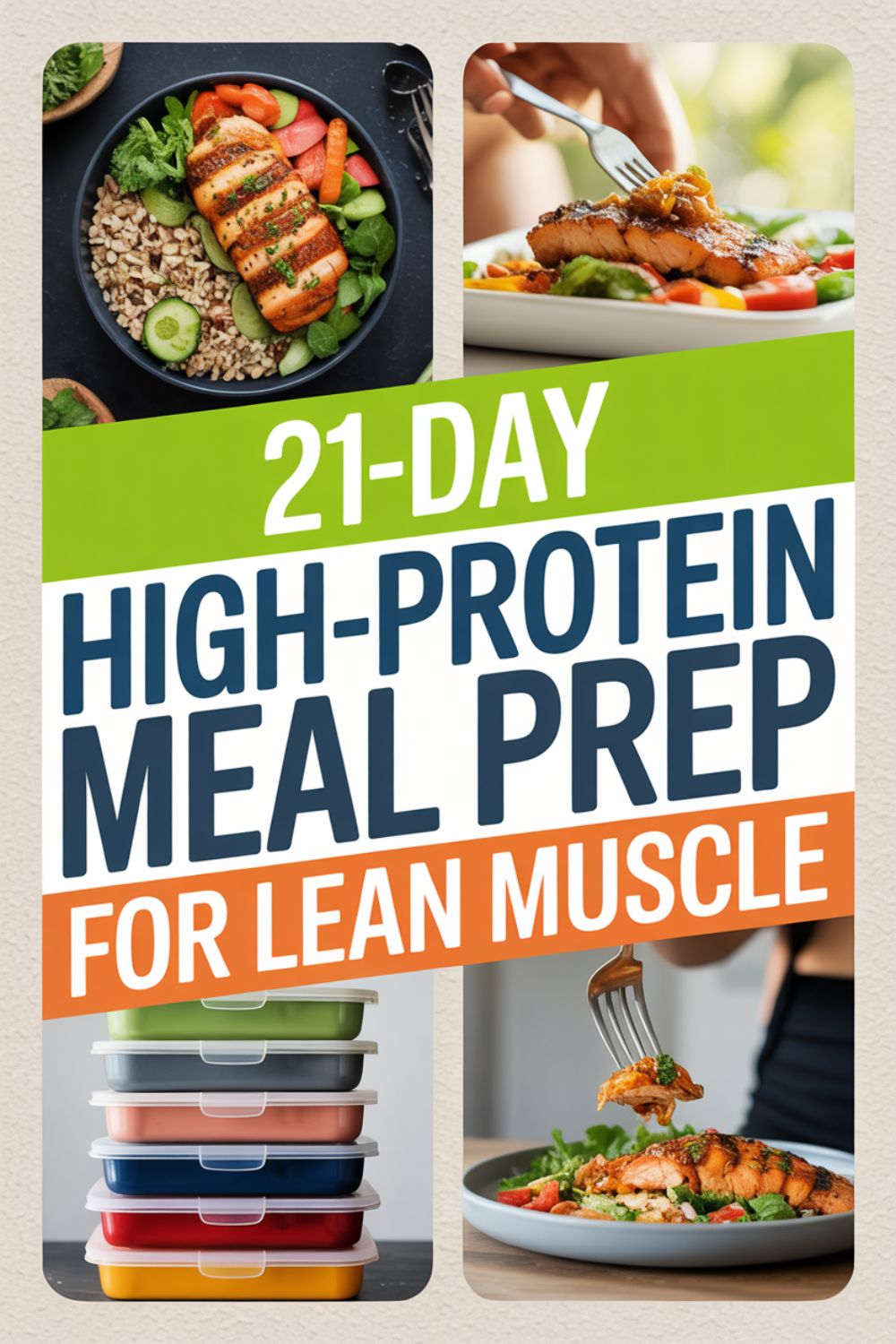
21-Day High-Protein Meal Prep for Lean Muscle
You hit the gym four times a week. You nail your sets. But when you open your fridge at 6 PM, it’s a disaster zone of leftover takeout and questionable chicken breasts.
Sound familiar? Here’s the truth: building lean muscle doesn’t happen in the gym alone. It happens in your kitchen, meal by meal, protein serving by protein serving. And when you’re winging it with your nutrition, you’re leaving serious gains on the table.
This 21-day high-protein meal prep plan takes the guesswork out of muscle-building nutrition. No counting every macro. No cooking three times a day. Just real food, strategic planning, and consistent protein that actually supports your goals.
Whether you’re bulking, cutting, or somewhere in between, these three weeks will teach you how to fuel your body properly without living in the kitchen.
How This High-Protein Plan Works
Let’s get one thing straight: protein is the building block of muscle tissue. Research on muscle protein synthesis shows that consuming adequate protein stimulates the muscle repair and growth process, especially when combined with resistance training.
This plan targets 1.6 to 2.2 grams of protein per kilogram of body weight daily, which aligns with current sports nutrition guidelines for muscle building. For most people, that works out to about 110-150 grams per day.
The Three Pillars of Muscle-Building Nutrition
Strategic Protein Timing: You’ll eat protein at every meal, spreading intake across four to five eating occasions. Studies show that distributing protein throughout the day stimulates muscle protein synthesis more effectively than loading it all into one or two meals.
Caloric Surplus (But Smart): Building muscle requires eating slightly above your maintenance calories. We’re talking 10-20% more, not a free-for-all buffet. This plan keeps you in the sweet spot where you’re building muscle without excessive fat gain.
Carbs for Performance: Carbohydrates aren’t the enemy when you’re building muscle. They fuel your workouts, preserve muscle protein, and help you recover faster. Every meal includes quality carb sources timed to support your training.
Your Complete 21-Day Meal Plan
Each day is designed to hit your protein targets while keeping meals interesting and sustainable. Macros are approximate and based on a 160-pound individual looking to build lean muscle.
Week 1: Building the Foundation
Day 1
Daily Total: 133g protein | 1,800 calories
Day 2
Daily Total: 124g protein | 1,820 calories
Day 3
Daily Total: 119g protein | 1,800 calories
Quick Swap Options
- Swap salmon for cod or halibut (similar protein, different flavor)
- Replace quinoa with farro or wild rice
- Switch Greek yogurt for Icelandic skyr (even more protein)
- Swap cottage cheese for Greek yogurt if dairy sensitivity is an issue
Day 4
Daily Total: 124g protein | 1,720 calories
Day 5
Daily Total: 128g protein | 1,780 calories
Day 6
Daily Total: 120g protein | 1,820 calories
Day 7
Daily Total: 134g protein | 1,940 calories
Week 1 Prep Checklist
- ✓ Batch cook 3-4 pounds of chicken breast
- ✓ Prep quinoa and brown rice for the week
- ✓ Hard boil a dozen eggs
- ✓ Wash and chop vegetables for quick assembly
- ✓ Portion protein powder into grab-and-go containers
If you enjoyed this week’s meals, you might also love my 7-Day Meal Prep Plan for Busy Women. It’s designed with the same batch-cooking principles but focuses on time-saving strategies.
Week 2: Increasing Variety
Day 8
Daily Total: 122g protein | 1,860 calories
Day 9
Daily Total: 134g protein | 1,840 calories
Day 10
Daily Total: 128g protein | 1,760 calories
Quick Swap Options
- Replace mahi mahi with halibut or grouper
- Swap zucchini noodles for whole wheat pasta
- Trade turkey meatballs for chicken or lean beef versions
- Switch wild rice for cauliflower rice to lower carbs
Day 11
Daily Total: 126g protein | 1,900 calories
Day 12
Daily Total: 122g protein | 1,800 calories
Day 13
Daily Total: 126g protein | 1,920 calories
Day 14
Daily Total: 132g protein | 1,840 calories
Week 2 Prep Checklist
- ✓ Marinate proteins for the week (chicken, pork, salmon)
- ✓ Prep breakfast egg muffins in muffin tins
- ✓ Cook a large batch of quinoa and wild rice
- ✓ Portion out snacks into individual containers
- ✓ Chop vegetables for quick stir-fries and salads
Looking for more grab-and-go options? Check out my collection of 21 Grab-and-Go Weight Loss Meals. Many are adaptable with extra protein for muscle building.
Week 3: Mastering the Rhythm
Day 15
Daily Total: 132g protein | 1,920 calories
Day 16
Daily Total: 118g protein | 1,780 calories
Day 17
Daily Total: 116g protein | 1,720 calories
Quick Swap Options
- Replace lamb chops with beef ribeye or pork chops
- Swap scallops for shrimp or lobster tail
- Trade basmati rice for cauliflower rice or quinoa
- Switch naan bread for whole wheat pita
Day 18
Daily Total: 140g protein | 1,940 calories
Day 19
Daily Total: 122g protein | 1,840 calories
Day 20
Daily Total: 136g protein | 1,980 calories
Day 21
Daily Total: 138g protein | 2,020 calories
Week 3 Prep Checklist
- ✓ Batch cook proteins with different seasonings for variety
- ✓ Pre-portion snacks for the entire week
- ✓ Prepare overnight oats and chia pudding in advance
- ✓ Chop all vegetables for quick meal assembly
- ✓ Cook grains and store in airtight containers
What You’ll Eat (High-Level Overview)
This plan centers around lean proteins, complex carbohydrates, and nutrient-dense vegetables. You’re not restricting entire food groups or following some extreme diet that leaves you miserable and depleted.
Protein Sources That Build Muscle
You’ll rotate through chicken breast, salmon, turkey, lean beef, eggs, Greek yogurt, cottage cheese, and plant-based options like edamame. Each protein source brings unique amino acid profiles and keeps your taste buds engaged.
I’m a big fan of using this digital food scale (#) to nail your portions. It takes the guesswork out of hitting your protein targets without obsessing over every gram.
Carbohydrates for Energy and Recovery
Quinoa, brown rice, sweet potatoes, oats, and whole grain bread fuel your workouts and help you recover. Carbs aren’t just allowed on this plan—they’re essential. Your muscles need glycogen to perform, and carbs deliver that fuel.
Healthy Fats for Hormones
Avocado, nuts, olive oil, and fatty fish provide essential fatty acids that support hormone production, including testosterone. Cutting fat too low can actually hurt muscle-building efforts, so we keep moderate amounts at every meal.
For inspiration beyond this plan, explore my 14 Meal Prep Bowls for Easy Weight Loss. Add extra protein to any bowl, and they work perfectly for muscle building too.
Meal Prep & Kitchen Setup That Makes Life Easy
Meal prep isn’t about spending your entire Sunday cooking. It’s about strategic batch cooking and smart kitchen organization that saves you time during the week.
The Two-Hour Sunday Prep Session
Here’s my exact process: Start with proteins in the oven (chicken breasts on one sheet, salmon on another). While those cook, get your grains going—quinoa in one pot, brown rice in another. Chop vegetables while everything else is cooking. Boom—you’ve got meal components for the entire week.
A reliable instant pot (#) has changed my meal prep game. I can cook perfect rice, hard-boil eggs, and even pressure-cook chicken all in one appliance. Cuts my prep time in half.
Storage That Actually Works
Glass containers are non-negotiable for me. Plastic holds odors and stains after a few uses, plus I’m not wild about microwaving food in plastic. These stackable glass containers (#) fit perfectly in my fridge and keep everything fresh for 4-5 days.
Label everything with prep dates. I use reusable silicone labels (#) that stick to any container and wash off easily. Sounds obsessive, but it prevents food waste and keeps you organized.
Kitchen Tools That Matter
You don’t need fancy equipment, but a few key tools make everything easier. A quality chef’s knife, cutting board, sheet pans, and a good blender cover 90% of meal prep tasks. I also swear by my meat thermometer (#) for perfectly cooked proteins every time.
Meal Prep Essentials Used in This Plan
Glass Meal Prep Containers
Microwave-safe, dishwasher-safe, and perfect for batch cooking. These are the containers I use every single week.
Check PriceDigital Food Scale
Accuracy matters when building muscle. This scale helped me dial in portions without obsessing over every meal.
Check PriceInstant Pot Duo
One-pot meals, perfect rice, and tender chicken in half the time. Meal prep essential for busy schedules.
Check Price21-Day Meal Planner Template
Digital planner that helps you customize this plan with swap options and shopping lists included.
Get TemplateMacro Calculator Spreadsheet
Calculate your exact protein needs based on your weight, activity level, and goals. Pre-loaded formulas included.
Download NowMuscle Building Recipe Book
50+ high-protein recipes with complete macros. Perfect complement to this 21-day plan.
Get RecipesCommon Mistakes That Kill Results
I’ve seen people sabotage their muscle-building efforts with these mistakes more times than I can count. Avoid these pitfalls, and you’ll make significantly better progress.
Skipping Meals or Going Too Long Between Eating
Your body needs consistent protein throughout the day to maximize muscle protein synthesis. Going 8 hours without eating means you’re missing opportunities for growth. Aim for eating every 3-4 hours during your waking hours.
Not Eating Enough Overall Calories
You can’t build muscle in a significant calorie deficit. I get it—you don’t want to gain fat. But being too conservative with calories means you’re leaving muscle gains on the table. A modest 200-300 calorie surplus is the sweet spot.
Neglecting Post-Workout Nutrition
The post-workout window isn’t quite as critical as old-school gym bros claimed, but eating protein within a few hours of training still matters. Research on nutrient timing suggests that consuming protein around your workouts supports better recovery and muscle adaptation.
Relying Too Heavily on Protein Powder
Protein shakes are convenient, but whole food should make up the majority of your protein intake. Chicken, fish, eggs, and Greek yogurt provide nutrients beyond just protein—vitamins, minerals, and other compounds that support overall health and performance.
That said, I do use a quality protein powder for convenience. This whey isolate (#) mixes smoothly and doesn’t leave me bloated like cheaper options.
Not Adjusting as You Progress
Your protein and calorie needs change as you build muscle. A 180-pound person needs more protein than a 160-pound person. Reassess your intake every 4-6 weeks and adjust portions accordingly.
If you’re looking for lower-calorie options to balance out higher-protein days, check out my 21 Low-Calorie Meals That Keep You Full. Many can be modified with extra protein for muscle building.
Customizing This Plan for Your Lifestyle
This plan is a template, not a rigid prescription. Real life happens—you travel, you eat out, you have social events. Here’s how to adapt without derailing your progress.
Adjusting for Your Training Schedule
Training five days a week versus three days a week requires different calorie and carb amounts. On training days, bump up carbs slightly (add an extra serving of rice or sweet potato). On rest days, you can reduce carbs a bit if you prefer, though it’s not mandatory.
Eating Out Without Sabotaging Progress
Restaurant meals can absolutely fit this plan. Order grilled proteins, ask for vegetables instead of fries, and don’t stress about exact portions. One meal out won’t derail three weeks of progress. Just get back on track with your next meal.
Vegetarian and Pescatarian Modifications
Swap any meat-based protein for tofu, tempeh, legumes, or additional fish. Greek yogurt, cottage cheese, and eggs become your best friends. You might need to eat slightly larger portions of plant proteins to hit the same protein totals.
Budget-Friendly Swaps
Salmon and grass-fed beef are pricey. Canned tuna, frozen chicken breast, eggs, and Greek yogurt provide excellent protein at a fraction of the cost. Beans and lentils stretch your dollar even further while adding fiber and complex carbs.
I buy most of my staples in bulk from Costco (#) or Thrive Market (#). The upfront cost is higher, but the per-serving price drops significantly.
Time-Crunched Adaptations
Can’t spend two hours on Sunday prepping? Break it into smaller sessions. Prep proteins Sunday, grains and vegetables Wednesday. Or use a slow cooker (#) to make one-pot meals while you sleep or work.
Tools & Resources That Make Cooking Easier
Sheet Pan Set
Batch cooking multiple proteins and vegetables at once. Non-stick surface makes cleanup a breeze.
Check PriceHigh-Speed Blender
Smoothies, protein shakes, and homemade sauces. Crushes ice and blends frozen fruit perfectly.
Check PriceMeat Thermometer
Never overcook chicken again. Instant-read accuracy ensures perfectly cooked proteins every time.
Check PriceGrocery Shopping List App
Digital shopping list organized by category. Syncs across devices so you never forget ingredients.
Download AppWorkout Tracker Journal
Log your training sessions alongside your nutrition. Helps you connect diet changes to performance gains.
Get JournalHigh-Protein Meal Prep Guide
Video course covering advanced meal prep techniques, flavor combinations, and time-saving strategies.
Watch NowBeyond the 21 Days: Building Long-Term Habits
This plan teaches you what proper muscle-building nutrition looks like, but the real magic happens when these habits become second nature. After three weeks, you’ll understand portion sizes intuitively, know how to balance your plate, and feel confident adjusting meals on the fly.
Tracking Without Obsessing
I’m not asking you to weigh and log food forever. But tracking for these 21 days gives you valuable data about what adequate protein actually looks like. Many people think they’re eating enough protein when they’re actually 50 grams short of their target.
Use an app like MyFitnessPal (#) for the first few weeks, then transition to mindful eating once you’ve calibrated your portions.
The 80/20 Approach
Perfection isn’t the goal—consistency is. If 80% of your meals align with your muscle-building targets, you’ll make excellent progress. The other 20% can include social meals, treats, or whatever keeps you sane and sustainable.
Measuring Progress Beyond the Scale
Building muscle while minimizing fat gain means the scale might not move dramatically. Take progress photos, track your lifts in the gym, and pay attention to how your clothes fit. These tell a more complete story than the number on the scale.
Once you complete these 21 days, you might want to explore my 30-Day Weight Loss Meal Plan if you need to cut after a building phase. Or continue with another round of this plan, swapping in different proteins and vegetables for variety.
Supplements: What’s Actually Worth It
Supplements don’t build muscle—consistent training and proper nutrition do. But a few strategic supplements can support your efforts when you’ve got the basics dialed in.
Protein Powder (The Convenient Option)
Whey protein is fast-digesting and convenient for post-workout or busy mornings. Research on whey protein supplementation shows it effectively supports muscle protein synthesis when combined with resistance training.
I personally use this grass-fed whey isolate (#) because it’s low in additives and mixes smoothly. But honestly, any quality protein powder will work—don’t overthink this part.
Creatine Monohydrate (The Proven Performer)
Creatine is one of the most researched supplements in sports nutrition. It helps with strength output, muscle volumization, and recovery. Five grams daily, every day. No loading phase needed despite what supplement companies claim.
What You Can Skip
Branch-chain amino acids (BCAAs), testosterone boosters, and most pre-workouts are overpriced and under-delivering. Save your money. Spend it on quality whole foods instead.
Looking for more strategic meal planning approaches? My 14-Day Calorie Deficit Meal Plan for Women uses similar batch-cooking principles but focuses on fat loss while preserving muscle.
Frequently Asked Questions
Can I build muscle and lose fat at the same time with this plan?
It’s possible if you’re new to training or returning after a break, but it’s challenging for experienced lifters. This plan is designed for muscle building with minimal fat gain. If fat loss is your primary goal, check out my 7-Day 1200-Calorie Meal Plan for Weight Loss instead.
What if I don’t like some of the meals listed?
Swap freely. The key is hitting your protein target and eating in a slight calorie surplus. Hate salmon? Use cod or chicken. Can’t stand quinoa? Swap for brown rice or farro. The structure matters more than specific foods.
How much weight should I expect to gain in 21 days?
A realistic goal is 0.5 to 1 pound per week, so 1.5 to 3 pounds over three weeks. Faster gains usually mean you’re adding more fat than muscle. Slow and steady wins this race.
Do I need to eat immediately after working out?
The post-workout “anabolic window” isn’t as critical as once believed. Eating protein within a few hours of training is beneficial, but you don’t need to chug a shake in the locker room. Total daily protein intake matters more than exact timing.
Can I use this plan if I’m vegetarian or vegan?
Absolutely. Swap animal proteins for tofu, tempeh, seitan, legumes, and plant-based protein powders. You might need to eat slightly larger portions to hit the same protein totals, but it’s completely doable. Greek yogurt and eggs work for vegetarians, while vegans should lean heavily on legumes and protein-rich grains like quinoa.
Final Thoughts
Building lean muscle isn’t complicated, but it does require consistency. These 21 days give you a proven framework—high protein at every meal, strategic carbs to fuel performance, and enough calories to support growth without excess fat gain.
You don’t need to follow this plan perfectly. You don’t need expensive supplements or exotic ingredients. You just need to show up, prep your meals, hit your protein targets, and trust the process.
After three weeks, you’ll have the skills and confidence to continue building muscle on your own terms. You’ll understand portions intuitively, know how to batch cook efficiently, and feel comfortable adapting meals to your preferences.
The gym builds the stimulus. Your kitchen provides the raw materials. This plan bridges both. Now get cooking.