Build Your Perfect Meal Prep Plan
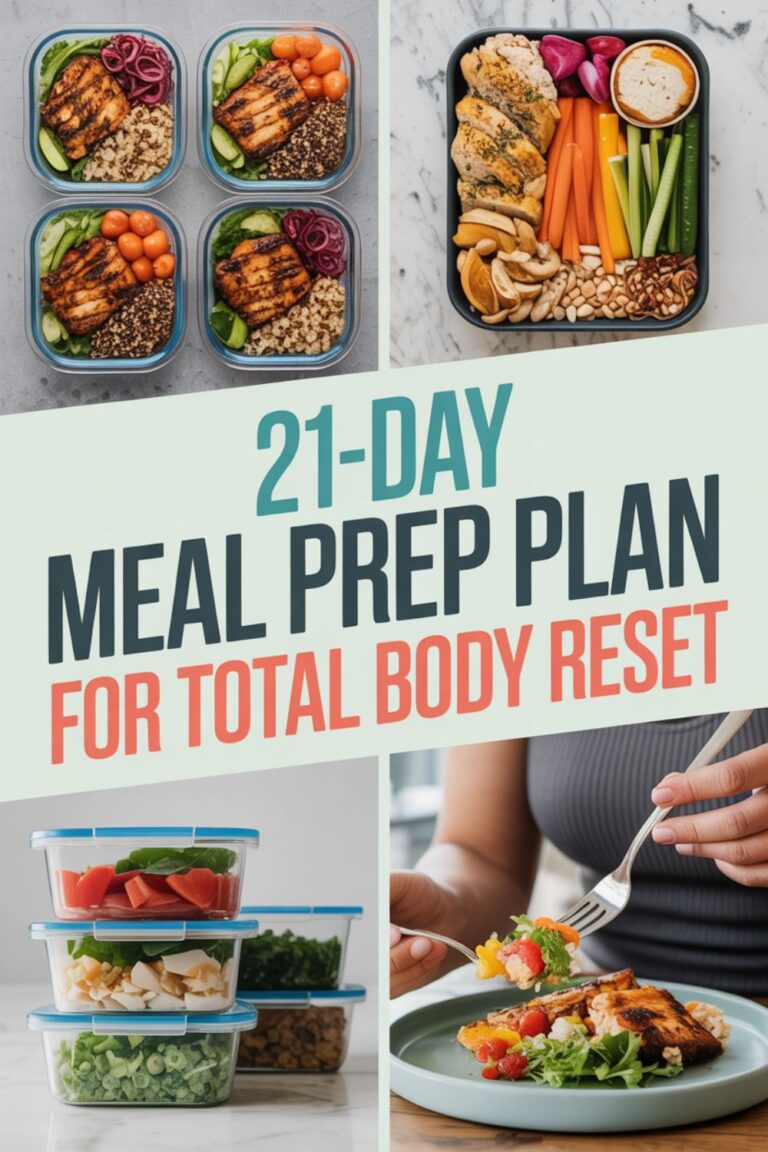
21-Day Healthy Meal Prep to Build Better Habits
You know what really trips people up when they try to eat healthier? It’s not a lack of motivation or willpower. It’s the 6 PM panic when you’re standing in front of an empty fridge, stomach growling, brain fried from the day, and suddenly that takeout app feels like your best friend.
Here’s the truth: healthy eating isn’t about perfection. It’s about having a system that works when your life gets messy. And meal prep? That’s your secret weapon.
This 21-day plan isn’t just about what you eat. It’s about building a habit that actually sticks. Research from Harvard’s psychology department shows that while the old “21 days to form a habit” myth isn’t exactly accurate, three weeks is the perfect starting point to build momentum and see real progress. Most habits take around 66 days to fully automate, but you’ll feel the shift way before that.
By the end of these 21 days, you won’t just have better meals. You’ll have a framework that makes healthy eating feel effortless instead of exhausting.
How This 21-Day Plan Works
This isn’t a diet. It’s a three-week experiment in building a habit that actually fits your life. The Harvard Nutrition Source emphasizes that meal planning is one of the most effective strategies for maintaining healthy eating patterns, and when you pair it with consistent repetition, you’re setting yourself up for long-term success.
The plan is structured around a simple principle: make decisions once, execute them all week. You’ll choose your meals on Sunday, prep the foundations, and spend your weeknights actually living your life instead of frantically cooking. Each week builds on the last, introducing new recipes while keeping your favorites on rotation.
You’re eating real food here. Balanced meals with protein, complex carbs, healthy fats, and plenty of vegetables. Nothing extreme, nothing restrictive. Just consistent, nourishing meals that fuel your body and don’t require a PhD in nutrition to figure out.
The Three-Week Progression
Week 1: Foundation building. You’ll start with simple, familiar meals and get comfortable with the prep process. Think basic grilled chicken, roasted vegetables, and straightforward grain bowls. The goal is building the routine without overwhelming yourself.
Week 2: Adding variety. Once you’ve got the basics down, we’ll introduce new flavors and cooking techniques. You’ll start to see patterns in what you enjoy and what works for your schedule.
Week 3: Making it yours. By now, the routine feels natural. This week focuses on customization and troubleshooting. You’ll learn to swap ingredients based on what’s available and what you’re craving.
According to the USDA’s nutrition guidelines, planning ahead helps ensure you’re getting adequate amounts of all essential nutrients throughout the day. When you prep in advance, you’re not just saving time—you’re making better nutritional choices because you’re thinking clearly, not desperately.
Your Complete 21-Day Meal Plan
Here’s your full roadmap. Each day includes breakfast, lunch, dinner, and a snack with protein counts to keep you satisfied. Mix and match as needed, but try to stick close to the structure for the first week to build that habit foundation.
Week 1: Building Your Foundation
Day 1
Day 2
Day 3
Quick Swap Options
Don’t like salmon? Swap for chicken breast, tofu, or white fish. Keep the vegetables and grain the same.
Need vegetarian options? Replace any meat with chickpeas, lentils, tempeh, or extra-firm tofu.
Short on time? Use rotisserie chicken or pre-cooked frozen grains.
Day 4
Day 5
Day 6
Day 7
Week 1 Prep Checklist
Sunday Prep Session (2-3 hours):
- Cook 4 lbs chicken breast (grill, bake, or poach)
- Hard-boil 12 eggs
- Cook 6 cups quinoa and brown rice combined
- Wash and chop all vegetables for the week
- Prepare overnight oats for Days 4-7
- Mix and store salad dressings
- Portion snacks into grab-and-go containers
Mid-Week Top-Up (Wednesday, 30 minutes):
- Prepare fresh salad greens
- Cook fish for Days 5-7
- Refresh vegetable prep if needed
Speaking of chicken recipes, if you’re looking for more variety, check out these 14 meal prep bowls that make weeknight dinners effortless.
Week 2: Adding Variety and Flavor
Day 8
Day 9
Day 10
Quick Swap Options
Tired of chicken? Week 2 introduces pork, more fish varieties, and plant-based proteins. Mix it up!
Running low on prep time? Double the portions from Days 8-9 and eat them again on Days 11-12.
Need more vegetables? Add a side salad or roasted vegetables to any meal.
Day 11
Day 12
Day 13
Day 14
Week 2 Prep Checklist
Sunday Prep Session (2-3 hours):
- Marinate proteins for the week (pork, chicken, salmon)
- Prepare egg muffins for breakfast (Days 9, 11, 13)
- Cook grains: farro, quinoa, and rice varieties
- Prep vegetables for stir-fries and roasting
- Make chia pudding for quick breakfasts
- Prepare soup bases that can be finished quickly
- Portion and freeze protein balls for snacks
Mid-Week Check (Wednesday, 45 minutes):
- Cook fresh fish for remaining days
- Prepare any fresh salads
- Bake protein waffles if needed
For more grab-and-go options that work perfectly with this plan, explore these 21 portable meals that actually keep you full.
Week 3: Making It Your Own
Day 15
Day 16
Day 17
Quick Swap Options
Building your own combinations? Choose one protein, one grain, two vegetables, and a sauce. That’s your formula.
Batch cooking champion? Make double portions of Days 15-17 to freeze for future weeks.
Craving something specific? By Week 3, you know what you like. Repeat your favorites!
Day 18
Day 19
Day 20
Day 21
Week 3 Prep Checklist
Sunday Prep Session (2 hours):
- This week, you’re a pro! Pick your 5 favorite proteins and prep those
- Prepare customized grain combinations
- Batch-roast vegetables you actually enjoy
- Make your preferred breakfast items for the week
- Prep 2-3 new recipes to keep things interesting
- Create your own sauce combinations
- Portion everything into your favorite containers
Ongoing Maintenance:
- You’ve built the habit now—maintain it with 1-2 weekly prep sessions
- Keep experimenting with flavors you love
- Don’t be afraid to simplify when life gets busy
What You’ll Eat: The Big Picture
Let’s zoom out for a second. You’re not just eating random meals for 21 days. You’re training your body and mind to recognize what proper nutrition feels like. The American Association of Clinical Endocrinology recommends choosing foods from all major food groups to ensure adequate intake of calories, protein, vitamins, minerals, and fiber.
Each day, you’re getting around 1,600-1,900 calories (adjust portions up or down based on your needs), with protein intake ranging from 110-140 grams. That’s enough to keep you satisfied, maintain muscle, and support your metabolism without feeling restricted or deprived.
Your Protein Sources
You’ll rotate through chicken, turkey, fish, eggs, lean beef, and plant-based options like chickpeas and lentils. Variety matters because different protein sources provide different amino acid profiles and micronutrients. Plus, eating the same grilled chicken every day is a fast track to giving up on Week 2.
Carbohydrates That Fuel You
Quinoa, brown rice, farro, sweet potatoes, whole grain bread. These complex carbohydrates provide steady energy throughout the day instead of the blood sugar rollercoaster you get from refined grains. They’re also packed with fiber, which keeps you full and supports digestive health.
Healthy Fats for Satisfaction
Avocado, nuts, olive oil, salmon. Fats get a bad rap, but they’re essential for hormone production, nutrient absorption, and keeping you satisfied between meals. When you skip fat, you end up hungry an hour later, reaching for whatever’s closest.
Vegetables and More Vegetables
At least two servings per meal. Broccoli, Brussels sprouts, peppers, spinach, carrots, zucchini. They provide vitamins, minerals, antioxidants, and volume. You can eat a massive plate of roasted vegetables for minimal calories, which is incredibly helpful when you’re trying to feel full and satisfied.
If you’re looking to reduce calories even further while staying satisfied, check out these 21 low-calorie meals that actually work.
Meal Prep & Kitchen Setup That Makes Life Easy
Here’s where most people sabotage themselves: they try to meal prep with the wrong equipment and no system. You can’t efficiently prep meals for a week using one small pan and three mismatched containers. According to research from Cleveland Clinic, having the right tools and a consistent process is essential for making meal prep sustainable.
The Essential Equipment
You don’t need a fully stocked commercial kitchen, but these tools will save you hours of frustration. A good set of glass meal prep containers with dividers keeps your food fresh and makes portions obvious. Get at least 10-12 containers so you’re not constantly washing dishes mid-week.
A quality chef’s knife cuts your veggie prep time in half. Seriously. Chopping an onion with a dull knife takes five minutes and ends with tears. A sharp knife takes 30 seconds. Pair it with a large cutting board so you have room to work.
Sheet pans are your best friend for batch cooking. Get two rimmed baking sheets so you can roast multiple proteins and vegetables simultaneously. Add a slow cooker or Instant Pot and you can set up meals that cook while you do literally anything else.
The Sunday Prep Process
Pick a consistent day and time. Sunday afternoon works for most people, but if Wednesday evening fits your schedule better, that’s fine too. Consistency matters more than the specific day.
Start with proteins. Season and cook all your chicken, fish, or beef at once. While that’s happening, get your grains going. Rice cookers and Instant Pots are magical for this—set them and forget them. Simultaneously, chop all your vegetables for the week. Store them in airtight containers with damp paper towels to keep them fresh.
Assemble your containers strategically. Don’t try to portion out seven identical meals. That’s boring and you’ll quit. Instead, prep ingredients separately and combine them throughout the week based on what sounds good.
Storage That Actually Works
Proteins last 3-4 days in the fridge, so cook half your proteins on Sunday and the other half on Wednesday. Grains last all week if stored properly. Vegetables depend on the type—heartier vegetables like broccoli and carrots last longer than delicate greens.
Use your freezer strategically. Cooked grains freeze beautifully. So do soups, chilis, and most cooked proteins. Make double batches and freeze half for future weeks when you’re too busy to prep.
For lunches that don’t need reheating, these no-reheat lunch ideas are game-changers for anyone without microwave access at work.
Meal Prep Essentials Used in This Plan
These are the tools that’ll make your life significantly easier. Not sponsored, just actually useful.
Glass Meal Prep Containers
Get the kind with separate compartments. Keeps your proteins from touching your grains if that bothers you, plus everything stays fresh longer. Microwave and dishwasher safe.
Kitchen Scale
Takes the guesswork out of portions. Weigh your proteins once and you’ll know exactly what 4 ounces of chicken looks like forever. Also helpful for tracking macros if that’s your thing.
Instant Pot
Pressure cook chicken breasts in 12 minutes, make perfect rice without thinking, and slow cook soups while you’re at work. It’s worth the counter space.
Meal Planning Template
Our printable weekly meal planner helps you map out your meals, create shopping lists, and track what’s working. Download it free and keep it on your fridge.
Macro Calculator Tool
Not everyone needs to count macros, but if you want to fine-tune your nutrition, our calculator helps you figure out your personalized protein, carb, and fat targets based on your goals.
Recipe Customization Guide
Learn how to swap ingredients based on what you have, what’s in season, or what you’re craving. Includes substitution ratios for proteins, grains, and vegetables.
Common Mistakes That Kill Results
Let’s talk about what actually derails people. It’s rarely a lack of willpower. It’s usually one of these completely preventable mistakes.
Mistake 1: Prepping Meals You Don’t Actually Want to Eat
You can’t force yourself to eat bland chicken and broccoli for three weeks just because you think that’s what “healthy eating” looks like. If you hate a meal, you won’t eat it. You’ll order takeout and feel guilty about the perfectly good food rotting in your fridge.
Fix it by choosing recipes you actually enjoy. Season your food. Use sauces. Make it taste good. The best meal prep plan is the one you’ll actually stick to.
Mistake 2: Trying to Prep Every Single Meal
Burnout is real. If you spend four hours every Sunday cooking every breakfast, lunch, dinner, and snack for the week, you’ll quit by Week 2. Start smaller. Prep just lunches and let yourself figure out breakfast and dinner separately. Once that’s easy, add more.
Mistake 3: Not Planning for Life
You have a work dinner on Wednesday. Your friend’s birthday is Saturday. Your mom wants you to come over for Sunday brunch. These aren’t failures—they’re life. Build flexibility into your plan. Prep four lunches instead of seven if you know you’ll eat out a few times.
Mistake 4: Ignoring Your Actual Schedule
If you work 12-hour shifts and get home at 9 PM, you’re not going to cook a fresh meal. That’s not a character flaw, that’s reality. Prep meals that reheat easily or can be eaten cold. Your plan needs to match your actual life, not some idealized version of it.
Mistake 5: Letting Perfect Be the Enemy of Good
Missed your Sunday prep? Do it Monday. Forgot to pack lunch? Grab something reasonably healthy and move on. One imperfect day doesn’t ruin anything. The habit forms from consistency over time, not perfection every single day. Research shows that missing one day doesn’t significantly impact habit formation as long as you get back on track quickly.
Speaking of making this sustainable for busy schedules, check out this 7-day plan specifically designed for people with no time.
Customizing This Plan for Your Lifestyle
This isn’t a one-size-fits-all template. It’s a framework. The USDA’s MyPlate guidelines emphasize adapting meal plans to meet specific tastes and preferences, and that’s exactly what you should do here.
For Weight Loss
The base plan sits around 1,600-1,900 calories, which creates a moderate deficit for most people. If you need to go lower, reduce portion sizes on grains and fats first, but keep protein high. You need that protein to maintain muscle while losing fat.
Add more volume with vegetables. Swap regular rice for cauliflower rice occasionally. Use half an avocado instead of a whole one. Small adjustments add up without making you feel deprived. For more structured calorie-focused plans, this 1200-calorie meal plan offers detailed guidance.
For Muscle Building
Increase portions across the board, especially protein and carbs. Add an extra snack or two. Consider a post-workout meal with quick-digesting protein and carbs. The meal structure stays the same, you’re just eating more of it.
For Vegetarian or Vegan Diets
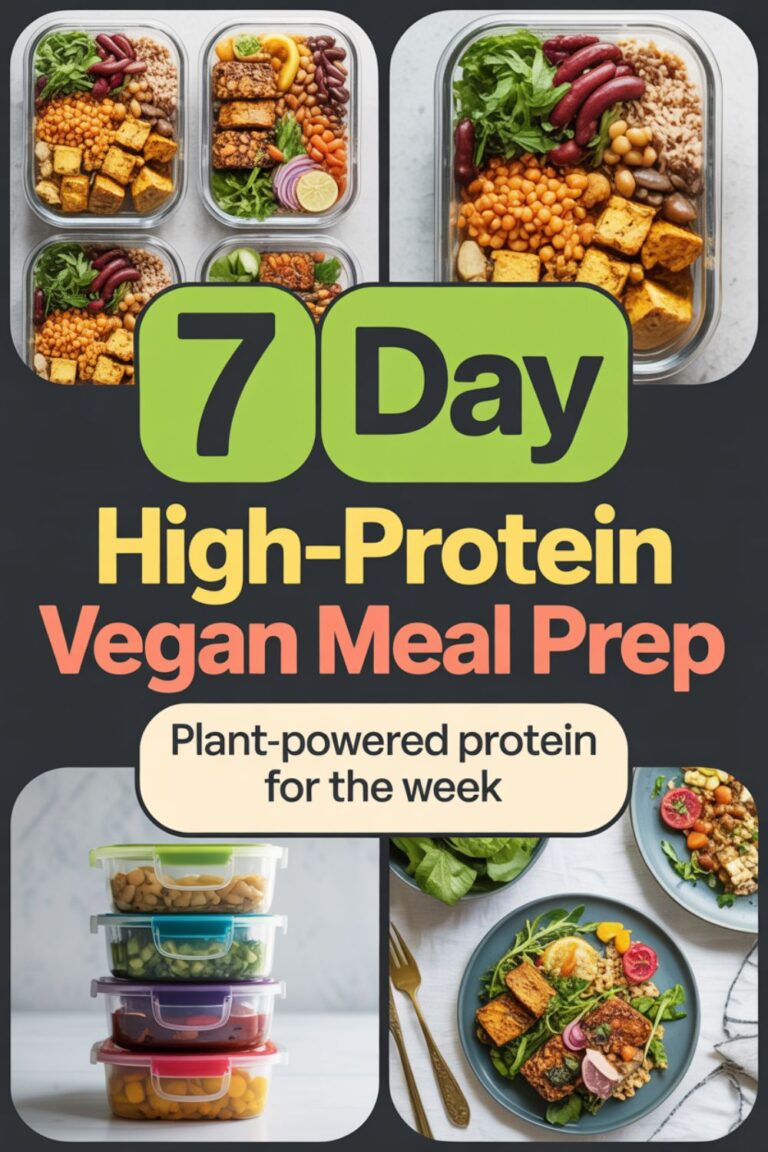
Replace animal proteins with plant-based alternatives. Tofu, tempeh, seitan, legumes, and protein-rich grains like quinoa work perfectly. You might need to eat slightly larger portions to hit the same protein numbers, which is fine.
Pay attention to combining different protein sources throughout the day to get all essential amino acids. Beans with rice, hummus with whole grain pita, peanut butter with whole wheat bread.
For Families
Scale up the recipes and let everyone customize their plates. Prep the base components—proteins, grains, vegetables—and let family members assemble their own bowls based on what they like. Kids are more likely to eat food they helped “build.”
For Budget Constraints
Focus on cheaper proteins like chicken thighs, eggs, and canned tuna. Buy frozen vegetables—they’re just as nutritious as fresh and often cheaper. Purchase grains in bulk. Choose seasonal produce. The meal prep structure works regardless of whether you’re using expensive salmon or budget-friendly beans.
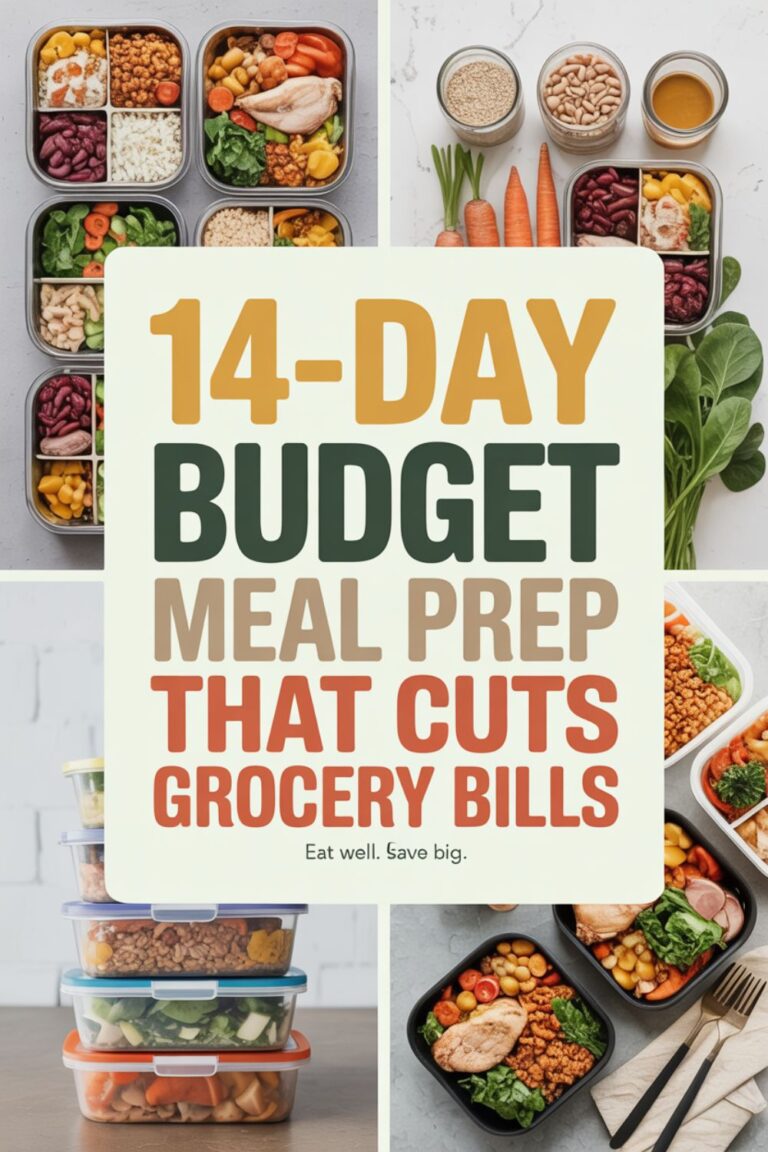
For more budget-friendly meal prep strategies, explore this month-long plan with cost-effective options.
Tools & Resources That Make Everything Easier
Beyond the basics, these tools have made meal prep genuinely easier for people actually doing this every week.
Vacuum Sealer
For anyone serious about batch cooking and freezing. Prevents freezer burn and extends storage time significantly. Worth it if you prep more than two weeks at a time.
Label Maker
Sounds excessive until you’re staring at three identical containers wondering which one is from this week and which is from last month. Label everything with contents and date.
Mandoline Slicer
Cuts vegetable prep time significantly. Perfect, uniform slices every time. Just watch your fingers—these are sharp.
Prep Day Playlist
Seriously. Make meal prep something you enjoy by pairing it with your favorite podcast or music. It becomes a weekly ritual instead of a chore.
Shopping List App
Keep a running list organized by grocery store section. As you run out of ingredients during the week, add them immediately so you’re not trying to remember everything on Sunday.
Progress Tracker
Document your meals for 21 days. Not for restriction, but to see patterns in what keeps you full, what you actually enjoy, and what times you’re usually hungry. Data helps you optimize.
Pro Tip: The Two-Week Rotation
Once you finish this 21-day plan, pick your top 14 meals and rotate them every two weeks. This gives you variety without the mental load of constant meal planning. Every fourth week, introduce 3-4 new recipes to keep things interesting. You’ll build a personal rotation of meals you know you love, know how to make efficiently, and know will keep you on track.
Pro Tip: The Wednesday Reset
Sunday prep is standard, but Wednesday is your secret weapon. Spend 20-30 minutes Wednesday evening refreshing vegetables, cooking fish or proteins that don’t store as long, and reassessing what you actually want to eat for the rest of the week. This mid-week touchpoint prevents the “I’m so sick of these meals” feeling that hits around Thursday.
Pro Tip: The Freezer Insurance Policy
Always have 3-4 fully prepared meals in your freezer. Those weeks when life gets chaotic and you can’t prep? You’ve got backup. Make double portions of soups, chilis, and casseroles throughout this plan and freeze the extras. It’s insurance against the “too busy to prep so I’ll just order pizza” trap.
Real feedback from people who’ve done this: “The first week was an adjustment, not gonna lie. But by Week 2, I stopped thinking about what to eat and just ate what I’d prepped. By Week 3, I couldn’t imagine going back to figuring out meals every single day. The mental clarity alone is worth it.”
Another person mentioned, “I thought I hated meal prep because I tried it once and made seven identical chicken and rice bowls. This approach with variety and actually good food? Completely different experience. I’m on Week 6 now and it’s just part of my routine.”
Frequently Asked Questions
Do I really have to follow the meals exactly as written?
Absolutely not. This plan is a framework, not a prescription. Swap proteins, change up vegetables, use different grains. The structure matters more than the specific ingredients. If you hate salmon, don’t force yourself to eat salmon. Use chicken, tofu, or whatever protein you actually like.
What if I don’t have time to prep on Sundays?
Pick whatever day works for your schedule. Some people prep Saturday mornings, others do Wednesday evenings. The consistency matters more than the specific day. Or split it up—prep proteins and grains on Sunday, chop vegetables on Tuesday, whatever fits your life.
How long does food actually stay fresh?
Cooked proteins last 3-4 days in the fridge. Grains last about a week. Most vegetables last 5-7 days if stored properly. This is why the mid-week refresh on Wednesday is helpful—you’re not trying to stretch Sunday’s fish until Friday. When in doubt, freeze extras and thaw as needed.
Can I eat the same meals for lunch and dinner?
Sure, if that works for you. Some people love eating the same thing twice a day, others need variety. There’s no rule saying lunch and dinner need to be different. Do what makes meal prep sustainable for you personally.
What if I mess up or miss a few days?
Then you pick back up the next day. Research from Scientific American shows that missing occasional days doesn’t significantly impact habit formation as long as you resume quickly. One imperfect week doesn’t erase your progress. The goal is building a sustainable habit, not achieving perfection.
Your Next Steps
You’ve got the plan. You’ve got the tools. You know what mistakes to avoid. Now comes the only part that actually matters: starting.
Pick your prep day this week. Go grocery shopping. Spend two hours on Sunday setting yourself up for success. The first week will feel unfamiliar. The second week will feel easier. By the third week, you’ll wonder why you didn’t start this sooner.
This isn’t about transforming your entire life overnight. It’s about building one solid habit that makes everything else easier. When you’re not stressed about what to eat, you have mental energy for other things. When you’re consistently nourished, you feel better, think clearer, and have more capacity for whatever else you’re working on.
Twenty-one days. Three weeks. It’s not a magic number that guarantees permanent change, but it’s enough time to prove to yourself that this works. After that, it’s just about maintaining what you’ve built.
So pick your start date. Block the time. And actually do it. Future you will be incredibly grateful.