21-Day Budget Meal Prep for Tight Schedules
Look, I get it. Between juggling work deadlines, family obligations, and trying to maintain some semblance of a social life, the last thing you want to think about is what’s for dinner. But here’s the thing—meal prepping doesn’t have to be this massive, time-sucking project that drains your wallet. After years of trial and error (and way too many failed experiments with soggy containers), I’ve cracked the code on budget-friendly meal prep that actually fits into a chaotic schedule.
This isn’t about eating sad chicken and broccoli for three weeks straight. I’m talking real food that tastes good, costs less than your daily coffee habit, and won’t leave you standing in front of the fridge at 9 PM wondering why you bothered. Ready to make your life easier? Let’s dive into a 21-day plan that’ll transform how you think about meal prep.
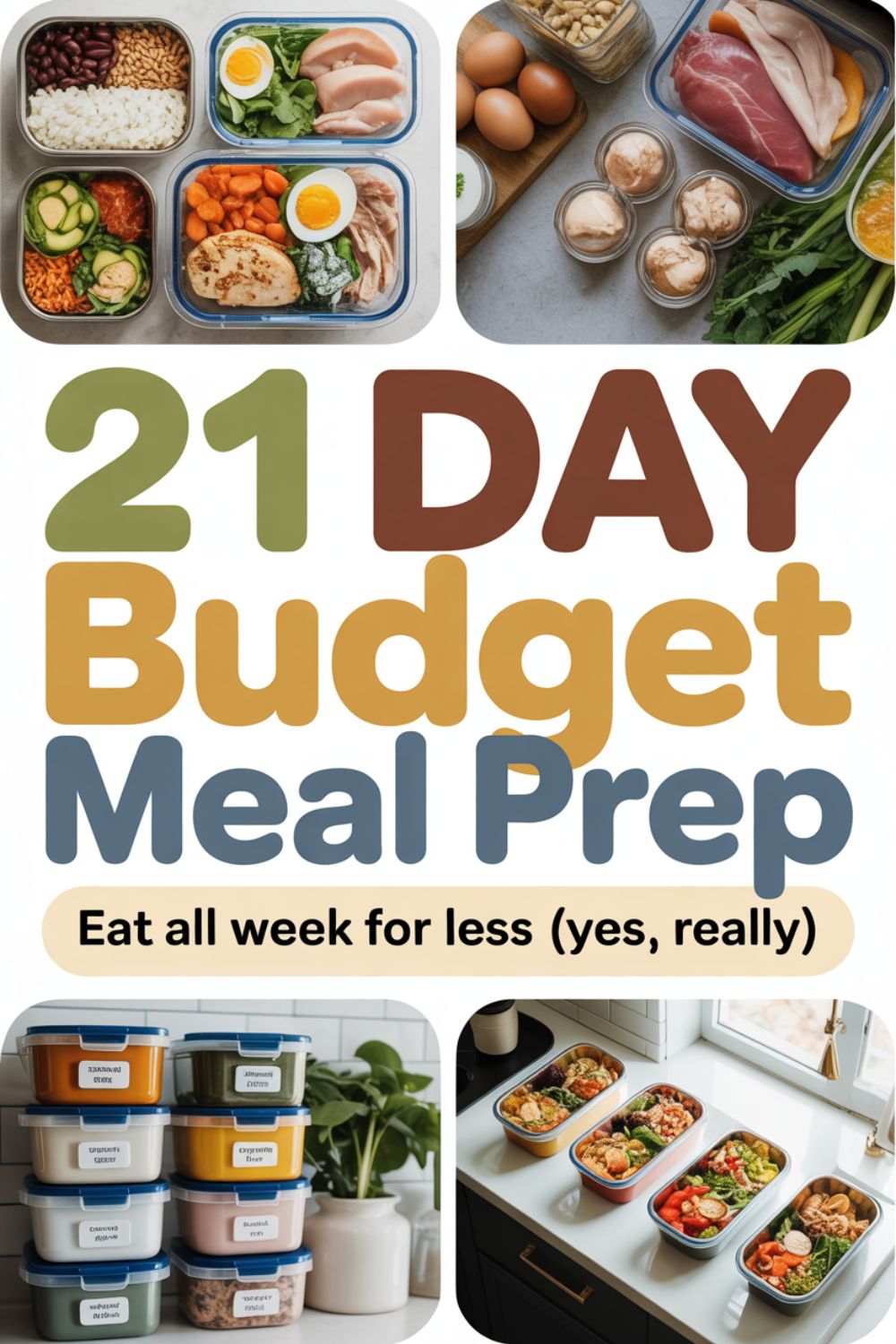
Why Three Weeks Is the Sweet Spot
Here’s something nobody tells you about meal prep—one week isn’t enough to form a habit, but a month feels overwhelming when you’re just starting out. Three weeks? That’s the Goldberg zone. It’s long enough to get into a rhythm without burning out, and short enough that you can see the finish line from day one.
I stumbled onto this timeframe completely by accident. My first attempt at meal prepping lasted exactly five days before I rage-quit and ordered pizza. The second time, I committed to three weeks, and something clicked. By week two, I wasn’t dreading the process anymore. By week three, I was actually excited about the meals I’d planned. Weird, right?
The science backs this up too. Research from Harvard’s Nutrition Source shows that consistent meal planning helps reduce reliance on expensive takeout while improving dietary quality. When you prep ahead, you’re not making food decisions when you’re hangry—and that alone saves serious cash.
Breaking Down Your Budget Without Breaking a Sweat
Let’s talk numbers for a second. The average person spends around $250-300 per month on groceries when they’re winging it. With strategic meal prep, you can slash that to $150-200 without sacrificing quality or variety. The trick isn’t buying cheaper food—it’s buying smarter.
The Foundation Shopping List
Before you hit the store, you need your base ingredients. These are the workhorses that show up in multiple meals throughout your three weeks. I keep this set of glass meal prep containers stocked because they don’t stain or hold odors, and honestly, food just looks better in them.
Proteins that punch above their weight class:
- Chicken thighs (way cheaper and more flavorful than breasts)
- Canned chickpeas (protein, fiber, and they cost like a dollar per can)
- Eggs (the MVP of budget cooking)
- Dried lentils (cook up a batch and use them all week)
- Canned tuna (get the good stuff in olive oil—worth it)
Grains and starches:
- Brown rice or quinoa in bulk
- Sweet potatoes (filling, nutritious, dirt cheap)
- Whole wheat pasta
- Oats for breakfast prep
Vegetables that last:
- Frozen mixed vegetables (nutritionally identical to fresh, half the price)
- Carrots, celery, and onions (the holy trinity of flavor)
- Bell peppers when on sale
- Spinach or kale
- Broccoli and cauliflower
According to Mayo Clinic’s meal planning experts, buying seasonal produce and shopping with a list are two of the most effective ways to stick to a grocery budget while maintaining nutritional quality.
Speaking of smart protein choices, if you’re looking for ways to stretch your grocery budget even further, check out these high-protein budget meals that use many of these same ingredients in creative ways.
Week One: Getting Your System Dialed In
The first week is all about establishing your baseline. Don’t try to be fancy—just get comfortable with the process. I usually prep on Sunday afternoon, and the whole thing takes maybe two hours if I’m not multitasking (which, let’s be honest, I always am).
Your Week One Meal Rotation
Breakfast: Overnight oats are your best friend here. Mix oats, milk (or whatever non-dairy milk you prefer), and a bit of honey in mason jars. Add different toppings throughout the week—berries, banana slices, nuts. Get Full Recipe for my favorite variations.
Lunch: Grain bowls with rotation protein. Cook a big batch of quinoa or brown rice, roast a sheet pan of vegetables, and prep two different proteins. Mix and match throughout the week so you’re not eating identical meals. I swear by this sheet pan—it’s huge, heats evenly, and cleanup is ridiculously easy.
Dinner: One-pot wonders. Think chili, stir-fries, or pasta dishes that you can portion into containers. These are meals that actually taste better the next day (seriously, the flavors meld in a way that fresh-cooked can’t touch).
Snacks: Cut veggies with hummus, hard-boiled eggs, or roasted chickpeas. For the chickpeas, I toss them with olive oil and spices, then crisp them up in my little toaster oven. Way better than store-bought and you control the sodium.
The Time-Saving Tricks Nobody Talks About
Here’s where meal prep gets real. While your rice is cooking and your chicken is in the oven, you should be chopping vegetables and portioning snacks. This is called “stacking tasks,” and it’s the difference between spending four hours in the kitchen and spending two.
I keep a good chef’s knife sharp because nothing kills your prep momentum faster than sawing through an onion with a dull blade. It’s one of those investments that pays for itself in saved time and frustration.
For even more breakfast inspiration that works with this system, try these make-ahead breakfast bowls or this protein-packed smoothie prep guide—both designed to slot perfectly into your morning routine.
Week Two: Adding Variety Without Adding Stress
By week two, you’ve got the basics down. Now it’s time to shake things up without complicating your life. The key is using the same core ingredients in different combinations. It’s basically kitchen alchemy, but easier.
The Rotation Strategy
This is where people usually mess up—they think variety means buying completely different ingredients every week. Wrong. Variety means preparing the same ingredients differently. Those chicken thighs from week one? Roast them with lemon and herbs instead of the spice rub you used before. Boom, different meal.
Your sweet potatoes can be mashed, cubed and roasted, or sliced into rounds. Same vegetable, three completely different vibes. The frozen mixed vegetables you bought in bulk? They work in stir-fries, soups, and grain bowls. You’re not eating the same thing—you’re being resourceful.
Week Two Switches:
- Swap overnight oats for egg muffins (use a silicone muffin pan for easy release)
- Try tuna salad stuffed into bell peppers instead of grain bowls
- Make a big batch of vegetable soup for lunches
- Prep chicken fajita filling for quick dinners—just heat and serve with tortillas
IMO, this is the week that separates the people who stick with meal prep from those who give up. You’re past the novelty phase, and if you can push through week two without defaulting to takeout, you’re golden.
Meal Prep Essentials Used in This Plan
These are the tools and ingredients that make this entire 21-day plan actually work. I’ve tested dozens of products, and these are the ones that consistently deliver.
- Premium Glass Meal Prep Containers (Set of 10) – Microwave-safe, don’t absorb odors, and you can see what’s inside without opening them
- Digital Kitchen Scale – For portion control and consistent recipes every time
- Professional Chef’s Knife with Sharpener – Makes vegetable prep so much faster and safer
- Complete 21-Day Meal Prep Bundle (Digital Download) – Includes shopping lists, recipes, and prep schedules
- Budget Meal Planning Template Pack – Customizable spreadsheets for tracking expenses and meals
- Quick Reference Seasoning Guide (PDF) – How to make the same ingredients taste different every week
- Join our WhatsApp Meal Prep Community for daily tips, recipe swaps, and motivation when you need it
Dealing with Meal Fatigue
Around day 10, you might start feeling “meh” about your meals. This is normal. Your brain craves novelty, but your wallet craves consistency. The solution? Strategic seasoning.
I keep five different spice blends on rotation—Italian herbs, taco seasoning, curry powder, everything bagel seasoning, and a simple garlic-herb mix. Same chicken thighs, five completely different flavor profiles. Your taste buds won’t know what hit them. If you’re curious about how to maximize flavor without breaking the budget, Get Full Recipe for my homemade spice blend ratios.
If you’re looking for more ways to combat meal fatigue, these 15-minute flavor-boost techniques and leftover transformation recipes will keep things interesting without requiring extra grocery runs.
Week Three: You’re Basically a Meal Prep Pro Now
Welcome to the home stretch. By week three, you’re not following a plan anymore—you’re working your system. The difference is subtle but massive. You know what containers work best for which meals. You know how long things last in the fridge. You’ve stopped overthinking it.
Leveling Up Your Game
This is when you can start experimenting with batch cooking proteins and freezing them. Cook a whole pack of chicken thighs, portion them out, and freeze half. Future you will be incredibly grateful when week four rolls around and you’re ahead of the game.
Same goes for soups, chilis, and sauces. These freeze beautifully, and having them on deck means you’re never more than a few minutes away from a solid meal. I use these freezer-safe containers because they stack efficiently and don’t get freezer burn.
Week Three Meal Ideas:
- Breakfast burritos (freeze individually, reheat as needed)
- Mediterranean-style bowls with hummus, falafel, and tabbouleh
- Sheet pan fajitas (everything cooks together, minimal cleanup)
- Mason jar salads (dressing on the bottom keeps everything crisp)
- Slow cooker pulled pork or chicken (so versatile)
Research shows that people who meal prep consistently are more likely to meet their nutritional goals while spending less on food overall. The habit formation that happens during these three weeks sets you up for long-term success—not just with food, but with time management and budgeting too.
The Real Money-Saving Secrets
Okay, let’s get tactical about where the actual savings come from. It’s not just about buying cheaper food—it’s about eliminating waste and reducing those “emergency” takeout orders that destroy your budget.
Stop Throwing Money in the Trash
Food waste is basically burning cash. When you meal prep, you buy exactly what you need and use exactly what you buy. No more letting that bag of spinach turn into sludge in your crisper drawer. No more tossing moldy leftovers you forgot about.
I keep a running inventory of what’s in my fridge and freezer. Sounds neurotic, but it takes like 30 seconds and prevents double-buying ingredients I already have. You can use a simple notes app or go full spreadsheet nerd—whatever works for your brain.
The Bulk Buying Dilemma
Buying in bulk saves money, but only if you actually use what you buy. Rice, dried beans, oats, nuts—these are bulk-buying champions because they last forever. Fresh produce in bulk? That’s a gamble unless you’re feeding a family of six or you’re really committed to your prep schedule.
For items like olive oil, spices, and grains, I hit up warehouse stores with reusable storage containers ready to go. Portion the giant quantities into smaller containers when you get home, and suddenly that intimidating 10-pound bag of rice becomes manageable.
Want to know which ingredients are worth buying in bulk and which aren’t? Check out this bulk buying guide for meal preppers and these pantry staples that never go bad.
Handling the Curve Balls Life Throws
Here’s what nobody mentions about meal prep—life doesn’t stop because you have containers full of food. You’ll get invited to dinner. You’ll have work events. Your kid will have a meltdown and pizza will happen. That’s fine.
The Flex Factor
Build flexibility into your plan from the start. I prep for five days, not seven. That gives me two buffer days for the inevitable chaos that is modern life. If I don’t need the buffer, great—those prepped meals roll into next week. If I do need it, I’m not sitting there feeling guilty about “wasting” my prep work.
Got leftover prepped meals because you went out more than expected? Freeze them. Most of these meals handle freezing just fine. Or, bring them to work and be that person everyone’s jealous of in the break room.
Tools & Resources That Make Cooking Easier
After three years of trial and error, these are the game-changers that transformed meal prep from a chore into something I actually don’t mind doing.
- Programmable Slow Cooker – Set it in the morning, come home to dinner that’s ready
- High-Speed Blender – For smoothies, soups, and homemade sauces in seconds
- Non-Stick Baking Sheets (Set of 3) – Sheet pan dinners are the backbone of week three
- Meal Prep Master Course (Digital) – Video tutorials showing exactly how to execute this plan
- Customizable Shopping List Template – Pre-loaded with all 21-day plan ingredients
- Portion Control Guide (Printable PDF) – Takes the guesswork out of container filling
- Access our WhatsApp Support Group for real-time troubleshooting and motivation
The Nutrition Side You Can’t Ignore
Budget meal prep isn’t just about saving money—it’s about eating better quality food than you would if you were grabbing whatever’s convenient. When you control what goes into your meals, you control the quality.
Balancing Macros Without Losing Your Mind
I’m not suggesting you track every calorie or weigh everything obsessively. But having a rough idea of what balanced looks like helps. Each meal should have protein, complex carbs, and vegetables. That’s it. Not complicated.
For protein, aim for about a palm-sized portion. Carbs should be roughly a fist-sized serving. Vegetables? Load up. They’re cheap, filling, and packed with nutrients. If your meal looks colorful, you’re probably doing it right.
The fiber content in meals that include legumes, whole grains, and plenty of vegetables helps with satiety—meaning you stay fuller longer and are less likely to reach for expensive snacks between meals. It’s a budget win disguised as a health win.
Protein on a Dime
Chicken breast is boring and expensive. There, I said it. Chicken thighs have more flavor, cost less, and are harder to overcook. Same goes for eggs—one of the cheapest, most versatile proteins available. A dozen eggs costs less than one fancy coffee drink and can be used for breakfast, lunch, or dinner.
Plant-based proteins like lentils, chickpeas, and black beans are ridiculously affordable. A bag of dried lentils costs a couple bucks and makes enough protein-packed meals for a week. They’re also loaded with fiber, which your gut will thank you for.
For more protein-focused ideas that won’t drain your wallet, these high-protein vegetarian meals show just how versatile budget-friendly plant proteins can be.
Common Mistakes That’ll Derail Your Budget
I’ve made every meal prep mistake in the book, so you don’t have to. Here are the big ones that’ll cost you time, money, or both.
Overcomplicating Your First Few Weeks
Do not—and I cannot stress this enough—do not try to recreate restaurant-quality meals when you’re starting out. You’ll spend three hours cooking, blow your budget on specialty ingredients you’ll use once, and burn out by day four.
Start simple. Master the basics. Get comfortable with your process. Then, once you’ve got a rhythm going, you can experiment with fancier stuff. But week one is not the time to attempt homemade croissants or some complex curry that requires 15 ingredients.
Not Tasting as You Go
When you’re batch cooking, it’s tempting to just throw everything together and hope for the best. Don’t. Taste your food before you portion it out. Is it bland? Add salt, acid (lemon juice works wonders), or more spices. Is it too dry? A drizzle of olive oil or a splash of broth fixes that.
You’re about to eat this food for several days. Make sure it’s actually good. FYI, this is where having quality spices makes a difference—they’re more potent and flavorful than those dusty jars from three years ago.
Ignoring Food Safety
Room temperature is bacteria’s favorite temperature. Cool your food down before refrigerating, but don’t let it sit out for hours. I spread hot food on cooling racks to speed up the process, then get it into the fridge within two hours.
Cooked food lasts 3-4 days in the fridge, max. If you’re prepping for longer, freeze the later meals. Label everything with dates so you’re not playing guess-that-age with your lunch.
Making It Work for Different Dietary Needs
The beauty of this system is that it’s adaptable. Vegetarian? Swap the chicken for tofu or tempeh. Gluten-free? Use rice or quinoa instead of pasta. Dairy-free? There are a million plant-based alternatives now.
Plant-Based on a Budget
Honestly, plant-based eating can be cheaper than omnivorous eating if you focus on whole foods instead of processed meat alternatives. A block of tofu costs less than a pound of chicken and provides similar protein.
Beans, lentils, and chickpeas should be your best friends. They’re insanely cheap, shelf-stable, and versatile. Nutritional yeast adds a cheesy flavor to dishes for pennies per serving. If you’re comparing almond butter versus peanut butter, go with peanut—it’s got more protein and costs half as much.
For complete plant-based meal ideas that work with this system, check out these vegan budget meal prep recipes designed specifically for tight schedules.
High-Protein Focus
If you’re prioritizing protein (for weight loss, muscle building, whatever), you can absolutely do that on a budget. Greek yogurt, cottage cheese, and eggs are your protein-packed breakfast champions. Add protein powder to smoothies or oatmeal for an easy boost without cooking meat for every meal.
Canned fish—tuna, salmon, sardines—are protein bombs that cost next to nothing. I know sardines sound weird, but mix them with some pasta, olive oil, and garlic, and you’ve got a meal that’s 90% protein for like two bucks.
Troubleshooting When Things Go Wrong
Because they will. Even with the best planning, something will inevitably not go according to plan.
The Food Doesn’t Taste Good
First, stop eating food you don’t like out of obligation. Life’s too short. If a meal turned out terrible, toss it and learn from the mistake. What went wrong? Too bland? Not cooked long enough? Wrong seasoning combo?
Keep notes on what works and what doesn’t. I have a running list on my phone of “winner meals” and “never again meals.” It saves me from repeating disasters.
You Ran Out of Time
Some weeks, two hours of prep time just isn’t happening. That’s when you pivot to a simplified version. Cook one protein, one grain, buy pre-cut vegetables (yes, they cost more, but not as much as takeout), and call it a day. Imperfect prep is infinitely better than no prep.
Storage Disasters
Soggy salads, freezer-burned meals, containers that leak in your bag—we’ve all been there. Store wet and dry ingredients separately when possible. Use divided containers for salads so dressing doesn’t turn everything into mush. Layer ingredients strategically—grains on bottom, proteins next, vegetables on top.
For meals you’re freezing, squeeze out as much air as possible before sealing. Freezer burn happens when food is exposed to air, so tight packaging is everything.
Need more troubleshooting help? The meal prep mistakes and fixes guide covers every common problem and its solution in detail.
Frequently Asked Questions
How much money can I actually save with 21-day meal prep?
Most people save between $200-400 per month compared to frequent takeout and unplanned grocery trips. The biggest savings come from eliminating food waste and avoiding emergency restaurant meals. If you’re currently spending $10-15 per meal on takeout and you meal prep for even 15 meals per month, that’s $150-225 saved right there.
Will my food stay fresh for the full week?
Cooked food stays fresh in the fridge for 3-4 days, which is why I recommend prepping twice per week or freezing meals you won’t eat within that window. Some foods (like grain bowls and soups) actually improve after a day or two, while others (like salads with dressing) are best assembled fresh. When in doubt, freeze it.
What if I get bored eating the same things?
That’s why the rotation strategy is so important. You’re using the same core ingredients but preparing them differently each week. Different spices, cooking methods, and combinations keep things interesting. Also, this isn’t prison—if you’re genuinely tired of a meal, swap it out or freeze it for later.
Can I meal prep if I have dietary restrictions?
Absolutely. The framework works for any dietary approach—you just swap ingredients based on your needs. Gluten-free, dairy-free, vegetarian, vegan, keto—they all work with this system. The principles of batch cooking, smart shopping, and strategic reheating apply regardless of what you’re eating.
Do I need expensive containers and kitchen gadgets?
Nope. You can start with whatever containers you have. That said, investing in a few quality glass containers makes the process more enjoyable and they last forever. As for gadgets, a sharp knife and a decent pot are really all you need. Everything else is nice to have but not essential.
Your Next 21 Days Start Now
Here’s the truth—this plan works if you work it. It’s not magic, it’s not complicated, and it definitely doesn’t require you to be some kind of culinary genius. What it does require is a couple hours of your time each week and a willingness to eat food you prepared instead of whatever’s most convenient in the moment.
The first week will feel awkward. The second week will feel easier. By the third week, you’ll wonder why you didn’t start this sooner. That’s the progression, and it’s totally normal.
You don’t have to be perfect. You don’t have to prep seven days of meals every single week for the rest of your life. You just have to be better than you were before. If that means prepping three dinners instead of zero, that’s progress. If it means spending $30 less on takeout this month, that’s a win.
Sarah from our community tried this plan while working two jobs and raising three kids. She told me she lost 15 pounds in three months and cut her grocery bill by 40%. Not because the plan is magical, but because having a system eliminated the decision fatigue and stress that led to poor choices.
Start small, stay consistent, and give yourself grace when life throws curve balls. Your future self—and your bank account—will thank you for taking this first step.
Similar Posts
25 Family-Friendly Spring Meal Prep Meals That Actually Work
25 Family-Friendly Spring Meal Prep Meals That Actually Work 25 Family-Friendly Spring Meal Prep Meals That Actually Work Spring is here, and if you’re anything like me, you’re probably tired of the same heavy winter meals and ready for something lighter, brighter, and way less predictable. But here’s the thing—getting dinner on the table when…
23 Spring Salads That Last All Week
23 Spring Salads That Last All Week 23 Spring Salads That Last All Week You know that Sunday evening dread when you realize you have zero lunch options lined up for the week? Yeah, I’ve been there too many times. But here’s the thing about spring salads—they’re not just rabbit food in a bowl. When…
21-Day Family Meal Prep That Saves Time
21-Day Family Meal Prep That Saves Time 21-Day Family Meal Prep That Saves Time Look, I’m gonna be straight with you—meal prepping changed my life. Not in some dramatic, movie-montage way, but in that quiet, powerful way where you suddenly realize you’ve got three extra hours every week and your grocery bill isn’t making you…
7-Day Meal Prep for Busy People
7-Day Meal Prep for Busy People – Build Your Perfect Meal Plan Build Your Perfect 7-Day Meal Prep Customize your weekly meal plan based on your goals and lifestyle Goal Weight LossMuscle BuildingBalanced NutritionEnergy & Performance Calories Low (1200-1500)Medium (1500-1800)High (1800-2200) Diet Style BalancedHigh ProteinLow CarbMediterranean Prep Style Quick (30 min)Batch CookingFresh Daily Generate Your…