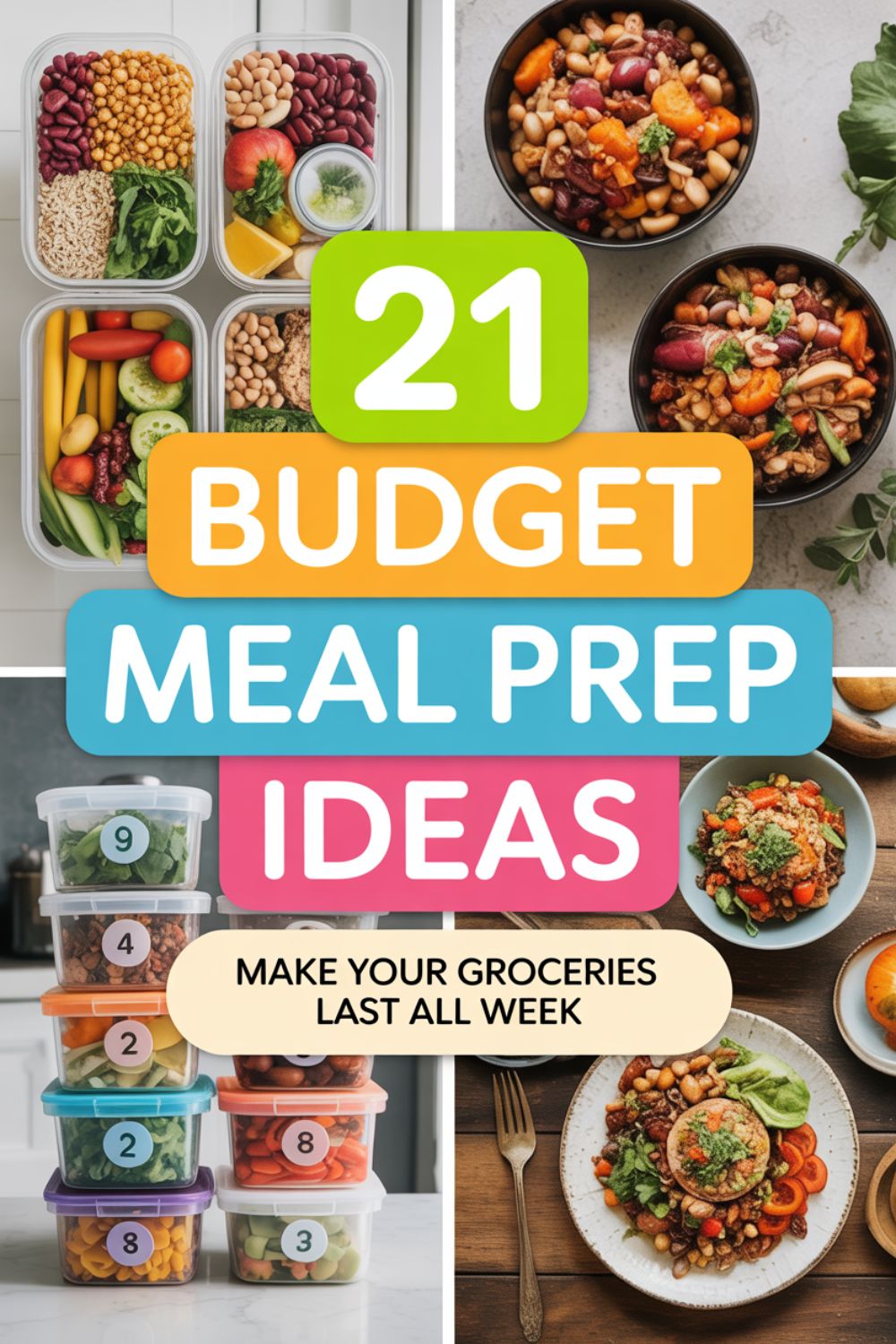
21 Budget Meal Prep Ideas That Stretch Groceries
Look, I get it. You’re staring at your bank account wondering how you’ll make it to payday while still eating something more exciting than instant ramen. Again.
Meal prep on a budget isn’t just about being cheap—it’s about being smart with what you’ve got. And honestly? Some of my best cooking experiments happened when I was broke and desperate. Turns out creativity thrives when your grocery budget is, let’s say, “limited.”
I’ve spent years figuring out how to eat well without hemorrhaging money, and I’m about to share the 21 meal prep ideas that actually work. Not the Pinterest-perfect nonsense that requires seventeen specialty ingredients. Real food. Real budgets. Real life.
Why Budget Meal Prep Actually Saves You Money
Before we jump into the recipes, let’s talk reality for a second. Research from Harvard’s Nutrition Source shows that people who meal prep consistently spend less on food and eat healthier than those who wing it. But here’s what the studies don’t tell you: the mental relief of knowing dinner’s already handled is worth its weight in gold.
When you meal prep on a budget, you’re not just saving money—you’re reclaiming time, reducing food waste, and avoiding the 8 PM panic that leads to expensive takeout. According to the USDA’s Thrifty Food Plan, strategic meal planning can help families maintain a nutritious diet even on limited budgets.
Plus, buying in bulk and cooking once means you’re maximizing every dollar. That $3 bag of dried beans? It’s making you ten meals. That’s what I’m talking about.
The Foundation: Staples That Won’t Break You
Every budget meal prep strategy needs a solid foundation. These are the ingredients I always keep stocked because they’re cheap, versatile, and last forever:
Dried beans and lentils are your best friends. A pound of dried beans costs around $1.50 and makes roughly 6-7 cups cooked. Compare that to canned beans at $1 per can (1.5 cups). The math is brutal.
Rice, pasta, and oats are the holy trinity of budget carbs. Buy the biggest bags you can afford and store them properly in airtight containers. I’ve been using these stackable storage bins for years and they’ve paid for themselves ten times over.
Frozen vegetables are cheaper than fresh, last longer, and are just as nutritious. Don’t let food snobs tell you otherwise. A bag of frozen broccoli is $1.50 and doesn’t go slimy in three days.
Eggs are nature’s perfect protein package. Eighteen eggs for $3? That’s breakfast for nine days or protein for a dozen different meals.
21 Budget Meal Prep Ideas That Actually Taste Good
1. Basic But Beautiful Rice and Beans
I know, I know. Rice and beans sounds boring. But hear me out—this is the canvas, not the painting. Cook a big batch of both, then transform them throughout the week.
Monday: burrito bowls with salsa. Tuesday: fried rice with frozen veggies. Wednesday: black bean soup. Thursday: rice and beans with a fried egg on top. Each day feels different even though you prepped once.
For complete breakfast inspiration that pairs well with beans, check out these budget breakfast meal prep ideas.
2. Sheet Pan Chicken and Whatever Vegetables Are Cheap
Buy a whole chicken when it’s on sale (usually $5-7) or grab the value pack of thighs. Toss it on a sheet pan with whatever vegetables are cheap that week—carrots, potatoes, onions, brussels sprouts, whatever.
Season generously, roast at 425°F for about 45 minutes, and you’ve got protein and veggies for days. I portion this into containers with rice or pasta and it’s instant lunch.
3. Overnight Oats That Don’t Suck
Oatmeal gets a bad rap because most people make it wrong. The secret is preparing it the night before, not cooking it into wallpaper paste.
Mix oats with milk (or water if you’re really pinching pennies), add a mashed banana or applesauce, maybe some cinnamon, and refrigerate overnight. In the morning, it’s creamy, cold, and actually edible. Add peanut butter if you’re feeling fancy—the protein boost keeps you full longer. Get Full Recipe
Speaking of morning solutions, I’ve found success with this 7-day breakfast plan that takes the guesswork out.
4. The Infinite Soup Pot
Soup is the ultimate budget stretcher. Start with a base of onions, carrots, and celery (the holy trinity costs about $2 total). Add whatever protein you have—canned beans, leftover chicken, ground beef on sale.
Throw in some broth (or bouillon cubes and water), add pasta or rice, season it up, and boom. You’ve got six meals for under $10. Plus, soup freezes beautifully in individual portions.
5. Budget Burrito Bowls
This is my go-to when I’m too broke for Chipotle but still want that vibe. Rice, beans, whatever protein is cheap (ground turkey, chicken thighs, even just extra beans), frozen corn, salsa, and if you’re lucky, some cheese.
Prep everything separately, store in containers, and assemble throughout the week. Each bowl costs maybe $2 to make versus $10+ at a restaurant.
6. Egg Muffins for People Who Hate Morning Cooking
Whisk a dozen eggs, pour into a muffin tin, add whatever you want (cheese, spinach, diced ham, peppers), and bake. You now have grab-and-go breakfast for six days.
These freeze well too, so double the batch. Microwave for 30 seconds and you’re out the door. Way cheaper than drive-through breakfast sandwiches. Get Full Recipe
7. The Pasta That Keeps on Giving
A box of pasta is $1. A jar of sauce is $2. Add some frozen veggies or canned tomatoes, maybe brown some ground beef if it’s on sale, and you’ve got four solid meals.
Here’s the trick: cook the pasta al dente because it’ll keep reheating without getting mushy. I portion this out and add different toppings throughout the week—parmesan one day, hot sauce another, whatever keeps it interesting.
8. Slow Cooker Pulled Anything
Get the toughest, cheapest cut of meat you can find—pork shoulder, beef chuck, whatever’s on clearance. Throw it in a slow cooker with some liquid (broth, BBQ sauce, salsa, whatever), turn it on low, go to work.
Eight hours later, you’ve got tender, shredded meat that’ll last all week. Use it for tacos, sandwiches, rice bowls, or just eat it straight from the slow cooker insert at midnight. No judgment here.
9. Fried Rice Using Last Week’s Rice
That dried-out rice from three days ago? Perfect for fried rice. Seriously, day-old rice makes better fried rice than fresh.
Heat some oil, scramble an egg, toss in the rice, add frozen mixed veggies, soy sauce, and whatever protein scraps you’ve got. This is how you turn $1 of ingredients into a meal that tastes like you ordered takeout. Get Full Recipe
Need more lunch inspiration? I’ve compiled 5 days of budget lunches you can prep in under an hour.
10. Roasted Vegetable Everything
Whatever vegetables are cheapest—sweet potatoes, carrots, cauliflower, broccoli—chop them up, toss with oil and salt, roast until slightly burned (that’s where the flavor lives).
These work as sides, go in grain bowls, get tossed into pasta, or just eaten straight. Roasting is the great equalizer that makes even sad vegetables taste incredible.
11. Chili That Could Feed an Army
Ground beef or turkey when it’s on sale, canned beans (at least two kinds), canned tomatoes, onions, peppers, chili powder. Brown the meat, dump everything else in, simmer.
This makes enough for eight meals minimum. Serve over rice, with cornbread, on hot dogs, or straight from the bowl. Freezes perfectly. Get Full Recipe
12. Tuna or Chicken Salad That Doesn’t Taste Like Sadness
Canned tuna or chicken is dirt cheap—usually under $1 per can. Mix with mayo (or Greek yogurt if you’re fancy), add diced celery, maybe some relish, season it up.
Eat it on crackers, bread, lettuce wraps, or straight from the bowl with a spoon. Each can makes about two sandwiches worth. Do the math—that’s cheap protein.
13. Quesadillas for Days
Tortillas, cheese, beans, whatever else you want. Assembly takes two minutes. Cooking takes three. Eating takes thirty seconds because they’re that good.
I make a bunch, cut them into triangles, and store them. Microwave for 30 seconds or throw in a toaster oven to crisp them back up. Add salsa and sour cream if you’re not completely broke. Get Full Recipe
14. Baked Potatoes with All the Toppings
A 5-pound bag of potatoes costs like $3 and makes ten meals. Bake a bunch, store them, reheat and top throughout the week.
Monday: chili and cheese. Tuesday: broccoli and cheese. Wednesday: tuna salad on top. Thursday: just butter and salt because you’re exhausted. They’re all valid choices.
15. Stir-Fry with Frozen Everything
Frozen stir-fry vegetables are cheaper than fresh and already chopped. Add whatever protein you can afford (tofu is cheapest), cook in a hot wok or skillet with soy sauce and garlic.
Serve over rice. This costs maybe $2 per serving and tastes like you actually know what you’re doing in the kitchen.
If you’re following a specific eating plan, try this vegetarian meal prep guide for plant-based protein ideas.
16. Breakfast Burritos You Can Freeze
Scrambled eggs, beans, cheese, salsa, all wrapped in tortillas. Make a dozen, wrap in foil, freeze. Microwave for 90 seconds whenever you need breakfast.
Each burrito costs about $1 to make versus $4+ at a drive-through. The math makes me happy every morning. Get Full Recipe
17. Lentil Soup That’s Actually Filling
Lentils are stupid cheap—about $1.50 per pound. They cook fast, need no soaking, and are packed with protein and fiber.
Sauté onions and carrots, add lentils, broth, tomatoes, and spices. Simmer for 30 minutes. You now have a week’s worth of lunches for under $5 total. Add a squeeze of lemon at the end because it transforms the whole thing. Get Full Recipe
18. Pasta Salad That Gets Better with Time
Cook pasta, let it cool, toss with Italian dressing, add whatever vegetables are cheap (cherry tomatoes, cucumbers, peppers, olives if you’re fancy).
This actually tastes better after sitting in the fridge for a day. I make a huge bowl of this on Sunday and it’s lunch Monday through Thursday. Sometimes Friday if I’m really stretching it.
19. Ground Turkey or Beef for Multiple Meals
Buy ground meat when it’s on sale—usually around $3-4 per pound. Brown it all at once with onions and garlic. Now you have the base for tacos, spaghetti sauce, chili, stuffed peppers, or rice bowls.
One batch, five different meals throughout the week. This is the kind of efficiency that makes meal prep worth it.
20. Yogurt Parfaits That Aren’t $6
Large container of plain yogurt: $3. Bag of granola: $3. Whatever fruit is cheap or on sale. Layer them in mason jars or containers for grab-and-go breakfasts.
Each parfait costs about $1 versus $5+ at coffee shops. The markup on yogurt cups is criminal, honestly.
21. The Everything Bowl
This is my favorite because it’s different every time. Base of rice or quinoa, whatever protein you’ve got (beans, chicken, tofu, eggs), roasted or raw veggies, and some kind of sauce.
Mix and match based on what’s in your fridge. It’s never the same meal twice but follows the same formula. Easy, cheap, endlessly customizable. Get Full Recipe
For a more structured approach to bowl-based meals, check out this clean eating meal prep plan.
Meal Prep Essentials Used in This Plan
You don’t need fancy equipment, but a few key items make budget meal prep exponentially easier. Here’s what I actually use:
Physical Products:
- Glass meal prep containers with locking lids – Worth every penny because they don’t stain, don’t hold smells, and last forever. Plastic is cheaper upfront but you’ll replace it constantly.
- A decent chef’s knife – Doesn’t have to be expensive, just sharp. Dull knives make cooking miserable and dangerous.
- Large mixing bowls – For batch prep. You’ll use these constantly for marinating, mixing, serving, everything.
Digital Resources:
- Budget Meal Planning Spreadsheet – My personal template that tracks costs per serving and helps you plan based on what’s on sale
- The Freezer Inventory System – A simple app checklist to track what you’ve frozen and when, so nothing gets lost in the back of the freezer
- Weekly Grocery Calculator – Input your recipes, get an auto-generated shopping list sorted by store section
Tools & Resources That Make Cooking Easier
Beyond the basics, here are some game-changers that have saved me time, money, and sanity:
Kitchen Tools:
- Programmable slow cooker – Set it and forget it. Come home to dinner already done. This has saved me from takeout more times than I can count.
- Kitchen scale – For portioning proteins and tracking costs per serving. Sounds nerdy but helps you nail your budget.
- Silicone baking mats – Replace parchment paper and foil. One-time purchase that lasts years. Plus nothing sticks to them.
Digital Products:
- Visual Meal Prep Guide PDF – Step-by-step photo guide showing exactly how to prep each component efficiently
- Price-Per-Serving Calculator – Finally figure out which recipes are actually cheapest to make
- 21-Day Budget Meal Rotation – Pre-planned shopping lists and recipes that use overlapping ingredients to minimize waste
Community Support:
- Join our WhatsApp meal prep community where people share weekly sales, recipe hacks, and real-time cooking help
Making It Work When Life Gets Messy
Look, meal prep isn’t always Instagram-perfect. Sometimes your chicken is dry, your rice is mushy, or you forget about those containers in the back of the fridge until they’ve evolved into something sentient.
The key is progress, not perfection. Start with prepping just Sunday dinner and Wednesday lunch. Get that down, then add more. Don’t try to prep every meal for a month on your first attempt—that’s how you burn out and give up.
I’ve been doing this for years and I still have weeks where I order pizza twice and breakfast is coffee and denial. It happens. The difference is that now most weeks I’ve got food ready, my grocery bill is manageable, and I’m not panicking at 7 PM wondering what to eat.
For busy schedules, this meal prep plan designed for tight schedules has been a lifesaver for many people.
The Money Talk Nobody Wants to Have
Here’s the truth: meal prepping on a budget requires you to eat the same things more often. There’s no way around it. Variety costs money. But here’s the thing—you can create variety through seasoning, toppings, and combinations without buying completely different ingredients.
That batch of chicken and rice? It’s burrito bowls on Monday with salsa and beans. It’s fried rice on Wednesday with frozen veggies. It’s chicken salad on Friday with mayo and celery. Same core ingredients, different experiences.
Track your spending for two weeks—takeout, groceries, random snacks, everything. Then try meal prepping for two weeks and track that. The difference will probably shock you. It shocked me, and I’m the one who’s supposed to be good at this.
According to Nutrition.gov, strategic meal planning is one of the most effective ways to maintain nutrition quality while managing food costs.
Common Mistakes That Cost You Money
Buying ingredients for one recipe is the fastest way to waste money. Plan meals that share ingredients. If you’re buying cilantro for tacos, make sure you’ve got another recipe that week that uses cilantro.
Prepping too much variety sounds good in theory but leads to food waste. Five different meals means five different sets of ingredients going bad at different rates. Stick to 2-3 base meals you can remix.
Not using your freezer is leaving money on the table. Bread freezes. Meat freezes. Cooked rice freezes. Most soups and stews freeze. If you’re throwing food away, you’re literally throwing money away.
Shopping without a list is budget suicide. You’ll buy things you don’t need, forget things you do need, and end up ordering delivery anyway because you can’t make a meal from what you bought.
If you need help organizing family meals efficiently, this family meal prep guide covers batch cooking for multiple people.
Related Recipes You’ll Love
Frequently Asked Questions
How long does meal prepped food actually stay good in the fridge?
Most cooked foods stay safe for 3-4 days in the fridge. Rice and pasta dishes should be eaten within 3 days max. If you’re prepping for longer than that, freeze half your batch and thaw as needed. When in doubt, smell it—your nose knows.
Can I meal prep if I don’t have a lot of storage containers?
Absolutely. Use whatever you’ve got—old takeout containers, mason jars, even ziplock bags work in a pinch. I started with mismatched Tupperware from my mom’s kitchen. You don’t need to buy anything fancy to start, though good containers do make life easier eventually.
What if I get sick of eating the same things?
That’s why the “remix” strategy is crucial. Cook base components (rice, beans, chicken, roasted veggies) and combine them differently throughout the week. Switch up sauces, seasonings, and toppings. Monday’s burrito bowl becomes Friday’s fried rice using the same core ingredients.
Is meal prep actually cheaper than buying groceries as you go?
In my experience, yes—but only if you stick to the plan. The savings come from buying in bulk, using everything you buy, and avoiding impulse purchases and takeout. The first few weeks track your spending to see the difference. Most people save 30-40% on their food budget.
Do I need to prep all my meals or can I just do some?
Start small. Prep just lunches for the week, or just dinners. Even prepping breakfast saves time and money. Don’t overwhelm yourself trying to prep every single meal—that’s how people burn out and quit. Pick your biggest problem meal and start there.
Final Thoughts
Budget meal prep isn’t glamorous. It’s not going to look like those perfect food blogs with professional photography and exotic ingredients. It’s messy kitchens, repetitive meals, and making peace with eating leftovers.
But you know what? It works. It saves money. It reduces stress. And once you get into a rhythm, it becomes second nature.
Start with one or two recipes from this list. Don’t overthink it. Cook on Sunday, eat all week, save money. Adjust as you go. Figure out what you actually like eating versus what sounds good in theory.
The goal isn’t perfection—it’s progress. Every meal you prep is money saved, time reclaimed, and one less decision you have to make when you’re already exhausted.
You’ve got this. Now go make some rice and beans.