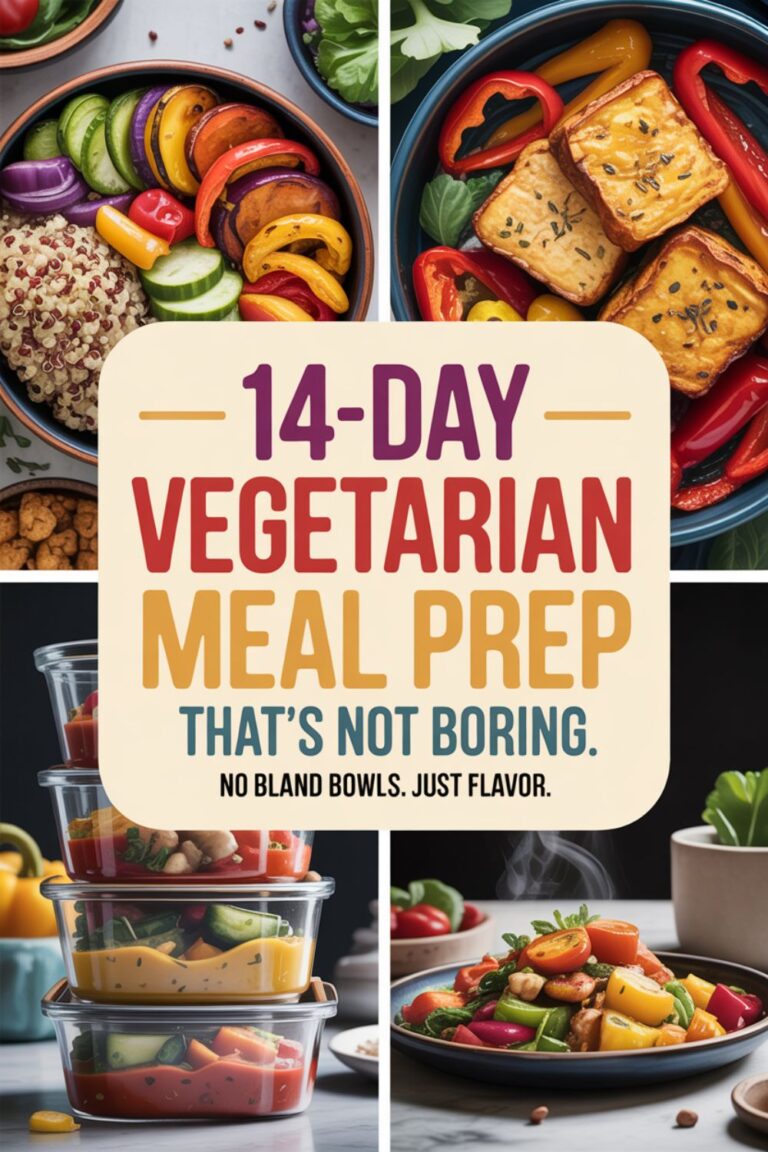
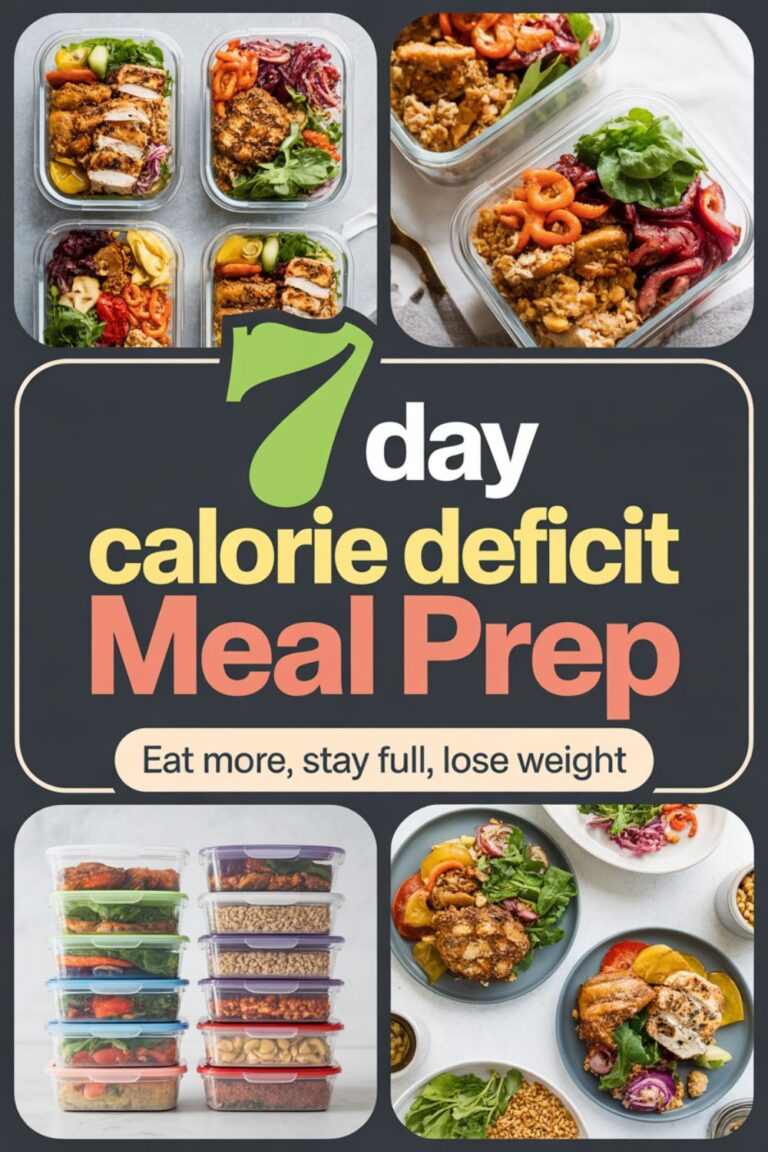
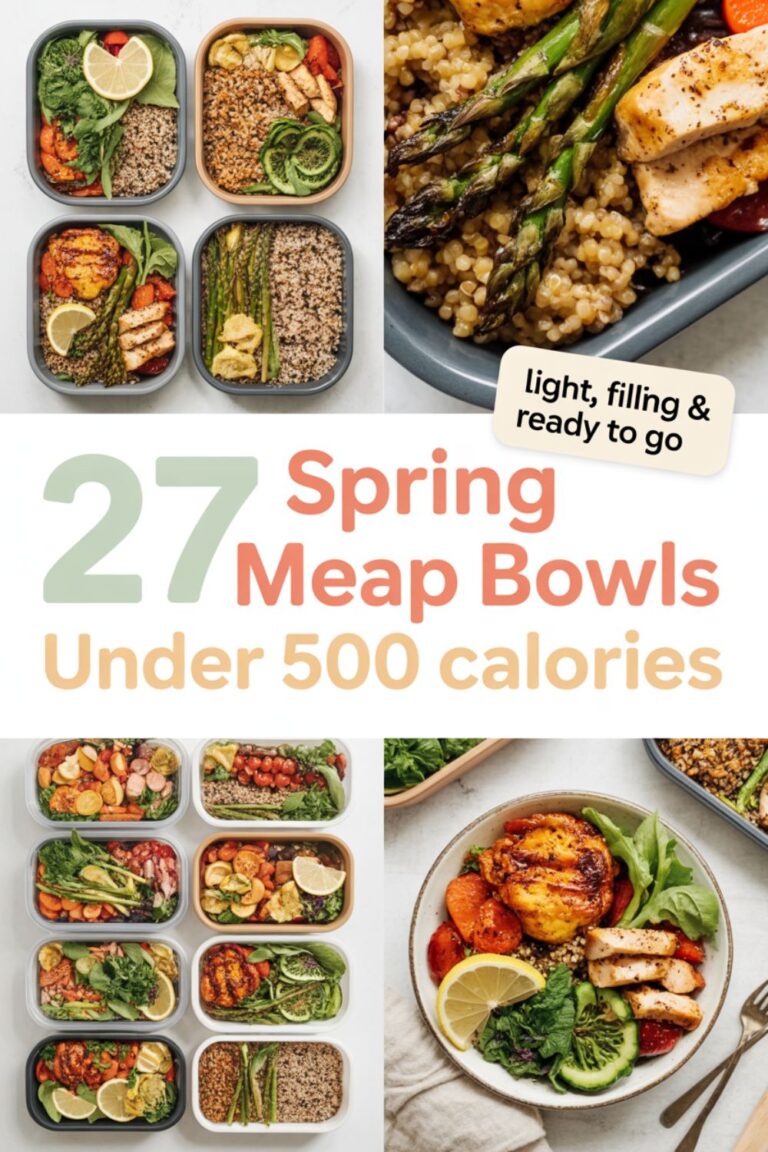
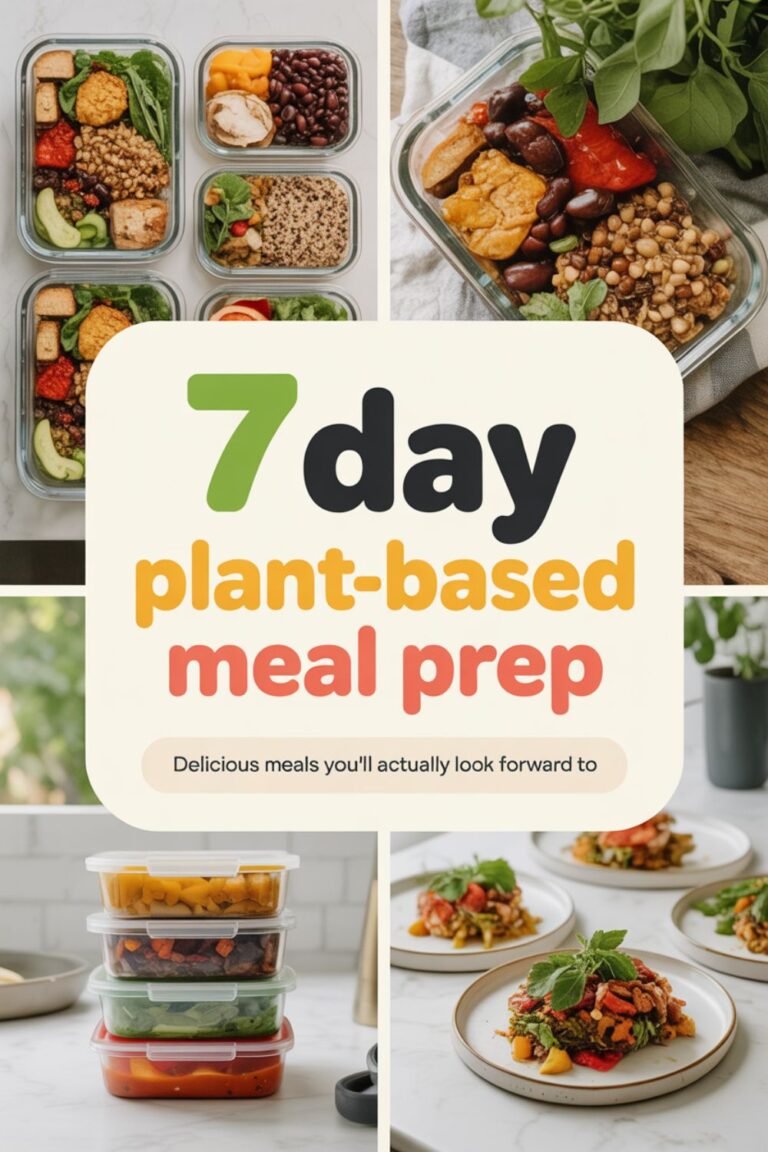
17 Vegetarian Spring Meal Prep Recipes That’ll Make You Forget Takeout Exists
Look, I get it. Meal prep sounds about as fun as watching paint dry. But what if I told you it doesn’t have to involve spending your entire Sunday cooking or eating the same thing seven days straight? These spring recipes are built different—they’re fresh, they’re flexible, and honestly, they taste better on day three than day one.
Spring produce is ridiculously good right now. We’re talking crisp asparagus, sweet peas, tender greens, and strawberries that actually taste like something. Why would you waste that on sad desk lunches? You wouldn’t. That’s why we’re doing this.
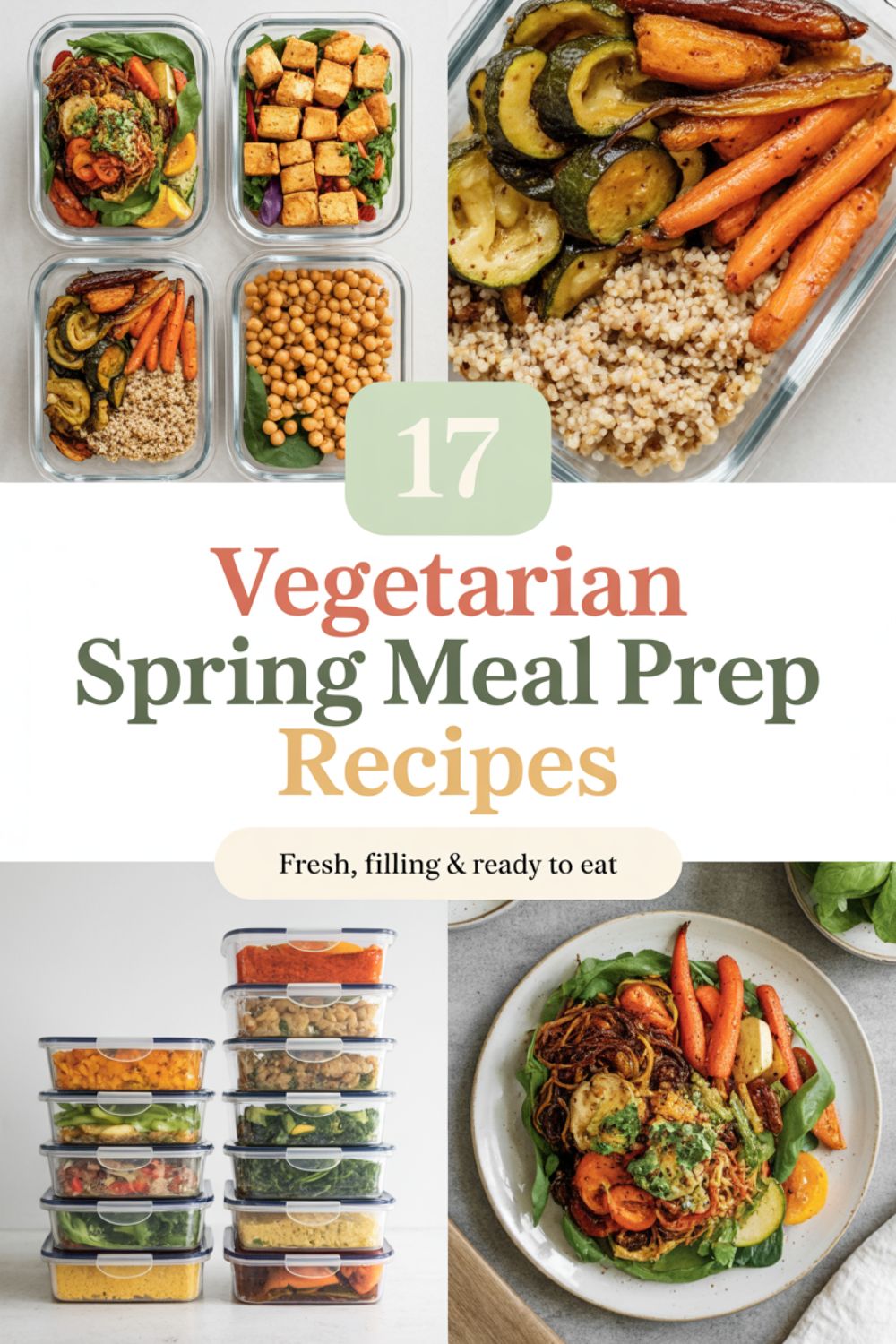
Why Vegetarian Meal Prep Actually Makes Sense This Spring
Spring vegetables are cheaper, tastier, and they last longer than you think. Plus, research shows that well-planned vegetarian diets can reduce the risk of heart disease and type 2 diabetes. Not that you need another reason to eat more plants, but hey, it doesn’t hurt.
Here’s what nobody tells you: vegetarian meal prep is actually easier than meat-based prep. No worrying about cross-contamination, no sketchy chicken that’s been sitting for four days, and no mystery meat smells when you open your lunch container. Just real food that still looks appetizing on Thursday.
The trick is choosing recipes that improve with time. Grains soak up flavors, roasted vegetables get sweeter, and marinated proteins (tofu, tempeh, beans) develop depth that makes them genuinely crave-worthy. You’re not settling for sad leftovers—you’re investing in future you.
The Spring Vegetable Situation (And Why It Matters)
Spring vegetables are having a moment, and for good reason. Asparagus, snap peas, radishes, and early greens are not only in season—they’re also packed with nutrients that your body craves after a long winter. We’re talking vitamin C, folate, and fiber that actually keeps you full.
What’s genius about spring produce is how well it holds up in the fridge. Unlike delicate summer tomatoes, spring veggies have structure. Asparagus stays crisp for days. Snap peas don’t turn to mush. Even tender greens last longer when stored properly (more on that in a sec).
And here’s the thing nobody mentions: spring vegetables are versatile as hell. That bunch of asparagus? It works roasted with lemon, tossed into grain bowls, blended into soup, or eaten cold in a salad. One ingredient, five meals, zero boredom.
Storage That Actually Works
Listen, I’ve killed more greens than I care to admit. But then I discovered glass storage containers with ventilation that changed everything. No more slimy spinach death pools. These things keep produce crisp for the full week, and they don’t stain like plastic does.
For herbs, try the herb keeper container method—basically a vase situation but designed for your fridge. Basil and cilantro stay perky for 10+ days instead of turning black by Tuesday. Game changer.
If you’re really serious about this, grab reusable produce bags for storage. They regulate moisture way better than those plastic clamshells, and you’re not contributing to the Great Pacific Garbage Patch every time you eat a salad.
Recipe #1: Asparagus and Lemon Quinoa Bowls
This is the recipe that convinced me meal prep doesn’t have to be boring. Roasted asparagus with a lemony quinoa base, topped with chickpeas and a tahini drizzle that somehow makes everything taste like you ordered it from that overpriced spot downtown. Get Full Recipe.
The secret? Roasting the asparagus until it’s almost burnt. Those crispy tips are where all the flavor lives. Toss it with lemon zest right after it comes out of the oven—the heat releases the oils and makes your kitchen smell like spring decided to move in.
Quinoa gets a bad rap for being bland, but that’s because people cook it in water like chumps. Use vegetable broth and a squeeze of lemon juice. Suddenly you’ve got a base that actually tastes like something. The Academy of Nutrition and Dietetics notes that plant-based proteins like quinoa provide complete nutrition when paired properly with legumes.
Recipe #2: Spring Pea and Mint Pasta Salad
Cold pasta salad that doesn’t taste like regret? Yeah, it exists. This one’s got fresh peas (or frozen, let’s be real), mint that makes everything taste clean and bright, and a lemon vinaigrette that won’t leave you feeling like you ate a bowl of mayo. Get Full Recipe.
The mint is non-negotiable. It cuts through the starch and makes the whole thing feel refreshing instead of heavy. Plus, according to nutrition research from UC Davis, incorporating diverse vegetables and herbs increases the overall nutrient density of your meals.
I use whole wheat pasta shells because they hold onto the dressing better than regular pasta, and they don’t turn to glue in the fridge. The shape matters more than you think—it’s the difference between a meal that holds together and one that turns into a solid pasta brick.
The Dressing Hack Nobody Talks About
Keep your dressing separate until you’re ready to eat. I know, I know—extra container, extra hassle. But trust me, the difference between day-one fresh and day-five soggy is 100% about when you add the dressing. Use small sauce containers and thank me later.
Want to meal prep like you mean it? Try these 21-day vegetarian meal prep ideas that take the guesswork out of planning. Or if you’re working with a tight budget, check out this 21-day budget meal prep plan that won’t drain your wallet.
Recipe #3: Mediterranean Chickpea and Vegetable Bowls
These bowls are what I make when I need to clean out the vegetable drawer and still impress myself. Roasted vegetables (whatever you’ve got), protein-packed chickpeas, and a cucumber-tomato situation that tastes suspiciously like vacation. Get Full Recipe.
Chickpeas are the unsung hero of vegetarian meal prep. They’re cheap, they last forever in the pantry, and when you roast them with olive oil and spices, they get this crispy-creamy texture that’s borderline addictive. I make extra every time because I end up eating half of them straight off the pan.
The vegetable situation is flexible. Bell peppers, zucchini, red onion—whatever’s on sale or about to go bad. Chop everything roughly the same size, toss with olive oil and za’atar (or whatever spice blend you’re into), and roast at 425°F until everything’s got some color. That’s where the flavor lives.
Recipe #4: Spinach and Artichoke Stuffed Sweet Potatoes
Sweet potatoes are the ultimate meal prep vegetable. They don’t get weird in the fridge, they reheat perfectly, and they’re basically edible bowls for whatever situation you’re creating. This spinach-artichoke version tastes like the dip you’re not supposed to eat the whole bowl of, except it’s somehow healthy. Get Full Recipe.
Bake your sweet potatoes in advance and they’ll last the full week. I use a silicone baking mat so they don’t stick and cleanup is basically nonexistent. No scrubbing baking sheets at 10pm on Sunday? Revolutionary.
The filling is where it gets interesting. Sautéed spinach, jarred artichoke hearts (drained and chopped), a bit of cream cheese or Greek yogurt, and enough garlic to ward off vampires. Mix it all together, stuff your potatoes, and you’ve got five lunches that taste like you actually tried.
Why Sweet Potatoes Win at Meal Prep
Unlike regular potatoes, sweet potatoes don’t get that weird gummy texture when you reheat them. They stay creamy, they’re naturally sweet enough that you don’t need to add sugar, and they’re packed with vitamin A and fiber that actually keeps you full until dinner.
Looking for more make-ahead options? These freezer meal prep ideas will save you when life gets chaotic. And if you prefer minimal cleanup, the sheet pan meal prep approach is legitimately brilliant.
Recipe #5: Lentil and Roasted Vegetable Salad
Lentils are criminally underrated. They cook faster than beans, they’re cheaper than tofu, and when you dress them while they’re still warm, they soak up flavor like tiny flavor sponges. This salad situation is basically spring in a bowl—roasted veggies, tender lentils, and a mustard vinaigrette that ties it all together. Get Full Recipe.
Use French lentils (the small green ones) because they hold their shape better than red lentils, which turn to mush. Cook them in vegetable broth with a bay leaf and some garlic, and suddenly you’ve got lentils that taste like you know what you’re doing.
Roast whatever spring vegetables you can find—carrots, radishes, asparagus, snap peas. The key is high heat and enough space on the pan. Crowded vegetables steam instead of roast, and you end up with sad, flabby vegetables instead of caramelized perfection.
Recipe #6: Spring Vegetable Frittata Muffins
Breakfast meal prep that doesn’t involve overnight oats? Finally. These frittata muffins are portable, protein-packed, and they reheat in 30 seconds. Make a batch on Sunday, grab two on your way out the door, and you’ve got breakfast handled without thinking about it.
The vegetable situation is endlessly customizable. Asparagus, cherry tomatoes, spinach, bell peppers—whatever needs to get used up. Sauté everything first to cook off excess moisture, because nobody wants soggy egg situations.
I use a silicone muffin pan for these because they pop out clean every time, and you don’t need to mess with paper liners that stick to everything. Just spray a tiny bit of oil and you’re golden.
The Protein Boost
Add a scoop of cottage cheese to the egg mixture. Sounds weird, tastes amazing, and bumps up the protein significantly. You stay full longer, and they get this creamy texture that regular frittatas don’t have.
If breakfast is your weak point, you need to see these high-protein breakfast meal prep ideas that actually keep you satisfied. Or try this no-cook breakfast plan for those mornings when the snooze button wins.
Recipe #7: Cauliflower Shawarma Bowls
Cauliflower gets a lot of hype as a meat substitute, which IMO is doing it dirty. It’s delicious in its own right, especially when you toss it in shawarma spices and roast it until it’s crispy and golden. These bowls are what I make when I want something that feels special but requires minimal effort. Get Full Recipe.
The spice blend is key: cumin, coriander, paprika, turmeric, and enough garlic powder to make your kitchen smell like heaven. Toss the cauliflower florets in olive oil and spices, spread them on a baking sheet, and roast at 425°F until they’re caramelized and crispy.
Serve over rice or quinoa with cucumber, tomatoes, red onion, and a generous drizzle of tahini sauce. The contrast between the warm spiced cauliflower and cool crisp vegetables is exactly why this works.
Recipe #8: Spring Minestrone Soup
Soup for meal prep might sound basic, but hear me out. This spring version is loaded with vegetables, beans for protein, and tiny pasta that makes it feel like a real meal instead of vegetable water. Plus, soup is the ultimate lazy lunch—just heat and eat. Get Full Recipe.
The spring twist comes from using asparagus, peas, and fresh basil instead of the usual winter vegetables. It tastes lighter and brighter, which is exactly what you want when you’re tired of heavy comfort food.
Store it in wide-mouth mason jars for easy portioning and reheating. The wide opening means you can actually get a spoon in there, unlike regular mason jars that are basically useless for anything chunky.
Meal Prep Essentials Used in This Plan
Physical Products That Actually Help:
- Glass meal prep containers with snap lids – These don’t stain, they’re microwave-safe, and you can see what’s inside without playing fridge roulette
- Sharp chef’s knife – A dull knife makes meal prep miserable; a sharp one makes it almost enjoyable
- Large cutting board – Bigger than you think you need, because cramped chopping is how fingers get cut
Digital Resources Worth Having:
- Meal Prep Master Guide (Digital PDF) – Complete grocery lists, prep schedules, and storage guides
- Spring Recipe Collection (E-book) – 50+ seasonal recipes designed specifically for meal prep
- Macro Tracking Template (Spreadsheet) – If you’re tracking nutrition, this makes it painless
Community Support:
- Join Our Meal Prep Community – Weekly tips, recipe swaps, and real people solving the same problems you are
Recipe #9: Pesto Pasta with Roasted Spring Vegetables
Pesto pasta is one of those things that sounds too simple to be good, but then you make it and realize simplicity is the point. Fresh basil pesto, al dente pasta, and roasted spring vegetables create something that’s somehow both comforting and light. Get Full Recipe.
Make your pesto from scratch if you have the energy (basil, pine nuts, garlic, Parmesan, olive oil, done), or buy the good stuff from the store. Either way, the key is mixing the pesto with pasta while it’s still hot so the sauce actually coats everything instead of clumping into pesto globs.
For the vegetables, I’m partial to cherry tomatoes, zucchini, and asparagus. They roast quickly, they taste sweet when caramelized, and they don’t turn to mush by day three. Roast them separately from the pasta prep so they stay crispy.
The Pasta Water Secret
Save some pasta cooking water before you drain. That starchy water helps the pesto stick to the pasta and creates a silky sauce instead of a dry, clumpy mess. Use about 1/4 cup per pound of pasta, or just eyeball it until it looks right.
Need more plant-based inspiration? Check out this vegan meal prep plan that proves plant-based eating doesn’t have to be complicated. Or if you’re new to this whole thing, start with these beginner-friendly meal prep recipes.
Recipe #10: Chickpea “Tuna” Salad Wraps
This is the recipe that converts tuna salad lovers to the vegetarian side. Mashed chickpeas with celery, red onion, and a lemony dressing create something that’s eerily similar to tuna salad, minus the mercury and sad desk smell. Wrap it in whole wheat tortillas or stuff it in pita pockets for a lunch that actually travels well.
The trick is not over-mashing the chickpeas. You want some texture, not hummus. Use a fork or potato masher and leave some whole chickpeas for bite. Add diced celery, red onion, capers if you’re feeling fancy, and dress it with lemon juice, Dijon mustard, and a bit of mayo or Greek yogurt.
These wraps get better on day two when the flavors have had time to hang out together. Just keep the wraps separate from the filling until you’re ready to eat, or you’ll end up with soggy tortilla situations.
Recipe #11: Spring Vegetable Grain Bowls with Tahini Dressing
Grain bowls are the ultimate choose-your-own-adventure meal. Start with a base (quinoa, rice, farro, whatever), add roasted or raw spring vegetables, throw in some protein (chickpeas, beans, tofu), and finish with a killer dressing. The possibilities are genuinely endless. Get Full Recipe.
For spring, I’m all about snap peas, radishes, asparagus, and fresh greens. The crunch factor is important—you want textural variety so every bite isn’t the same. Raw snap peas and radishes stay crispy all week, while roasted asparagus adds depth.
The tahini dressing is what makes these bowls crave-worthy instead of virtuous and boring. Tahini, lemon juice, garlic, water to thin it out, salt, and a drizzle of maple syrup for balance. Keep it in a squeeze bottle and you’ve got instant restaurant-quality bowls all week.
Recipe #12: Zucchini Noodle Primavera
Zucchini noodles get a lot of hate from people who expect them to be pasta, which is setting yourself up for disappointment. They’re not pasta—they’re a vehicle for sauce and vegetables that happens to be twirl-able. Manage your expectations and they’re actually pretty great.
I use a spiralizer for making zucchini noodles because it’s faster than a julienne peeler and more consistent. Spiralize your zucchini, salt it lightly to draw out excess moisture, then squeeze it dry in a clean kitchen towel before cooking. This is non-negotiable if you want noodles instead of zucchini soup.
The primavera sauce is simple: cherry tomatoes, garlic, olive oil, and fresh basil. Cook the tomatoes until they burst and create a light sauce, toss with the zucchini noodles (raw or lightly sautéed), and you’ve got a meal that feels indulgent but won’t make you hate yourself after.
Storage Strategy
Keep the zucchini noodles and sauce separate until you’re ready to eat. Zucchini releases water as it sits, so pre-mixed primavera turns into a watery mess. Separate containers, quick toss before eating, perfect every time.
Recipe #13: White Bean and Kale Soup
This soup is what I make when I need something that feels like a hug but doesn’t require babysitting. White beans, kale, tomatoes, and enough garlic to keep everyone at a safe distance. It freezes beautifully and tastes better every time you reheat it. Get Full Recipe.
Use cannellini beans or great northern beans—the creamy texture is important. You can use canned (rinse them first) or cook dried beans if you’re feeling ambitious. Either way works; don’t let perfect be the enemy of done.
Add the kale toward the end of cooking so it wilts without turning to mush. Hearty greens like kale and Swiss chard hold up way better in soup than spinach, which turns into slime if you look at it wrong.
Looking for more soup options? These crockpot meal prep recipes let you set it and forget it. And if you’re feeding a family, check out this family-friendly meal prep plan that actually works with picky eaters.
Recipe #14: Spinach and Feta Quinoa Patties
These patties are what happens when falafel and veggie burgers have a spring baby. They’re crispy on the outside, tender on the inside, and they hold together without requiring a degree in food science. Serve them in pitas, over salads, or just eat them with your hands standing over the sink. No judgment.
The binding situation is crucial: cooked quinoa, eggs (or flax eggs if you’re vegan), breadcrumbs, and a bit of flour. The mixture should be wet enough to hold together but dry enough to form patties. Too wet and they fall apart; too dry and they’re hockey pucks.
I cook mine in a cast iron skillet because it gives them the best crust and they don’t stick if you let them cook undisturbed. Resist the urge to flip them early—they’ll tell you when they’re ready by releasing from the pan.
Tools & Resources That Make Cooking Easier
Kitchen Gadgets Worth the Space:
- Food processor – Chops vegetables in seconds, makes sauces and dressings a breeze
- Instant-read thermometer – Not just for meat; perfect for testing oil temperature and avoiding burned disasters
- Sheet pan set – Heavy-duty pans that won’t warp, because cheap pans are false economy
Digital Tools That Save Time:
- Weekly Meal Planner Template – Drag-and-drop planning that syncs with your grocery list
- Batch Cooking Guide – Learn to cook once, eat three times without getting bored
- Kitchen Equipment Guide – What you actually need vs. what Instagram tells you to buy
Community & Support:
- Weekly Q&A Sessions – Live help with meal prep challenges and recipe troubleshooting
Recipe #15: Caprese Stuffed Portobello Mushrooms
Portobello mushrooms are nature’s edible bowls, and when you stuff them with fresh mozzarella, tomatoes, and basil, you get something that tastes way fancier than the effort required. These are excellent for meal prep because they reheat beautifully and the flavors get better as they hang out together. Get Full Recipe.
Remove the stems and gills from the mushrooms (the dark gills make everything look muddy and they’re slightly bitter). Brush the caps with olive oil, roast them cap-side down first to release moisture, then flip and stuff them with your caprese situation.
Fresh mozzarella, cherry tomatoes, fresh basil, a drizzle of balsamic glaze—that’s it. Sometimes simple is exactly what you need. The mushrooms get meaty and savory, the tomatoes burst and create their own sauce, and the mozzarella gets all melty and delicious.
Recipe #16: Spring Vegetable Frittata
A full-size frittata is the ultimate meal prep cheat code. Make one on Sunday, slice it into portions, and you’ve got breakfast, lunch, or dinner covered for days. It’s portable, it reheats perfectly, and it’s basically a socially acceptable way to eat eggs for every meal.
Use whatever spring vegetables need to get used up: asparagus, cherry tomatoes, spinach, peas, leeks. Sauté everything first to cook off moisture and develop flavor, then pour over beaten eggs mixed with a bit of milk or cream.
Cook it in an oven-safe skillet on the stovetop first to set the bottom, then transfer to a 375°F oven to finish cooking through. This prevents the bottom from burning while you wait for the top to set, which is the main reason most frittatas fail.
The Cheese Question
Add cheese if you want, skip it if you don’t. Feta adds tangy saltiness, goat cheese brings creaminess, and cheddar provides comfort. Or go cheese-free and let the vegetables shine. All options work; this isn’t the place for rules.
For more protein-packed options, try these high-protein meal prep bowls that keep you satisfied. Or if you’re watching calories, check out these low-calorie bowls that actually fill you up.
Recipe #17: Strawberry Spinach Salad with Balsamic Dressing
Spring strawberries are too good to waste on smoothies alone. This salad combines sweet strawberries, peppery spinach, crunchy almonds, and tangy balsamic dressing for something that feels special enough for company but easy enough for Tuesday lunch. Get Full Recipe.
The key is keeping components separate until assembly. Store spinach in one container with a paper towel to absorb moisture, strawberries in another, almonds in a small container or bag, and dressing in its own jar. When you’re ready to eat, toss it all together and you’ve got a salad that’s actually crispy instead of wilted.
Add some protein if you want it to be a full meal: chickpeas, white beans, or crumbled goat cheese all work. Or keep it light and pair it with one of the heartier recipes from earlier in the list.
Making This Work In Real Life
Here’s the truth about meal prep: you don’t need to make all 17 recipes at once. That’s insane. Pick 3-4 that sound good, make those, and call it a win. The goal is having food ready to eat, not recreating a restaurant menu in your kitchen.
Start with recipes that use similar ingredients so you’re not buying 47 different vegetables for one week. Asparagus, spinach, cherry tomatoes, and chickpeas show up in multiple recipes on this list. Buy those, make 3-4 different meals, and you’ve got variety without overwhelming yourself.
Batch your prep tasks. Chop all your vegetables at once, cook all your grains together, roast everything on sheet pans at the same temperature. Work smarter, not harder. Your Sunday afternoon shouldn’t feel like you’re training for a cooking competition.
The Sunday Prep Strategy
Set aside 2-3 hours on Sunday (or whatever day works for you). Put on a podcast or some music that doesn’t make you want to lie down, and knock out your prep in stages:
- Stage 1: Wash and chop all vegetables. Get this done first while you’re still fresh and motivated.
- Stage 2: Cook grains and legumes. These can simmer while you do other things.
- Stage 3: Roast vegetables. Sheet pans in the oven, minimal babysitting required.
- Stage 4: Assemble meals and store everything properly.
Don’t try to multitask everything at once. That’s how you burn the quinoa while your vegetables turn to mush and you forget you had soup on the stove. One task at a time, finish it, move to the next.
Want a complete plan? Try this 21-day clean eating meal prep guide for a structured approach. Or if weeknight dinners are your struggle, these healthy dinner meal prep ideas are lifesavers.
The Equipment You Actually Need
Let’s be honest: you don’t need a million gadgets to meal prep successfully. But a few key items make the process significantly less painful.
Sharp knives: A dull knife is dangerous and makes chopping vegetables feel like punishment. One good chef’s knife and a paring knife will handle 95% of your prep work.
Sheet pans: Heavy-duty rimmed baking sheets that won’t warp in the oven. Cheap pans bend and create uneven cooking, which means some vegetables burn while others stay raw. Not worth it.
Storage containers: Glass containers over plastic, always. They don’t stain, they don’t absorb smells, and you can reheat directly in them. Get a variety of sizes because not every meal needs the same container.
Good cutting board: Big enough that you’re not chasing vegetables onto the floor. I prefer bamboo cutting boards because they’re gentle on knife edges and they clean up easily.
Optional But Helpful
A food processor makes chopping large quantities of vegetables way faster. It’s not essential, but if you’re meal prepping regularly, it’ll save you probably 20 minutes every session.
An immersion blender for soups and sauces beats dragging out the full-size blender and dealing with that cleanup situation. Blend right in the pot, rinse it off, done.
For more budget-friendly approaches, check out these budget meal prep recipes that prove you don’t need expensive ingredients to eat well. And if you’re cooking for one, these quick meal prep ideas are scaled perfectly.
Common Meal Prep Mistakes (And How to Avoid Them)
FYI, I’ve made every meal prep mistake possible, so learn from my disasters instead of creating your own.
Mistake #1: Making too much variety. Seven different recipes for seven days sounds great until you’re spending five hours in the kitchen and still not done. Stick to 3-4 recipes that make multiple servings. Variety within simplicity.
Mistake #2: Not accounting for texture. Some foods get better with time; others turn to mush. Crispy things go soggy, fresh herbs wilt, avocados turn brown. Keep delicate ingredients separate and add them right before eating.
Mistake #3: Underseasoning everything. Food that sits in the fridge needs more seasoning than food you’re eating immediately. Flavors mellow as they sit, so what tastes perfectly seasoned on Sunday might taste bland by Wednesday. Go a little heavier on salt, acid, and spices.
Mistake #4: Ignoring proper storage. Throwing everything in random containers and hoping for the best is how you end up with freezer-burned soup and wilted salads. Invest in quality storage, label everything with dates, and stack smartly in your fridge.
How to Keep Things Interesting
The biggest meal prep challenge isn’t the cooking—it’s not getting bored by Wednesday. Here’s how to keep things from feeling repetitive:
Vary your sauces and dressings. The same base (quinoa and roasted vegetables) tastes completely different with tahini dressing vs. pesto vs. teriyaki sauce. Make 2-3 different sauces and rotate them through the week.
Change up your textures. One day eat your grain bowl cold, the next day heat it up and add a fried egg on top. Different temperatures and textures make the same ingredients feel like different meals.
Don’t eat the same thing two days in a row. Even if you meal prepped four of the same recipe, alternate between different meals. Your brain likes variety, even if it’s just the illusion of variety.
Keep some wild cards on hand. Avocado, hot sauce, fresh herbs, nuts, cheese—ingredients that you can add to transform a basic meal into something that feels new. A little fresh basil or a handful of toasted almonds changes the whole vibe.
If you’re serious about not getting bored, try rotating through different meal styles like this low-carb dinner plan one week and these repeat-worthy healthy recipes the next.
Spring Ingredient Swaps for Year-Round Cooking
What happens when spring ends and asparagus costs your firstborn? You adapt. These recipes work year-round with simple ingredient swaps.
Spring: Asparagus → Summer: Green beans → Fall: Brussels sprouts → Winter: Broccoli
Spring: Peas → Summer: Corn → Fall: Butternut squash → Winter: Sweet potatoes
Spring: Spinach → Summer: Arugula → Fall: Kale → Winter: Swiss chard
Spring: Strawberries → Summer: Peaches → Fall: Apples → Winter: Citrus
The cooking methods stay the same—roast, sauté, or use raw depending on the recipe. Just swap in whatever’s actually in season and tastes good. Seasonal eating isn’t about being precious; it’s about eating food that actually has flavor.
Frequently Asked Questions
How long do these vegetarian meal prep recipes last in the fridge?
Most of these recipes stay fresh for 4-5 days when stored properly in airtight containers. Grain-based meals and roasted vegetables actually improve in flavor over the first couple days as the seasonings develop. For anything with fresh greens or delicate herbs, keep those separate and add right before eating. Soups and cooked grains can last up to a week, while fresh salads are best within 3-4 days.
Can I freeze these spring meal prep recipes?
Absolutely. Soups, grain bowls (without fresh greens), cooked beans, and most casserole-style dishes freeze beautifully for up to 3 months. Skip freezing anything with fresh vegetables that have high water content like cucumbers or lettuce—they turn to mush when thawed. Portion everything before freezing so you can grab single servings instead of defrosting the whole batch.
Do I need to cook everything in one day?
Not at all. IMO, splitting your prep between two shorter sessions is way more sustainable than one marathon Sunday. Cook your grains and proteins one day, then do your chopping and roasting the next. Or prep breakfast stuff separately from lunch and dinner. The key is having ready-to-eat food available, not torturing yourself with five-hour cooking sessions.
What if I don’t like one of the vegetables in a recipe?
Swap it out. These recipes are frameworks, not commandments. If you hate asparagus, use green beans. Can’t stand kale? Use spinach or Swiss chard. The cooking methods and flavor combinations still work—just use vegetables you actually want to eat. Meal prep fails when you force yourself to eat things you dislike.
How do I prevent my meal prep from getting boring?
Variety in sauces and toppings is your secret weapon. The same quinoa bowl tastes completely different with tahini dressing versus pesto versus teriyaki sauce. Keep 2-3 different sauces on hand, rotate your proteins and grains throughout the week, and don’t eat the same meal two days in a row even if you prepped it. Your brain craves novelty, so give it the illusion of variety with different combinations.
The Bottom Line on Spring Meal Prep
Spring vegetable meal prep isn’t about perfection or spending every Sunday meal prepping like it’s your second job. It’s about having real food ready when you need it, using ingredients that actually taste good, and not defaulting to sad desk lunches or expensive takeout because you ran out of time.
These 17 recipes give you options without overwhelming you. Pick a few that sound good, prep them on your own schedule, and adjust as you go. The best meal prep system is the one you’ll actually stick with, which means it needs to fit your life instead of requiring you to completely reorganize around it.
Start small. Maybe just make three recipes this week. See how it goes. Add more if it’s working, scale back if it’s not. There’s no meal prep police coming to check if you made all 17 recipes or if you bought pre-chopped vegetables instead of doing it yourself. Do what works, skip what doesn’t, and actually enjoy the process instead of treating it like punishment.
Spring produce is too good to waste on mediocre meals. These recipes let you take advantage of what’s in season without requiring a culinary degree or unlimited free time. Real food, real flavors, real life. That’s the goal.
Now stop reading and go make something. Future you is going to be very grateful when Wednesday lunch rolls around and there’s actual food in the fridge instead of condiments and questionable leftovers. You’ve got this.