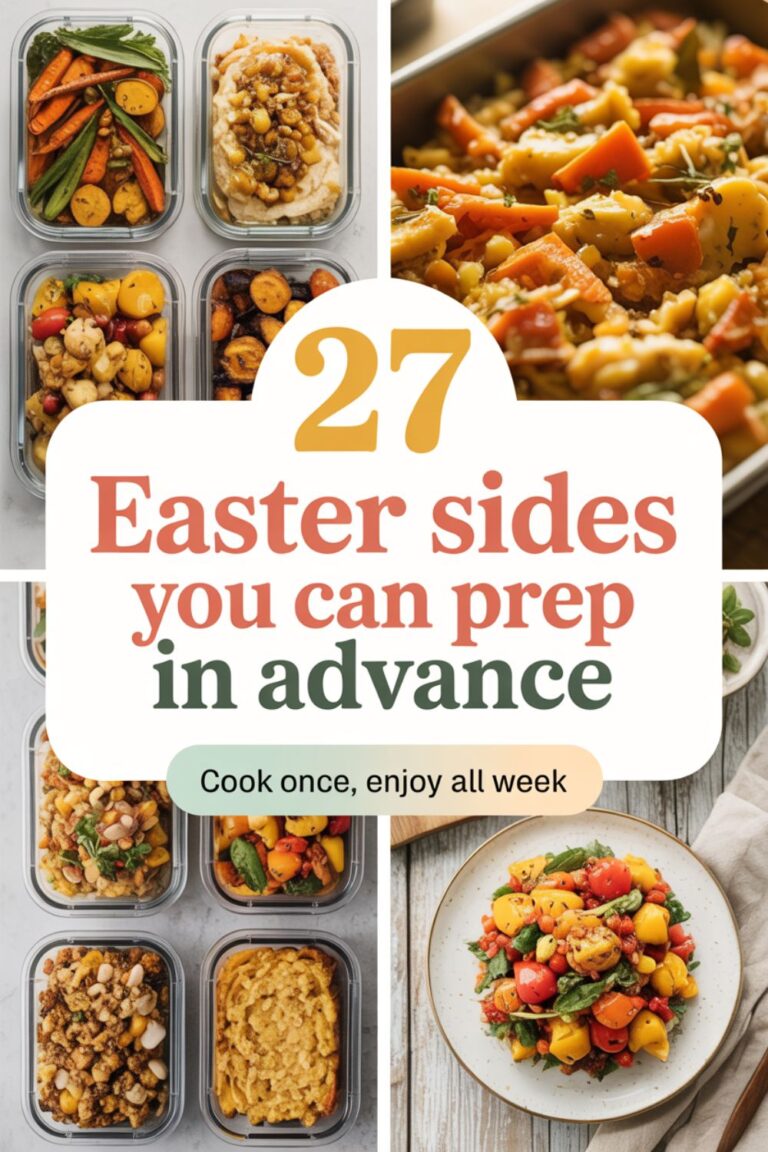
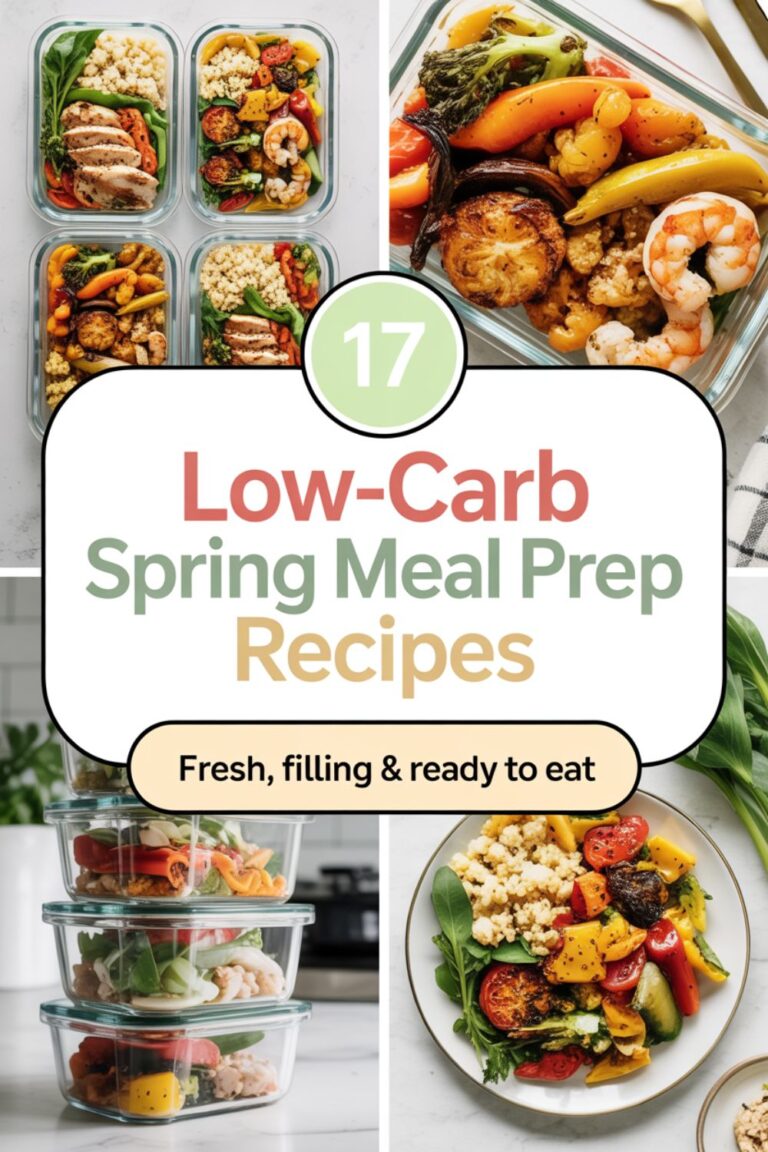
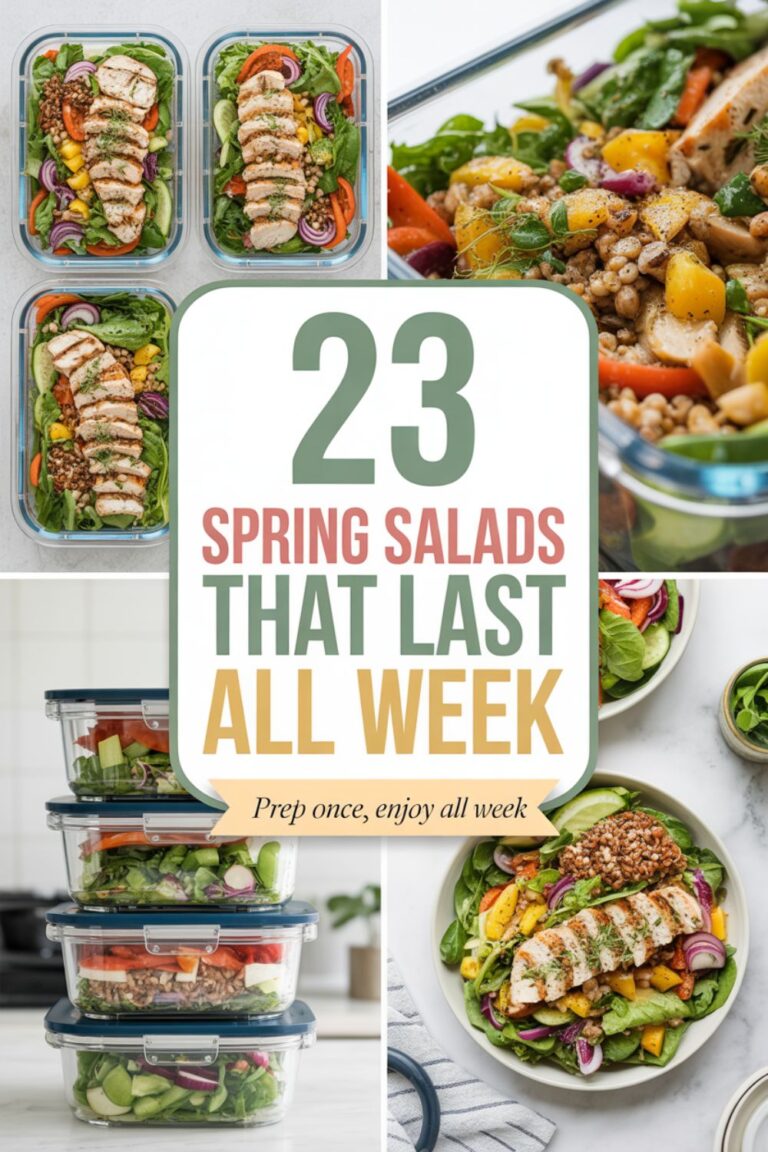
17 Easter Salads That Store Well
Easter tables get all the glory — glazed ham, roasted potatoes, desserts that require a nap afterward — but the salad? Usually an afterthought tossed together ten minutes before guests arrive. These 17 Easter salads flip that script entirely. Every single one holds up in the fridge, preps ahead without drama, and honestly tastes better after a few hours of rest. Let the ham have its moment. The salad is quietly stealing the show.
Here is a truth nobody talks about enough: the best Easter salads are the ones you make the day before. Grain salads soak up dressing and develop flavor overnight. Roasted vegetable salads mellow beautifully. Even a chopped green salad with a sturdy base — think kale, shaved cabbage, or romaine hearts — can sit dressed in the fridge for hours without wilting into sadness.
The salads that do not store well? The delicate leafy ones dressed in a vinaigrette with chunks of fresh strawberry and shaved cucumber. Beautiful for thirty minutes. A soggy mess by the time Uncle Paul finishes his second helping of ham. We are not doing that today.
Every salad in this list was chosen with one non-negotiable in mind: it has to still taste great the next day. Some of these are grain-based, some are pasta-based, and some rely on hearty vegetables that actually improve with a little marinating time. A few even work as both a side dish and a meal prep lunch for the rest of the week — which, FYI, is the kind of multitasking your holiday cooking absolutely deserves.
If you want to think ahead even further, check out these 21 Easter meal prep recipes for the week after — they pair perfectly with everything here and make the post-holiday fridge situation a whole lot more manageable.
What Makes an Easter Salad “Store Well”?
Before we get into the actual recipes, it is worth being honest about what you are looking for. A salad that stores well is not just one that does not kill you on day three. It is one that actively gets better with time — where the flavors meld, the textures stay interesting, and the whole thing still looks presentable on a platter.
According to research from Healthline on leafy green vegetables, many of the most nutritious greens — kale, arugula, Swiss chard — are also the most structurally resilient when dressed and stored. That is good news for meal preppers. It means your healthiest choices and your most practical choices are often the same thing.
The key characteristics that make a salad storage-friendly are:
- Sturdy greens — kale, cabbage, romaine hearts, arugula, radicchio
- Grain or pasta bases — orzo, farro, quinoa, couscous, lentils
- Roasted or marinated vegetables — they only get better as they sit
- Acidic dressings stored separately OR absorbed into starchy bases
- No watery fruits or fresh berries mixed in until just before serving
Keep these principles in mind and you will never serve a wilted Easter salad again. Now, on to the actual recipes.
Store dressing in a small mason jar on the side and toss it in right before serving — your greens will stay crisp for 2 to 3 extra days and the salad looks freshly made every time.
The 17 Easter Salads That Actually Hold Up
Lemon Orzo Salad with Asparagus and Feta
Orzo is the unsung hero of make-ahead salads. It absorbs dressing slowly, never gets mushy, and gives you that satisfying bite that feels more like a meal than a side. Toss it with blanched asparagus, crumbled feta, sun-dried tomatoes, and a lemon-olive oil dressing the night before. By Easter morning it will taste like you spent two hours on it.
- Storage: 3 to 4 days refrigerated
- Key tip: Add feta on day of serving to keep it from dissolving
- Swap: Use quinoa for a gluten-free version
Shaved Kale Caesar with Crispy Chickpeas
Kale caesar is the salad that changed the minds of every caesar skeptic. The massaged kale base holds up to dressing like a champ — you can dress this twelve hours ahead and it will be fine. The crispy roasted chickpeas add protein and crunch. I use these wide, shallow glass meal prep containers for storing it because the surface area keeps the kale from getting compacted and soggy.
- Storage: Up to 24 hours dressed; 3 days undressed
- Key tip: Massage the kale for at least 2 minutes before dressing
- Swap: Anchovies can be left out entirely — the dressing still works
Spring Pea and Mint Farro Salad
Farro is nutty, hearty, and basically the grain that does not care how long it sits in your fridge. This salad pairs it with sweet peas, fresh mint, thinly sliced spring onions, and a light champagne vinaigrette. It is the kind of thing that makes people ask what restaurant you ordered from, which is always the highest compliment.
- Storage: 4 days refrigerated
- Key tip: Cook farro al dente so it stays firm when dressed
- Swap: Pearl barley works if you cannot find farro
Roasted Beet and Goat Cheese Salad with Candied Walnuts
Roasted beets improve enormously after a night in the fridge. They absorb whatever vinaigrette you add and develop a deeper, more complex flavor. Paired with creamy goat cheese and candied walnuts, this is the salad that earns compliments from people who claim they do not like salad. Store the beets and dressing together; add the cheese and walnuts right before serving.
- Storage: Beets and dressing together up to 5 days
- Key tip: Roast beets whole with skin on, then peel — less bleeding
- Swap: Feta instead of goat cheese for a sharper flavor
Classic Deviled Egg Potato Salad
You cannot have Easter without eggs, and you cannot have a make-ahead Easter salad list without a proper potato salad. This version takes all the flavors of deviled eggs — mustard, mayo, sweet pickle relish, paprika — and folds them into tender Yukon Gold potatoes. It needs at least four hours in the fridge to be at its best. IMO, overnight is the move.
- Storage: 3 to 4 days refrigerated
- Key tip: Dress potatoes while still slightly warm — they absorb more flavor
- Swap: Greek yogurt for half the mayo keeps it lighter
Mediterranean Chickpea and Cucumber Salad
Chickpeas are the storage champion of the legume world. This salad — with cucumber, cherry tomatoes, red onion, kalamata olives, and a herby lemon dressing — actually gets better every day for about three days. It is one of those recipes where day-three tastes better than day-one, which is the dream for any Easter prep situation.
- Storage: 4 to 5 days refrigerated
- Key tip: Salt cucumber lightly and drain for 15 minutes before adding
- Swap: Add grilled chicken or tuna to turn it into a full meal
Roasted Asparagus and White Bean Salad
Asparagus and Easter go together the way ham and mustard do. This version roasts the asparagus until the tips are slightly charred, then tosses it with creamy white beans, shaved parmesan, and a bright lemon-dijon dressing. The beans add protein and bulk, making this genuinely filling as a side rather than just a gesture toward vegetables.
- Storage: 3 days; asparagus stays firm longer if not overdressed
- Key tip: Let the asparagus cool completely before mixing in beans
- Swap: Cannellini or great northern beans both work equally well
Broccoli Salad with Cranberries and Sunflower Seeds
This is the salad that confuses people the most. They expect something heavy and mayonnaise-drenched, and instead they get a creamy-tangy dressing that is lighter than it sounds, crunchy raw broccoli that holds up beautifully, sweet dried cranberries, and toasted sunflower seeds. Make this two days ahead without any hesitation — the broccoli softens just enough overnight to become perfectly tender-crisp.
- Storage: 4 to 5 days; seeds stay crunchiest if added day-of
- Key tip: Blanch broccoli briefly for a less raw bite, or keep it raw for max storage
- Swap: Swap cranberries for golden raisins or chopped dates
I made the broccoli salad and the farro pea salad two days before Easter Sunday. Both were absolute hits — and I had leftovers packed for lunch the whole next week. My family actually asked me to make the same salads again for Memorial Day. This is the first time a salad has been “requested” in my household.
— Maria T., from our meal prep communityStrawberry Spinach Salad with Poppy Seed Dressing
Here is the one exception to the “no fresh berries” rule, and it comes with a caveat: store the dressing separately and add strawberries right before serving. The spinach base holds up fine for two days. The poppy seed dressing stores well in a jar. The assembly takes about two minutes and it looks stunning on a spring table. Worth it. I use this leak-proof glass dressing jar with a pour spout for transporting it — no sad salad accidents in the fridge.
- Storage: Greens 2 days; dressing 5 days; add berries day-of
- Key tip: Baby spinach wilts faster than mature spinach — use mature if prepping ahead
- Swap: Mandarin oranges or sliced peaches when strawberries are not in season
Quinoa Tabbouleh with Spring Herbs
Traditional tabbouleh uses bulgur wheat, but quinoa makes it naturally gluten-free and bumps the protein significantly. Packed with fresh parsley, mint, lemon juice, diced cucumber, and cherry tomatoes, this is a salad that refrigerates brilliantly and doubles as a grain bowl base for the rest of the week. It is also one of those recipes that genuinely improves with twenty-four hours of rest.
- Storage: 4 days refrigerated
- Key tip: Let quinoa cool to room temperature before mixing in herbs
- Swap: Bulgur wheat for a more traditional take, or couscous for speed
Prep all your salad ingredients Sunday — washed greens, chopped vegetables, cooked grains, made dressings — and you can assemble three different Easter salads in under fifteen minutes the morning of the holiday.
Smashed Cucumber Salad with Rice Vinegar and Sesame
This one earns its spot for being the most unexpectedly refreshing thing on an Easter table. The smashing technique creates craggy surfaces that absorb the tangy sesame-vinegar dressing deeply. It is ready in ten minutes, stores for two days without losing its texture, and provides a bright palate cleanser between richer holiday dishes. Honestly, the contrast next to glazed ham is unbeatable.
- Storage: 2 days refrigerated
- Key tip: Salt cucumbers and drain for 30 minutes before dressing for crunch
- Swap: Add chili crisp oil for a spicier version
Green Goddess Pasta Salad
Is a pasta salad technically a salad? Absolutely, and anyone who argues otherwise is wrong. This version uses a blended herb dressing — basil, tarragon, chives, Greek yogurt, lemon — tossed with rotini pasta, blanched peas, shaved radishes, and fresh cucumber. The dressing clings to every curve of the pasta and stays vibrant green for days. I store it in this large BPA-free airtight container with a locking lid — keeps it fresh and makes transport to potlucks completely stress-free.
- Storage: 4 days refrigerated
- Key tip: Cook pasta just past al dente so it holds up after refrigeration
- Swap: Use chickpea pasta for a higher-protein, gluten-free version
Roasted Carrot and Lentil Salad with Cumin Dressing
This is the most underrated salad on this entire list and I will defend that claim confidently. French lentils hold their shape perfectly in the fridge. Roasted carrots develop a caramelized sweetness that pairs beautifully with a warm cumin-lemon dressing. A handful of fresh herbs and some toasted pepitas on top, and you have a salad that people will ask about for weeks.
- Storage: 4 to 5 days refrigerated
- Key tip: Use French (Puy) lentils — they hold their shape unlike green or red lentils
- Swap: Roasted sweet potato instead of carrot for a heartier version
Shaved Brussels Sprouts Salad with Lemon and Parmesan
Raw shaved Brussels sprouts are one of those ingredients that actually get better when dressed and refrigerated. The lemon juice softens them slightly and the parmesan gets absorbed into every layer. This salad looks elegant, feeds a crowd effortlessly, and requires zero cooking. Make it the night before and watch it disappear at the table.
- Storage: 3 days dressed; 5 days undressed
- Key tip: Use a mandoline or food processor for uniform, thin slices
- Swap: Pecorino Romano works beautifully instead of parmesan
The roasted carrot lentil salad was something I made on a whim and ended up bringing to three Easter gatherings in the same season because everyone kept requesting it. The cumin dressing is the secret. I now prep a double batch every spring holiday weekend and use the leftovers in grain bowls all week.
— James L., community memberAntipasto Tortellini Salad
Cheese tortellini from the refrigerated section of your grocery store is one of the most underused shortcut ingredients in the home cook’s arsenal. Toss it with artichoke hearts, roasted red peppers, salami, olives, pepperoncini, and a herby Italian dressing. Refrigerate overnight. Serve cold. It is the most crowd-pleasing salad at the table, without exception. A quality chef’s knife with a non-slip handle makes prepping all the charcuterie and vegetables fast and safe — totally worth having one that actually does the job right.
- Storage: 3 days refrigerated
- Key tip: Rinse tortellini with cold water immediately after cooking to prevent sticking
- Swap: Vegetarian version works beautifully — just skip the salami and add more artichokes
Herby Couscous Salad with Dried Apricots and Almonds
Pearl couscous — the larger kind — gives you something with real bite, and it absorbs whatever dressing you pour over it without turning soft. This salad uses a Moroccan-inspired combination of dried apricots, toasted almonds, fresh mint and parsley, cinnamon, and a lemon-honey dressing. It is fragrant, slightly sweet, and completely different from anything else on the Easter table, which is exactly why you need it there.
- Storage: 4 days refrigerated
- Key tip: Toast the couscous in a dry pan before cooking for a nuttier flavor
- Swap: Israeli couscous (same thing, different name) or orzo both work
Classic Southern Cornbread Panzanella
Technically a bread salad, practically a revelation. Day-old cornbread gets cubed and lightly toasted until the outside is crispy, then tossed with roasted cherry tomatoes, corn, red onion, and a tangy buttermilk herb dressing. It stores for two days — the bread softens on the exterior while staying slightly crusty in the middle — and it is the one salad that genuinely gets people surprised that bread in a salad can work this well. I toast the cornbread using a heavy-duty baking sheet with raised edges — no curled edges, no uneven browning, just perfect toast every time.
- Storage: 2 days; best at the 12 to 24-hour mark
- Key tip: Use cornbread that is at least one day old — fresh is too soft
- Swap: Regular sourdough if you do not want the Southern angle
How to Store Easter Salads Properly
Getting the salad right is half the battle. Storing it properly is the other half. A beautiful farro salad kept in a bowl covered with plastic wrap will taste flat by day two. The same salad kept in an airtight container will taste better. The storage method genuinely matters as much as the recipe.
For grain and pasta salads: Use a tight-sealing container and press a piece of parchment paper directly onto the surface of the salad before putting the lid on. This limits air exposure and keeps the top layer from drying out or developing that refrigerator-film taste.
For green salads: Keep the dressing in a separate container until you are ready to serve. Line the storage container with a paper towel to absorb any excess moisture from the greens. This alone can extend the life of a green salad by a full day. I keep a set of these stackable airtight glass containers with bamboo lids specifically for salad prep — they seal properly and do not absorb smells the way cheaper plastic containers do.
For roasted vegetable salads: Store at room temperature for up to two hours before refrigerating. Do not cover hot vegetables with a lid — condensation is the enemy of texture. Let them cool on the pan, transfer to containers, then refrigerate.
Label your containers with the date and contents. When you have six different salads in the fridge before a holiday, the one you made three days ago looks identical to the one you made this morning. Date labels are not excessive — they are the difference between confidently serving lunch and quietly wondering if something smells a little off.
Meal Prep Essentials Used in This Plan
Real talk — having the right tools and resources makes the difference between a meal prep session that feels efficient and one that feels like a punishment. Here is what I actually use and recommend to anyone trying to make Easter salad prep less chaotic.
Perfect for layered salads and overnight grain bowls. Leak-proof, dishwasher safe, and the wide mouth actually lets you get a fork in without fighting the jar.
Uniform shaved Brussels sprouts, paper-thin radishes, and consistent cucumber slices without the knife drama. The safety guard is not optional — it is a hand-saving non-negotiable.
Dry greens store significantly longer than wet ones. A good salad spinner is genuinely the most used piece of equipment in a serious meal prep kitchen.
Turn holiday leftovers into a full week of structured meals. This guide pairs directly with every salad in this list.
The most practical post-Easter resource available. Ham, salads, side dishes — all of it gets transformed into something you actually want to eat Monday through Friday.
This pairs perfectly with the salads in this list — a full side dish plan that makes your Easter table stress-free from Friday through Sunday.
Why Spring Salads Are Worth Prioritizing at Easter
Easter lands squarely in peak asparagus, pea, and radish season across most of North America and Europe. These ingredients are not just traditional — they are genuinely at their nutritional best right now. Research from the USDA Agricultural Research Service confirms that dark leafy greens provide carotenoid antioxidants that protect cells and support long-term cardiovascular health — making an Easter salad not just a side dish but a genuinely worthwhile nutritional contribution to a meal that tends toward the heavier side.
Spring greens and seasonal vegetables are also significantly higher in water content and lower in calories than most other holiday sides. They provide balance — both textural and nutritional — to a plate that otherwise runs heavy on starch, fat, and salt. A legume-based salad like the lentil and carrot combination also offers a satisfying plant-based protein source for guests who do not eat meat, which makes one thoughtful salad an inclusive choice for the whole table.
For anyone thinking about lighter eating through the spring season, it is worth checking out these 23 high-protein spring meal prep ideas — they extend the same seasonal ingredient logic beyond just Easter weekend into a full spring meal prep approach.
Tools and Resources That Make Cooking Easier
These are the things that make prep day feel productive rather than chaotic. A mix of gear you can hold in your hand and digital guides you can actually use — no fluff, just the stuff that works.
Every creamy dressing, every green goddess sauce, every emulsified vinaigrette — all done in the jar you are already storing the dressing in. One tool, one mess, done.
For roasting asparagus, beets, carrots, and cornbread cubes. A proper rimmed sheet pan that does not warp at high heat is quietly the most important tool in any prep kitchen.
Mix and store dressing in one container with a no-drip pour spout. When you have four different dressings for four different salads, this kind of organization is genuinely a sanity saver.
Your Easter vegetable roasting strategy, extended into a full week of effortless cooking. One pan, minimum washing, maximum results.
The broadest spring meal prep resource in this collection — a complete framework for using seasonal ingredients efficiently across an entire week.
The companion guide to this article — get the brunch side sorted and these salads carry the rest of your Easter menu effortlessly.
Dressing Storage: The Rule Everyone Ignores
Here is the thing about dressings: most home cooks make them fresh, use a little, and let the rest sit in a bowl in the fridge where it oxidizes and tastes strange by day two. The solution is embarrassingly simple. Make your dressing in a jar, seal it, and it keeps for a week. Most vinaigrettes with good olive oil, acid, and herbs stay bright and sharp for five to seven days when sealed and refrigerated.
For creamy dressings — poppy seed, ranch, green goddess — the window is three to four days. For anything with raw garlic, use it within two days; after that the garlic gets harsh and overtakes the whole dressing. And for anything with fresh herbs blended in, press a piece of plastic wrap directly on the surface of the dressing before sealing. It keeps the color green instead of going brown from oxidation.
If you want to see how this dressing-forward thinking applies to a full week of lunches, the 5-day high-protein lunch meal prep guide has a great approach to keeping everything fresh and satisfying from Monday through Friday.
Frequently Asked Questions
How far in advance can I make Easter salads?
Grain and pasta salads can be made two to three days ahead without any quality loss — they actually taste better after a rest. Roasted vegetable salads hold well for two days. Green leaf salads should have components prepped ahead but be dressed no more than a few hours before serving. The key is keeping dressings separate until close to serving time.
Which Easter salads are best for a crowd of 20 or more?
Grain salads like farro, quinoa tabbouleh, and orzo are the easiest to scale up significantly without quality issues. Pasta salads like the antipasto tortellini and green goddess versions are also excellent crowd-pleasers that transport and serve easily at scale. Both scale linearly — double the batch, double the container size, same result.
Can Easter salads be made gluten-free?
Most of the salads in this list are naturally gluten-free or have easy swaps. Orzo can be replaced with quinoa or rice, pasta can be swapped for chickpea or lentil pasta, farro can be replaced with certified gluten-free oats or millet. Always check labels on packaged grains, dressings, and condiments for hidden gluten sources.
What is the best way to transport Easter salads to a gathering?
Use wide, shallow airtight containers — they keep salads more even and prevent compression. Transport dressings separately in sealed jars. Pack delicate toppings like nuts, seeds, or croutons in small zip bags and add them on-site. For anything that needs to stay cold, a quality insulated bag with a flat ice pack underneath the container keeps everything food-safe for up to three hours in transit.
Do Easter salads work for meal prep lunches the week after?
Absolutely, and that is one of the best reasons to make extra. Grain salads, legume salads, and roasted vegetable salads all transition seamlessly into weekday lunches. The roasted carrot lentil salad, Mediterranean chickpea salad, and farro pea salad are especially well-suited for this — they stay fresh through Thursday of the following week with no additional prep required.
The Bottom Line on Easter Salads That Store Well
The best Easter salads are not the ones you make right before guests arrive — they are the ones you made last night, or two nights ago, that are sitting in the fridge right now getting better with every passing hour. Grain salads, legume salads, roasted vegetable combinations, and hearty greens are your allies. Delicate leaves and watery fruits are for the day-of garnish, not the base.
Pick three or four salads from this list, prep them on Friday, and your Saturday and Sunday become about actually enjoying the holiday instead of standing in the kitchen wondering why nothing is ready. That is the whole point of make-ahead cooking — it gives you your time back.
And if you end up with leftovers on Monday? Good. That is Tuesday’s lunch sorted, and Wednesday’s, and quite possibly Thursday’s too. A salad that stores well is not just an Easter dish — it is a meal prep strategy that keeps working long after the holiday table is cleared.