Build Your Perfect Vegetarian Meal Prep Plan
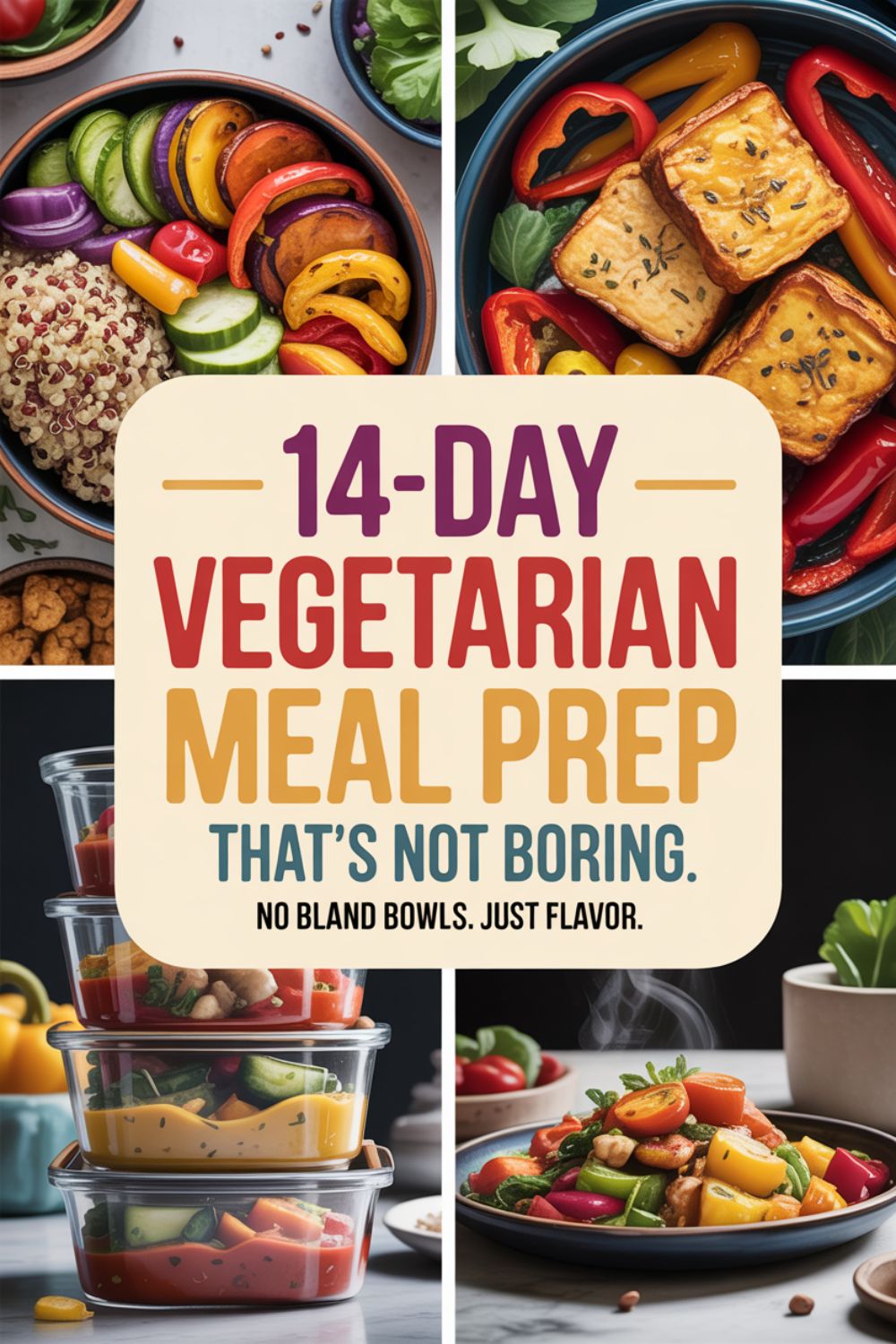
14-Day Vegetarian Meal Prep That’s Not Boring
Let me guess—you’re tired of eating the same sad veggie bowl five days in a row, right? You’ve tried meal prepping before, but by day three, you’re already eyeing that takeout menu because your containers of brown rice and steamed broccoli are about as exciting as watching paint dry.
Here’s the thing: vegetarian meal prep doesn’t have to be boring. Actually, it shouldn’t be. When you plan it right, plant-based eating gives you more variety, bolder flavors, and way more creativity than you’d get with the same grilled chicken routine everyone else is doing.
I’ve spent years perfecting a vegetarian meal prep system that actually keeps me excited to open my fridge. No flavorless tofu blocks. No mushy vegetables that lost their will to live on day two. Just real food that tastes good, stays fresh, and makes you feel amazing.
This 14-day plan is designed for people who want results without sacrificing flavor or spending their entire Sunday in the kitchen. Whether you’re trying to lose weight, build muscle, or just eat healthier without overthinking it, this guide has you covered.
How This Vegetarian Plan Works
This isn’t one of those restrictive plans that has you counting every almond or obsessing over macros. It’s built around whole foods, balanced nutrition, and meals that actually make you want to eat healthy.
Each day gives you roughly 1,500-1,800 calories, with 20-25g of protein per meal. That’s enough to keep you satisfied, support muscle recovery, and fuel your day without feeling deprived. The protein comes from a mix of legumes, dairy, eggs, nuts, and whole grains—so you’re never relying on one source.
The beauty of this plan is the flexibility. You can follow it exactly as written, or swap meals around based on what you’re craving. All the recipes are designed to last 3-4 days in the fridge, and most freeze beautifully if you want to prep further ahead.
What Makes This Plan Different
Most vegetarian meal plans fall into one of two traps: they’re either too complicated with weird ingredients you’ll use once, or they’re so boring you’d rather skip meals entirely. This plan avoids both.
Every recipe uses ingredients you can find at any grocery store. Nothing exotic, nothing expensive, nothing that expires before you can use the whole container. And the flavors? Bold, satisfying, and varied enough that you won’t feel like you’re eating the same thing on repeat.
Plus, I’ve structured the prep so you’re not cooking for six hours straight. You’ll batch cook a few base components, then mix and match them throughout the week. It’s efficient, it’s practical, and it leaves you with actual free time on the weekend.
Your Complete 14-Day Meal Plan
Day 1
Day 2
Day 3
Day 4
Quick Swap Options
Not a fan of chickpeas? Swap for white beans, lentils, or edamame in any recipe.
Dairy-free? Use cashew yogurt, nutritional yeast for cheese, and coconut milk in place of dairy.
Need more protein? Add a scoop of your favorite plant protein powder to breakfast smoothies or oatmeal.
Day 5
Day 6
Day 7
Week 1 Prep Checklist
- Cook 4 cups of quinoa and 4 cups of brown rice (store separately)
- Roast 3 sheet pans of mixed vegetables (sweet potato, broccoli, bell peppers)
- Prep 2 batches of hard-boiled eggs (12 eggs total)
- Make overnight oats base for 3 days
- Chop all vegetables for salads and bowls
- Cook lentil curry and store in portions
Day 8
Day 9
Day 10
Day 11
Quick Swap Options
Short on time? Swap any dinner for a store-bought vegetarian frozen meal (#) and bulk it up with a side salad.
Craving comfort food? Replace any lunch with a grilled cheese and tomato soup combo.
Need variety? Check out these 14 meal prep bowls for more inspiration.
Day 12
Day 13
Day 14
Week 2 Prep Checklist
- Batch cook vegetarian chili and portion into containers
- Prepare falafel and store in airtight container
- Make chia pudding for 3 days
- Bake protein muffins for grab-and-go breakfasts
- Prep all salad vegetables and store separately from dressing
- Cook grains (quinoa, rice) and refrigerate
What You’ll Eat (High-Level Overview)
This plan rotates through different protein sources to keep things interesting and ensure you’re getting a complete amino acid profile. You’ll eat eggs about 4-5 times per week, legumes (beans, lentils, chickpeas) almost daily, and dairy or dairy alternatives regularly.
The carbs come mostly from whole grains like quinoa, brown rice, and whole wheat bread. But you’ll also get plenty from starchy vegetables like sweet potatoes and butternut squash. These aren’t just filler—they’re loaded with fiber, vitamins, and minerals that keep your energy stable all day.
Fats are where vegetarian eating really shines. You’ll get healthy fats from avocados, nuts, seeds, olive oil, and nut butters. These keep you satisfied between meals and help your body absorb all those fat-soluble vitamins from your vegetables.
The Protein Strategy
Getting enough protein on a vegetarian diet isn’t hard—you just need to be intentional. This plan combines complementary proteins throughout the day, so you’re never relying on a single source.
For example, you might have Greek yogurt at breakfast (complete protein), hummus at lunch (incomplete), and lentils at dinner (incomplete). But together, over the course of the day, you’re getting all the essential amino acids your body needs. If you’re interested in higher protein options, this collection of high-volume low-calorie meals has some great vegetarian choices.
Each meal targets 15-26g of protein, which is the sweet spot for muscle protein synthesis. That means your body can actually use the protein you’re eating, rather than just converting excess to glucose.
Meal Prep & Kitchen Setup That Makes Life Easy
The secret to sticking with meal prep isn’t willpower—it’s having the right systems in place. I’m talking about the containers, the tools, and the prep strategy that turn a chaotic Sunday into a streamlined two-hour operation.
First, you need glass meal prep containers with divided sections (#). Plastic is fine, but glass keeps food fresher longer and doesn’t absorb smells. The divided sections are crucial for keeping wet ingredients away from things that get soggy.
The Two-Hour Prep Method
Here’s how I batch everything without losing my mind. Start by turning your oven to 425°F and getting two sheet pans ready. While the oven preheats, chop all your vegetables for roasting—sweet potatoes, broccoli, bell peppers, whatever you’re using that week.
Season them with olive oil, salt, and pepper, then get them in the oven. While those roast for 25-30 minutes, start your grains. I use a rice cooker (#) for this because it’s completely hands-off. Cook a big batch of quinoa or brown rice, and you’re set for the week.
While the vegetables roast and the grains cook, prep your proteins. Hard-boil a dozen eggs, cook a pot of lentils or beans, and if you’re using tofu or tempeh, press and marinate it now. By the time everything’s done, you’ve got all your base components ready to mix and match.
Pro Tip: Label everything with the date you cooked it. Most cooked grains and roasted vegetables last 4-5 days in the fridge, but proteins like eggs and dairy are best used within 3-4 days. This simple system prevents food waste and keeps you safe.
Storage Hacks That Actually Work
Store wet ingredients separately from dry ones. That means dressing goes in a small container or at the bottom of your salad jar, not mixed in. Nuts, seeds, and crispy toppings stay in separate bags until you’re ready to eat.
For things like overnight oats or chia pudding, mason jars (#) are your best friend. They seal perfectly, stack easily, and you can eat straight from the jar. Plus they’re way more aesthetically pleasing than plastic containers, which honestly makes meal prep feel less like a chore.
If you’re prepping salads, layer them strategically: dressing on the bottom, hearty vegetables next, proteins in the middle, and delicate greens on top. When you’re ready to eat, just shake it up. For more portable meal ideas, check out these 21 grab-and-go meals that work perfectly for busy days.
Food Safety Matters
According to the USDA Food Safety guidelines, cooked foods should be refrigerated within two hours of cooking and used within three to four days for optimal safety. This is crucial for meal prep—you’re not just storing leftovers, you’re planning ahead.
Always refrigerate your prepped meals at 40°F or below. If your fridge runs a bit colder, around 35°F, you might get an extra day of freshness. But don’t push it past four days for proteins and cooked grains. When in doubt, freeze portions you won’t eat within that window.
Meal Prep Essentials Used in This Plan
Glass Meal Prep Containers
Look for ones with divided compartments and snap-tight lids. They keep food fresh longer and go straight from fridge to microwave.
Shop glass containers (#)
Rice Cooker
A total game-changer for batch cooking grains. Set it and forget it while you prep everything else.
Find rice cookers (#)
Sheet Pans (2-3)
Heavy-duty rimmed baking sheets for roasting vegetables. Get at least two so you can cook multiple batches at once.
Browse sheet pans (#)
Mason Jars
Perfect for overnight oats, chia pudding, and layered salads. The 16oz size is ideal for most meals.
Get mason jars (#)
Meal Prep Template
A digital planning template helps you organize your weekly prep and shopping lists efficiently.
Download meal planner (#)
Vegetarian Cookbook
Having a go-to resource for protein-rich vegetarian recipes makes meal planning so much easier.
Shop cookbooks (#)
Common Mistakes That Kill Results
The biggest mistake people make with vegetarian meal prep is not planning for protein. They fill their containers with rice and vegetables, then wonder why they’re hungry two hours later. Every meal needs a solid protein source—eggs, beans, lentils, tofu, tempeh, or dairy.
Another killer mistake is prepping everything on Sunday and expecting it to taste good on Thursday. Some foods just don’t last. Delicate greens get slimy. Avocados turn brown. Crispy toppings get soggy. The solution is to prep components, not finished meals, and assemble fresh when possible.
The Flavor Fade Problem
Ever notice how meal prep tastes amazing on day one but totally bland by day three? That’s because flavors mellow as food sits. Combat this by slightly over-seasoning when you cook. Add fresh herbs, a squeeze of lemon, or a drizzle of sauce right before eating to wake everything back up.
Also, don’t be afraid to use bold spices and marinades. Cumin, smoked paprika, garlic, ginger—these flavors actually develop and improve over time. Your day-three lunch might actually taste better than day one if you season aggressively.
Not Eating Enough Variety
Rotating the same three meals every single week is how people burn out on meal prep. This 14-day plan forces variety by design, but you should also feel free to swap things around. If you’re sick of chickpeas, use white beans. If sweet potatoes aren’t doing it for you, try butternut squash.
The vegetarian world is massive. According to research on complete proteins from plant sources, combining different foods throughout the day ensures you get all essential amino acids. You don’t need the same meals on repeat—mix it up.
Pro Tip: Keep a “flavor boost” kit in your fridge with fresh herbs, hot sauce, tamari, sriracha, and lemon wedges. These small additions completely transform reheated meals and prevent flavor fatigue.
Customizing This Plan for Your Lifestyle
Not everyone needs the same amount of food. If you’re training hard or you’re particularly active, you might need to bump up portions or add extra snacks. If you’re trying to lose weight, you might scale back slightly while keeping the protein high to preserve muscle.
The easiest way to adjust this plan is through your grain portions. Need more calories? Increase your rice, quinoa, or whole wheat pasta servings. Need fewer? Cut them in half and add more non-starchy vegetables. The protein and healthy fats should stay relatively consistent either way.
Vegan Modifications
This plan includes eggs and dairy, but it’s easy to make it fully vegan. Swap Greek yogurt for coconut or cashew yogurt. Use nutritional yeast instead of cheese. Replace eggs with tofu scrambles or chickpea flour omelets. The protein totals will be similar if you’re intentional about it.
For dairy-free protein, focus on tofu, tempeh, seitan, and legumes. Research from nutrition studies on vegetarian diets shows that protein adequacy is easily achievable when consuming a variety of plant foods like legumes, nuts, and seeds.
Budget-Friendly Swaps
Meal prep doesn’t have to be expensive. Buy dried beans and lentils instead of canned—they’re a fraction of the cost and just as nutritious. Skip the fancy ancient grains and stick with brown rice and oats. Frozen vegetables are cheaper than fresh and often more nutritious since they’re frozen at peak ripeness.
Seasonal produce is always cheaper. In summer, load up on zucchini, tomatoes, and bell peppers. In winter, focus on squash, cabbage, and root vegetables. For more budget-conscious meal ideas, this 7-day meal plan has great low-cost options that work for vegetarians too.
What If You Get Bored?
Listen, even the best meal plan gets old if you follow it to the letter for weeks on end. The solution isn’t to abandon meal prep—it’s to rotate your proteins, change your flavor profiles, and keep things interesting.
One week, go Mediterranean with hummus, falafel, and tabbouleh. The next week, try Asian-inspired meals with tofu, edamame, and sesame ginger flavors. Then switch to Mexican-style bowls with black beans, salsa, and cilantro lime rice. Same meal prep principles, totally different experience.
You can also check out resources like these 14 meal prep bowl ideas for more variety when you need a refresh. The key is keeping the structure while changing the flavors.
Pro Tip: Create a “rotation calendar” where you cycle through different cuisine styles each week. This prevents decision fatigue while keeping your taste buds engaged. Week 1: Mediterranean. Week 2: Asian. Week 3: Mexican. Week 4: Indian-inspired. Repeat.
Tools & Resources That Make Cooking Easier
Instant Pot
Cooks beans from scratch in under an hour, makes perfect rice, and can even sauté vegetables. Worth every penny.
Shop Instant Pots (#)
Food Scale
If you’re tracking macros or portions, a simple digital scale takes the guesswork out of meal prep.
Find food scales (#)
Silicone Baking Mats
Reusable, non-stick, and perfect for roasting vegetables without them sticking to the pan.
Browse baking mats (#)
Meal Prep Labels
Track what you cooked and when. Simple but game-changing for food safety and organization.
Get prep labels (#)
Nutrition Tracking App
Digital tools help you monitor protein intake and ensure you’re hitting your goals consistently.
Download tracking app (#)
Recipe Organization System
A digital system to save, organize, and plan your favorite vegetarian recipes makes weekly prep effortless.
Try recipe planner (#)
Making It Work With a Busy Schedule
The whole point of meal prep is to save time during the week, but that only works if your Sunday prep session doesn’t consume your entire day. That’s why I keep my active cooking time to about two hours max.
Start with what takes the longest—roasting vegetables and cooking grains. Get those going first, then move to quicker tasks like chopping vegetables, hard-boiling eggs, or making overnight oats. By the time your grains and roasted vegetables are done, you’ve already knocked out half your prep.
If even two hours feels like too much, split it up. Do your grains and proteins on Sunday, then prep your vegetables and snacks on Wednesday. Or prep breakfast items one day and lunch and dinner another day. There’s no rule that says it all has to happen at once. For more streamlined meal prep strategies, this 7-day busy woman’s meal prep plan has time-saving tips.
The Minimal-Effort Method
If you’re really strapped for time, focus on just three things: a grain, a protein, and roasted vegetables. That’s it. Cook a big pot of quinoa, roast two sheet pans of mixed vegetables, and make a batch of black beans or baked tofu. Everything else—dressings, toppings, fresh herbs—you can add as you go.
This stripped-down approach still gives you endless combinations. Quinoa bowl with roasted vegetables and tahini one day. The same ingredients in a wrap with hummus the next. Same base components, different meals.
What About Eating Out?
Meal prep doesn’t mean you never eat out again. It just means you’re not relying on restaurants for every single meal because you have nothing at home. When you do eat out, vegetarian options are everywhere now—from Mediterranean restaurants with falafel and hummus to Thai places with tofu curries.
The beauty of following a flexible plan like this is that one restaurant meal doesn’t derail anything. Just get back to your prepped meals the next day. The goal is consistency over perfection, not rigid adherence to a plan.
For those weeks when you know you’ll be eating out more, check out these no-reheat lunch ideas that work great for office lunches or days when you don’t have access to a microwave.
Dealing With Cravings
Here’s something nobody talks about: you’re going to crave non-vegetarian foods sometimes, especially if you’re new to this style of eating. That’s completely normal and doesn’t mean you’re failing.
The trick is having satisfying alternatives. Craving a burger? Make a black bean burger or a portobello mushroom burger with all the fixings. Want something creamy and indulgent? A good cheese quesadilla or creamy pasta with ricotta hits that spot.
This is why this plan includes variety—pizza, burritos, curries, stir-fries. You’re not eating rabbit food. You’re eating real, satisfying meals that happen to be vegetarian.
Community Feedback: “I thought I’d miss meat so much, but after two weeks of this plan, I realized I was just bored with bland food. These meals are so flavorful that I don’t even think about it.” – Sarah M.
Tracking Your Progress
If you’re using this plan for weight loss or muscle building, track how you feel, not just what the scale says. Are you satisfied after meals? Do you have steady energy? Are you recovering well from workouts? These are better indicators than daily weight fluctuations.
Take photos of your meals, especially in the first week. It helps you see what portions work for you and what combinations you actually enjoy eating. Plus, it’s useful for recreating meals you loved.
For a more structured approach to tracking results, you might want to look at this 21-day weight loss meal prep plan which includes tracking templates and progress check-ins.
Frequently Asked Questions
Do I need to eat complete proteins at every meal?
No, you don’t. According to Cleveland Clinic nutritionists, you just need to get a variety of protein sources throughout the day. Your body pools amino acids, so as long as you’re eating diverse foods, you’ll get everything you need.
How long will prepped meals last in the fridge?
Most cooked grains, roasted vegetables, and proteins last 3-4 days when stored properly at 40°F or below. Always label containers with the date you cooked them, and when in doubt, freeze portions you won’t eat within that window.
Can I freeze these meals?
Yes, most of these meals freeze beautifully. Soups, chilis, burrito bowls, and grain-based dishes all freeze well for up to 3 months. Just avoid freezing meals with fresh greens or items that get soggy like cucumbers or tomatoes.
What if I don’t like one of the meals?
Swap it out! This plan is flexible. If you hate mushrooms, skip the portobello steaks and make something else. The structure is more important than the specific recipes. As long as you’re hitting your protein goals and eating a variety of foods, you’re good.
Is this plan suitable for weight loss?
At 1,500-1,800 calories per day with high protein, this plan works well for weight loss for most people. If you need fewer calories, reduce grain portions. If you need more, add extra healthy fats like nuts, seeds, or avocado. For more specific calorie targets, check out this 14-day calorie deficit plan.
Final Thoughts
Vegetarian meal prep doesn’t have to be boring, bland, or time-consuming. With the right strategy, you can eat incredibly well while saving time, money, and mental energy. This 14-day plan gives you the structure you need while leaving room for flexibility and personal preference.
The key is to focus on variety, bold flavors, and adequate protein. Prep your base components, store them properly, and mix and match throughout the week. Use quality containers, plan for food safety, and don’t be afraid to customize based on what you actually enjoy eating.
Start with this plan, see what works for you, and adjust as needed. Meal prep is a skill that gets easier with practice. Before you know it, you’ll have a system that feels effortless, and you’ll wonder how you ever managed without it.