Build Your Perfect Family Meal Prep Plan
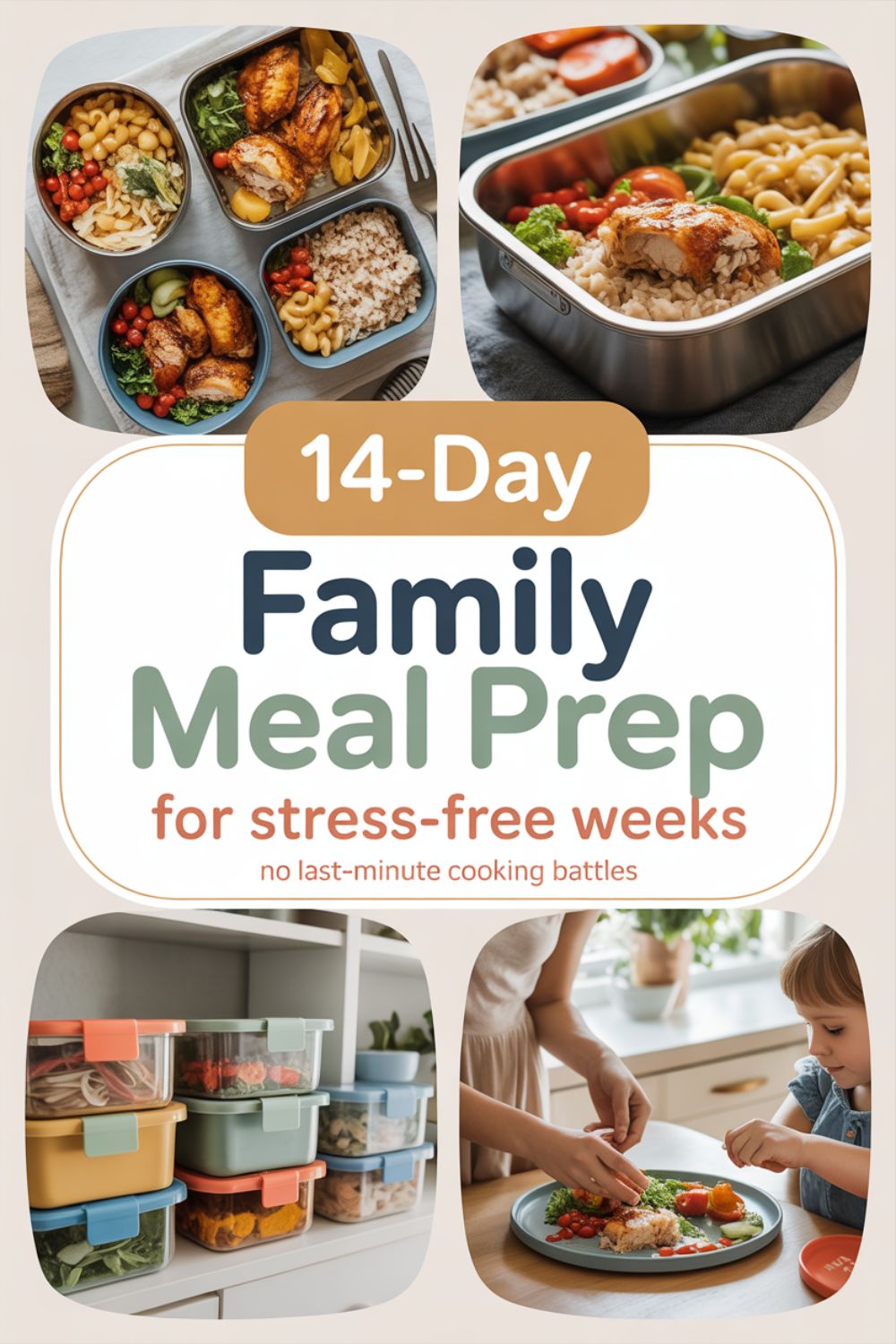
14-Day Family Meal Prep for Stress-Free Weeks
Let me guess. You spend Sunday nights staring into the fridge, wondering what on earth you’re going to feed your family this week. Monday hits, and you’re scrambling to throw together something edible while the kids ask what’s for dinner every five minutes.
I’ve been there. The mental load of figuring out 21 meals a week for a hungry family is exhausting. But what if you could walk into your kitchen every single day knowing exactly what’s for breakfast, lunch, and dinner?
That’s what this 14-day family meal prep plan does. You’ll spend less time stressing and more time actually enjoying meals with your family. No more last-minute takeout runs or cereal-for-dinner nights.
This plan works for real families with real schedules. You won’t find fancy ingredients or complicated techniques here. Just straightforward meals your family will actually eat, prepared in ways that save you serious time and sanity.
How This Family Meal Prep Plan Works
This isn’t about spending your entire Sunday cooking. You’ll use batch cooking strategies that smart families have been using for years to get ahead of the chaos.
The plan focuses on recipes that feed families of four to six people, with plenty of leftovers built in. You’ll cook certain proteins and grains in bulk, then mix and match them throughout the week. Research from Harvard’s Nutrition Source shows that meal prep helps save money, saves time in the long run, helps with portion control, and significantly reduces daily stress around food decisions.
Each meal includes a balance of protein, complex carbohydrates, and vegetables. You’re not following a restrictive diet here. You’re building sustainable eating habits that work for busy families. Studies confirm that spending time on food preparation at home leads to healthier dietary habits, with families who meal prep consuming fast food less frequently and meeting dietary recommendations more consistently.
The Three-Phase Approach
Week one introduces you to the basics of family meal prep. You’ll learn which foods store well and how to organize your fridge for maximum efficiency. Week two builds on those skills with slightly more variety.
By the end of two weeks, you’ll have a solid rotation of family-friendly meals that you can repeat, swap, and customize. The beauty of this system is that once you’ve done it twice, you can practically do it with your eyes closed.
Each Sunday, you’ll spend about two to three hours prepping ingredients and cooking base components. Then during the week, dinner comes together in 15 to 20 minutes max. That’s less time than it takes to order and pick up takeout.
Your Complete 14-Day Family Meal Plan
Every meal here is designed with families in mind. That means kid-approved flavors, simple ingredients, and meals that hold up well when stored. Let’s dig into your two-week roadmap.
Week 1: Building Your Foundation
Day 1
Day 2
Day 3
Quick Swap Options for Days 1-3
- Chicken thighs: Swap for boneless chicken breast or pork chops
- Turkey meatballs: Use ground chicken or lean beef instead
- Salmon: Try cod, tilapia, or even firm tofu for variety
- Sweet potatoes: Regular potatoes or butternut squash work great
Day 4
Day 5
Day 6
Day 7
Week 1 Prep Checklist
Sunday Prep Session:
- Bake 3 lbs chicken thighs (use Days 1-2)
- Make turkey meatballs in bulk (freeze half for later)
- Cook 4 cups quinoa and 4 cups brown rice
- Prep overnight oats for 3 mornings
- Chop all vegetables for the week
- Hard-boil a dozen eggs
- Start slow cooker chicken fajitas on Day 4 morning
- Start pulled pork in slow cooker on Day 7 morning
If you’re looking for even more variety in your weekly rotation, you might love this 7-day meal prep plan for busy schedules that works perfectly alongside family meal planning.
Week 2: Expanding Your Rotation
Day 8
Day 9
Day 10
Quick Swap Options for Days 8-10
- Protein pancakes: Regular whole grain pancakes or French toast work too
- Couscous: Swap for orzo, quinoa, or brown rice
- Turkey chili: Make it with ground beef, chicken, or go vegetarian with extra beans
- Tilapia: Any white fish or even chicken breast is perfect
Day 11
Day 12
Day 13
Day 14
Week 2 Prep Checklist
Sunday Prep Session:
- Bake 3 lbs chicken breast (use Days 8-9, 12-13)
- Make turkey chili in large batch (freeze extras)
- Bake egg muffins for quick breakfasts
- Cook 4 cups couscous, 3 cups wild rice, 3 cups jasmine rice
- Prep chia pudding for 2 mornings
- Make protein balls for snacks
- Chop all vegetables for the week
- Start pot roast in slow cooker on Day 11 morning
Looking for meals that travel well to work or school? Check out these no-reheat lunch ideas that work perfectly with this family meal prep system.
What You’ll Eat: High-Level Overview
This plan prioritizes whole foods that families actually enjoy eating. You won’t find weird superfoods or expensive specialty items here.
Protein Powerhouses
You’ll rotate through chicken, turkey, beef, pork, fish, and eggs. Each protein source appears multiple times throughout the two weeks, which means you’re buying in bulk and saving money. Research shows that home-cooked meals are significantly more likely to include nutritious ingredients compared to pre-prepared or restaurant meals.
The protein amounts range from 25 to 40 grams per meal for adults, with slightly smaller portions for kids. This supports everyone’s energy needs without going overboard. According to nutrition experts, family meals typically involve more fruits and vegetables than fast food or restaurant fare, with regular family meals increasing overall intake of calcium-rich foods, fiber, and essential vitamins.
Vegetables That Don’t Feel Like Punishment
Every dinner includes at least one vegetable, usually roasted or steamed. We’re talking broccoli, green beans, Brussels sprouts, peppers, and carrots. These are vegetables kids recognize and parents can prep quickly.
You’ll also sneak vegetables into lunches through wraps, salads, and bowls. No child has ever complained about finding peppers in their fajitas when the fajitas taste good.
Carbs That Keep Everyone Full
Brown rice, quinoa, sweet potatoes, whole wheat pasta, and whole grain bread make up your carbohydrate rotation. These complex carbs provide sustained energy for active families.
You’ll cook grains in bulk on Sunday, then portion them out for the week. This single strategy cuts your weeknight cooking time in half.
Meal Prep & Kitchen Setup That Makes Life Easy
Your kitchen setup matters more than you think. The right containers and tools turn meal prep from a chore into a simple system.
Container Strategy
You need glass containers with snap-on lids in multiple sizes. I prefer the glass meal prep containers with divided compartments because they keep foods separate and go straight from fridge to microwave.
For families, invest in both individual portion containers and larger family-style containers. The individual ones work great for packed lunches, while the larger containers store your batch-cooked proteins and grains.
Label everything with masking tape and a marker. Write what it is and what day it’s for. This stops the midweek “what is this mystery container” situation that every family faces.
Essential Kitchen Tools
You don’t need fancy equipment, but these tools make everything faster. A good programmable slow cooker lets you throw in ingredients in the morning and come home to finished meals.
Sheet pans are your best friend for family meal prep. Get at least three half-sheet pans. You’ll use them for roasting vegetables, baking proteins, and making sheet pan dinners that feed everyone with minimal cleanup.
A quality chef’s knife and cutting board set speeds up your vegetable prep dramatically. Dull knives slow you down and make cooking feel harder than it needs to be.
Meal Prep Essentials Used in This Plan
Glass Meal Prep Containers (10-Pack)
Microwave and dishwasher safe, these containers have saved my sanity countless times. The snap lids actually stay sealed, which matters when you’re packing lunches for multiple people.
6-Quart Programmable Slow Cooker
This thing runs on autopilot. Set it before work, come home to pot roast or pulled pork. The programmable timer prevents overcooking, which used to be my biggest slow cooker problem.
Three-Piece Sheet Pan Set
Heavy-duty pans that won’t warp in high heat. Perfect for roasting vegetables and proteins simultaneously. Having three means less dish rotation during Sunday prep.
Printable Meal Planning Templates
Digital templates that you can customize for your family’s preferences. Includes grocery lists, prep checklists, and meal rotation calendars.
Family Meal Prep Video Course
Step-by-step video demonstrations of batch cooking techniques. Shows you exactly how to organize your Sunday prep sessions for maximum efficiency.
Weekly Grocery List App
Digital tool that automatically generates shopping lists from your meal plan. Organizes items by grocery store section to save you time wandering aisles.
Fridge and Freezer Organization
Your fridge should have dedicated zones. Proteins go on the bottom shelf where it’s coldest. Prepped vegetables sit in clear containers at eye level so you actually use them.
Keep a “use this week” shelf for containers with your prepped meals. This visual reminder prevents food waste and keeps everyone on track with the plan.
The freezer holds your overflow. Those extra turkey meatballs from Day 2? Frozen for Week 3. Leftover chili from Day 9? Perfect for a busy night next month.
If you’re working with specific calorie goals alongside family meal prep, this 14-day calorie deficit plan offers a complementary structure for personal nutrition goals.
Common Mistakes That Kill Results
I’ve watched families try meal prep and quit after one week. Here’s what trips them up and how to avoid these pitfalls.
Trying to Make Everything from Scratch
You don’t need to grind your own flour or make homemade stock. Buy pre-washed salad greens. Use canned beans. Pick up rotisserie chicken when you’re short on time.
The goal is feeding your family nutritious meals consistently, not winning a cooking competition. Strategic shortcuts keep you in the game long-term.
Making Foods Your Family Won’t Eat
This meal plan uses familiar flavors for a reason. Introducing Brussels sprouts to a family that’s never eaten them before requires a different strategy than meal prep.
Start with foods your family already likes, prepared in slightly healthier ways. Once the routine sticks, you can gradually expand their palates. Trying to overhaul everything at once leads to wasted food and frustrated kids.
Not Accounting for Schedule Changes
Some weeks, soccer practice runs late. Other weeks, someone gets sick and nobody wants salmon. Build flexibility into your plan by keeping backup options in the freezer.
Those frozen turkey meatballs? Emergency dinner. Extra portions of chili? Wednesday night savior. The plan guides your week but doesn’t control it.
Skipping the Sunday Prep Session
I get it. Sundays are precious. But skipping prep means you’re winging it all week, which defeats the entire purpose of having a plan.
The Sunday session doesn’t need to consume your whole day. Two to three focused hours while listening to music or a podcast gets most of it done. Your future self will thank you Tuesday night when dinner takes 15 minutes instead of an hour.
Tools & Resources That Make Cooking Easier
Instant Pot Duo 8-Quart
This pressure cooker does the work of a slow cooker in a fraction of the time. Perfect for those weeks when you forget to start the slow cooker in the morning.
Kitchen Scale with Tare Function
Essential for portion control when you’re feeding different ages and appetites. The tare function lets you weigh directly in your container without math.
Silicone Storage Bags (Reusable)
Better than plastic bags for marinating proteins and storing snacks. They’re dishwasher safe and last for years, which makes them worth the upfront cost.
Macro-Friendly Recipe Database
Searchable collection of family recipes with nutrition information already calculated. Filter by cooking method, dietary preference, and prep time.
Monthly Meal Planning Calendar
Digital calendar that syncs with your phone. Set reminders for prep days, grocery shopping, and which meals to defrost the night before.
Kid-Friendly Nutrition Guide
Helps you understand portion sizes and nutritional needs for different ages. Takes the guesswork out of how much to serve each family member.
Customizing This Plan for Your Lifestyle
This 14-day plan is your starting template, not a rigid mandate. Real families need flexibility built into their eating patterns.
Adjusting for Dietary Restrictions
Got a vegetarian in the family? Swap any animal protein for chickpeas, black beans, lentils, or tofu. The cooking methods stay the same. You’re just changing what goes in the pan.
For gluten-free families, replace whole wheat products with rice, quinoa, or gluten-free alternatives. The structure of the plan remains identical. You’re just swapping specific ingredients.
Dairy-free works too. Use coconut yogurt instead of Greek yogurt. Try nutritional yeast instead of cheese in recipes. The protein amounts stay similar with these substitutions.
Scaling for Different Family Sizes
This plan assumes four to six people. For smaller families, cut the recipes in half and enjoy more leftovers. For larger families, cook 1.5x the amounts listed.
The beauty of batch cooking is that doubling a recipe rarely doubles your time. Making 6 pounds of chicken thighs takes barely longer than making 3 pounds. You just need bigger containers and more fridge space.
Working Around Picky Eaters
Separate components before mixing. If you’re making chicken fajitas, keep the plain chicken, peppers, and tortillas separate. Let each person build their own plate.
This “deconstructed meal” approach works with most recipes. Serve the protein, grain, and vegetable separately rather than combined. Kids feel more control, which often leads to better eating.
For seriously picky eaters, keep one or two ultra-safe backup options available. Plain grilled chicken and rice saves many dinnertime battles. As they see the rest of the family enjoying the planned meals, most kids gradually expand what they’ll try.
Looking for more grab-and-go options that work with busy family schedules? These portable meal ideas complement this meal prep system perfectly.
Adapting to Your Weekly Schedule
Maybe Sunday doesn’t work for your prep day. Do it Saturday morning or Monday evening instead. The specific day matters less than consistency.
Some families prefer to prep just proteins and grains, then chop vegetables fresh each night. Others prep everything at once. Test both approaches and see which one you’ll actually stick with long-term.
If your schedule changes week to week, keep a core rotation of five to seven favorite meals. Prep components for those meals every week, then add variety when you have extra time or energy.
For families managing weight alongside general nutrition, this 30-day weight loss plan provides extended meal planning strategies.
Frequently Asked Questions
How long do these prepped meals stay fresh in the fridge?
Most proteins and cooked grains last four to five days when stored properly in airtight containers. This is why the plan has you cooking fresh proteins midweek. Vegetables stay crisp for five to seven days if you keep them in the crisper drawer in sealed containers. When in doubt, trust your nose—if something smells off, toss it.
Can I freeze these meals instead of refrigerating them?
Absolutely. Most of these meals freeze beautifully for up to three months. Skip freezing anything with lettuce or cucumber, as those get soggy when thawed. Cooked proteins, grains, soups, and casseroles all freeze well. Just make sure you cool everything completely before freezing and use freezer-safe containers.
What if my kids refuse to eat what’s on the plan?
Keep one or two simple backup options they’ll always eat—plain pasta with butter, grilled cheese, or quesadillas work great. Serve the planned meal to everyone, but have the backup available without making it a battle. Most kids need to see a food 10 to 15 times before they’ll try it, so keep offering without pressure.
How much money does this plan typically save compared to eating out?
Most families report saving $200 to $400 per month by following a meal prep plan versus their previous eating out habits. The exact savings depend on your local grocery prices and how often you were previously buying takeout. Bulk buying proteins when they’re on sale amplifies these savings even more.
Do I really need to prep everything on one day, or can I spread it out?
Split it up if that works better for you. Some families do proteins on Sunday and vegetables on Wednesday. Others prep breakfast items one day and dinner components another day. The key is having a system, not doing it all at once. Find your rhythm and stick with it.
Making It Happen
This 14-day family meal prep plan removes the daily “what’s for dinner” stress that drains so much mental energy. You’re not just feeding your family—you’re building a sustainable system that makes healthy eating the easy choice.
Start with Week 1 exactly as written. Get comfortable with the rhythm of Sunday prep and weeknight assembly. Then customize Week 2 based on what your family actually ate and enjoyed.
The families who succeed with this aren’t the ones with perfect kitchens or unlimited time. They’re the ones who start simple, stay consistent, and adjust as they go. Your version of this plan will look different from mine, and that’s exactly how it should work.
Pick your prep day. Make your grocery list. Show up and do the work. Two weeks from now, you’ll wonder how you ever survived without this system.