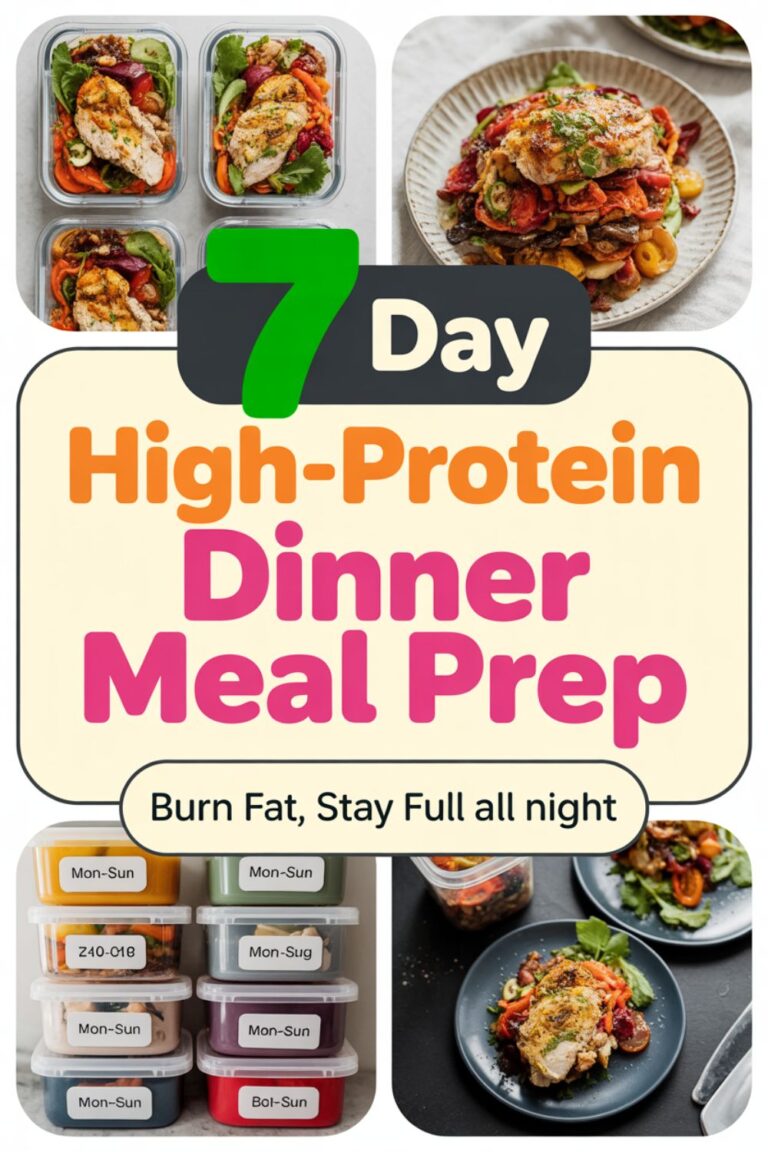
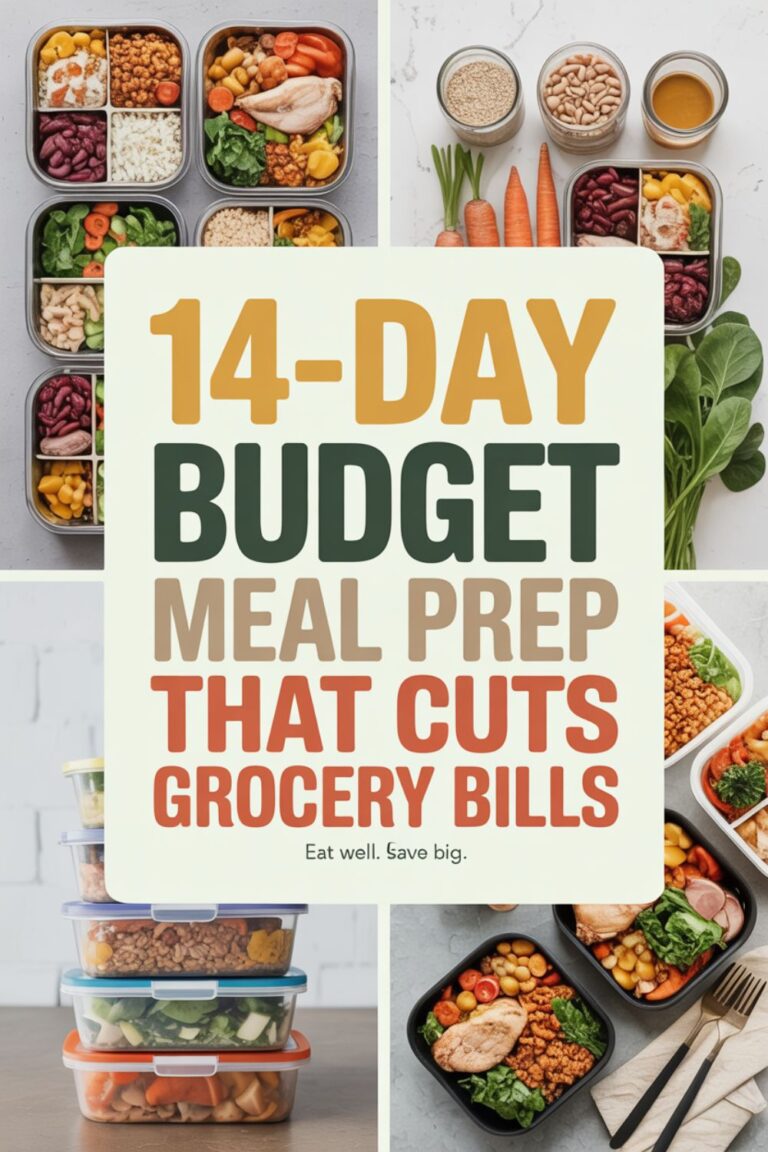
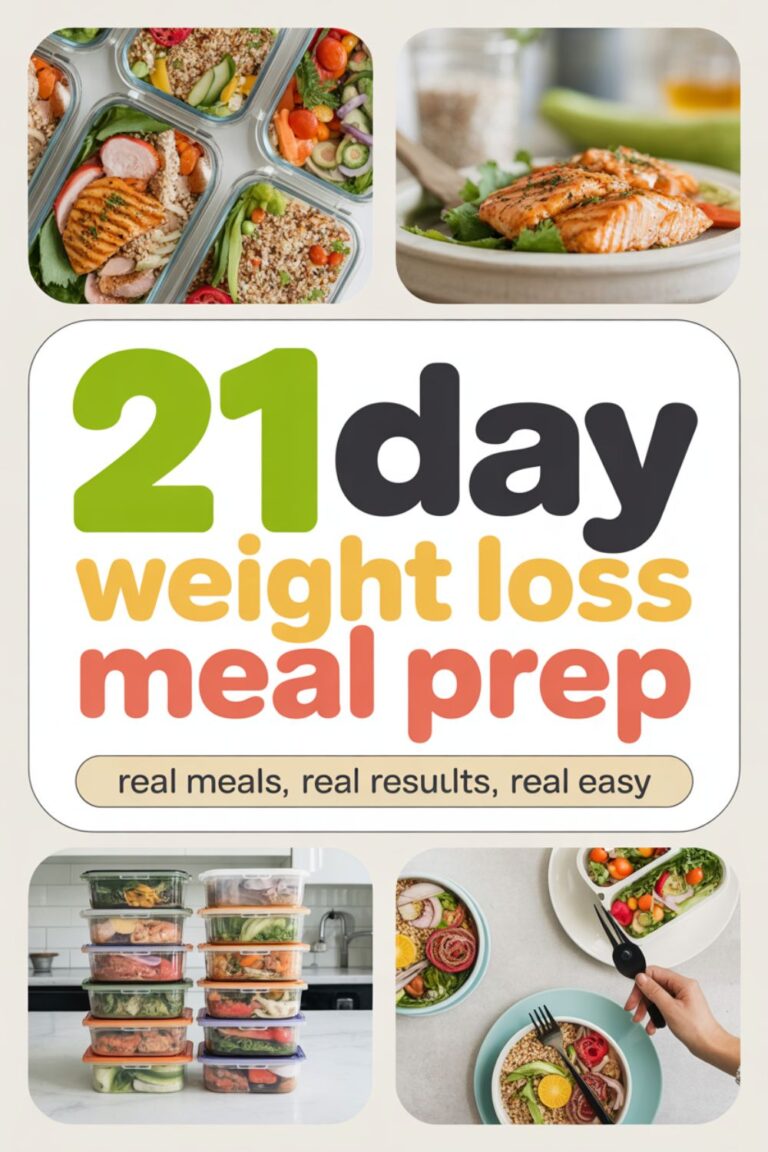
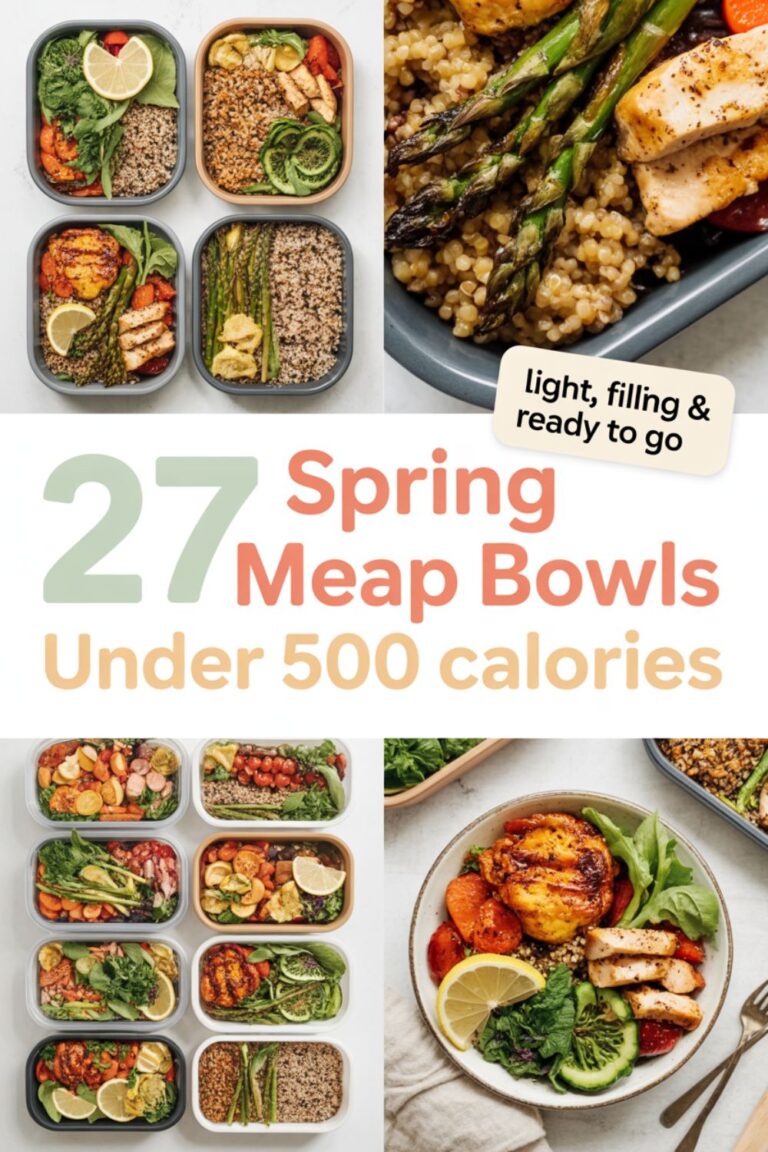
Build Your Perfect Meal Prep Plan
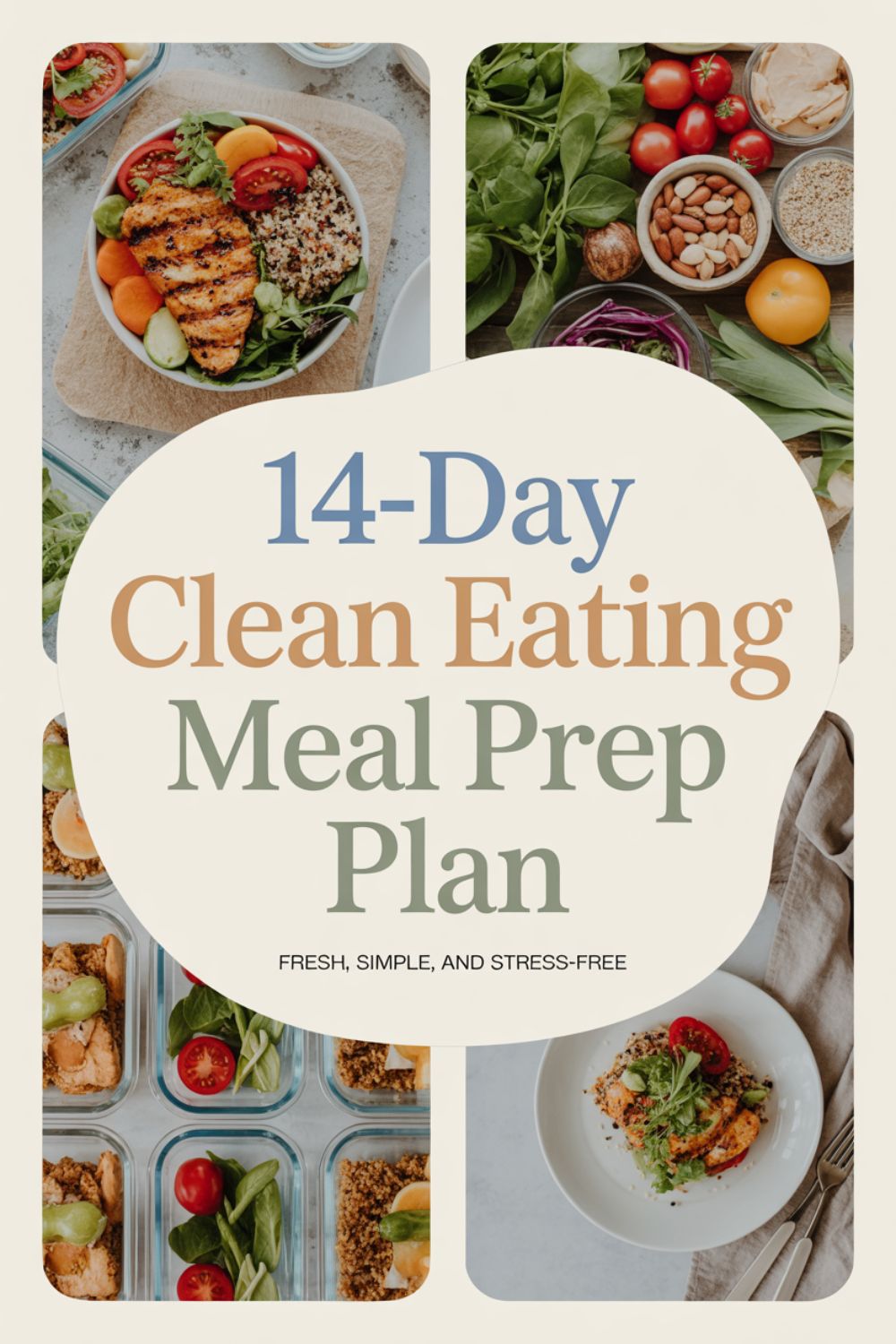
14-Day Clean Eating Meal Prep Plan
Let me guess. You started the week with the best intentions, but by Wednesday you’re standing in front of the fridge at 8 PM wondering what to eat, and suddenly that takeout menu looks really appealing. We’ve all been there. The problem isn’t your willpower or your motivation. It’s that you’re making food decisions when you’re already tired and hungry.
That’s where meal prep changes everything. When you’ve got clean, healthy meals already waiting for you, eating well becomes the easy choice instead of the hard one. This 14-day clean eating meal prep plan takes all the guesswork out of healthy eating. You’ll know exactly what to make, when to make it, and how to store it so every meal tastes fresh and delicious.
I’ve designed this plan to be realistic for actual busy people. These aren’t complicated recipes that require special ingredients or fancy kitchen equipment. Just real food that tastes good and makes you feel even better. Let’s get into it.
How This Clean Eating Plan Works
Clean eating sounds like it should be complicated, but it’s actually pretty straightforward. You’re just choosing foods that are as close to their natural state as possible. Think grilled chicken instead of chicken nuggets. Fresh berries instead of fruit snacks. Steel-cut oats instead of sugary cereal.
The idea is to eat whole foods that actually nourish your body, not processed stuff loaded with ingredients you can’t pronounce. According to USDA’s MyPlate guidelines, focusing on whole fruits, vegetables, lean proteins, and whole grains creates a balanced approach to eating that supports long-term health.
This plan follows the 80-20 rule. You’ll eat nutritious whole foods about 80 percent of the time, which leaves room for treats and flexibility the other 20 percent. Because honestly, what’s the point of a plan you can’t stick to?
The Core Principles
- Whole foods first: Fresh vegetables, fruits, lean proteins, whole grains, nuts, and seeds form the foundation of every meal
- Minimal processing: You’ll avoid foods with long ingredient lists, artificial additives, and excessive amounts of added sugar or sodium
- Balanced macros: Each meal includes protein, healthy fats, and complex carbohydrates to keep you satisfied
- Flexible portions: The plan suggests serving sizes, but you can adjust based on your individual needs and hunger levels
Research from Harvard’s School of Public Health shows that planning meals ahead makes you significantly more likely to stick with healthy eating patterns. When you prep your meals, you’re making the decision to eat well during a calm, rational moment, not when you’re starving and stressed.
Your Complete 14-Day Meal Plan
Quick Swap Options
Not feeling the salmon? Swap it for grilled chicken or tofu. Don’t like quinoa? Brown rice or farro work just as well. The beauty of clean eating is flexibility. As long as you’re choosing whole foods, you’re on the right track.
Week 1 Prep Checklist
- Cook a large batch of hard-boiled eggs for quick breakfasts and snacks
- Prep and portion overnight oats in mason jars
- Wash and chop all vegetables for the week
- Cook grains in bulk (quinoa, brown rice, wild rice) and store in containers
- Marinate and grill chicken breasts for easy grab-and-go protein
Quick Swap Options
Vegetarian? Swap any meat protein for tofu, tempeh, or extra beans and lentils. Make sure you’re getting enough protein by adding nutritional yeast, hemp seeds, or extra Greek yogurt throughout the day.
Week 2 Prep Checklist
- Prepare smoothie freezer packs with pre-portioned fruits and greens
- Make a large batch of energy balls for grab-and-go snacks
- Roast a variety of vegetables to use throughout the week
- Cook protein in bulk and portion into meal containers
- Prep salad ingredients in separate containers to keep everything fresh
What You’ll Eat (High-Level Overview)
This plan is built around real, whole foods that you can find at any grocery store. Nothing weird, nothing overly expensive, just quality ingredients that make you feel good.
Lean Proteins
You’ll get protein from chicken breast, turkey, salmon, cod, shrimp, eggs, Greek yogurt, and cottage cheese. These keep you full and help maintain muscle while you’re eating in a calorie deficit. Each meal includes at least 20 grams of protein because that’s what actually keeps you satisfied between meals.
Complex Carbohydrates
Forget what you’ve heard about carbs being bad. You need them for energy. This plan includes quinoa, brown rice, sweet potatoes, oats, and whole grain bread. These give you sustained energy without the blood sugar crash you get from processed carbs.
Healthy Fats
Avocado, olive oil, nuts, seeds, and fatty fish provide the fats your body needs for hormone production and nutrient absorption. They also make food taste better and keep you satisfied longer.
Fruits and Vegetables
Half your plate at every meal should be vegetables. The plan includes a variety of colors to ensure you’re getting different nutrients. Berries, apples, bananas, spinach, broccoli, bell peppers, tomatoes, and more. The USDA’s Nutrition.gov emphasizes eating a rainbow of produce for optimal health.
If you’re looking for more variety in your meals, check out these 30 high-volume, low-calorie meals that keep you full without derailing your progress.
Meal Prep & Kitchen Setup That Makes Life Easy
The secret to successful meal prep isn’t complicated recipes or expensive equipment. It’s having a system that works for your actual life. Here’s what makes this plan doable.
The Two-Hour Sunday System
Set aside two hours on Sunday afternoon. Put on a podcast or some music, and work through your prep systematically. Start with the longest-cooking items first, like roasting vegetables or cooking grains, then move to quicker tasks while those are in the oven.
Cook your proteins in bulk. Grill or bake several chicken breasts at once. Boil a dozen eggs. Cook a big pot of quinoa. This gives you components you can mix and match throughout the week instead of following rigid meal plans.
Storage That Actually Works
Invest in quality glass meal prep containers. I recommend getting a set of glass containers with compartments because they keep wet and dry ingredients separate. Nobody wants soggy salad on Wednesday because the dressing leaked on Monday.
Store components separately when possible. Keep your grains in one container, proteins in another, and vegetables in a third. Then assemble your meals fresh each day. It takes an extra 30 seconds but makes everything taste so much better.
Essential Kitchen Tools
You don’t need a fancy kitchen, but a few key tools make everything easier. A good chef’s knife cuts your prep time in half. A set of sheet pans lets you roast everything at once. And a quality blender makes smoothies and sauces effortless.
Batch Cooking Strategies
Think about efficiency. If you’re chopping onions, chop enough for the whole week. If the oven is on for roasting chicken, throw in some vegetables too. You’re already doing the work, so maximize it.
Use your slow cooker or instant pot for hands-off cooking. Throw in ingredients in the morning, come home to a ready meal. These tools are game-changers for busy people.
For more meal prep inspiration, these 14 meal prep bowls offer delicious variety while keeping prep simple.
Meal Prep Essentials Used in This Plan
Glass Meal Prep Containers
These three-compartment containers keep your proteins, grains, and veggies separate so nothing gets soggy. Microwave and dishwasher safe.
Check PriceKitchen Scale
Stop guessing portion sizes. A simple digital scale helps you understand what proper serving sizes actually look like.
Check PriceSharp Chef’s Knife
The difference between loving meal prep and dreading it often comes down to your knife. A good one cuts prep time in half.
Check Price14-Day Meal Planner PDF
Printable shopping lists, prep schedules, and customization guides to make this plan work for your lifestyle.
Download NowClean Eating Recipe Database
Access to 200+ clean eating recipes with nutritional info and prep instructions. Perfect for swapping meals.
Get AccessMacro Calculator Guide
Learn how to calculate your exact calorie and macro needs based on your goals, activity level, and body type.
Download GuideCommon Mistakes That Kill Results
I’ve seen people start meal prep with so much enthusiasm, only to give up after a week. Usually it’s because they made one of these avoidable mistakes.
Preparing Too Much Variety
Your first week, don’t try to make 14 different meals. Make three or four recipes in larger batches. Eating the same lunch three days in a row isn’t boring when it’s delicious and saves you an hour of cooking. You can add variety as you get comfortable with the routine.
Ignoring Food Safety
Cooked food lasts 3-4 days in the fridge, not a week. If you’re prepping for more than four days, freeze half of it. Always store food in airtight containers and keep your fridge at 40°F or below.
Not Accounting for Your Schedule
If you have dinner plans Wednesday night, don’t prep a Wednesday dinner. Be realistic about your week. Some people prep all seven days of lunch but only three or four dinners. That’s perfectly fine.
Skipping the Snacks
When you get hungry between meals with nothing prepared, that’s when you hit the vending machine or drive-through. Prep your snacks just like your meals. Cut vegetables, portion out nuts, boil eggs. Make healthy choices easy choices.
Making Everything Bland
Clean eating doesn’t mean boring eating. Use fresh herbs, spices, citrus juice, garlic, and ginger. A simple grilled chicken breast is boring. That same chicken marinated in lemon, garlic, and herbs is delicious. The difference is two minutes of prep time.
Season your food well. Use salt, pepper, and spices generously. Your taste buds don’t care that something is healthy. They just care that it tastes good.
Customizing This Plan for Your Lifestyle
This plan is a template, not a rigid prescription. Here’s how to adjust it for your specific needs and preferences.
For Different Calorie Needs
The base plan provides roughly 1,600-1,800 calories per day, which works for many women trying to lose weight or maintain. If you need more calories, add larger portions of healthy fats and complex carbs. An extra tablespoon of almond butter here, another half cup of quinoa there.
If you need fewer calories, reduce portion sizes of grains and fats first. Keep protein and vegetable portions the same because those are what keep you full. Never drop below 1,200 calories without medical supervision.
Looking for a more specific calorie target? This 7-day 1200-calorie meal plan offers a structured approach for those with lower calorie needs.
For Different Dietary Restrictions
Gluten-free? Swap the whole wheat tortillas and bread for gluten-free versions or lettuce wraps. Most of this plan is naturally gluten-free already.
Dairy-free? Use coconut yogurt instead of Greek yogurt, skip the cheese, and you’re set. Lactose intolerant? Many people can handle Greek yogurt even if they can’t handle milk because the fermentation process reduces lactose.
Vegetarian? Replace all meat with tofu, tempeh, legumes, or extra eggs. Just make sure you’re still hitting your protein targets. Vegan? It’s doable, but requires more planning around protein sources. Think tofu, tempeh, seitan, legumes, and protein powder.
For Different Activity Levels
If you’re very active or doing intense workouts, you need more carbohydrates for energy and recovery. Add an extra serving of fruit post-workout and increase your grain portions at meals surrounding your training.
If you’re mostly sedentary, you might find you need fewer carbs to feel your best. Some people do well reducing grain portions slightly and increasing vegetables. Pay attention to how you feel and adjust accordingly.
For Budget Consciousness
Clean eating doesn’t require expensive specialty ingredients. Buy whatever proteins are on sale that week. Frozen vegetables are just as nutritious as fresh and often cheaper. Buy grains and nuts in bulk. Store brands are usually identical to name brands.
Skip the organic label on foods with thick peels you don’t eat like bananas and avocados. Prioritize organic for the dirty dozen items where pesticide residue matters more, like berries and leafy greens.
For quick, budget-friendly options, these 21 grab-and-go meals prove healthy eating doesn’t have to drain your wallet.
Tools & Resources That Make Cooking Easier
Instant Pot Pressure Cooker
Cook chicken, beans, and grains in a fraction of the time. Set it and forget it while you prep other components.
Check PriceVegetable Chopper
Dice onions, peppers, and vegetables in seconds instead of minutes. Your eyes will thank you.
Check PriceSheet Pan Set
Roast multiple proteins and vegetables simultaneously. The key to efficient batch cooking.
Check PriceWeekly Meal Planner Template
Drag-and-drop meal planning template with automated shopping lists. Makes planning future weeks effortless.
Get TemplateFood Prep Time-Saving Guide
Learn which tasks to do in what order to cut your Sunday prep from 3 hours to 90 minutes.
Download GuidePortion Control Mastery Course
Video tutorials showing exactly what proper portions look like for different goals and body types.
Access CourseMaking It Work Long-Term
Two weeks is just the beginning. The real magic happens when meal prep becomes a habit instead of a project. Here’s how to make this sustainable.
Start Small and Build
Your first week, maybe you just prep lunches. That’s enough. Next week, add breakfasts. The week after, throw in some snacks. You don’t have to do everything perfectly from day one.
Some of my most successful readers started by prepping just three days at a time instead of a full week. They’d prep Sunday and Wednesday nights, which felt more manageable than one big session.
Create Meal Prep Rituals
Pick a consistent day and time for prep. Put it in your calendar like an appointment. Turn it into something enjoyable instead of a chore. Listen to your favorite podcast, call a friend, or pour yourself a glass of wine if that’s your thing.
Some people make it social by prepping with a partner or roommate. You’re both in the kitchen anyway, might as well make it fun.
Keep a Rotation of Favorites
You don’t need 100 different recipes. Find 10-15 meals you genuinely enjoy, and rotate through them. It’s okay to eat the same breakfast for a month if you like it. Nobody’s judging you for meal variety except Instagram.
Every few weeks, try one new recipe to keep things interesting. If you love it, add it to your rotation. If not, no big deal.
Need more options? This 21-day weight loss meal prep plan extends these principles with even more variety.
Plan for Life’s Interruptions
Some weeks you’ll have time to prep. Other weeks you won’t. That’s normal life. Keep some healthy frozen meals or quick assembly options available for backup. A rotisserie chicken from the grocery store plus a bag of salad is still way better than drive-through.
The goal isn’t perfection. It’s progress. Eating well 80 percent of the time is infinitely better than eating perfectly for two weeks then giving up.
Frequently Asked Questions
How long does prepped food actually stay fresh?
Most cooked proteins and vegetables stay fresh for 3-4 days in the fridge when stored properly in airtight containers. If you’re prepping for longer than that, freeze the extra portions and thaw them as needed. Raw vegetables stay fresh longer than cooked, usually 5-7 days.
Can I eat the same meals every day or do I need variety?
You absolutely can eat the same meals repeatedly if you enjoy them. Many successful meal preppers make one or two recipes in large batches and eat them all week. As long as you’re getting a variety of nutrients over the course of a week, daily variety isn’t necessary.
What if I don’t like something on the plan?
Swap it for something similar. Don’t like salmon? Use chicken, turkey, or tofu instead. Hate quinoa? Try brown rice or sweet potato. The specific foods matter less than eating whole, minimally processed ingredients.
Is clean eating more expensive than regular groceries?
It can be, but it doesn’t have to be. Buy whatever proteins are on sale, use frozen vegetables, buy grains and nuts in bulk, and choose store brands. Compared to eating out or buying processed convenience foods, meal prepping clean food usually saves money.
How do I prevent my food from getting boring by day 3?
Store components separately and season them fresh when you eat. Keep different sauces and dressings on hand to change up flavors. A grain bowl tastes completely different with teriyaki sauce versus salsa versus tahini dressing, even if the base ingredients are the same.
Your Next Steps
Clean eating meal prep isn’t about perfection or restriction. It’s about making healthy choices easier than unhealthy ones. When you’ve got delicious, nutritious food already prepared, you don’t have to rely on willpower or motivation. You just eat what you’ve already made.
Start with this 14-day plan exactly as written, or customize it to fit your needs. Use the tools and strategies that make sense for your lifestyle. Build the habit gradually instead of trying to overhaul everything at once.
The first week might feel awkward as you figure out your rhythm. By week two, it starts feeling normal. By week four, you won’t remember how you lived without meal prep. Give it time, stay consistent, and watch how much easier healthy eating becomes when you’re prepared.