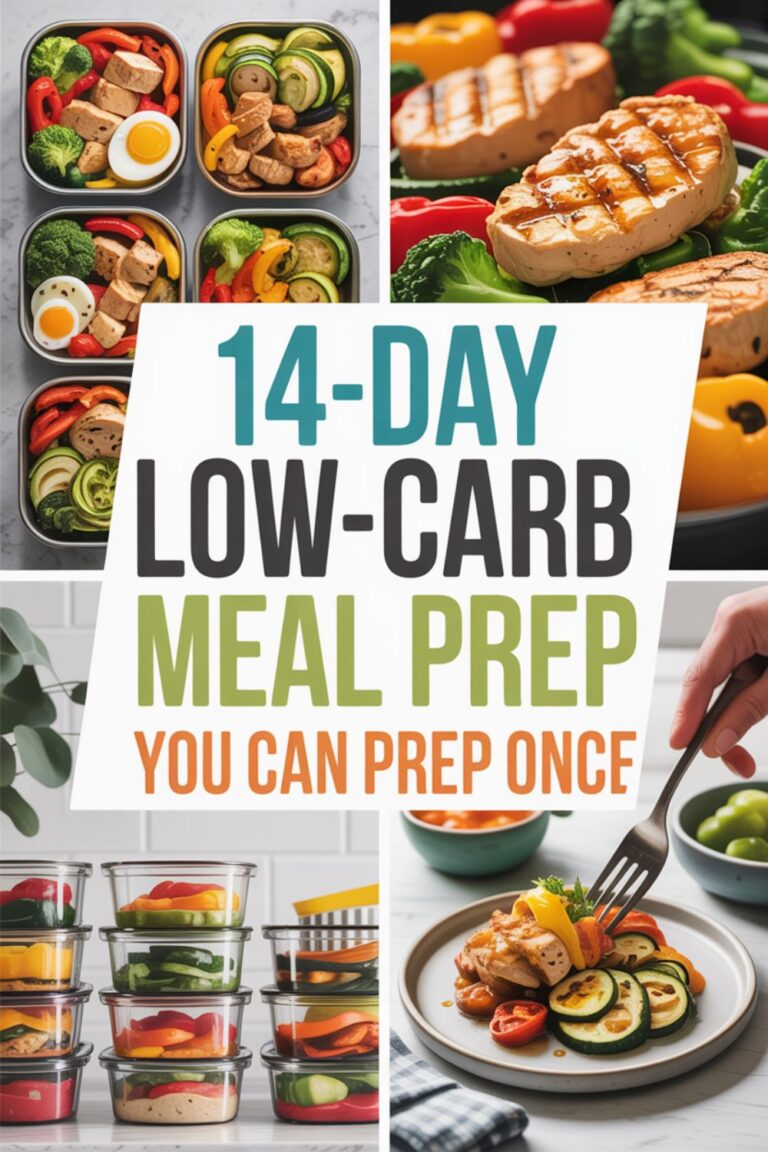
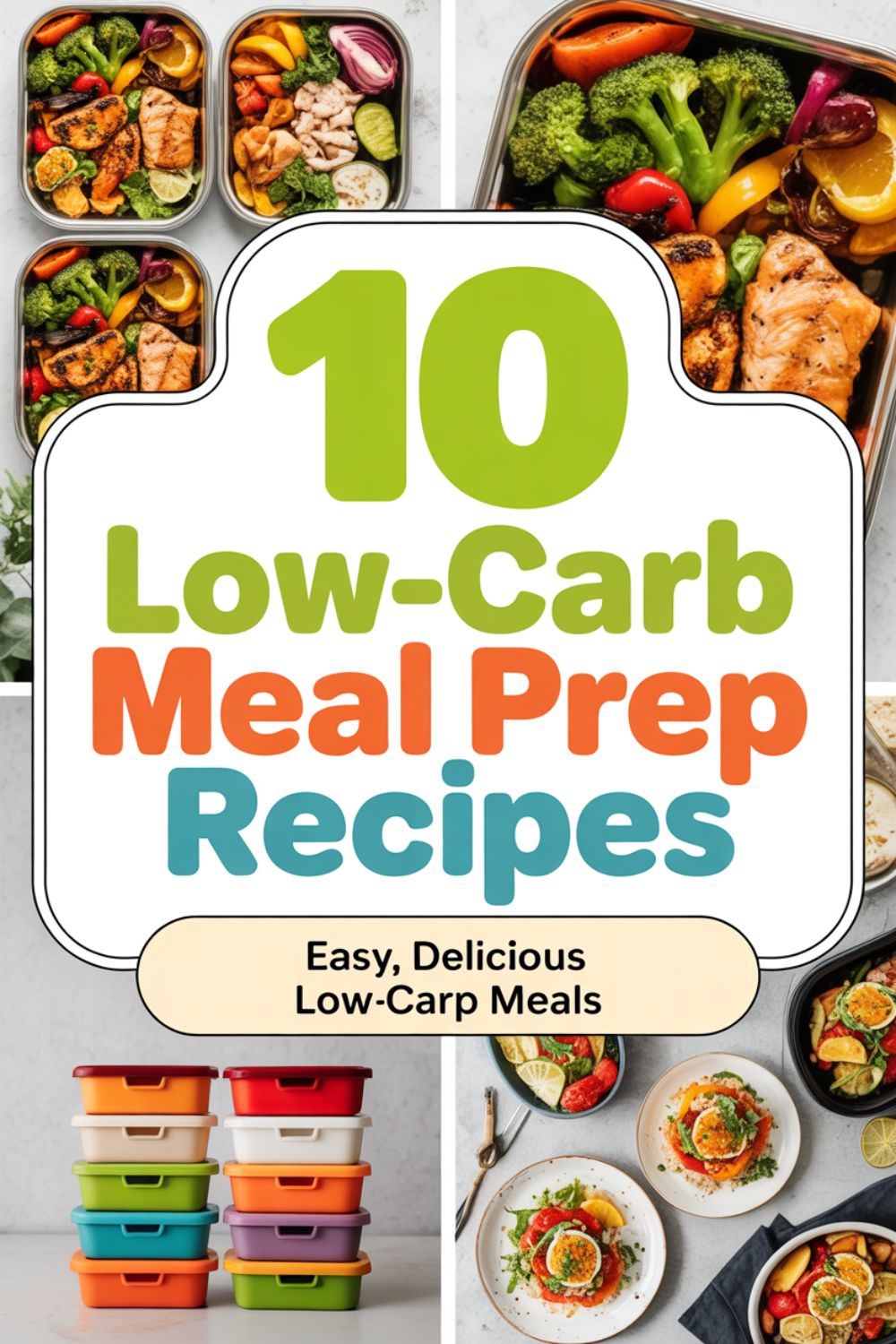
10 Low-Carb Meal Prep Recipes That Taste Good
Let me guess—you tried meal prepping once, ended up with five containers of sad, soggy chicken and wilted lettuce, and swore you’d never do it again. Yeah, I’ve been there. The thing is, low-carb meal prep doesn’t have to taste like cardboard wrapped in regret. It can actually be something you look forward to eating.
I’m not going to pretend low-carb living is some magical solution to all your problems, but when done right, it does make weekday lunches infinitely less chaotic. No more staring into the fridge at 12:47 PM wondering if string cheese counts as a meal. And honestly? Once you nail down a few go-to recipes, the whole process becomes weirdly satisfying.
Here’s the reality: most low-carb meal prep fails because people focus too much on restriction and not enough on flavor. You don’t need fancy ingredients or a culinary degree. You just need recipes that hold up well in the fridge and actually taste like real food. That’s what we’re covering today—ten recipes that won’t make you question your life choices by Thursday.
Why Low-Carb Meal Prep Actually Works
There’s a reason low-carb approaches stick around despite the constant churn of diet trends. According to Mayo Clinic, reducing carbohydrate intake can support weight loss and help stabilize blood sugar levels, which means fewer energy crashes and less hangry-induced decision-making around 3 PM.
But here’s what nobody tells you: the success of low-carb eating has less to do with the science and more to do with whether you can actually sustain it. That’s where meal prep comes in. When you’ve already got portioned meals ready to go, you’re way less likely to abandon ship and order pad thai on a random Tuesday.
The other bonus? Protein and healthy fats keep you fuller longer than that bagel ever did. Research from Healthline shows that people following low-carb diets often report reduced appetite and improved satiety, which translates to naturally eating less without feeling deprived.
Recipe 1: Sheet Pan Chicken Fajita Bowls
This is the recipe that made me a believer in meal prep. Toss sliced chicken breast, bell peppers, and onions with olive oil, cumin, chili powder, and lime juice. Spread everything on a rimmed baking sheet and roast at 400°F for about 25 minutes.
Serve over cauliflower rice (store-bought is fine—nobody’s judging) and top with a dollop of Greek yogurt, some shredded cheese, and fresh cilantro. The whole thing takes maybe 35 minutes start to finish, and you’ve got lunch for the next four days.
What makes this work for meal prep is that the chicken stays juicy even after reheating, and the peppers don’t turn into mush. I use glass meal prep containers because they don’t stain and they microwave like a dream.
Recipe 2: Turkey Taco Lettuce Wraps
Lettuce wraps get a bad rap for being wimpy, but when you load them up right, they’re legit satisfying. Brown some ground turkey with taco seasoning (or make your own if you’re feeling ambitious), then let it cool before portioning into containers.
Keep the lettuce separate—seriously, this is non-negotiable unless you enjoy wilted sadness—and store it in a salad spinner container with a paper towel to absorb moisture. When you’re ready to eat, just assemble your wraps with the turkey, some diced tomatoes, avocado, and a sprinkle of cheese.
The beauty of this recipe is its flexibility. Some days I add jalapeños, other days I throw in some black beans (yes, they have carbs, but if you’re not going full keto, a small serving is fine). Looking for more lunch inspiration? Try these high-protein lunch ideas that keep your energy steady all afternoon.
Recipe 3: Egg Muffin Cups with Spinach and Sausage
Breakfast meal prep is a game-changer, especially when you can eat it with one hand while answering emails. These egg muffins are basically mini crustless quiches, and they freeze beautifully.
Whisk together 8-10 eggs, throw in some cooked sausage, a handful of spinach, and whatever cheese you’ve got hanging around. Pour the mixture into a silicone muffin pan and bake at 350°F for about 20 minutes.
Pop them out, let them cool, and store them in the fridge for up to five days or freeze them for longer. They reheat in 60 seconds flat, which means you have zero excuse for skipping breakfast. If you want more morning options, check out this 7-day breakfast meal prep plan that’ll fix your mornings for good.
Recipe 4: Cauliflower Fried Rice with Shrimp
Real talk: I was skeptical about cauliflower rice for years. Then I actually tried making it properly, and now I’m that person who evangelizes about it at parties. The trick is getting it crispy, not steamed-to-death soggy.
Start with pre-riced cauliflower (or rice your own if you have a food processor and time to spare). Sauté it in a hot pan with a bit of sesame oil until it’s lightly browned. Push it to the side, scramble an egg in the pan, then toss in pre-cooked shrimp, frozen peas, soy sauce, and a splash of rice vinegar.
The whole thing comes together in under 15 minutes, and it reheats way better than regular fried rice. Plus, shrimp is one of those proteins that stays good texture-wise even after spending a few days in the fridge.
Speaking of quick weeknight dinners, if you’re looking for more stress-free options, these dinner meal prep ideas and this low-carb dinner plan will make your evenings infinitely easier.
Recipe 5: Greek Chicken Bowl with Cucumber and Feta
This is my go-to when I’m craving something fresh and bright but still filling. Marinate chicken thighs (not breasts—thighs stay way more tender) in lemon juice, olive oil, garlic, and oregano for at least 30 minutes, then grill or bake them.
Let the chicken cool, then slice it up and portion it over a bed of chopped romaine, diced cucumber, cherry tomatoes, kalamata olives, and crumbled feta. Keep the dressing separate until you’re ready to eat—I make a simple lemon-herb vinaigrette that takes about two minutes.
This bowl hits different on those days when you need something that doesn’t feel like “diet food.” The feta adds a salty punch that makes the whole thing feel indulgent, even though it’s totally on track with your low-carb goals.
Meal Prep Essentials Used in This Plan
After testing dozens of kitchen tools, these are the ones that actually earn their keep:
Physical Products:
- Glass meal prep containers with snap lids – Microwave-safe, dishwasher-safe, and they don’t turn orange from tomato sauce
- Silicone baking mats – No more scrubbing sheet pans or using parchment paper. These things are indestructible
- Digital kitchen scale – If you’re trying to hit specific macros, eyeballing portions is a recipe for frustration
Digital Resources:
- Low-Carb Meal Prep Blueprint – Complete guide with shopping lists, timing schedules, and macro breakdowns
- Batch Cooking Masterclass – Video course on prepping 5-7 days of meals in under 2 hours
- Printable Meal Planning Templates – Weekly planners, grocery lists, and portion guides you can fill out and reuse
Want more support? Join our WhatsApp community where we share weekly meal plans, troubleshooting tips, and accountability check-ins.
Recipe 6: Zucchini Noodle Bolognese
Zoodles are another one of those things that sound terrible on paper but are actually pretty great when done right. The key is not overcooking them—you want them to still have some bite, not turn into vegetable spaghetti soup.
Make your bolognese the normal way: brown some ground beef, add diced onions and garlic, throw in crushed tomatoes, tomato paste, Italian seasoning, and let it simmer. I usually make a big batch because it freezes beautifully.
For the zoodles, I use a spiralizer but you can also buy them pre-made. Store the sauce and noodles separately, and when you’re ready to eat, give the zoodles a quick sauté to warm them through, top with the reheated sauce, and finish with fresh parmesan.
IMO, this tastes better than the pasta version because you don’t get that heavy, carb-loaded feeling afterward. You can actually function like a normal human after lunch instead of needing a nap under your desk.
Recipe 7: Salmon with Roasted Asparagus and Lemon Butter
Salmon is one of those proteins that sounds fancy but is ridiculously easy to nail. Season your fillets with salt, pepper, and a bit of garlic powder, then bake at 400°F for about 12-15 minutes depending on thickness.
While the salmon’s cooking, toss asparagus spears with olive oil, salt, and pepper, and roast them on a separate sheet pan until they’re tender with crispy tips. Make a quick lemon butter sauce by melting butter with lemon juice and a pinch of red pepper flakes.
This meal is stupid simple but feels restaurant-quality. The lemon butter keeps everything moist during reheating, and asparagus is one of the few vegetables that doesn’t completely fall apart after a few days in the fridge.
For more ideas on incorporating healthy fats and lean proteins into your rotation, these 30 healthy meal prep recipes are worth bookmarking.
Recipe 8: Beef and Broccoli Stir-Fry
This is my answer to Chinese takeout cravings. Slice flank steak or sirloin against the grain into thin strips, marinate it in a mix of soy sauce, ginger, and a tiny bit of sesame oil for 20-30 minutes.
Stir-fry the beef in a smoking hot wok or large skillet until it’s just cooked through, then set it aside. In the same pan, cook your broccoli florets with a splash of water to steam them slightly, then add the beef back in with more soy sauce and a cornstarch slurry to thicken the sauce.
The best part about this recipe is how well it holds up. Unlike some stir-fries that turn into a soggy mess, this one stays pretty close to its original texture even after reheating. Serve it over cauliflower rice if you’re keeping carbs low, or regular rice if you’ve got room in your macros.
Recipe 9: Buffalo Chicken Stuffed Peppers
These hit the spot when you want something with a kick. Cut bell peppers in half lengthwise and remove the seeds. Mix shredded rotisserie chicken (because who has time to cook chicken from scratch every time?) with buffalo sauce, cream cheese, and some ranch seasoning.
Stuff the mixture into the pepper halves, top with shredded cheddar, and bake at 375°F for about 25 minutes until the peppers are tender and the cheese is bubbly. Let them cool before portioning into containers.
These are weirdly addictive—I’ve had friends who claim they don’t like bell peppers devour these without complaint. The buffalo sauce does all the heavy lifting flavor-wise, and the cream cheese keeps everything from being too spicy.
Recipe 10: Pork Tenderloin with Roasted Brussels Sprouts
Pork tenderloin is criminally underrated for meal prep. It cooks fast, stays tender, and pairs well with basically any vegetable you throw at it. Season your tenderloin with salt, pepper, garlic powder, and smoked paprika, then roast it at 400°F for about 20-25 minutes until it hits 145°F internal temp.
Let it rest for at least 5 minutes before slicing—this is crucial unless you want all the juices to run out onto your cutting board. For the Brussels sprouts, halve them, toss with olive oil and salt, and roast cut-side down until they’re caramelized and crispy.
I store the sliced pork and sprouts together, sometimes with a drizzle of balsamic glaze that I make by simmering balsamic vinegar until it reduces and thickens. The whole thing feels way fancier than the effort required.
If you’re looking for more complete meal planning systems, check out this 21-day low-carb plan or this clean eating guide that takes the guesswork out of the whole week.
Tools & Resources That Make Cooking Easier
Here’s what actually makes a difference when you’re prepping multiple meals at once:
Physical Products:
- Instant-read meat thermometer – Stop guessing if your chicken is done. This thing pays for itself in non-dried-out protein
- Mandoline slicer – Cuts prep time in half when you need uniform veggie slices. Just watch your fingers
- Vacuum sealer – If you’re into batch cooking and freezing, this is a game-changer for preventing freezer burn
Digital Resources:
- Macro-Friendly Meal Swaps Guide – Learn how to substitute ingredients without wrecking your macros
- Freezer Meal Prep Handbook – Detailed instructions on what freezes well and what doesn’t, plus reheating protocols
- Restaurant Copycat Recipes Collection – Low-carb versions of your takeout favorites so you’re not always resisting temptation
Join our WhatsApp group for weekly meal prep challenges, recipe exchanges, and motivation from people who get it.
Making It Stick: The Boring But Important Stuff
Here’s what nobody tells you about meal prep: the actual cooking is the easy part. The hard part is remembering to grab your prepped meals instead of ordering DoorDash because you forgot to defrost something.
I keep a dry-erase board on my fridge with a simple list of what’s in each container and what day it’s meant for. Sounds neurotic, but it works. No more mystery containers from two weeks ago playing Russian roulette with food safety.
Also, invest in decent storage. I know I keep harping on this, but those flimsy takeout containers are going to leak in your bag and make you hate your life. Quality glass containers with silicone seals are worth every penny.
The other thing that helps is not trying to be perfect. Some weeks I nail it and have everything prepped like a functional adult. Other weeks I make it to Wednesday before running out of containers and end up eating scrambled eggs over the sink. Both scenarios are fine. The goal is progress, not perfection.
When Low-Carb Meal Prep Goes Wrong
Let’s talk about the fails because they’re going to happen. That time I tried to meal prep salmon salad and it made my entire fridge smell like a dock? Yeah, lesson learned. Some foods just don’t belong in meal prep containers for five days.
Another common mistake is making everything too dry. Low-carb foods can be less forgiving when reheated because you’re not relying on sauces that are typically loaded with sugar or carbs. That’s why I always include some form of healthy fat—olive oil, avocado, nuts, cheese—to keep things moist and flavorful.
And for the love of everything holy, don’t forget to label your containers with dates. I learned this the hard way when I confidently reheated what I thought was three-day-old chicken only to realize it was from the previous week. Not ideal.
For more complete meal planning systems that include grocery lists and timing guides, check out these 30 easy meal prep recipes or this 21-day weight loss plan that’s designed to actually last.
Beyond the Basics: Protein Pairings That Work
Once you’ve mastered the ten recipes above, you’ll probably want to mix things up. Good news: you don’t need to reinvent the wheel. The formula is pretty simple—pick a protein, pick a non-starchy vegetable, add a healthy fat, season appropriately.
Chicken pairs well with basically everything, but if you’re sick of it, try turkey, pork chops, or even ground bison if you’re feeling adventurous. Fish is great but tends to have a shorter fridge life, so plan those meals for early in the week.
For vegetables, stick with ones that hold their texture: broccoli, cauliflower, Brussels sprouts, asparagus, bell peppers, zucchini. Avoid anything too watery like cucumbers or tomatoes in cooked dishes—they turn to mush.
According to Healthline’s comprehensive guide, focusing on nutrient-dense vegetables while limiting refined carbs helps maintain steady energy and supports overall health goals.
The Budget Reality Check
I’m not going to pretend low-carb meal prep is always cheaper than eating pasta every night. Quality protein costs money. But it’s still way more affordable than buying lunch every day or hitting the drive-through when you’re too tired to cook.
A few budget-friendly tips: buy whatever protein is on sale that week and plan your meals around it. Rotisserie chickens are your friend—you can stretch one chicken into multiple meals. Frozen vegetables are often cheaper than fresh and just as nutritious.
If you’re really trying to stretch dollars, these budget meal prep ideas and this collection of 30 budget recipes show you how to eat well without going broke.
Also, don’t sleep on buying in bulk when non-perishables go on sale. I stock up on canned tomatoes, coconut oil, and spices when I see good deals. Having a well-stocked pantry means you’re less likely to order takeout because you’re “missing ingredients.”
Frequently Asked Questions
How long do low-carb meal prep recipes last in the fridge?
Most properly stored meal prep lasts 3-5 days in the fridge. Cooked chicken and beef are good for about four days, while fish should be eaten within 2-3 days max. If you’re prepping for the full week, freeze half your portions and thaw them midweek. Trust your nose—if something smells off, toss it.
Can I freeze low-carb meal prep?
Absolutely. Most of these recipes freeze beautifully, except for dishes with lots of raw vegetables or mayo-based sauces. Cooked proteins, casseroles, soups, and stews all freeze well for up to three months. Just make sure to use freezer-safe containers and leave a bit of space for expansion. For more freezer-friendly options, check out this freezer meal prep guide.
What if I get bored eating the same thing all week?
This is exactly why I prep components instead of complete meals sometimes. Cook a big batch of protein and a few different vegetables, then mix and match throughout the week. Add different sauces or seasonings to keep things interesting. Or rotate between two different meal types—Mexican-inspired bowls on Monday and Wednesday, Asian-style stir-fries on Tuesday and Thursday.
Do I really need to count carbs, or can I just eyeball it?
Depends on your goals. If you’re just trying to eat healthier and feel better, cutting out obvious carbs like bread, pasta, and sugar is probably enough. If you’re targeting ketosis or have specific macros for athletic performance, you’ll want to track more carefully. Most people find success somewhere in the middle—being mindful without being obsessive.
What’s the fastest way to meal prep when I’m short on time?
Sheet pan meals are your best friend. Everything cooks together, minimal dishes, and you can prep 4-5 servings in under 40 minutes. The recipes in this sheet pan meal prep plan will show you exactly how to maximize efficiency without sacrificing flavor.
The Bottom Line
Low-carb meal prep doesn’t have to be complicated, expensive, or taste like punishment. These ten recipes prove you can eat well, save time, and actually enjoy your meals without relying on bread, pasta, or rice as a crutch.
The real secret is finding a handful of recipes you genuinely like and rotating through them. You don’t need 47 different options. You just need a solid foundation that works for your schedule, your budget, and your taste preferences.
Start with one or two recipes from this list. See what works. Adjust as needed. Maybe you hate cauliflower rice but love zucchini noodles. Maybe stuffed peppers become your new obsession. The point is to experiment until you find your groove.
And remember: meal prep is a tool, not a prison sentence. Some weeks you’ll crush it. Other weeks you’ll order pizza on Thursday and that’s fine. The goal is to make your life easier, not to add more stress. If spending two hours on Sunday means you’re not frantically assembling sad desk salads at noon all week, it’s worth it.
Give these recipes a shot. Adjust the seasonings to your taste. Swap proteins if you need to. Make them work for you, not the other way around. Your future self—the one who’s not hangry at 2 PM because you skipped lunch again—will thank you.