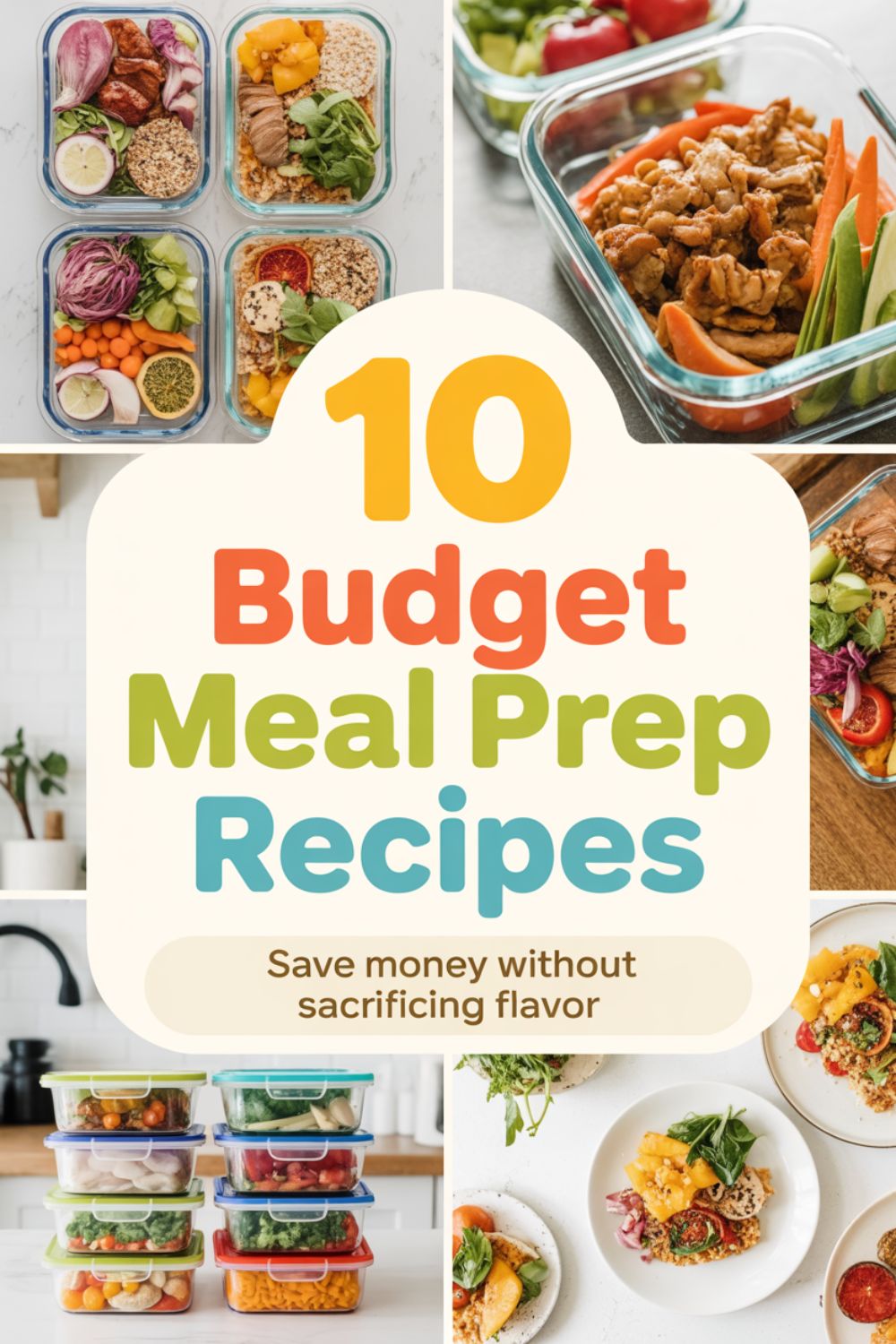
10 Budget Meal Prep Recipes Using Simple Ingredients
Look, I’m not going to sugarcoat it. Meal prepping on a budget used to feel like trying to solve a Rubik’s cube blindfolded. You want healthy food, you want variety, but your bank account is giving you serious side-eye every time you walk past the organic section. Been there, done that, got the ramen-stained t-shirt.
But here’s what nobody tells you about budget meal prep: you don’t need fancy ingredients or a Pinterest-perfect kitchen. You need 10 solid recipes that won’t bore you to tears and won’t require a second mortgage. That’s exactly what we’re doing today.
These recipes use ingredients you can actually pronounce and afford. We’re talking beans, rice, eggs, chicken thighs (not breasts—thighs have flavor and cost less), frozen veggies, and other everyday heroes. No truffle oil. No microgreens that cost more per ounce than gold. Just real food that tastes good and keeps your wallet happy.
Why Budget Meal Prep Actually Works
Before we jump into the recipes, let’s talk about why this matters. I spent years thinking meal prep was only for bodybuilders and those weirdly organized people who color-code their sock drawers. Turns out, I was completely wrong.
Research shows that people who plan their meals ahead actually eat more fruits and vegetables and maintain healthier body weights. It’s not magic—it’s just having a plan when you’re tired and hungry instead of ordering pizza for the third time this week.
The budget part is even better. When you meal prep, you’re buying ingredients with a purpose. No more sad wilted lettuce dying in your crisper drawer. No more impulse buys that seemed like a good idea at the store but now just take up space.
The 10 Budget Meal Prep Recipes That Changed Everything
1. Classic Burrito Bowls
This is meal prep royalty. Rice, beans, salsa, and whatever protein you can afford (ground beef, shredded chicken, or keep it vegetarian). I make this every single week because it’s basically impossible to mess up.
Cook a big batch of rice on Sunday. I use this rice cooker because it’s honestly one of those “set it and forget it” situations that prevents the bottom-of-the-pot rice disaster I used to create regularly. While that’s going, season and cook your protein in a skillet with some cumin, chili powder, and garlic powder.
Black beans (canned is fine—drain and rinse them) go in, along with corn if you want. Portion everything into containers, and boom. You’ve got lunch for days. Top with salsa, cheese, or avocado when you’re ready to eat. Get Full Recipe.
2. Sheet Pan Chicken and Vegetables
If you’ve been sleeping on sheet pan meals, wake up. Seriously. One pan, minimal cleanup, and it tastes way better than it has any right to for the effort involved.
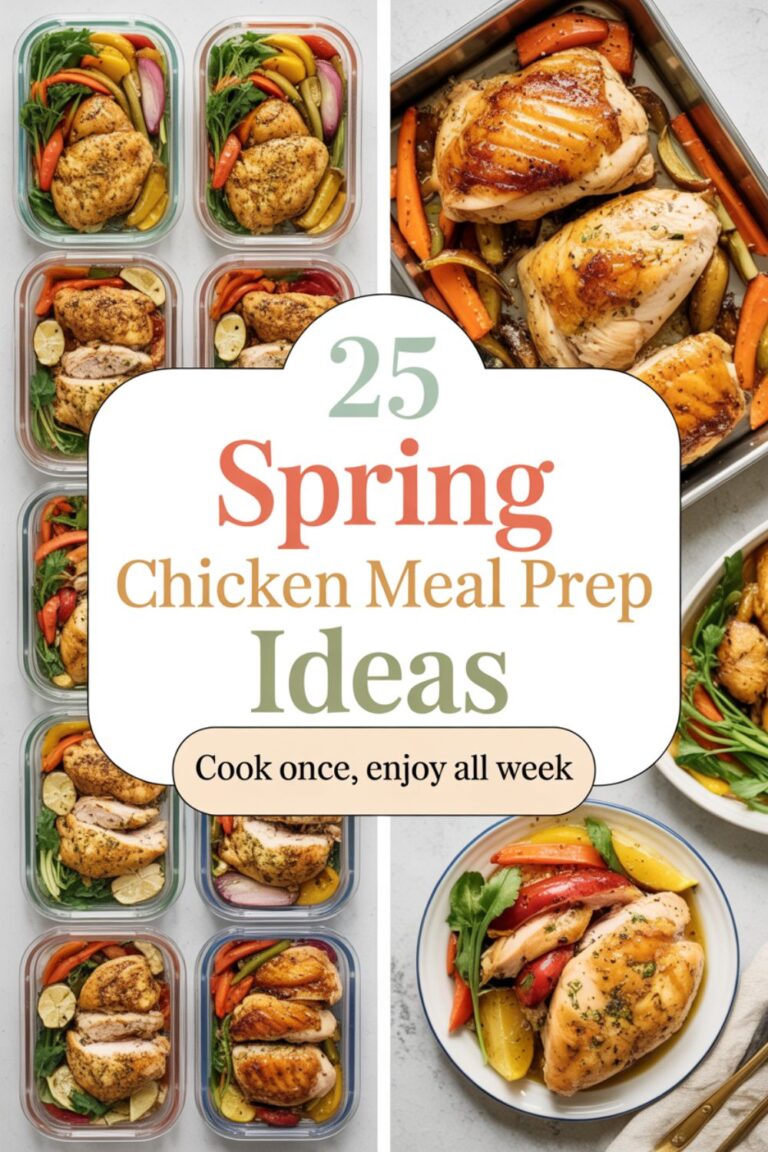
Grab chicken thighs (way cheaper and juicier than breasts), toss them on a rimmed baking sheet with whatever vegetables are on sale. I usually go for sweet potatoes, broccoli, and bell peppers. Drizzle with olive oil, season with salt, pepper, and paprika, then roast at 425°F for about 35 minutes.
The chicken fat renders and basically bastes the vegetables while everything cooks. It’s beautiful. Divide into containers and you’ve got complete meals ready to grab. Speaking of protein-packed options, you might also love these high-protein dinner ideas that keep you full without breaking the bank.
3. Overnight Oats (Five Ways)
Breakfast is where a lot of people blow their budget on fancy coffee and muffins. Overnight oats cost about 50 cents per serving and require exactly zero morning brain power.
The base formula: half cup oats, half cup milk (dairy or non-dairy, your call), and let them hang out in the fridge overnight. That’s it. That’s the whole thing. Then you customize: peanut butter and banana, berries and honey, apple cinnamon, chocolate and almond, or my personal favorite—banana and a handful of chocolate chips.
I prep these in small mason jars every Sunday night. Grab one on your way out the door and you’re winning at adulting. For more morning inspiration, check out this 7-day breakfast meal prep plan that’ll completely transform your mornings.
4. Lentil Soup (The Budget MVP)
Lentils are criminally underrated. They’re cheap, packed with protein and fiber, and they cook way faster than dried beans. This soup is my secret weapon when money’s tight but I still want something that tastes homemade.
Sauté onions, carrots, and celery in a big pot. Add garlic, then dump in a pound of dried lentils, some canned tomatoes, and enough broth to cover everything by a few inches. Season with cumin, bay leaves, salt, and pepper. Simmer for about 30 minutes until the lentils are tender.
This makes a massive batch that freezes beautifully. Studies on home meal preparation show that batch cooking like this significantly reduces the temptation to order takeout during busy weeks. Portion it out, freeze half, and eat the rest throughout the week. Get Full Recipe.
5. Egg Muffins
These are basically crustless mini quiches, and they’re ridiculously versatile. Whisk a dozen eggs with a splash of milk, then pour into a muffin tin that you’ve sprayed with cooking spray.
Add whatever you want: diced ham, cheese, spinach, mushrooms, peppers, onions. Mix and match. Bake at 350°F for about 20 minutes until they’re set. Pop them out, let them cool, and store in the fridge.
Two of these plus a piece of fruit is a complete breakfast that costs less than a dollar. You can even freeze them and microwave from frozen—they reheat perfectly. If you’re looking for complete breakfast solutions, this healthy breakfast meal prep guide has even more no-cook options.
6. Turkey Chili
Ground turkey is usually cheaper than beef, and in chili, you honestly can’t tell the difference. Brown a pound of ground turkey with diced onions and peppers. Add canned tomatoes, kidney beans, chili powder, cumin, and a little cocoa powder (trust me on this—it adds depth without making it taste like chocolate).
Let it simmer for 30 minutes, and you’ve got a week’s worth of lunches. Top with cheese, sour cream, or crushed tortilla chips when serving. The beauty of chili is it actually tastes better the next day after the flavors have had time to get friendly with each other.
This pairs perfectly with budget-friendly meal plans that keep your weekly food costs under control. Get Full Recipe.
7. Pasta Primavera (Fancy Name, Simple Recipe)
Don’t let the Italian name fool you. This is just pasta with vegetables, and it’s shockingly cheap. Cook a pound of pasta—whatever shape you want. While that’s boiling, sauté whatever vegetables you have in olive oil with lots of garlic.
I usually throw in zucchini, cherry tomatoes, spinach, and broccoli, but honestly, use what’s cheap at the store. Toss the cooked pasta with the vegetables, add some pasta water to make it saucy, season with salt, pepper, and Italian herbs, then grate some Parmesan on top.
The key is using a large skillet that can hold everything—trying to toss pasta in a small pan is a recipe for a kitchen disaster. I learned this the hard way with noodles all over my stove.
8. Chicken Fried Rice
This is what I make when I need to clean out the fridge. Leftover rice? Check. Random vegetables? Check. An egg or two? Perfect. Some soy sauce and you’re in business.
Heat oil in a wok or large skillet (really hot—you want that slightly charred flavor). Scramble a couple eggs and set aside. Add diced chicken (leftover or fresh), cook until done, then add your vegetables. Frozen peas and carrots work great here.
Toss in the rice, breaking up any clumps, then add soy sauce and the scrambled eggs. The whole thing takes maybe 15 minutes. FYI, day-old rice works better than fresh because it’s drier and doesn’t get mushy. For more creative ways to use simple ingredients, browse through these budget-friendly recipe ideas.
9. Baked Sweet Potato and Black Bean Tacos
Sweet potatoes are stupid cheap and incredibly filling. Cube them up, toss with olive oil and chili powder, then roast at 400°F for about 25 minutes until they’re crispy on the outside and tender inside.
Heat up some black beans with cumin and garlic powder. Warm your tortillas (I use this tortilla warmer because microwaved tortillas can get weird and rubbery). Load them up with sweet potato, beans, salsa, and cilantro if you’re feeling fancy.
You can meal prep the sweet potato and beans, then assemble the tacos fresh when you’re ready to eat. Keeps the tortillas from getting soggy. This vegetarian option is super popular in our vegetarian meal prep plan that people actually stick to. Get Full Recipe.
10. Simple Chicken and Rice Casserole
This is comfort food that happens to be cheap and easy to prep. Mix uncooked rice with cream of mushroom soup (or make your own white sauce if you’re feeling ambitious), chicken broth, diced chicken, and frozen mixed vegetables.
Pour into a 9×13 casserole dish, cover with foil, and bake at 350°F for about an hour. The rice cooks in the liquid, the chicken gets tender, and everything melds together into pure comfort.
Cut into portions and store in containers. It reheats beautifully and tastes even better the next day. My kids demolish this, which is saying something because they’re usually suspicious of anything remotely healthy. Get Full Recipe.
Meal Prep Essentials Used in This Plan
Alright, let’s talk about the stuff that actually makes meal prep easier instead of more complicated. You don’t need a kitchen full of gadgets, but a few key items will save you time and frustration.
Physical Products:
- Glass meal prep containers with snap lids – I cannot stress this enough. Cheap plastic containers stain, warp in the microwave, and generally make your food taste weird after a few uses. Glass lasts forever and doesn’t hold onto smells.
- Sharp chef’s knife – Trying to chop vegetables with a dull knife is dangerous and makes everything take three times longer. A good knife makes meal prep almost enjoyable. Almost.
- Large cutting board – Get one bigger than you think you need. Trust me on this. Tiny cutting boards mean ingredients falling everywhere and a lot of unnecessary cursing.
Digital Products & Resources:
- Budget Meal Planning Template – A simple spreadsheet that helps you track costs per meal and plan around sales. Nothing fancy, just practical.
- Freezer Meal Prep Guide – Shows you exactly what freezes well and what turns into mush. Also includes reheating times so you don’t end up with ice-cold centers and lava-hot edges.
- Grocery Shopping Checklist – Organized by store section so you’re not zigzagging all over like a confused pinball. Saves time and prevents impulse buys.
Join the Community:
We’ve got a WhatsApp group where people share their weekly meal prep wins (and fails—we’ve all been there). Real people, real budgets, real recipes that actually work. It’s free to join and way more helpful than scrolling through Instagram looking at meal prep that costs $200 per week.
The Meal Prep Process (Without Losing Your Mind)
Here’s the thing about meal prep: you don’t have to cook everything in one day. That’s how people burn out and give up. I tried the whole “spend six hours in the kitchen every Sunday” approach exactly once. Never again.
Instead, I break it up. Sunday afternoon, I’ll cook my proteins and roast some vegetables. Maybe make a big batch of rice or quinoa. That’s it. Then during the week, I’ll throw together a quick soup or chili on Wednesday evening. It doesn’t have to be this massive production.
According to registered dietitians at Ohio State University, the key to sustainable meal prep is identifying which meals cause the most stress in your household and focusing your prep efforts there. For most people, that’s lunch and weeknight dinners.
Start small. Pick three recipes from this list and prep just those. See how it goes. Add more as you get comfortable with the routine. There’s no medal for overwhelming yourself on week one.
Storage and Food Safety (The Boring but Important Stuff)
Look, I know food safety isn’t sexy, but getting food poisoning from your own meal prep is definitely unsexy. Most cooked food lasts 3-4 days in the fridge. If you’re prepping for the whole week, freeze half of it.
Label everything with the date. Your future self won’t remember if you made that chicken on Sunday or last Sunday, and sniff tests are not reliable. Get some erasable labels or just use masking tape and a marker.
Cool food before you pack it into containers. Putting hot food directly in the fridge raises the temperature inside and can mess with everything else you have stored. Let it sit on the counter for about 30 minutes, then refrigerate.
Freezer meals need to be in airtight containers or freezer bags with as much air squeezed out as possible. Ice crystals are the enemy—they turn your beautiful meal prep into a weird, freezer-burned science experiment. If you’re serious about freezing meals, check out this complete freezer meal prep guide.
Tools & Resources That Make Cooking Easier
Beyond the basics, there are a few tools that genuinely make budget meal prep less of a chore and more of a “I’ve got this” situation.
Kitchen Equipment Worth Having:
- Slow cooker – Throw ingredients in before work, come home to dinner. It’s basically magic. Great for tough, cheap cuts of meat that need long cooking times to get tender.
- Sheet pan set – I mentioned these earlier, but seriously, having 2-3 good rimmed baking sheets means you can roast multiple components at once. Game changer.
- Kitchen scale – If you’re trying to portion accurately for weight management or just want to know exactly how much you’re making, a cheap digital scale is surprisingly useful.
Digital Tools:
- Meal Cost Calculator – Helps you figure out actual cost per serving so you can compare homemade vs. takeout. Sometimes the results surprise you.
- Ingredient Substitution Guide – Out of one ingredient? This guide shows you what to swap without ruining the recipe. Saved me countless trips to the store.
- Batch Cooking Blueprint – Step-by-step system for cooking multiple recipes efficiently in the same kitchen session without creating total chaos.
IMO, the best investment is a good set of storage containers. Everything else is nice to have, but containers are essential. Don’t cheap out on these—you’ll regret it when lids start disappearing and sauce is leaking all over your bag.
Common Budget Meal Prep Mistakes (And How to Avoid Them)
I’ve made every mistake in the book, so let me save you some trouble. First mistake: buying ingredients because they’re on sale without having a plan for them. That head of cauliflower seems like a great deal until it’s rotting in your fridge a week later.
Second mistake: trying to meal prep foods you don’t actually like. Broccoli is healthy and cheap, but if you hate it, you’re just going to order pizza instead of eating your perfectly prepped meals. Prep food you actually want to eat.
Third mistake: not accounting for seasoning. Bland food is why people think meal prep sucks. Salt, pepper, garlic powder, onion powder, cumin, chili powder, Italian seasoning—these are cheap and they make the difference between “I guess I’ll eat this” and “This is actually good.”
Fourth mistake: prepping the same thing for every single meal. Even if you love burrito bowls, eating them for lunch and dinner five days straight will make you want to throw them out the window by Thursday. Variety matters. That’s why this list has 10 different recipes—rotate them.
Want to see how other people are tackling these challenges? The no-stress meal prep plan addresses these exact issues with realistic solutions.
Customizing for Different Dietary Needs
The beautiful thing about these recipes is they’re flexible. Need them vegetarian? Swap the meat for extra beans, lentils, or tofu. Going low-carb? Skip the rice and double up on vegetables. Trying to hit higher protein? Add an extra egg to the egg muffins or throw some chickpeas in the pasta.
Most dietary restrictions don’t mean you need completely different recipes—just small tweaks. Can’t have dairy? Use coconut milk in the overnight oats. Gluten-free? Rice and corn tortillas instead of wheat. Trying to eat cleaner? These recipes are already pretty clean—just whole foods cooked at home.
The sheet pan chicken and vegetables, lentil soup, and sweet potato tacos are naturally gluten-free and can easily be made dairy-free. The egg muffins, burrito bowls, and fried rice work for keto folks if you skip the rice and load up on vegetables instead.
For those following specific eating patterns, we’ve got specialized plans too. Check out the low-carb meal prep guide or the clean eating plan for more targeted approaches.
Making It Work with Your Schedule
Not everyone has Sunday free to meal prep. I get it. If weekends are packed, try Wednesday evening. Or split it up—do proteins on Monday night, grains and vegetables on Thursday. There’s no rule that says meal prep has to happen on a specific day.
Some people prefer morning prep sessions before work when the house is quiet. Others are night owls who cook at 10 PM. The best time to meal prep is whenever you’ll actually do it consistently.
And if you miss a week? So what. Order pizza, eat cereal for dinner, and start fresh next week. This isn’t about perfection—it’s about making your life easier most of the time. Harvard’s nutrition experts emphasize that consistency matters more than perfection when it comes to meal planning habits.
For those with truly chaotic schedules, the quick meal prep guide focuses on recipes that come together in under 30 minutes. No marathon cooking sessions required.
Smart Shopping Strategies for Budget Meal Prep
The grocery store is where your budget either stays on track or completely derails. Here’s what actually works: shop with a list. Groundbreaking advice, I know, but you’d be surprised how many people wing it and wonder why they overspend.
Buy store brands for staples. Rice is rice. Beans are beans. You’re not getting better nutrition from the name brand—you’re just paying for marketing. Save the splurge for things where quality actually matters, like olive oil or your favorite hot sauce.
Frozen vegetables are your friend. They’re often cheaper than fresh, they last way longer, and they’re picked and frozen at peak ripeness. The “fresh is always better” myth needs to die. Frozen broccoli in January is better than “fresh” broccoli that’s been sitting in a truck for a week.
Stock up when staples go on sale. If pasta is half price, buy 10 boxes. It doesn’t go bad, and you’ll thank yourself later. Same with canned goods, rice, and dried beans. I keep a running list of rock-bottom prices so I know when something is actually a good deal versus just marked “sale.”
Scaling Recipes Up or Down
These recipes are written for one person prepping for the week, which usually means 5-6 servings. If you’re cooking for two, just double everything. Family of four? Multiply by four. The cooking time stays mostly the same—you’re just using bigger pots.
The one thing that doesn’t scale linearly is seasoning. If you’re doubling a recipe, start with 1.5 times the seasonings, taste, then add more if needed. It’s easier to add salt than to fix something that’s too salty.
Cooking solo and worried about eating the same thing all week? Make half batches, or make a full batch and freeze half immediately. Future you will appreciate having emergency meals in the freezer for those nights when even opening the fridge feels like too much effort.
Families with kids might want to check out the family meal prep plan that includes kid-friendly options and picky eater strategies.
Nutritional Benefits Beyond Just Saving Money
Here’s where budget meal prep gets really interesting. You’re not just saving money—you’re probably eating better than you would with takeout or convenience foods. These recipes naturally include more vegetables, whole grains, and lean proteins than your average restaurant meal.
Restaurant portions are huge, and they’re loaded with extra butter, salt, and sugar to make food taste amazing and keep you coming back. When you cook at home, you control what goes in. You can still make food taste great without dumping a stick of butter in everything.
The fiber from beans, lentils, and whole grains keeps you full longer and helps with digestion. The protein in eggs, chicken, and legumes supports muscle maintenance and keeps your blood sugar stable. The variety of vegetables means you’re getting different vitamins and minerals instead of just eating beige food all week.
Meal prepping also reduces the temptation to skip meals or grab junk food when you’re hungry and rushed. Having food ready means you actually eat regular meals, which sounds basic but makes a huge difference in energy levels and mood. For those focused on health goals, the weight loss meal prep plan digs deeper into the nutrition science.
Troubleshooting Common Issues
Let’s talk about what goes wrong and how to fix it. Food getting soggy? Keep wet ingredients separate until you’re ready to eat. Store dressing on the side, add it fresh. Keep crispy toppings in separate containers.
Food tastes bland after a few days? Acid and fresh herbs are your friends. A squeeze of lemon or lime right before eating wakes everything up. Same with fresh cilantro, parsley, or green onions—add them fresh instead of prepping them in.
Getting tired of the same flavors? Change up your seasonings. That chicken and rice can be Mexican one week with cumin and chili powder, Italian the next week with oregano and basil, or Asian-inspired with ginger and soy sauce. Same base ingredients, completely different flavor profile.
Rice or pasta getting hard in the fridge? Add a splash of water or broth before reheating. Microwave with a damp paper towel over the top to create steam. Game changer for texture.
Not eating your prepped meals? Be honest about whether you actually like them. If you’re forcing down food you hate, you’ll quit meal prep entirely. Better to prep foods you enjoy eating than to stick to some perfect plan that makes you miserable.
Frequently Asked Questions
How long can I safely keep meal prepped food in the fridge?
Most cooked meals stay good for 3-4 days in the refrigerator at 40°F or below. If you’re prepping for the full week, freeze portions for days 5-7 and thaw them as needed. Seafood and dishes with dairy are more perishable—stick to 2-3 days for those.
Can I meal prep if I don’t have much freezer space?
Absolutely. Focus on recipes that last well in the fridge for 3-4 days and prep twice a week instead of once. Sunday and Wednesday prep sessions work great for small freezers. You can also get creative with fridge organization—stack containers efficiently and use clear ones so you can see what you have.
What if I get bored eating the same meals all week?
Prep components instead of complete meals. Cook plain rice, beans, and protein, then mix and match them throughout the week with different sauces and seasonings. Mexican bowl Monday, Asian stir-fry Wednesday, Mediterranean grain bowl Friday—same ingredients, totally different meals.
Is meal prepping really cheaper than buying groceries as you go?
Yes, for most people. You waste less food because everything has a purpose, and you’re not making impulse purchases. Plus, you avoid expensive last-minute takeout. Most people save $50-100 per week once they get into a rhythm. The key is actually using what you prep instead of letting it sit in the fridge.
Do I need special containers for meal prep?
Not special, but you do need good ones. Glass containers with airtight lids are worth the investment—they don’t stain, don’t absorb odors, and last for years. Cheap plastic containers warp and crack, making them false economy. Start with a set of 10-12 in various sizes and add more as needed.
Final Thoughts
Budget meal prep isn’t about deprivation or eating sad desk lunches that make your coworkers feel sorry for you. It’s about taking control of your time, your money, and your health without making it weird or complicated.
These 10 recipes are a starting point. Pick the ones that sound good, ignore the ones that don’t, and adjust everything to fit your taste and budget. The goal isn’t to follow someone else’s perfect system—it’s to create a routine that works for your actual life.
You don’t need expensive ingredients, fancy equipment, or hours of free time. You need a plan, some decent containers, and the willingness to spend 30-60 minutes a couple times a week making your future self’s life easier. That’s it.
Start small. Maybe just prep lunches for the first week. See how it feels. Adjust what doesn’t work. Add more as you get comfortable. There’s no rush, and there’s definitely no prize for doing everything perfectly on week one.
Your bank account will thank you. Your waistline will probably thank you too. And most importantly, those 6 PM moments when you’re tired and hungry and don’t want to think about what to eat? Future you is going to be really, really grateful that past you did this.